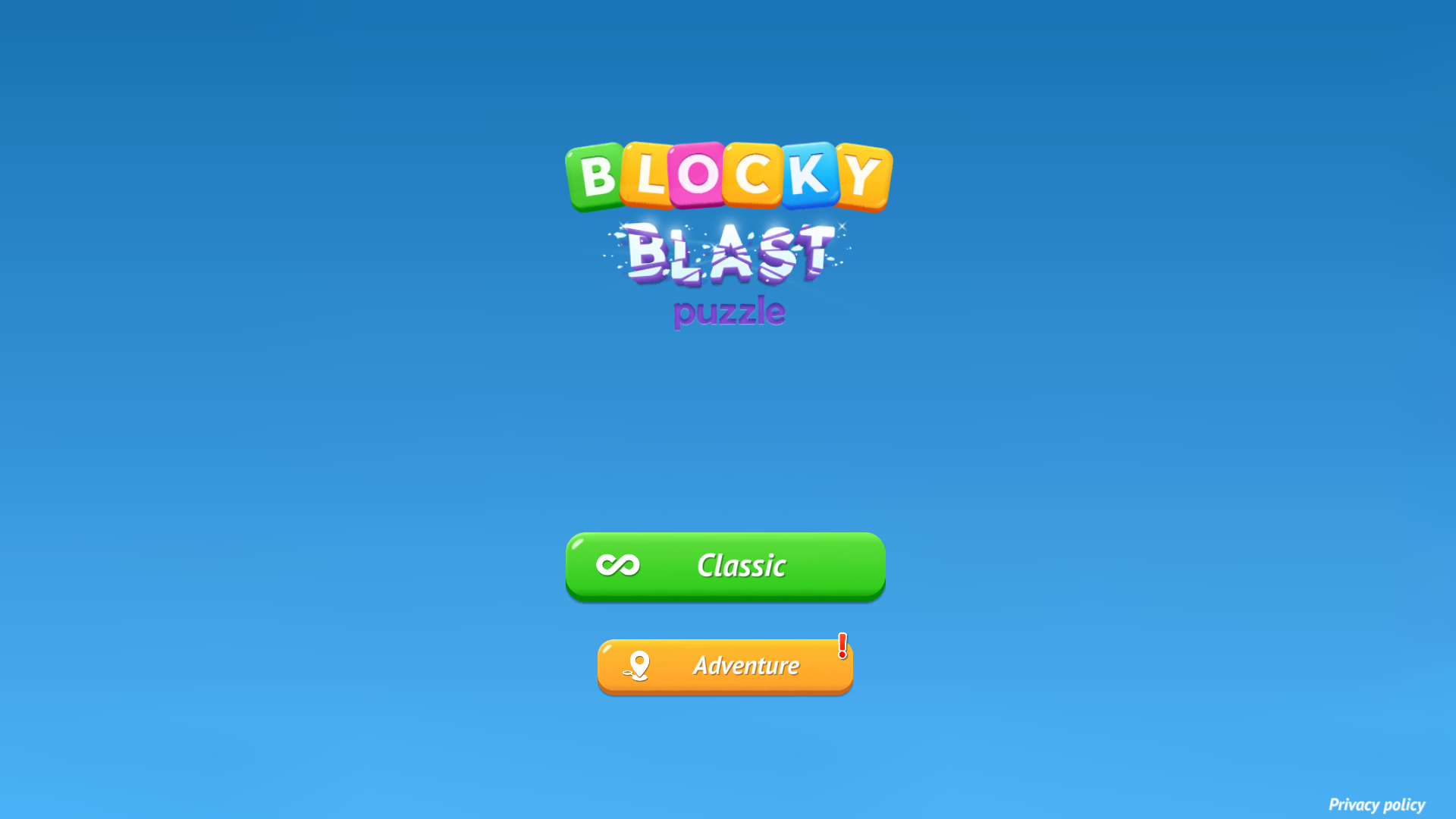
I found Block Blast on a lazy afternoon when I just wanted something light to click through. The premise looked almost charmingly straightforward: blocks, a grid, drag-and-place, and—surely—clear some lines. I figured I’d do a couple rounds, laugh at myself when I miss a spot, and move on.
Yeah… that didn’t happen.
The “easy” first moments (until the board starts filling)
The first thing I liked was the lack of pressure. This browser game doesn’t have a countdown timer, so I wasn’t forced into frantic placements. I could actually take a breath, look at the board, and try to think two moves ahead instead of one. It felt relaxing, like a puzzle you choose to solve.
Then the pieces kept coming. You get a set of block shapes, and instead of reacting to one falling piece like some other classics, you have time to look at what’s available and decide where each one should go. The “no falling pieces” part is a big deal: every move is you making a choice about the future, because the board doesn’t reshuffle itself for you. The shapes come in fixed orientations too, so you can’t rotate when you regret where you placed something.
My first couple rounds were basically me playing on vibes. I’d see a shape that fit easily and think, “Cool, that’s done,” and then I’d place the next one… and suddenly there was this weird little pocket I created. Not a big disaster—just an awkward gap. The kind of gap that makes you stare at the grid like, “I’m sure there’s a way,” and then you realize you’ve trapped yourself.
That’s when it got surprisingly challenging.
Planning the set: open space is the real currency
What surprised me most was how much the game rewards keeping large open areas instead of stuffing everything as efficiently as possible. In the beginning, I chased clears. Completing a full horizontal row or vertical column feels great—like snapping a puzzle piece into place. And sometimes one placement clears multiple lines at once, which is ridiculously satisfying because it suddenly gives you breathing room.
But the truth is, the board can fill fast, and pieces that seem “fine” early become hard to place later when the remaining space turns into scattered pockets. I kept learning this the hard way: I’d clear one line, celebrate for half a second, and then notice I’d split the board into sections where the next few shapes couldn’t cooperate.
The moment I started thinking about the available pieces as a group—not individually—I improved a lot. I’d actually pause before my first move and ask: “If I place this now, does it leave enough continuous space for the awkward shapes that might be next?” The game ends when none of the currently offered pieces can fit anywhere, so it doesn’t care how well you did two turns ago. It cares what you leave behind.
Mistakes I made (and what they taught me)
My most common mistake was placing what felt obvious instead of what was sustainable. I’d pick an easy piece first, but I didn’t check whether it was blocking a bigger shape from fitting later. Another time, I was so focused on chasing a satisfying multi-line clear that I ignored a simpler clear that would’ve kept the board cleaner overall. That choice left me stuck with an isolated gap that was basically just “future pain.”
I also learned that saving certain spaces matters more than maximizing immediate clears. Sometimes a placement that “scores” right away isn’t the best placement—it’s the one that keeps enough room so the next shapes don’t turn your grid into a maze.
And honestly? There were a couple moments where I thought I’d messed up beyond repair… only to get a lucky placement that cleared multiple rows and columns. Those moments kept pulling me back for “one more game.”
A few casual tips (from my own chaos)
First, scan the whole set of pieces before placing anything. Even if you don’t have a perfect plan, just knowing where the bigger shapes might struggle helps.
Second, prioritize open, connected space over tight packing. If you’re creating tiny isolated pockets, expect them to haunt you.
Third, if you see a placement that could clear more than one row/column, take it—but only if it doesn’t cost you the board’s overall flexibility.
Finally, don’t underestimate how much the game rewards calm thinking. Since there’s no timer, you can afford to pause and check whether your “quick clear” is actually setting you up for the next move.
Try it, then tell me your most annoying gap
I walked into Block Blast expecting a simple block puzzle and ended up wanting to improve, mostly because every loss felt like a puzzle I almost solved. It’s the kind of online puzzle game where you start out guessing, then slowly realize planning ahead is what keeps the board open.
If you try it, play a few rounds and pay attention to when you accidentally make that awkward little gap. Then come back and tell me what was hardest for you—I’d genuinely love to compare notes while we both keep trying to keep the grid from running out of room.
0
Rate this business
Have you heard of this business? Do you like it? How do you like it?
Check out if it is in the list of Top Rated Small Businesses