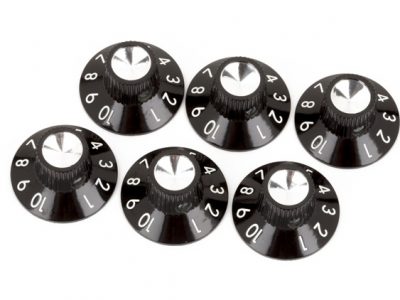
Replacing worn hardware can seem straightforward until a new component does not line up with the existing instrument. Screw spacing, shaft size, neck dimensions, electrical values, and bridge position can all vary between models that look similar. A small mismatch may lead to extra drilling, poor alignment, tuning issues, or unwanted changes to the setup. Checking compatibility before ordering saves time and helps protect the instrument from avoidable modification. In this article, we will discuss the measurements and checks that make replacement work cleaner, safer, and more predictable. For Continue Reading…
Rate this business
Have you heard of this business? Do you like it? How do you like it?
Check out if it is in the list of Top Rated Small Businesses