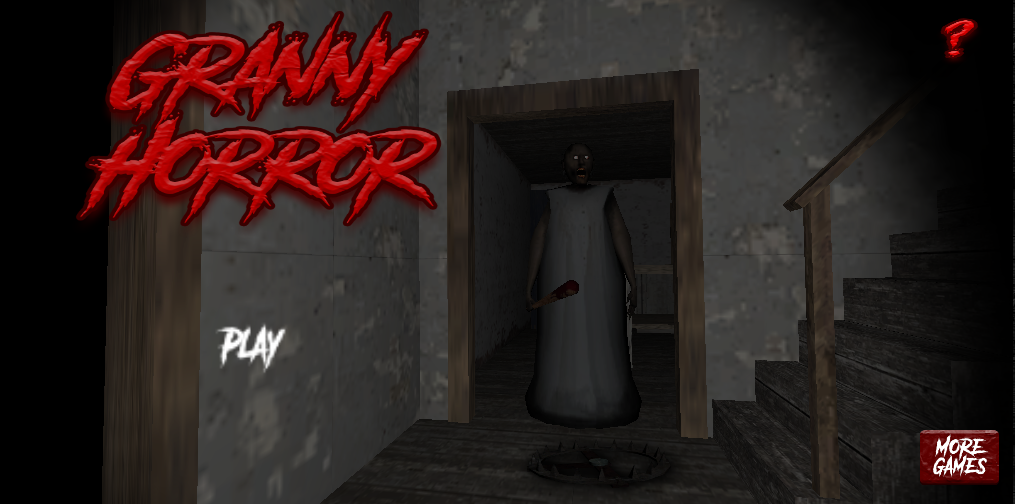
Introduction to Granny and Survival Horror Design
Granny is a survival horror game that has captured global attention through simple mechanics and intense atmosphere. Developed as a mobile horror experience, Granny places players inside a dark house filled with danger, mystery, and constant tension. The objective appears simple: escape within five days. However, every movement creates risk, and every sound can attract a terrifying presence.
The game relies on minimal storytelling and environmental clues rather than long dialogue sequences. This design choice increases immersion and forces players to focus on survival. Silence becomes essential. Strategy becomes necessary. Panic often becomes unavoidable.
Granny stands out in the horror genre because it combines puzzle solving with stealth mechanics. Instead of fighting enemies, players must hide, think carefully, and plan each action. The result is a horror experience that feels personal and immediate.
Core Gameplay Mechanics and Survival Strategy
Stealth Movement and Sound Awareness
One of the most important mechanics in Granny involves sound detection. Dropping an object, stepping on noisy surfaces, or triggering traps can alert the enemy. When noise occurs, danger quickly follows. The enemy moves toward the source of sound, increasing tension and forcing players to hide under beds, inside wardrobes, or behind furniture.
This mechanic teaches patience. Fast movement often leads to failure. Slow and calculated exploration increases survival chances. Each room must be entered carefully. Each object must be handled with caution.
The artificial intelligence system reacts quickly, creating unpredictable encounters. Even experienced players feel pressure because no situation feels completely safe.
Puzzle Solving and Item Collection
Escape requires collecting tools scattered throughout the house. Keys unlock doors. Cutting tools remove obstacles. Mechanical parts repair escape routes. Each item has a purpose, but inventory space remains limited. Players must decide which items to carry and which to leave behind.
This limitation adds strategic depth. Planning routes becomes necessary. Memorizing item locations becomes helpful. Trial and error becomes part of the learning process.
Hidden passages and locked containers encourage exploration. However, exploration increases exposure to danger. The balance between risk and reward defines the gameplay loop of Granny.
Atmosphere and Psychological Tension
Minimal Visual Style with Maximum Impact
Granny does not rely on complex graphics or cinematic effects. Instead, it uses dark corridors, limited lighting, and simple textures to create fear. Shadows hide movement. Dim lighting creates uncertainty. Narrow hallways increase claustrophobic tension.
The environment feels confined and oppressive. Windows rarely provide comfort. Doors often lead to more danger rather than safety. This consistent design reinforces vulnerability.
The sound design plays a major role. Floor creaks, distant footsteps, and sudden noises create constant anxiety. Even silence becomes threatening because it suggests something is about to happen.
Fear Through Pursuit Rather Than Combat
Many horror games allow players to fight back. Granny removes that option. Without weapons or direct defense, players feel powerless. This design choice intensifies fear.
Chase sequences create adrenaline-filled moments. When discovered, running becomes the only option. However, running increases noise and may attract further danger. Quick decision making becomes critical.
The lack of combat encourages strategic thinking instead of aggression. Players must observe patterns and adapt rather than confront threats directly.
Difficulty Levels and Replay Value
Adjustable Challenge for Different Players
Granny includes multiple difficulty settings. Easier modes reduce speed and remove certain traps. Harder modes increase danger and limit opportunities. This flexibility allows beginners to learn mechanics while offering experienced players greater challenges.
Higher difficulty increases tension dramatically. Limited hiding spots and faster enemy reactions create near constant pressure. Success under these conditions feels rewarding and satisfying.
Difficulty variation also extends replay value. Players return to test new strategies or attempt faster escape times.
Multiple Escape Routes and Endings
The house contains different escape methods. Players may unlock the main door, repair a vehicle, or discover hidden pathways. Each method requires unique items and specific sequences of actions.
This variety encourages experimentation. One playthrough may focus on a door escape, while another attempt may explore alternative solutions. Unpredictable item placement enhances replayability further.
Every session feels slightly different due to changing object locations and player decisions.
Cultural Impact and Popularity
Rise Through Online Streaming Platforms
Granny gained massive popularity through online video platforms and live streaming communities. Content creators recorded reactions, jump scares, and strategic attempts. Audience engagement increased rapidly because viewers enjoyed watching intense moments unfold.
The simplicity of controls made the game accessible to a broad audience. Mobile availability allowed players to download and experience horror without expensive hardware.
Viral sharing contributed significantly to widespread recognition. Short clips of sudden encounters circulated widely on social media platforms.
Influence on Mobile Horror Genre
Granny inspired numerous similar games featuring stealth, puzzle solving, and confined environments. The formula proved effective: limited resources, unpredictable threat, and immersive tension.
Developers recognized that high production budgets were not necessary to create fear. Atmosphere and mechanics proved more important than visual realism.
As a result, mobile horror expanded significantly after the success of Granny.
Strategy Tips for Surviving the House
Learn the Layout Early
Understanding the house structure increases survival probability. Early exploration should focus on identifying hiding spots and escape routes. Memorizing staircase locations and shortcut paths reduces panic during chases.
Familiarity builds confidence. Confidence reduces mistakes.
Manage Noise Carefully
Avoid unnecessary actions. Dropping objects intentionally can distract danger, but accidental noise often leads to capture. Move slowly when possible. Close doors behind movement to create barriers.
Patience remains the strongest survival tool.
Plan Inventory Usage
Since only a limited number of items can be carried, efficient planning becomes critical. Leave items near central locations for easier retrieval. Avoid carrying tools without immediate purpose.
Strategic placement saves time and reduces risk during later stages.
Emotional Experience and Player Engagement
Granny creates emotional intensity through vulnerability and uncertainty. Each new attempt begins with hope and caution. Early exploration feels tense but manageable. As days pass, pressure increases.
Mistakes carry consequences. Being captured results in lost time and limited chances. The five day structure adds urgency without overwhelming players immediately.
This balance between fairness and difficulty keeps players engaged. Even after failure, the desire to try again remains strong. Improvement feels measurable. Escape feels earned.
Conclusion: Enduring Appeal of Granny
Granny remains a powerful example of effective horror design on mobile platforms. Through stealth mechanics, puzzle elements, and psychological tension, the game delivers memorable experiences without relying on complex graphics or heavy storytelling.
Its influence continues within the horror genre. Replay value, adjustable difficulty, and multiple escape methods ensure lasting engagement. The emotional intensity created through vulnerability and pursuit keeps players invested from beginning to end.
0