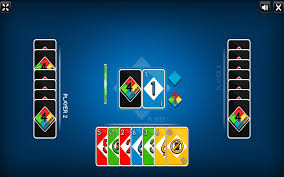
Think Uno Online ? You probably think of frantic card-slinging, yelling “Uno!”, and the sweet, sweet victory of emptying your hand before everyone else. But what if I told you there’s a subtle, almost hidden store management game lurking within the familiar rules?We’ve all been there. You’re playing Uno, and someone throws down a +4, leaving you groaning and picking up a huge stack. It feels like a punishment, but what if that +4, and all the cards you accumulate throughout the game, were actually resources?
What if each game of Uno was a miniature business cycle, where your hand represented your inventory, and each card played was a strategic decision impacting your “store’s” profitability?This isn’t a formal, coded-in game mode, of course. It’s a mental exercise, a way to add a layer of strategic depth to a game many of us already know and love.It’s about re-framing the familiar chaos of Uno into something a little more… organized. It’s about becoming an accidental entrepreneur on the digital card table.
Gameplay: Running Your Uno Emporium
The core principle is simple: each card in your hand represents a potential product or resource.Your goal isn’t just to win the round; it’s to manage your resources (cards) efficiently and strategically, maximizing your “profit” (scoring points) while minimizing your “losses” (remaining cards at the end of the round).
Inventory Management (Your Hand)
Your hand is your inventory. A balanced inventory, with a mix of colors, numbers, and action cards, is crucial.Just like a real store, you don’t want to be overloaded with one type of item while lacking others. Too many blues and no skips? That’s like having a mountain of unsold blue widgets gathering dust.
Demand Forecasting (Opponent’s Plays)
Pay attention to what your opponents are playing. Are they constantly shedding blue cards? That suggests a lower demand for blue items in your “market” (the discard pile).Conversely, if everyone is desperately trying to get rid of red cards, that indicates high demand. This informs your decisions on which cards to prioritize playing.
Pricing Strategy (Card Selection)
Each card has a different “value.” A simple number card is like a basic commodity; easily sold but with low profit margins (few points).Action cards, especially +4s and Wilds, are like specialized items with higher profit margins (more points) but also higher risk (holding onto them for too long).Deciding which “product” to sell (play) based on current market conditions and your inventory is key.
Supply Chain Management (Drawing Cards)
Drawing cards is akin to restocking your inventory. Too many unnecessary draws will increase your “holding costs” (more cards in your hand, higher potential penalty).Use draw cards strategically, either to disrupt opponents’ inventory or to replenish your own when facing specific shortages.
Risk Management (Action Card Usage)
Action cards are powerful tools, but they also present risks. A +4, while potentially devastating to an opponent, can also backfire if they reverse it back on you.Similarly, skipping a player might be beneficial in the short term, but it can also leave you vulnerable to another opponent playing a high-value card.Weigh the potential risks and rewards before playing each action card.
Financial Analysis (Scoring)
At the end of each round, analyze your performance. How many cards were you left with? What types of cards?Did you effectively manage your inventory and capitalize on market opportunities? This analysis informs your strategy for the next round.Tips for Maximizing Your Uno Emporium’s Profit
Here are some actionable tips to help you become a better Uno store manager:
Diversify your inventory
Observe your competitors
Use action cards strategically
Don’t be afraid to draw cards
Think long-term
Practice regularly
Embrace the chaos
Conclusion: From Cards to Commerce – A New Way to Play
By viewing Uno through the lens of store management, you can transform a simple card game into a surprisingly engaging strategic experience.It adds a layer of depth and complexity that can make even seasoned Uno players think differently about their choices.This isn’t about replacing the fun and excitement of Uno with spreadsheets and business plans. It’s about enriching the game by applying real-world principles in a playful and engaging way.
0
Rate this business
Have you heard of this business? Do you like it? How do you like it?
Check out if it is in the list of Top Rated Small Businesses