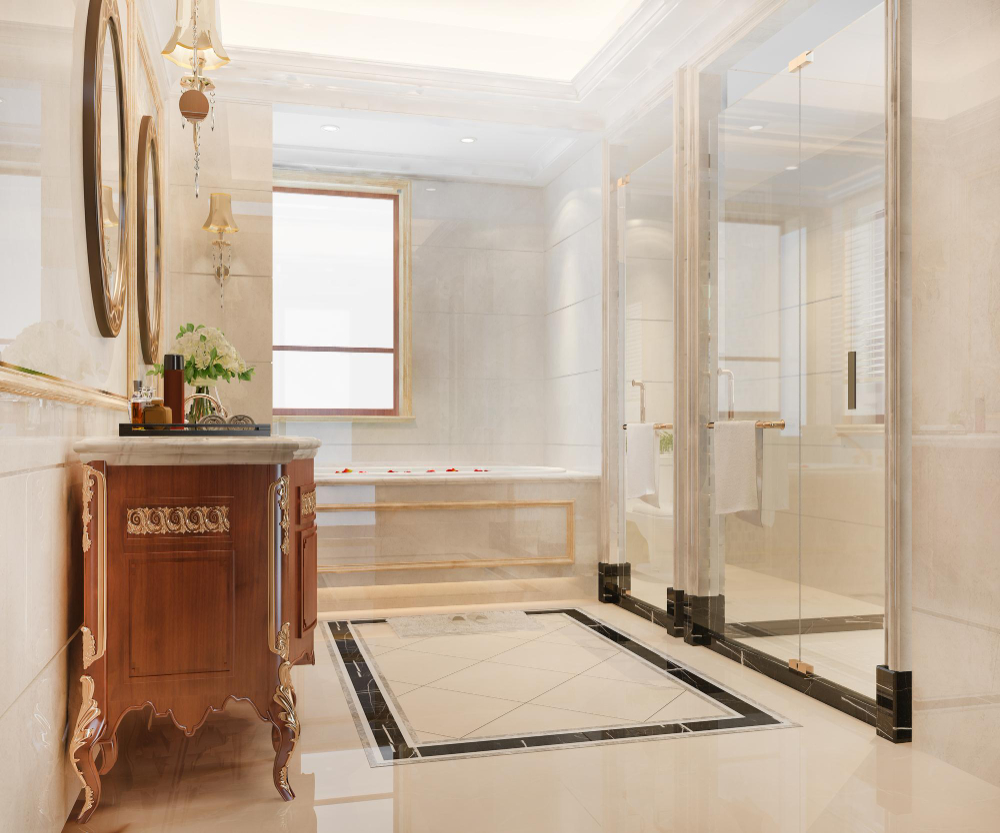
Freestanding tubs have become a centerpiece of modern bathroom design. Their sculptural shapes create a spa-like focal point, but pairing them with the right shower enclosure requires thoughtful planning. The goal is to create a space where both elements feel intentional, balanced, and visually connected.
This guide explains how to choose a shower enclosure that enhances—not competes with—your freestanding tub, including when Corner Frameless Shower Enclosures are the best design match.
1. Understanding the Role of a Freestanding Tub in Bathroom Design
Freestanding tubs naturally draw attention. Their purpose extends beyond everyday use—
they set the tone for the entire bathroom.
Why They Matter
Serve as a dramatic visual focal point
Introduce graceful curves into the design
Complement both modern and classic styles
Encourage spacious, open layouts
Because they command attention, your shower enclosure should complement their presence, not overpower it.
2. Prioritizing Balance: Shower Placement & Layout
The relationship between the tub and shower enclosure depends on layout and flow.
Side-by-Side Arrangement
Ideal for longer bathrooms
Creates a cohesive bathing zone
Simplifies plumbing
Across-the-Room Placement
Works in large spaces
Allows the tub to stand alone as a sculpture
Gives each feature its own visual importance
Corner Shower + Centered Tub
Perfect for maximizing space
Often uses Corner Frameless Shower Enclosures for clean angles
Tub remains the central visual anchor
The goal: both fixtures feel intentional, harmonious, and well-proportioned.
3. Why Frameless Shower Enclosures Pair Best
Frameless systems are almost always the top choice when designing around a freestanding tub.
Key Advantages
Clear sightlines that keep the tub visible
Minimal hardware for a light, airy feel
Seamless integration with modern bathroom styles
Easy to maintain and visually uncluttered
This is especially true for Corner Frameless Shower Enclosures, which create a polished architectural frame around the tub without stealing attention.
4. Choosing the Right Type of Shower Enclosure
4.1. Sliding (Bypass) Shower Doors
Sliding doors are a popular option, especially when the tub sits close to the shower.
Why They Work
No door swing interfering with tub space
Streamlined movement
Great for alcove or compact showers
Best For
Narrow bathrooms
Layouts focused on clean, horizontal lines
4.2. Hinged (Swinging) Shower Doors
Swinging doors add a sense of openness and luxury.
Why They Pair Well With Tubs
Wide, elegant entry
Mimics high-end spa designs
Works beautifully with tall glass panels
Best For
Larger bathrooms
Walk-in or freestanding glass shower configurations
4.3. Walk-In Shower Panels
Walk-in showers use fixed glass panels to create an effortless, open layout.
Why They Stand Out
Zero moving parts for minimal visual distraction
Spa-like simplicity
Perfect match for sculptural freestanding tubs
Best For
Open-concept designs
Homes that prioritize accessibility
Modern, minimalistic spaces
Walk-in designs also integrate effortlessly with Corner Frameless Shower Enclosures when used for corner layouts.
5. Matching Design Elements for a Cohesive Look
A cohesive bathroom blends the aesthetics of the tub and the shower.
5.1. Complementary Glass Height
Extra-tall glass suits modern, deep-sided tubs
Standard height works for more classic designs
5.2. Hardware Finish Coordination
Mirror your tub fixtures for a unified look.
Popular finishes:
Chrome
Matte black
Brushed nickel
Satin brass
Even in Corner Frameless Shower Enclosures, matching hardware makes the whole room feel intentional.
5.3. Matching Curves & Lines
Freestanding tubs often have soft, rounded edges. You can complement this with:
Clean rectangular glass for contrast
Curved-edge glass for a softer pairing
Minimal hardware to avoid competing with the tub’s shape
6. Tile & Wall Choices That Tie Everything Together
Tile selection helps unify the tub and shower design.
For a Seamless Look
Use the same tile behind the tub and inside the shower
Choose neutral tones to highlight the tub’s form
Opt for soft textures over bold patterns
For a Statement Look
Create a shared feature wall behind both the shower and tub
Use large-format tiles for modern continuity
Consider vertical tile layouts for height and visual flow
Tile should anchor the design—not overwhelm it.
7. Practical Considerations Before Selecting an Enclosure
1. Door Swing Clearance
Critical when choosing a hinged shower door.
2. Distance Between Fixtures
Ensure comfortable movement between tub and shower.
3. Ventilation
Both the tub and enclosure benefit from proper airflow.
4. Maintenance
Frameless glass (especially in corner layouts) is easiest to keep clean.
8. When to Choose Sliding vs Hinged vs Walk-In
Bathroom Size Best Option Why
Small / Narrow Sliding Door No swing space needed
Medium Hinged Door Elegant, spacious entry
Large / Spa-Like Walk-In / Corner Frameless Enhances open, luxury feel
Shower Enclosures
Conclusion
A freestanding tub sets a tone of elegance and relaxation—your shower enclosure should complement that harmony. Whether you choose a sliding door, a hinged design, a walk-in panel, or Corner Frameless Shower Enclosures, the goal is balance and cohesion. By aligning hardware finishes, glass styles, tile selections, and layout, you can create a beautifully unified space where both features shine.
Rate this business
Have you heard of this business? Do you like it? How do you like it?
Check out if it is in the list of Top Rated Small Businesses