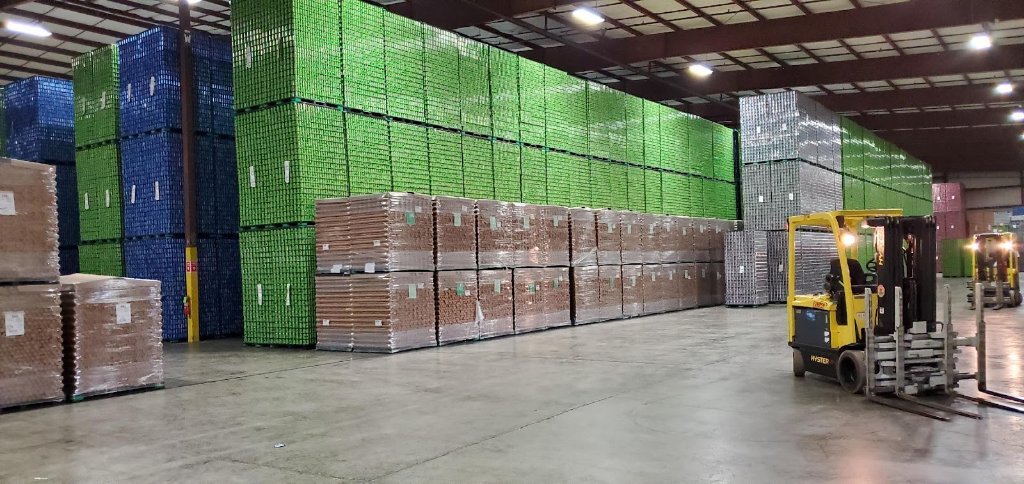
In the modern supply chain, the beverage industry operates under a unique set of pressures. Between stringent FDA regulations, strict temperature control requirements, and the high-volume volatility of seasonal demand, storing liquid products is far more complex than simple pallet storage.
If you are a distributor, manufacturer, or brand owner looking to scale your footprint in the Northeast, the strategic choice of location is paramount. Beverage warehousing in PA has emerged as the gold standard for companies looking to balance accessibility, cost-efficiency, and operational excellence.
In this guide, we’ll explore why Pennsylvania is the logistics hub of the East Coast and how the right warehousing partner can revitalize your beverage supply chain.
The Strategic Advantage of Pennsylvania
Pennsylvania occupies a “Goldilocks” position in the US geography—it is close enough to the dense urban centers of the Northeast to allow for same-day delivery, yet cost-effective enough to maintain large-scale operations.
1. Proximity to Major Markets
When you position your inventory in a beverage warehouse in PA, you are within a one-day drive of over 40% of the U.S. population. This includes the massive consumer bases of New York, New Jersey, Philadelphia, Baltimore, and Washington, D.C. For beverage brands, this reduces “last-mile” costs significantly and ensures that retail shelves—from local craft beer shops to major big-box grocery stores—remain stocked without the need for expensive expedited shipping.
2. Robust Infrastructure
Pennsylvania’s logistics infrastructure is world-class. With a dense network of major interstates (I-95, I-76, I-81, and I-78), companies can move products from warehouse to retail point with minimal transit friction. Whether you are moving craft soda, bottled water, or alcoholic beverages, the ability to utilize multi-modal transport via PA’s rail lines and the Port of Philadelphia offers a level of supply chain resilience that other states struggle to match.
Overcoming the Unique Challenges of Beverage Logistics
Beverage products are not “set it and forget it” commodities. They require specialized handling that general-purpose warehousing often fails to provide. When evaluating a partner for beverage warehousing in PA, look for capabilities that address these three core challenges:
Temperature Control and Integrity
Many beverages—especially craft ciders, wines, and natural juices—are sensitive to extreme heat or freezing cold. A specialized beverage warehouse will offer climate-controlled environments that maintain product integrity, extending shelf life and preventing spoilage. Proper thermal regulation is not just about keeping liquid cool; it’s about protecting the brand reputation from compromised product quality.
FDA Compliance and Traceability
The beverage industry is subject to strict oversight. Warehouses must adhere to FDA guidelines regarding sanitation, pest control, and food-grade storage. Furthermore, in the event of a quality control issue, a robust warehouse management system (WMS) is essential for lot tracking and batch rotation (FIFO/FEFO—First In, First Out / First Expired, First Out). The right PA partner will have these systems baked into their daily operations.
High-Velocity Throughput and Seasonality
Beverage demand is notoriously cyclical. From the spike in demand for sparkling waters in the summer to the holiday beverage rush, your warehousing needs are likely to fluctuate. A professional beverage warehousing facility in PA provides the scalability you need, allowing you to expand your footprint during peak months and contract during slower periods, ensuring you aren’t paying for wasted space.
Why Outsourcing Beats Self-Storage
Many emerging brands start by leasing their own space, believing it to be the most cost-effective route. However, as the business scales, the hidden costs of self-managed warehousing—labor, insurance, climate control infrastructure, and technology maintenance—often outweigh the benefits.
By outsourcing to a professional 3PL (Third-Party Logistics) provider specializing in beverage warehousing in PA, you gain:
Economies of Scale: You benefit from shared resources and negotiated freight rates that are typically reserved for much larger corporations.
Technology Integration: Modern 3PLs use advanced EDI (Electronic Data Interchange) and WMS software that integrates directly with your e-commerce platform or ERP. This gives you real-time visibility into your inventory levels from anywhere in the world.
Operational Focus: By offloading logistics to experts, your team can focus on what they do best: developing great products, marketing your brand, and growing your customer base.
Key Questions to Ask Your Potential PA Warehouse Partner
Before signing a contract, vet your logistics provider with these essential questions:
“Are your facilities food-grade certified and FDA-compliant?”
“Do you offer specific temperature zones, and how do you monitor for fluctuations?”
“What is your capability for case-picking vs. full-pallet shipping?” (Essential for retailers who require mixed-case orders).
“How does your WMS integrate with our current ordering system?”
“Do you have experience managing alcohol-related inventory or hazardous materials (if applicable)?”
The Path Forward: Choosing the Right Partner
The beverage industry is fiercely competitive. The companies that win are those that can get their product from the tank to the customer’s glass with the fewest delays and the highest quality control.
By leveraging beverage warehousing PA, you align your operations with the pulse of the East Coast market and take advantage of a logistics ecosystem designed for efficiency. Whether you are a local brewery looking to expand distribution or a national importer needing a regional distribution hub, the right partner in Pennsylvania provides the infrastructure, the technology, and the expertise to help you quench the market’s thirst.
0
Rate this business
Have you heard of this business? Do you like it? How do you like it?
Check out if it is in the list of Top Rated Small Businesses