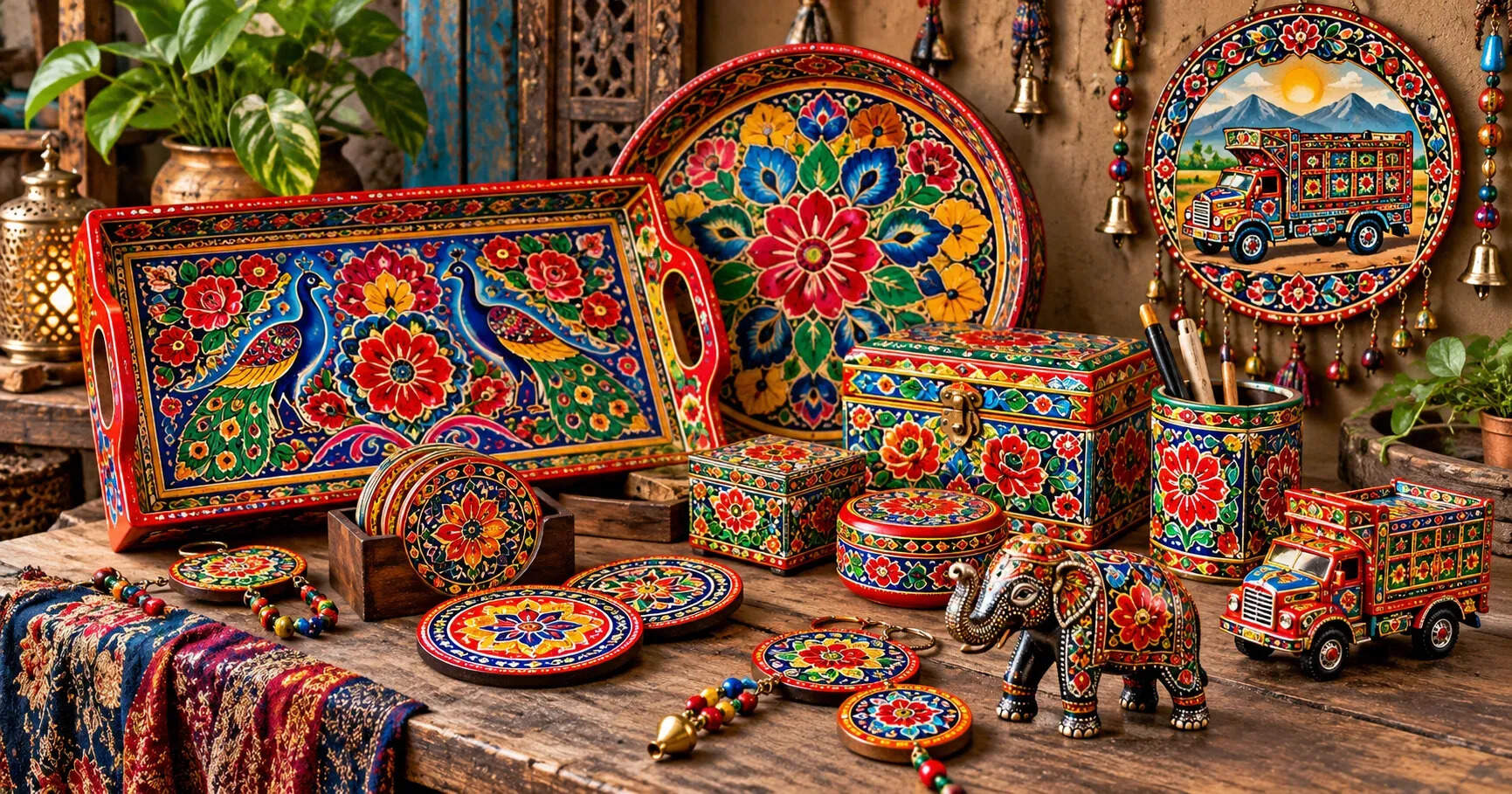
A beautiful room does not always need expensive furniture, designer accessories, or a complete renovation. Sometimes, a few colorful details can make an ordinary space feel lively, welcoming, and full of personality. One creative way to achieve this transformation is through traditional Pakistani artwork, which combines bright colors, meaningful patterns, and skilled craftsmanship to create memorable decorative pieces.
Truck art is widely recognized for its vibrant designs, detailed paintings, floral patterns, and expressive cultural symbols. Although it traditionally decorates trucks and other vehicles in Pakistan, this artistic style has also become popular in modern homes. From painted trays and decorative plates to wall hangings and small ornaments, these handmade items can bring character to almost any room.
The beauty of Truck art lies in its ability to turn simple objects into eye-catching decorative features. A plain wall can become a colorful focal point, a basic coffee table can look more interesting, and a quiet corner can develop a distinctive identity. With thoughtful placement and balanced colors, this traditional craft can complement contemporary interiors while celebrating Pakistani culture.
Understanding how to incorporate these artistic elements into a home helps homeowners create attractive spaces without spending too much money. Whether someone prefers a modern apartment, a traditional living room, or a cozy bedroom, there are many practical ways to introduce colorful artwork while maintaining comfort and visual harmony.
Beauty of Traditional Truck Art
A Colorful Expression of Pakistani Culture
Pakistani truck art is more than a decorative style. It represents creativity, cultural identity, and the dedication of skilled artisans. Traditionally, artists decorate trucks with elaborate paintings, colorful geometric shapes, flowers, birds, landscapes, and symbolic images. These designs transform ordinary vehicles into moving displays of artistic expression.
The colors often include red, yellow, blue, green, orange, and white. Their bold combinations create a cheerful appearance that immediately attracts attention. Artists may also incorporate mirrors, painted lettering, carved wooden elements, and decorative metalwork.
When these artistic traditions enter home interiors, they introduce a distinctive combination of heritage and modern design. Instead of relying entirely on neutral furniture and simple accessories, homeowners can add objects that tell a story and reflect a rich cultural tradition.
Why This Art Works in Modern Interiors
Modern decorating often emphasizes clean lines, uncluttered surfaces, and carefully selected colors. Although these principles create attractive spaces, an interior can sometimes feel too plain or lack personality.
Traditional Pakistani artwork offers a simple solution. Its lively patterns introduce contrast, while its handmade qualities create warmth and individuality. A single painted accessory can add visual interest without requiring major changes to the room.
The key is choosing pieces that complement the existing furniture, wall colors, and lighting. A colorful object can become a striking feature when surrounded by simpler decorative elements.
Transform Plain Walls Into Attractive Focal Points
Create a Decorative Gallery Wall
Empty walls can make a room feel unfinished. One of the easiest ways to improve their appearance is by creating a small gallery of colorful decorative pieces.
Painted wooden panels, decorative plates, framed traditional patterns, and handcrafted wall hangings can work together to create an attractive arrangement. Choose pieces with related colors or repeating motifs so that the display feels connected rather than random.
For example, a living room with white walls and beige furniture could feature three or four decorative pieces in blue, red, and yellow. These colors would immediately attract attention while creating a lively contrast against the neutral background.
Choose the Right Size and Placement
The size of the artwork should match the available wall space. A large decorative panel may work well above a sofa, while smaller pieces are better suited to narrow walls or compact rooms.
Hang artwork at a comfortable viewing height and leave enough space between individual pieces. This allows every design to remain visible.
Avoid covering every available section of the wall. Leaving some empty space makes the arrangement feel organized and helps the colorful artwork stand out.
Give Ordinary Furniture a Creative Makeover
Refresh Tables and Shelves
Furniture does not need to be replaced simply because it looks plain. Adding carefully chosen accessories can change its appearance and make the entire room feel more inviting.
A handmade painted tray placed on a wooden coffee table can become an attractive centerpiece. It can hold a small plant, a candle, or a few decorative objects while adding a splash of color.
Similarly, a simple bookshelf can become more interesting with painted wooden boxes, small decorative ornaments, or colorful containers. These accessories introduce artistic details without taking away the furniture’s practical purpose.
Combine Traditional Details With Modern Furniture
Traditional artwork can look particularly attractive when paired with contemporary furniture. For instance, a simple gray sofa can provide a calm background for colorful cushions or a painted side table.
A modern wooden dining table can also be complemented by handmade serving trays or decorative plates displayed nearby. The contrast between simple furniture and intricate patterns creates visual balance.
Rather than decorating every piece of furniture, select one or two areas for stronger colors. This approach helps the room remain comfortable and avoids an overcrowded appearance.
Add Personality to Bedrooms
Introduce Color Through Small Accessories
Bedrooms should feel restful, comfortable, and personal. Bright decorative elements can enhance the space without interfering with its relaxing atmosphere.
Small painted boxes, bedside trays, framed artwork, and handcrafted ornaments can add character to a bedroom. Place these items on a bedside table, dresser, or shelf where they can be appreciated without creating clutter.
If the bedroom features white bedding and light-colored furniture, accessories with turquoise, red, or yellow details can introduce warmth and contrast.
Balance Bold Patterns With Soft Textures
A bedroom does not need to be filled with bright colors to benefit from traditional artwork. Instead, combine one or two colorful pieces with soft fabrics, neutral bedding, and warm lighting.
For example, a small decorative panel above a desk can create an interesting feature while leaving the sleeping area visually calm.
This balance allows the room to express creativity while remaining suitable for relaxation.
Make Living Rooms More Welcoming
Use Decorative Trays and Centerpieces
Living rooms are often the main gathering places in a home. Their decoration should reflect the household’s personality while creating a welcoming atmosphere for visitors.
A painted tray placed on a coffee table can become a conversation starter. Choose a design featuring floral patterns, geometric shapes, or traditional motifs that complement the room’s existing colors.
Decorative bowls, small painted boxes, and handcrafted ornaments can also enhance side tables and console tables.
The most effective arrangements combine different heights and textures. A painted tray beside a small plant or a stack of books can create a balanced display without requiring many accessories.
Create a Cultural Conversation Corner
A quiet corner can become a distinctive feature when decorated with traditional artwork. Place a comfortable chair beside a small table, add a handmade accessory, and hang a colorful panel on the nearby wall.
This arrangement can create a welcoming place for reading, drinking tea, or talking with guests.
The combination of comfortable furniture and expressive artwork gives the corner a personal character. It also demonstrates how cultural decoration can fit naturally into everyday living spaces.
Brighten Dining Areas and Kitchens
Decorate With Painted Trays and Plates
Kitchens and dining areas often contain practical objects that can also serve decorative purposes. Hand-painted trays, decorative plates, and colorful storage containers can bring artistic detail into these spaces.
A painted tray placed on a dining table can hold napkins, a small vase, or other lightweight accessories. Decorative plates can be displayed on a shelf or mounted securely on a wall.
These items work particularly well in kitchens with plain cabinets and neutral countertops because their colors create contrast.
Keep Functionality in Mind
Decorative accessories should remain suitable for their intended use. Not every painted object is food-safe, waterproof, or suitable for frequent washing.
Before using a handmade tray for serving food, check whether its materials and finish are appropriate for direct food contact. Otherwise, use it as a decorative base for items such as cups, wrapped snacks, or small containers.
Keep delicate artwork away from cooking splashes, excessive heat, and areas where grease can accumulate. Simple precautions help preserve the appearance of handmade pieces.
Introduce Artistic Details Into Small Spaces
Decorate Entryways and Hallways
Small entryways can benefit from colorful artwork because even one decorative object can make the area feel more inviting.
A painted tray on a narrow console table, a small framed design, or a handcrafted wall hanging can create a welcoming first impression. These details make an entryway feel intentional rather than empty.
For narrow hallways, consider using vertical arrangements or compact wall decorations. Avoid placing large accessories where they obstruct movement.
Improve Unused Corners
An unused corner does not always need additional furniture. Sometimes, a colorful decorative object, a small plant, and a wall hanging are enough to give the area a purpose.
For example, a painted wooden stool can serve as a display stand for a plant or decorative bowl. A small artwork placed above it can connect the two elements visually.
This approach is especially useful in apartments and smaller homes, where every section of the room should contribute to the overall design.
Choose Colors That Complement Your Existing Decor
Work With Neutral Backgrounds
White, beige, gray, cream, and light brown provide excellent backgrounds for colorful artwork. These shades allow intricate patterns to stand out without making the room feel visually crowded.
A single red-and-yellow decorative piece can become a focal point against a cream wall. Similarly, blue and green patterns can complement light wooden furniture.
When selecting accessories, identify two or three colors already present in the room. Choosing artwork that repeats at least one of those colors can create a more connected appearance.
Create Harmony With Bold Colors
Bright colors can work together beautifully, but they require thoughtful placement. If several decorative pieces feature different patterns, look for a shared color that links them.
For example, a red floral tray, a blue decorative plate, and a yellow wall hanging can look coordinated if their designs contain small amounts of the same complementary colors.
Avoid introducing too many unrelated decorative styles at once. A consistent color palette allows the artwork to remain expressive while supporting the room’s overall appearance.
Mix Traditional Craftsmanship With Contemporary Design
Combine Different Materials
One advantage of handmade artwork is its ability to complement a variety of materials. Painted wood, metal, glass, cotton, and natural fibers can create interesting contrasts when used thoughtfully.
A traditional painted tray can look attractive on a modern glass coffee table. A colorful wooden ornament can add warmth to a metal shelf, while a decorative panel can soften the appearance of a plain concrete wall.
These combinations help prevent the room from feeling too uniform.
Appreciate Handmade Differences
Handcrafted objects may contain slight variations in color, linework, and pattern. These differences are often part of their appeal because they reflect the work of individual artisans.
Instead of expecting every item to look identical, appreciate the individuality of each piece. When shopping, examine the quality of the finish, the durability of the materials, and the care taken with the details.
Buying from skilled craftspeople can also help preserve traditional artistic techniques and support the communities that continue to practice them.
Decorate on a Budget Without Sacrificing Style
Start With One Statement Piece
Transforming a room does not require purchasing an entire collection. Begin with one item that will make a noticeable difference, such as a decorative tray, wall hanging, or painted wooden accessory.
Observe how the item looks in the room before adding more pieces. This allows you to understand which colors and patterns work best with your furniture.
Gradually adding accessories also makes it easier to control spending and avoid buying unnecessary decorations.
Repurpose Existing Items
You can also refresh objects you already own. A plain wooden tray, an old storage box, or a small shelf may provide a suitable base for a new decorative design.
If you plan to paint an item yourself, select materials appropriate for its surface and intended use. Prepare the surface properly, use suitable paints, and apply a compatible protective finish when necessary.
For intricate traditional designs, consider purchasing handmade work from an experienced artisan. The skill involved in detailed patterns can make professionally crafted pieces especially appealing.
Maintain Your Decorative Pieces Properly
Protect Colors and Surfaces
Handmade accessories can remain attractive for years when handled carefully. Dust them regularly with a soft, dry cloth, and follow any care instructions supplied by the maker.
Avoid harsh cleaning chemicals unless the finish is specifically designed to withstand them. Excessive moisture can damage some wooden objects, painted surfaces, and decorative materials.
Keep delicate items away from prolonged direct sunlight, which may cause certain pigments and finishes to fade over time.
Choose Appropriate Display Locations
The location of each accessory affects its lifespan. Place delicate objects where they are unlikely to be knocked over, exposed to excessive heat, or damaged by everyday activities.
For wall-mounted decorations, use secure fittings appropriate for the item’s weight and the wall material. In homes with children or pets, position fragile ornaments beyond easy reach.
Regular care protects both the appearance and the value of handmade artwork.
Common Decorating Mistakes to Avoid
Using Too Many Bright Patterns
Although colorful designs are an important feature of traditional Pakistani artwork, covering every surface with bold patterns can make a room feel crowded.
Choose a few noticeable pieces and allow simpler furniture, plain walls, and open spaces to balance them.
Ignoring Scale and Proportion
A very small accessory may disappear on a large wall, while an oversized decoration can overwhelm a narrow shelf.
Consider the dimensions of the space before purchasing an item. The artwork should be large enough to attract attention without interfering with the room’s function.
Forgetting Practical Needs
Decorative objects should not make daily activities more difficult. Keep frequently used surfaces reasonably clear, avoid placing fragile pieces in busy walkways, and select materials that suit the conditions of each room.
Good decoration combines beauty with usefulness.
Step-by-Step Guide to Transforming a Simple Room
Step One: Assess the Existing Space
Begin by observing the room’s wall colors, furniture, lighting, and available surfaces. Identify areas that look empty or lack personality.
Choose one area to improve first, such as the wall above a sofa, a bedside table, or an entryway.
Step Two: Select a Decorating Style
Decide whether you prefer a colorful cultural display, a subtle modern arrangement, or a mixture of traditional and contemporary elements.
This decision will help you choose accessories that share a consistent appearance.
Step Three: Choose Two or Three Main Colors
Select colors that complement your existing furniture. You can use neutral backgrounds to support bold designs or repeat existing accent colors to create harmony.
Step Four: Add a Focal Piece
Introduce one handmade accessory that attracts attention. A decorative tray, painted panel, or traditional wall hanging can provide a starting point for the rest of the arrangement.
Step Five: Build Around the Main Piece
Add only a few supporting objects, such as a plant, a book, or a simple decorative bowl. Vary their heights and textures while maintaining enough empty space.
Step Six: Review the Result
Step back and observe the arrangement from different parts of the room. Remove unnecessary items if the display feels crowded, or introduce a small complementary accessory if it appears incomplete.
The goal is to create a room that feels balanced, personal, and comfortable rather than simply filling every available space.
Conclusion
Traditional Pakistani artwork offers a practical and creative way to transform simple room decor. Its colorful patterns, cultural significance, and handmade character can bring life to plain walls, refresh ordinary furniture, and make small spaces feel more welcoming. From decorative trays and painted plates to wall hangings and handcrafted ornaments, even a single carefully chosen accessory can change how a room looks and feels.
The secret to successful decorating is balance. Bright patterns work best when paired with suitable backgrounds, coordinated colors, and enough open space. By selecting pieces that complement existing furniture, homeowners can introduce cultural details without making their interiors feel crowded or disorganized.
Another important advantage is flexibility. These decorative objects can be used in living rooms, bedrooms, kitchens, dining areas, and entryways. They can also suit different budgets because homeowners can begin with one statement piece and gradually build a collection as their preferences develop.
Choosing handmade items can provide additional value by supporting skilled artisans and preserving traditional craftsmanship. Each carefully painted object represents time, creativity, and knowledge passed through generations. Bringing these pieces into the home allows their artistic qualities to become part of everyday life.
Ultimately, the beauty of truck art lies in its ability to make ordinary surroundings feel distinctive. With thoughtful placement, appropriate care, and a little creativity, homeowners can turn simple rooms into expressive spaces that celebrate color, culture, and individuality. A successful transformation does not depend on expensive furniture or dramatic renovations. It begins with choosing meaningful details and arranging them in a way that makes the home feel more personal, comfortable, and inviting.
FAQs
How can truck art make a simple room look more attractive?
Truck art can make a simple room look more attractive by introducing bright colors, detailed patterns, and unique handmade decorations. Items such as painted trays, decorative plates, wall hangings, and wooden ornaments can turn plain walls and ordinary furniture into interesting visual features. These accessories add personality without requiring expensive furniture or major renovations.
For the best results, choose pieces that complement your existing color scheme and furniture. A single colorful decoration against a neutral background can create an attractive focal point, while a few coordinated accessories can make the room feel more welcoming and expressive.
Can truck art decorations work with modern interior design?
Yes, truck art decorations can complement modern interior design beautifully. Contemporary interiors often feature simple furniture, neutral colors, and uncluttered spaces, which provide an excellent background for traditional artwork. A colorful tray on a glass coffee table or a painted wooden panel above a minimalist sofa can create an appealing contrast between traditional craftsmanship and modern style.
The key is to maintain balance. Rather than filling the entire room with bold patterns, select a few meaningful decorative pieces and repeat some of their colors elsewhere in the space. This approach allows traditional artwork to stand out while preserving the clean, organized appearance of modern interiors.
Which truck art accessories are best for decorating small rooms?
Painted trays, small wooden ornaments, decorative plates, framed artwork, and compact wall hangings are excellent choices for small rooms. These accessories introduce color and personality without occupying too much floor space. Wall-mounted decorations are especially useful because they can enhance an empty wall while leaving tables, shelves, and walkways available for everyday use.
When decorating a small room, avoid using too many large or brightly patterned objects together. Choose one statement piece and support it with a few smaller accessories that share similar colors. This creates a coordinated appearance while keeping the room comfortable, practical, and visually spacious.
How can truck art help decorate a home on a budget?
Truck art can help homeowners refresh their interiors without spending money on new furniture or expensive renovations. A single handmade tray, painted box, or decorative wall hanging can make an ordinary space feel more interesting. Homeowners can begin with an affordable accessory and gradually add other pieces as their budget allows.
Another option is to repurpose existing objects, such as plain wooden trays or storage boxes, by decorating them with suitable paints and traditional patterns. However, it is important to choose materials that match the item’s intended use and to apply an appropriate protective finish. Thoughtful placement and creativity can often make a greater difference than purchasing many decorative products.
How can I maintain truck art decorations and keep their colors bright?
To maintain truck art decorations, clean them gently with a soft, dry cloth and follow any care instructions provided by the artisan. Avoid harsh cleaning chemicals and excessive moisture, especially when caring for painted wooden objects. These precautions help protect the artwork’s surface and prevent unnecessary damage to delicate decorative details.
It is also helpful to keep handmade pieces away from prolonged direct sunlight, excessive heat, and damp areas. Display fragile ornaments in secure locations where they are less likely to fall or become damaged. With suitable care and careful placement, these colorful accessories can remain attractive for years while continuing to bring cultural character and warmth to your home.
0
0
Rate this business
Have you heard of this business? Do you like it? How do you like it?
Check out if it is in the list of Top Rated Small Businesses