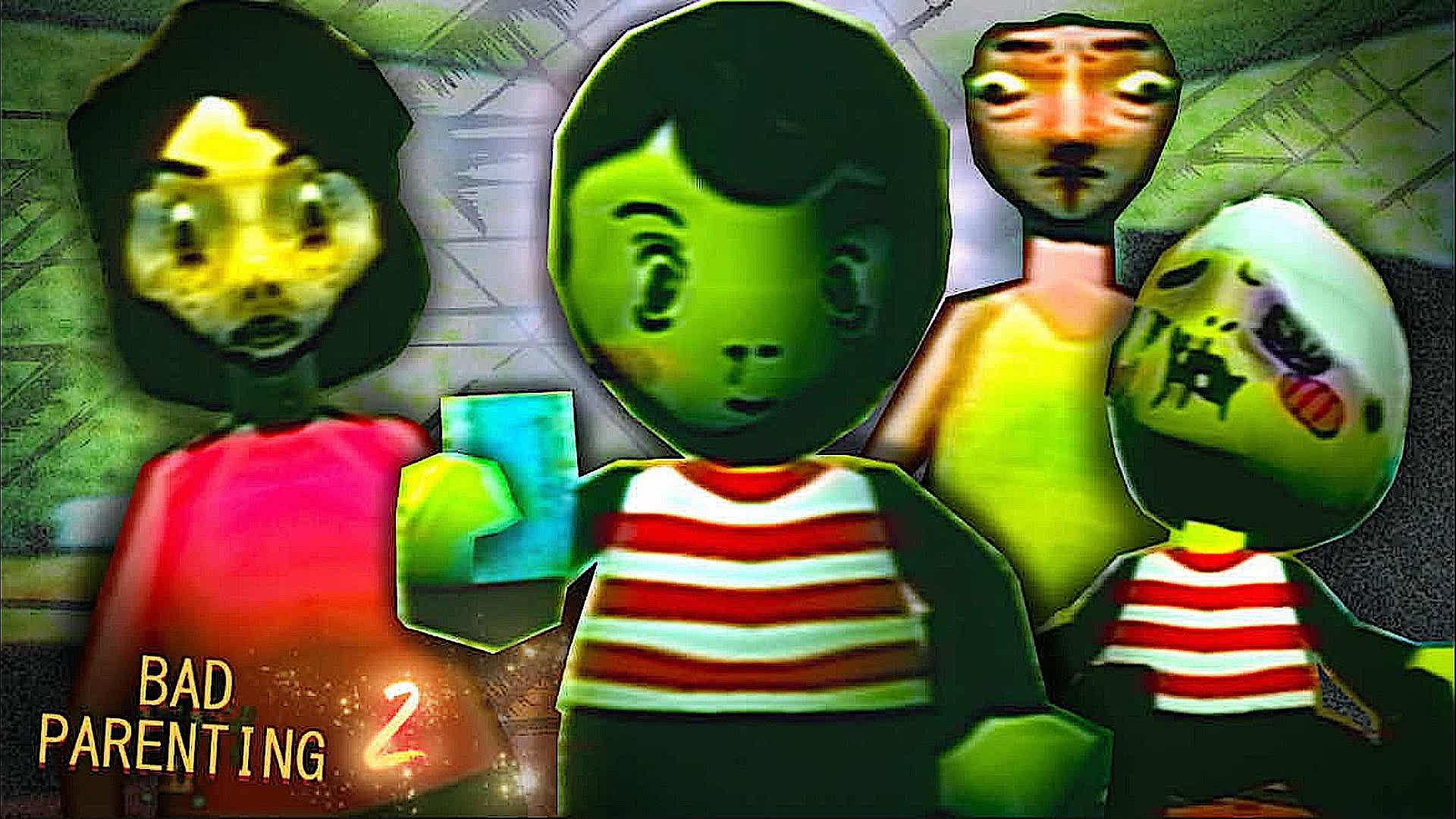
Horror games are supposed to scare us. We know that going in. But after a while, even the scariest jump scares and creepiest monsters start to blur together. You’ve seen one abandoned hospital, you’ve seen them all. The real magic happens when a horror game finds a new way to get under your skin — not with what’s hiding in the dark, but with what’s already standing in the light.
That’s where Bad parenting comes in. It’s not your typical survival horror experience, and that’s exactly what makes it worth talking about. If you’re tired of the same haunted house formula, here’s how to approach a game like this — and a few tips to make sure you actually survive the experience instead of noping out after ten minutes.
Start With Your Mindset, Not Your Weapons
Most horror games hand you a flashlight with flickering batteries and maybe a rusty pipe and call it a day. The tension comes from being underpowered against whatever is chasing you. But when the horror is rooted in something like bad parenting, the threat isn’t a monster you can shoot. It’s emotional. It’s psychological. It’s the kind of fear that lingers after you close the game.
So before you dive in, adjust your expectations. This isn’t a game where you “win” by having the fastest reflexes. You play it by paying attention, by reading between the lines, and by letting yourself sit with uncomfortable feelings. Treat it like an interactive short story rather than an action challenge. The scariest moments won’t be announced by a screeching violin sting — they’ll creep up on you in a quiet conversation or a seemingly normal room that feels just slightly wrong.
Tip: Play with headphones and in a dark room, not because you need to hear enemy footsteps, but because the atmosphere deserves your full attention. Ambient sound design in narrative-driven horror does half the heavy lifting.
How to Navigate When There’s No Map
Games like this often don’t hold your hand. There’s no objective marker telling you where to go next, no glowing item highlighting your path. You explore by instinct. You piece together the story from environmental details — a note on the fridge, a half-finished drawing, a room that’s been locked for reasons that slowly become clear.
Don’t rush. Click on everything. Read every scrap of text. Open drawers. Look at photos. The story isn’t delivered in cutscenes; it’s buried in the details you’d normally walk past. If you’ve ever played Gone Home or What Remains of Edith Finch, you already know the rhythm. If you haven’t, think of it as being a detective, except the crime is something you’re starting to understand hits uncomfortably close to home.
Tip: If you feel stuck, stop moving and look around the room you’re in. 90% of the time, you missed something sitting right in front of you because you were anxious to move to the next area. Horror games thrive on that anxiety, but you need to fight it.
Let the Story Hit You
Here’s the thing about a game centered on bad parenting — you might recognize pieces of it. Not necessarily your own experience, but something you’ve seen, heard about, or wondered about. That’s the point. The most effective horror doesn’t show you a monster; it shows you a mirror.
Don’t armor yourself with sarcasm or detachment. I know it’s tempting — we all do it to cope with uncomfortable media. But you’ll get so much more out of the experience if you let yourself feel uncomfortable. Pause if you need to. Sit with a scene before moving on. Talk about it with someone afterward. The best horror games are the ones that stay with you for days, not because they scared you, but because they made you think.
Tip: Keep a notebook or a notes app open while you play. Jot down your thoughts after each major scene. You don’t need to share it anywhere, but writing helps you process. And when you’re done, you’ll have a record of your personal journey through the game — which is honestly more interesting than any walkthrough.
Final Words — Pace Yourself
Horror games that lean on emotional weight rather than action can be surprisingly exhausting. You might find yourself needing breaks more often than you expected. That’s normal. That’s actually a good sign — it means the game is working. Don’t force yourself to binge through it in one sitting. Let it breathe.
Whether you’re playing Bad parenting or any other narrative horror title, the golden rule is the same: the experience is what you bring to it. Go in with an open heart and a patient mind, and you’ll come out the other side with a story that stays with you long after the credits roll. And honestly? That’s the whole point of playing horror in the first place.
0