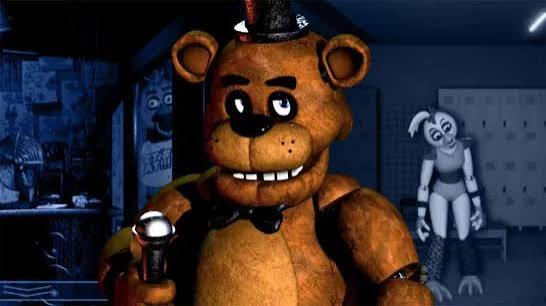
Five Nights at Freddy’s — the name alone is enough to make seasoned horror fans smile and newcomers hesitate. What looks like a cheerful cartoon pizzeria becomes something entirely different after hours, and there’s a reason this simple game became a cultural phenomenon and spawned a whole franchise. If you’ve been curious but never worked up the courage to sit behind that security desk, or if you’ve tried and failed spectacularly on Night One, this guide is for you. Let’s walk through how to actually experience one of the most cleverly designed horror games ever made.
What’s Actually Happening Here?
Before we talk strategy, let’s set the scene. You play as a night security guard at Freddy Fazbear’s Pizza, a family restaurant that looks innocent enough during the day. The problem? The restaurant’s animatronic entertainers — Freddy, Bonnie, Chica, and the darting fox Foxy — don’t shut down when the doors close. After midnight, they wander the building, and they seem to have developed some very unfriendly intentions toward anyone still inside.
Here’s the twist that makes this game brilliant: you can’t run, and you can’t fight. You’re stuck in a single office, watching through a clunky security camera system, managing limited power, and deciding when to hit the lights and slam the doors. That’s it. That’s your whole toolkit. And somehow, that tiny toolkit creates one of the most tense experiences in gaming. Try a round yourself at Fnaf if you want to feel it firsthand — the simplicity is part of the magic.
The Real Game Is Managing Your Nerves (and Your Power)
The core loop is deceptively simple, but mastering it is where the anxiety lives. Every single action you take — flipping up the cameras, checking the hallway lights, closing a door — drains the same shared power supply. Run out of juice before 6 AM and the building goes dark, your doors slide open, and you’re helpless. So every decision is a small gamble.
The four animatronics aren’t just random threats. Each one has its own route and personality:
Bonnie and Chica approach from the sides; Bonnie is fond of the left door, Chica the right.
Foxy lurks in the back hallway and sprints at you when you neglect to check on him.
Freddy is the slow, patient one — but the music box chime that signals his movement is a sound you’ll learn to dread.
Early nights are about building habits: peek at the cameras, glance left, glance right, keep an ear out. Later nights demand speed and discipline. You’ll need to listen as much as you look, because audio cues — footsteps, that faint music-box melody — tell you where a threat is before you ever see it.
Tips to Survive More Than One Night
Jumping in cold is fine, but a little preparation goes a long way. Here are the things I wish someone had told me before my first shift:
1. Resist the camera habit. New players tend to keep the cameras up constantly because it feels like control. But every second the monitor is open (or the doors are closed) drains power. Let the cameras come down between checks and you’ll stretch your supply much further.
2. Learn the sounds before you learn the screens. The game rewards your ears as much as your eyes. Footsteps tell you who’s coming and from where. If you hear something moving but don’t see anything, it’s worth a light check on that side.
3. Don’t camp behind one closed door. Slamming a door shut and leaving it feels safe, but it eats your power alarmingly fast. Use the doors deliberately — flick the light, confirm the threat, close the door, and reopen it once they’ve moved on.
4. Trust the pattern, not your panic. The animatronics follow routines. Once you learn the route flow for a given night, the game shifts from pure fear into a rhythm you can control. Staying calm beats staying scared.
5. Expect to lose. That’s the point. Dying on Night One, Two, or even Three is completely normal. Every failure teaches you a little more about the timing. Don’t treat it as defeat — treat it as intelligence gathering.
Why You Should Give It a Chance
Here’s what I love about this game that I don’t think gets enough credit: it’s fair once you understand it, and it respects the player’s growing skill. The jump scares get you early, but as you learn the systems, the game gradually shifts from a scream machine into a precision resource-management puzzle wearing a horror costume. That’s a genuinely rare combination.
And there’s more waiting beneath the surface. The phone calls, the hidden details, the scattered environmental clues — they all build toward a larger, genuinely eerie story across the series. Once you survive your first full week, a fifth “custom night” opens up, letting you set your own difficulty for each character. That’s where dedicated fans spend dozens of hours refining their skills.
Final Thoughts
Five Nights at Freddy’s earned its legendary status for a reason. It proves that horror doesn’t need open worlds, expensive graphics, or complicated controls — sometimes it just needs a dark room, a flickering camera, and the creeping realization that something in the hallway is moving toward you. Whether you’re here for the scares, the strategy, or just to see what all the fuss is about, I genuinely recommend giving that night shift a try.
Take a slow breath, flip up the camera, and remember: the doors won’t close themselves. Happy surviving — and I hope you make it to 6 AM.
0