Professional Leather Repairs

We are a professional leather repairs company in staffordshire with a team of up to date trained technicians offering mobile restoration work on your furniture and automotive interiors plus much more. Compared to the cost of buying new having your leather items repaired and restored will work out considerably cheaper and our technicians can achieve outstanding results for all your leather sofa repairs in staffordshire and car interiors.

0

Mavonorm Exhibit Inc

Mavonorm Exhibit Inc is a reliable choice for custom exhibition stall fabricators USA, providing creative and functional exhibition solutions for businesses across various industries. We specialize in custom stall design, fabrication, booth construction, installation, and dismantling. Our team develops tailored exhibition stalls that reflect your brand identity, showcase your products, and make the best use of your exhibition space. From concept planning to final setup, we focus on quality materials, practical layouts, and professional execution. Whether you need a compact stall or a large exhibition space, we deliver solutions suited to your goals, requirements, and budget.


Soho Intregrative Medicine

SOHO Integrative Medicine in Bakersfield, CA offers integrative care combining modern medicine and holistic therapies. Dr. Torabi and her compassionate team provide personalized treatment plans focused on improving patient health and overall wellbeing.

Address: 3550 Q St. #301,Bakersfield,California,CA 93301,United States
Phone no.: +1 6614044445
Email: torabi888@gmail.com
Visit: https://renovatebody.com/

Advance Appliance

Advance Appliance Ltd. provides professional appliance repair services across Edmonton, Calgary, and Red Deer. Our licensed and trained technicians service a wide range of household appliances, including refrigerators, washers, dryers, ovens, dishwashers, cooktops, and built-in units.
We support homeowners, landlords, and property managers with reliable diagnostics, transparent pricing, and timely service options. Whether your appliance is not cooling, not heating, leaking, or showing error codes, our team is ready to help with dependable repair solutions across Alberta.

https://advanceappliance.ca/

0

Clean Melbourne Professional

At Clean Melbourne Professional, we are driven by our unwavering commitment to cleanliness and our passion for creating immaculate spaces that elevate your environment. With years of experience in the industry, we have established ourselves as a trusted provider of top-quality cleaning services.Our commitment to using advanced technology sets us apart and guarantees a level of cleaning excellence that surpasses expectations.

0

Custom Cardboard Boxes for Cosmetics, Electronics, and Personal Care Products

Cardboard boxes are used across many industries because they can be produced in different sizes, shapes, and structures. From skincare creams and makeup products to electronic accessories and everyday personal care items, each product has its own packaging requirements. Custom cardboard boxes allow businesses to choose packaging that fits the product, accommodates essential information, and supports its storage, display, and distribution needs.

Although cosmetics, electronics, and personal care products may use similar box styles, their packaging requirements are not identical. Cosmetics often need packaging that presents the product clearly, electronic items may require inserts or additional cushioning, and personal care products need enough space for bottles, tubes, or accessories. Understanding these differences helps businesses select cardboard packaging that works for their products.

Why Custom Cardboard Boxes Suit Different Industries
Cardboard packaging is available in various grades and structures, making it suitable for a wide range of products. Businesses can choose compact cartons for small items, larger boxes for product kits, or reinforced packaging for products that require additional support.

Custom dimensions can also reduce unnecessary empty space. A properly sized box can keep a product in position and make it easier to arrange packages on shelves or in storage areas.

Another advantage is the printable surface. Cardboard boxes can display product names, instructions, logos, ingredients, and other relevant information. The design can vary by industry while maintaining a consistent visual identity across a company’s product range.

However, the packaging should be selected according to the product’s actual needs. A carton designed for lightweight cosmetics may not provide enough strength for a heavy electronic device.

Custom Cardboard Boxes for Cosmetics
Cosmetic products often compete for attention in retail stores and online marketplaces. Packaging is one of the first things customers see, so the box should present the product clearly while providing suitable protection.

Packaging for Makeup Products
Foundations, lipsticks, mascaras, eyeshadow palettes, and other makeup products come in different shapes and sizes. Their packaging needs to accommodate the product without leaving excessive space or placing pressure on delicate containers.

Small cardboard cartons can work for individual makeup items, while larger boxes may be needed for palettes or bundled product sets. Internal supports can help keep items in place when a package contains several products.

The box design should also leave room for relevant product information, such as the product name, shade, quantity, or usage details where applicable.

Skincare and Cosmetic Packaging
Skincare products such as moisturizers, serums, cleansers, and face creams are often sold in jars, tubes, or bottles. Custom cardboard boxes can be designed around these different container types.

For glass skincare bottles, a fitted insert may help limit movement inside the box. For lightweight tubes, a standard folding carton may be sufficient if its dimensions and material provide adequate support.

Businesses should also consider whether the product needs an inner container or other protective layer. Cardboard packaging can support the outer presentation, but it does not replace the primary packaging needed to contain the cosmetic product.

Designing Cosmetic Boxes for Retail Shelves
Cosmetic cartons often use printed colors, product names, illustrations, and other visual elements to distinguish one product from another. A consistent layout can help customers recognize a brand across several product categories.

The design should remain readable rather than placing too much information on the available surface. Important details should be easy to locate, particularly when customers need to compare shades, product types, or quantities.

Finishes such as matte or gloss coatings can be considered according to the design and material requirements. These options should be chosen with the intended use and recycling considerations in mind.

Custom Cardboard Boxes for Electronics
Electronic products may need packaging that protects small components, keeps accessories organized, and reduces movement during handling. The correct box structure depends on the item’s weight, shape, fragility, and shipping conditions.

Boxes for Electronic Accessories
Chargers, cables, adapters, headphones, and similar accessories can often be packaged in compact cardboard cartons. When a box contains several components, internal dividers or inserts can keep the items separated.

A fitted insert may also prevent cables from shifting around or small accessories from becoming tangled with other components. The insert should be designed around the complete product rather than just the main item.

For retail products, the package may also need space for compatibility details, model information, usage instructions, and other relevant product specifications.

Packaging for Fragile Electronic Devices
Some electronic products contain sensitive components or delicate external surfaces. A cardboard box can provide structural support, but the outer carton alone may not offer sufficient cushioning against impacts.

Depending on the product, packaging may require corrugated board, molded-pulp inserts, foam supports, or other protective components. These should hold the device securely without putting pressure on screens, buttons, connectors, or fragile edges.

Businesses shipping electronic products should test the complete packaging system under realistic handling conditions. A package that looks sturdy on a shelf may perform differently when exposed to vibration, stacking, or accidental drops.

Organizing Cables and Additional Components
Many electronics packages contain more than one item. A device might come with a charging cable, instruction booklet, adapter, or other accessories.

Custom cardboard inserts can create separate spaces for these components. This helps keep the package organized and makes it easier for customers to identify the contents when opening the box.

The arrangement should also make packing straightforward. If staff need to force accessories into tight spaces or fold components awkwardly, the internal layout may need revision.

Custom Cardboard Boxes for Personal Care Products
Personal care products include shampoos, conditioners, soaps, deodorants, shaving products, lotions, oral care items, and grooming accessories. These products vary considerably in size and packaging format.

Packaging for Bottles and Tubes
Shampoo bottles, lotions, and other liquid products may require cardboard cartons for retail presentation or additional protection during distribution. The box should accommodate the container’s height, width, cap, and any other protruding features.

If a product is prone to leakage, its primary container and closure must provide the necessary protection. An outer cardboard carton should not be treated as a substitute for a secure bottle or tube.

For products sold in multipacks, internal dividers can help separate containers and reduce contact between them.

Boxes for Soap and Grooming Products
Bar soaps, shaving accessories, brushes, and similar personal care items can use different cardboard packaging structures. Simple folding cartons may suit individual products, while gift sets may need larger boxes with separate compartments.

Soap packaging should account for the product’s moisture sensitivity and any oils or fragrances that could affect the material. The packaging material and inner barrier, if required, should be selected according to the soap formulation and storage conditions.

For grooming kits, inserts can hold several accessories in an organized arrangement. This is useful when the package contains items with different shapes or sizes.

Packaging for Personal Care Kits
Personal care kits may combine several related products, such as travel-size bottles, skincare items, grooming tools, or hygiene accessories. A custom cardboard box can bring these items together in one package.

The internal layout should keep the products stable while allowing customers to remove them easily. A compartment for each item can improve organization, but the design should not add unnecessary bulk.

Businesses should measure the full set before choosing the box dimensions. Measuring only the largest item may result in insufficient space for the remaining products or the inserts.

Choosing the Right Cardboard Material
Material selection influences the box’s strength, weight, print quality, and suitability for the product.

Paperboard for Lightweight Products
Paperboard is commonly used for folding cartons containing cosmetics, soap, small accessories, and other relatively lightweight items. It provides a printable surface and can be cut and folded into a variety of structures.

The appropriate board thickness depends on the size and weight of the product. Very thin board may bend under pressure, while unnecessarily heavy board can increase material use and storage requirements.

Corrugated Cardboard for Added Support
Corrugated cardboard contains a fluted layer between liner sheets. This structure can provide additional stiffness and may be useful for heavier products or shipping applications.

It is often considered for electronics, larger personal care kits, and products that need stronger outer packaging. The required grade depends on the weight of the contents and the conditions the box will encounter.

Recycled and Responsibly Sourced Materials
Businesses may consider cardboard made with recycled content or materials sourced from responsibly managed forests. The suitability of a particular option depends on the product’s protection requirements, printing needs, and local recycling systems.

Packaging size also matters. A box that fits the product efficiently may reduce unnecessary material use, provided it still offers adequate support.

Selecting the Right Box Style
Different box structures serve different purposes. The best option depends on the product, how it will be packed, and where it will be sold.

Folding cartons are commonly used for cosmetics, soaps, and small personal care items. Tuck-end boxes provide a straightforward opening and closure, while auto-lock bases may be useful when a stronger bottom is needed for packing.

Corrugated cartons can provide added support for shipping and heavier items. Boxes with inserts are useful when a package contains fragile products or multiple components that need separate spaces.

Before selecting a structure, businesses should consider assembly time, storage space, product weight, and how easily the customer can open the package. A practical design should work throughout the product’s handling process rather than focusing only on appearance.

Printing and Product Information
Custom cardboard boxes provide space for information that helps customers understand the product. Depending on the category, this may include the product name, size, ingredients, usage instructions, warnings, compatibility information, manufacturer details, or other applicable labeling.

Cosmetic and personal care packaging may have specific labeling requirements depending on the product and the market where it is sold. Electronic products may need model numbers, technical details, or handling information. Businesses should confirm the requirements that apply to their products rather than relying on a general packaging template.

The information should be arranged clearly, with readable text and enough contrast between the lettering and background. Branding can be included without making essential details difficult to find.

How to Test Custom Cardboard Packaging
A packaging sample helps identify issues before a large production order is placed. The actual product should be packed into the sample box so that its fit and handling can be evaluated.

Check whether the product moves excessively, whether the box closes securely, and whether the base supports the product’s weight. For electronics or glass cosmetic containers, inspect the insert and confirm that it keeps fragile components away from the outer walls.

Businesses should also test packaging under the conditions it is expected to face. Retail cartons and shipping cartons may need different levels of protection, particularly when products travel through parcel delivery networks.

If the packaging contains several items, test the complete set rather than evaluating each component separately. This can reveal problems with the compartment layout, packing process, or available space.

Final Thoughts
Custom cardboard boxes can serve cosmetics, electronics, and personal care products when their materials, dimensions, and structures are selected according to each product’s requirements. Cosmetic packaging often focuses on clear presentation, electronic boxes may need inserts and impact protection, and personal care packaging must accommodate bottles, tubes, soaps, and product kits.

The most suitable solution begins with the product’s size, weight, fragility, and intended use. By choosing an appropriate cardboard grade, planning the internal layout, organizing product information, and testing a sample, businesses can develop packaging that supports product protection, retail presentation, and efficient handling.

0

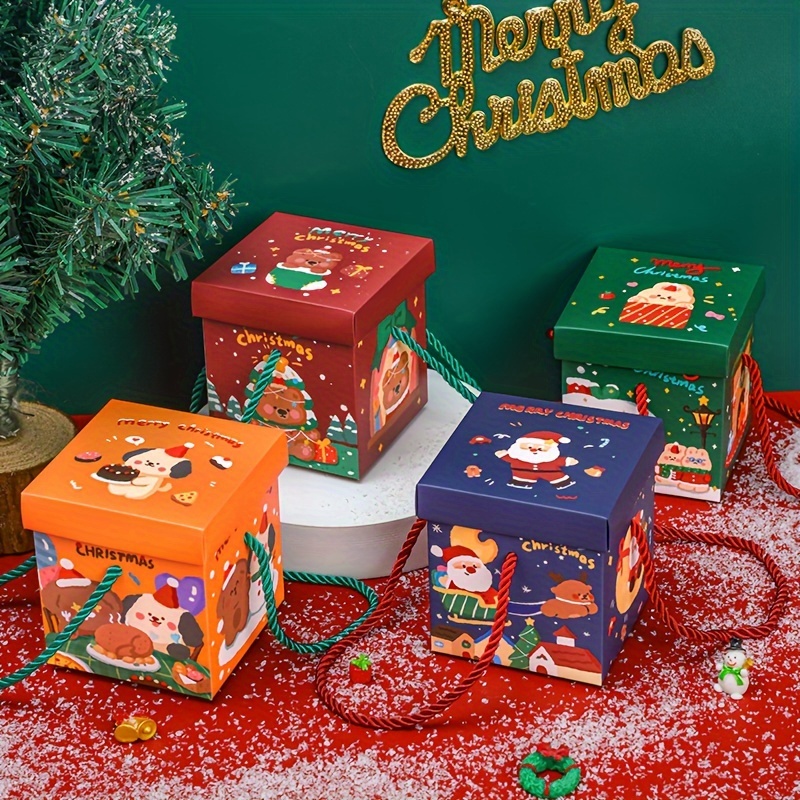
Christmas Packaging | Custom Holiday Boxes – Boxo Packaging

Celebrate the festive season with custom Christmas Packaging from Boxo Packaging. Create a memorable unboxing experience with stylish holiday boxes featuring vibrant colors, festive prints, premium finishes, and personalized designs. Perfect for gifts, candies, cookies, and retail products, our packaging helps protect your items while making every Christmas celebration extra special.

0

How to Build a Guest Communication Plan From Booking to Check-Out

Why Every Property Needs a Guest Communication Plan
A well-built plan is what turns scattered messages into a smooth, professional experience, because Guest Communication is most effective when every message is intentional, timely, and tied to a specific moment in the stay. At StayBnb, we have seen that hosts who communicate without a plan tend to react to problems instead of preventing them, which leads to confused guests, repeated questions, and avoidable low ratings. A clear plan removes guesswork, keeps your team aligned, and ensures no guest is left wondering what happens next. It also saves hours each week, since proven messages can be reused instead of rewritten. When StayBnb hosts adopt a structured Guest Communication plan, they usually notice faster replies, calmer check-ins, and stronger reviews. This guide walks you through each stage from the moment a reservation is made until the guest departs.

Start With a Quick Booking Confirmation
The first message after a reservation sets the tone for everything that follows, which makes it a critical part of your Guest Communication plan. Send a confirmation immediately, thanking the guest, restating the dates, number of guests, and total price, and letting them know when to expect more details. StayBnb recommends keeping this message warm, short, and reassuring, because new guests often feel a small wave of uncertainty after paying and want proof that everything is in order. Include your contact information and a promise to follow up with arrival instructions, so they know who to turn to. Hotels may add cancellation terms and available add-ons, while vacation rental hosts can mention house rules and a quick welcome. With StayBnb, this message can be sent automatically the second a booking arrives, so Guest Communication begins on a confident, professional note.

Send a Detailed Pre-Arrival Message Days Before Check-In
A few days before arrival, your Guest Communication should deliver everything the guest needs to reach your property and enter without stress. Include the full address, parking details, check-in and check-out times, access codes or key collection steps, Wi-Fi information, and any rules about noise, smoking, or pets. StayBnb advises organizing this information clearly, with short sections and simple language, so it is easy to read on a phone while traveling. Add helpful extras such as nearby restaurants, grocery stores, and transport options to show you care about the whole trip. This is also a good moment to ask about estimated arrival time and special occasions, which helps you prepare and personalize the stay. When StayBnb properties send a thorough arrival guide, guests arrive relaxed and informed, and Guest Communication shifts from basic logistics to genuine hospitality.

Add a Same-Day Arrival Reminder
On the morning of check-in, a short reminder can prevent confusion and make the first moments of the stay much smoother. This step in your Guest Communication plan should repeat only the most important details, such as the check-in time, entry method, and a direct number to call if anything goes wrong. StayBnb suggests keeping it brief and friendly, since guests are often traveling and need quick, easy-to-find answers. If you offer self check-in, resend the access instructions so they do not have to search through earlier messages. Hotels can use this moment to offer early check-in or an upgrade if rooms are ready. With StayBnb, hosts can schedule this reminder automatically, so Guest Communication stays reliable even on busy days and every guest feels expected and welcomed.

Make the Check-In Experience Welcoming
Check-in is the moment when planning meets reality, so your Guest Communication should make the arrival feel effortless and warm. For in-person arrivals, greet guests by name, offer a brief orientation, and point out key features such as the thermostat, kitchen basics, and emergency exits. For self check-in, make sure the instructions are tested, clear, and supported by a responsive contact in case of problems. StayBnb recommends leaving a welcome note or digital message that thanks guests for choosing your property and invites them to reach out at any time. Small touches such as a bottle of water, local snacks, or a handwritten card create a memorable first impression. When StayBnb hosts focus on this moment, Guest Communication moves beyond information and becomes a real expression of care that guests mention in their reviews.

Check In Shortly After Arrival
A few hours after guests settle in, a gentle message asking whether everything is comfortable is one of the most powerful steps in your Guest Communication plan. This simple note gives guests a private, low-pressure way to mention concerns, such as a noisy appliance, a missing item, or a confusing remote control. StayBnb recommends keeping the message short, friendly, and specific, and responding to any issue within minutes with an apology and a clear solution. Fixing a small problem quickly often leaves a stronger impression than a perfect stay, because guests remember how they were treated when something went wrong. Avoid sending too many messages, since the goal is support, not surveillance. With StayBnb, hosts can schedule this check-in automatically, keeping Guest Communication attentive without being intrusive.

Stay Available and Helpful During the Stay
Throughout the stay, your Guest Communication should feel like a quiet safety net that guests can rely on whenever they need it. Make your contact details easy to find, share a digital guidebook with local tips, and set clear response standards so guests know help is close. StayBnb advises respecting privacy while remaining visible, which means offering support without interrupting their trip. For longer stays, a mid-stay message can offer extra towels, cleaning services, or restaurant suggestions. Hotels can use front desk teams and messaging apps to stay reachable at all hours, while vacation rental hosts can assign a backup contact for emergencies. When StayBnb properties maintain this balance, Guest Communication feels calm and dependable, allowing guests to enjoy their time without worrying about logistics.

Send a Check-Out Reminder With Clear Instructions
As the stay ends, a clear check-out message helps guests leave smoothly and helps you prepare for the next arrival. This part of your Guest Communication plan should be sent the evening before or the morning of departure, listing the check-out time and any simple tasks, such as returning keys, locking doors, or placing used towels in a designated spot. StayBnb recommends keeping the tone appreciative rather than demanding, since long lists of chores can leave a negative final impression. Hotels can mention express check-out, luggage storage, or transport options, while vacation rental hosts can explain how to secure the property. Add a sincere thank-you and ask if there is anything you can do to make their departure easier. With StayBnb, Guest Communication at check-out stays friendly, organized, and respectful of the guest’s time.

Close the Loop With a Thank-You Message
Right after the guest leaves, a heartfelt thank-you completes the stay and keeps your property fresh in their memory, making it a natural final step in your Guest Communication plan. Mention a specific detail from their visit, such as their anniversary, a family gathering, or a recommendation they enjoyed, so the message feels personal. StayBnb suggests following this with a polite review request within a day or two, including a direct link to make the process easy. Invite them to return and consider offering a small incentive for direct bookings. Even though this stage falls just after check-out, it is the bridge between a good stay and a loyal customer. With StayBnb, hosts can automate the timing while still adding personal touches, so Guest Communication ends on a high note.

Final Thoughts on Your Guest Communication Plan
A strong Guest Communication plan from booking to check-out creates a consistent, reassuring experience that guests notice and appreciate at every stage. By sending a prompt confirmation, a detailed pre-arrival guide, a same-day reminder, a warm welcome, a timely check-in message, steady support, a clear check-out note, and a sincere thank-you, you build trust from start to finish. StayBnb is committed to helping hotels and vacation rental hosts put this plan into action with organized workflows, smart automation, and a guest-first mindset. Begin by drafting your templates, schedule them around key dates, and refine them using guest feedback. With StayBnb supporting your process, your Guest Communication can become a dependable advantage that earns five-star reviews, repeat bookings, and lasting loyalty.

What Is a Khoji Kutta? A Complete Guide to Tracking Dogs

What Is a Khoji Kutta? A Complete Guide to Tracking Dogs
A Khoji Kutta is a specially trained dog that uses its powerful sense of smell to follow scent trails and assist in different search operations. https://armydogcenterpk.com/ dogs can help trained handlers search for missing people, trace specific scents, and support certain investigations when appropriate. Their remarkable scent-detection abilities make them valuable working partners in search and rescue, security, and other specialized activities.

In Pakistan, the term “Khoji Kutta” is commonly associated with tracking dogs that help locate people or follow scent trails. These dogs rely on their natural instincts, specialized training, and cooperation with experienced handlers to perform their tasks.

Understanding what a Khoji Kutta is, how tracking dogs work, and where they are used can help people appreciate their abilities and limitations.

What Does Khoji Kutta Mean?
The term “Khoji Kutta” combines two commonly understood words. “Khoji” relates to searching or tracking, while “Kutta” means dog. Together, the phrase generally refers to a dog trained to search for or follow a scent trail.

Unlike an ordinary household pet, a professional tracking dog receives structured training to recognize particular scents and follow them under suitable conditions. Depending on its specialization, a working dog may assist with locating a person, searching an area, or supporting a professional investigation.

However, not every dog is suitable for professional tracking. Effective tracking requires appropriate temperament, physical fitness, consistent training, and a strong working relationship between the dog and its handler.

How Does a Khoji Kutta Work?
A Khoji Kutta primarily relies on its sense of smell. Dogs can detect and distinguish many odours that humans cannot easily recognize. They use this ability to gather information about their surroundings and identify scent trails.

1. Detecting Scent
The first stage of tracking involves detecting a scent relevant to the task. Human scent can originate from skin cells, sweat, and other biological sources. Scent particles may remain in an environment, although their availability varies.

A trained dog learns to recognize the scent information associated with its assigned task. The handler helps organize the search and ensures that the dog works within its training.

2. Following a Scent Trail
After detecting a relevant scent, the dog may begin following the trail. The path can be influenced by wind, temperature, rain, terrain, and other environmental conditions.

A dog does not simply follow visible footprints. Instead, it uses scent information to investigate and follow a possible route.

3. Working With a Professional Handler
A trained handler is essential to a tracking operation. The handler observes the dog’s behaviour, manages the search, and interprets the dog’s responses in context.

The handler must understand the dog’s abilities and limitations. Effective teamwork helps keep the operation organized and reduces the risk of misinterpreting the dog’s behaviour.

4. Completing the Search
A tracking operation may lead to a useful result, but success is never guaranteed. A scent trail may become difficult to follow, environmental conditions may interfere, or the dog may be unable to locate the intended target.

For this reason, a dog’s indication should not automatically be treated as proof that a particular person committed a crime. Any findings must be evaluated alongside other relevant evidence.

What Are Khoji Kuttay Used For?
Tracking dogs can support several types of professional searches. Their exact role depends on their training, the circumstances, and the organization using them.

Finding Missing People
Tracking dogs may assist search teams looking for missing individuals. A suitably trained dog can help investigate a scent trail when appropriate scent information is available.

Search operations may take place in rural areas, open fields, wooded environments, or other locations. Weather, terrain, the time elapsed since the person disappeared, and other factors can affect the search.

If someone goes missing, families should contact the police or relevant emergency authorities promptly. A private tracking service should not replace official reporting or organized search efforts.

Supporting Theft Investigations
In certain circumstances, tracking dogs may assist searches related to theft by following scent trails or searching a designated area.

However, their capabilities should not be exaggerated. A tracking dog cannot guarantee the recovery of stolen property or independently establish the identity of a criminal.

If a theft occurs, contact the police and avoid disturbing potentially relevant evidence. Any tracking activity should be handled responsibly and coordinated with the appropriate authorities when necessary.

Search and Rescue Operations
Search and rescue dogs are trained to help locate people who may be lost, injured, or trapped. Some specialize in following an individual scent trail, while others search wider areas for human scent.

These dogs can work alongside organized rescue teams in challenging environments. Their role requires physical conditioning, regular training, and effective communication between the dog and its handler.

Security and Detection Activities
Some working dogs are trained for specialized detection tasks. These may include detecting certain prohibited substances or identifying odours associated with particular security concerns.

Detection dogs and tracking dogs have different responsibilities. A dog trained to identify a specific substance should not automatically be assumed capable of tracking a person. Selecting the correct training for the intended task is essential.

Which Dog Breeds Are Used for Tracking?
Several breeds are known for their working abilities, but breed alone does not determine whether a dog will become an effective tracking dog. Individual temperament, scenting ability, health, and training are all important.

German Shepherd
German Shepherds are known for their intelligence, versatility, and ability to learn structured tasks. They are used in a variety of working roles, including some tracking, security, and search activities.

Their trainability and ability to cooperate with handlers make them suitable for many professional applications.

Belgian Malinois
Belgian Malinois are energetic, athletic dogs often associated with demanding working environments. They can learn complex tasks and respond well to structured training.

These dogs require experienced handling, appropriate exercise, and consistent mental stimulation.

Bloodhound
Bloodhounds are particularly well known for their scent-tracking abilities. Their strong scenting instincts have made them useful in specific tracking and search applications.

Nevertheless, any dog’s suitability depends on its individual capabilities, training, and the task it is expected to perform.

How Are Khoji Kuttay Trained?
Professional tracking dogs require consistent training, patience, and responsible care. Training often begins with basic obedience, helping the dog respond reliably to commands and work calmly with its handler.

Once the dog develops these foundational skills, trainers introduce structured scent-related exercises. Positive reinforcement helps encourage the desired behaviour, while gradual practice allows the dog to work in different environments.

Training may also focus on concentration, physical conditioning, confidence, and the ability to remain focused despite distractions.

Handlers require training as well. They must learn to interpret canine behaviour, manage search activities, recognize environmental challenges, and understand when a dog needs rest.

Proper welfare is essential throughout the process. Working dogs need suitable nutrition, clean water, veterinary care, exercise, rest, and humane training methods.

What Factors Affect a Tracking Dog’s Performance?
Even highly trained dogs face limitations. Several factors can influence how effectively a Khoji Kutta follows a scent trail.

Weather conditions: Wind, rain, and temperature can affect how scent information moves through an environment.

Age of the scent trail: Older trails may become more difficult to follow, depending on the surroundings and conditions.

Terrain: Grass, soil, paved roads, and built-up areas can influence the scent information available to the dog.

Environmental distractions: Other people, animals, and competing odours may complicate a search.

Training and experience: Regular practice and suitable training help dogs develop reliable working skills.

Handler expertise: Experienced handlers understand the dog’s behaviour and can manage a search more effectively.

These factors explain why tracking results differ from one situation to another. Responsible service providers should communicate realistic expectations rather than promise guaranteed results.

What Is the Difference Between a Khoji Kutta and a Sniffer Dog?
Although people sometimes use these terms interchangeably, tracking dogs and detection dogs generally perform different tasks.

A Khoji Kutta or tracking dog is trained to follow scent trails associated with a person or another target. Its work may involve following a trail through a particular area.

A sniffer dog or detection dog is trained to identify a target odour, such as a specific substance or material. Detection dogs may be used in authorized security checks and other specialized environments.

Search and rescue dogs can have additional specializations, including tracking an individual or searching an area for human scent.

The training required depends on the task. When requesting assistance, it is important to confirm that the dog has the appropriate specialization.

How to Choose a Khoji Kutta Service in Pakistan
People searching for a Khoji Kutta service in Pakistan should verify the provider before arranging assistance.

First, ask about the provider’s experience, the dog’s training, and the types of searches it can reasonably support. Confirm whether the service is available in your area and ask about the expected fees and conditions.

You should also ask what information is needed before a search and what factors may limit the results.

Be cautious of providers who promise guaranteed recovery, claim that a dog can identify a criminal with absolute certainty, or make unsupported claims about their capabilities.

For missing-person cases, theft, or other suspected crimes, contact the relevant police or emergency authorities. Private tracking assistance should not replace official investigations.

Frequently Asked Questions About Khoji Kutta
What is a Khoji Kutta?
A Khoji Kutta is generally a tracking or search dog trained to follow scent trails and assist in locating a person or another target.

Can a Khoji Kutta find a missing person?
A suitably trained dog may help search teams locate missing people. Results depend on scent availability, environmental conditions, training, and other circumstances.

Can a Khoji Kutta help in theft cases?
Tracking dogs may support certain searches or investigations, but they cannot guarantee that stolen property will be recovered or independently prove who committed a crime.

Are Khoji Kuttay available in Pakistan?
Availability varies by location and provider. Contact the relevant organization directly to verify its services, coverage, and credentials.

How accurate are tracking dogs?
Tracking dogs can perform valuable work, but their accuracy is not absolute. Weather, terrain, competing scents, training, and handler experience can affect results.

How long does it take to train a tracking dog?
Training time varies according to the dog’s abilities, the complexity of the task, and the training programme. Professional tracking requires ongoing practice rather than a fixed, universal training period.

Conclusion
A Khoji Kutta is a trained tracking dog that uses its powerful sense of smell to follow scent trails and assist in specialized search operations. In Pakistan, https://armydogcenterpk.com/ dogs may support missing-person searches, certain investigations, and other professional activities when suitable training and handling are available.

Understanding how tracking dogs work, the different roles they perform, and the factors that affect their abilities helps readers make informed decisions when seeking assistance.

Whether you are learning about working dogs or looking for a Khoji Kutta service in Pakistan, always verify the provider’s credentials, maintain realistic expectations, and contact the relevant authorities when dealing with emergencies or suspected crimes. Responsible training, proper care, and professional supervision are essential for safe and effective tracking operations.

0

0

0