Horizontal Lifeline Systems: Essential Fall Protection for Safe Work at Heights

Falls remain one of the leading causes of serious workplace injuries and fatalities across construction, maintenance, industrial, and roofing environments. Whenever workers operate at elevated locations, employers must implement effective fall protection strategies to minimize risk and maintain regulatory compliance.

Among the most effective solutions available today is the horizontal lifeline system, a versatile fall protection solution designed to provide continuous mobility and reliable fall arrest capabilities for workers operating across large work areas.

As organizations prioritize workplace safety, regulatory compliance, and operational efficiency, horizontal lifelines have become an essential component of comprehensive fall protection programs.

What Is a Horizontal Lifeline?
A horizontal lifeline (HLL) is a fall protection system consisting of a flexible cable, rope, or rail installed horizontally between anchor points. Workers connect to the lifeline using personal fall arrest equipment, allowing them to move freely while remaining continuously protected from fall hazards.

In simple terms, a horizontal lifeline enables workers to travel across roofs, elevated structures, and work platforms while maintaining a secure connection to an overhead anchorage system.

Key Components of a Horizontal Lifeline System
A typical system includes:

  • End anchorages
  • Intermediate supports
  • Lifeline cable or rail
  • Energy absorbers
  • Personal fall arrest systems (PFAS)
  • Harnesses and lanyards
  • Connection devices 

These components work together to reduce fall forces and protect workers during a fall event.

Why Is It Important for Workplace Safety?
Continuous Fall Protection
Unlike fixed anchor points that restrict movement, horizontal lifeline systems allow workers to travel across larger work areas while remaining connected.

Reduced Exposure to Fall Hazards
Benefits include:

  • Continuous tie-off protection
  • Greater worker mobility
  • Improved productivity
  • Reduced risk of swing falls
  • Enhanced access to work zones
  • Better compliance with safety standards
  • Protection Across Large Roof Areas

Facilities such as warehouses, manufacturing plants, distribution centers, and commercial buildings often feature expansive roof surfaces. Horizontal lifelines provide practical protection where multiple anchor points would otherwise be required.

Common Hazards Businesses Face
Organizations that perform work at height encounter numerous fall risks.

Roof Edge Falls
Workers conducting inspections, repairs, HVAC maintenance, or installations may be exposed to unprotected roof edges.

Fragile Roof Surfaces
Skylights, roof openings, and aging roofing materials can create hidden fall hazards.

Improper Anchorage
Using inadequate anchorage points may result in system failure during a fall event.

Limited Mobility
Traditional single-point anchorage systems often force workers to disconnect and reconnect repeatedly, increasing risk exposure.

Common Industries at Risk
Industries frequently utilizing horizontal lifelines include:

Construction
Roofing
Facility maintenance
Telecommunications
Energy and utilities
Manufacturing
Transportation infrastructure

How OSHA Addresses These Risks
OSHA Fall Protection Requirements
The Occupational Safety and Health Administration (OSHA) requires employers to protect workers exposed to fall hazards.

OSHA regulations emphasize:

Fall hazard assessments
Proper anchorage design
Qualified person oversight
Worker training
Equipment inspection
Personal protective equipment (PPE)
Horizontal lifeline systems are often incorporated into fall arrest programs that help organizations meet applicable OSHA fall protection requirements.

Key OSHA Principles
Employers should:

Identify fall hazards before work begins
Use engineered fall protection systems
Train workers properly
Conduct routine inspections
Maintain documented safety procedures
Failure to comply with fall protection requirements can result in injuries, operational disruptions, and significant penalties.

Best Practices for Compliance
1. Conduct a Comprehensive Risk Assessment
Before selecting a system, evaluate:

Roof layout
Work frequency
Number of users
Fall clearance requirements
Structural capacity
2. Use Qualified Design Professionals
Horizontal lifelines should be engineered and installed according to applicable standards and site-specific requirements.

3. Train Workers Thoroughly
Training should cover:

Harness use
Lifeline connection procedures
Rescue planning
Hazard recognition
Equipment inspection
4. Perform Regular Inspections
Routine inspections help identify:

Cable wear
Corrosion
Loose hardware
Damaged anchorages
Energy absorber activation
5. Establish Rescue Procedures
An effective rescue plan is a critical part of any fall protection program.

How Modern Safety Systems Reduce Risk
Modern fall protection solutions have evolved significantly to improve both safety and productivity.

Advanced Engineering
Today’s horizontal lifeline systems offer:

Enhanced energy absorption
Reduced system loads
Improved durability
Corrosion-resistant materials
Multi-user capabilities
Integration with Roof Safety Programs
Modern systems can integrate with:

Guardrails
Walkways
Roof access ladders
Warning line systems
Overhead anchorage solutions
Real-World Example
A commercial roofing contractor performing maintenance across a large industrial facility may require workers to access multiple roof zones during a shift. A properly designed horizontal lifeline system allows continuous movement without repeated tie-offs, reducing exposure to fall hazards while improving efficiency.

How to Choose the Right Solution
Selecting an appropriate system requires careful evaluation of workplace conditions.

Consider These Factors
Roof Configuration
Different roof designs require different anchorage strategies.

User Capacity
Determine how many workers will use the system simultaneously.

Environmental Conditions
Consider:

Wind exposure
Corrosion risks
Weather conditions
Temperature extremes
Compliance Requirements
Ensure the system aligns with applicable OSHA requirements and industry standards.

Installation Expertise
Partner with experienced fall protection specialists who understand engineering requirements and site-specific challenges.

These systems are designed to support worker mobility, compliance objectives, and long-term safety performance.

Why Businesses Are Investing in Safety Improvements
Reducing Workplace Injuries
A strong fall protection program significantly lowers the likelihood of serious incidents.

Supporting Regulatory Compliance
Proactive safety investments help organizations satisfy OSHA requirements and reduce liability exposure.

Improving Productivity
Workers perform more efficiently when they can move safely throughout their work area.

Lowering Long-Term Costs
Benefits include:

Fewer injuries
Reduced downtime
Lower insurance costs
Improved operational continuity
Stronger safety culture
Enhancing Reputation
Organizations known for prioritizing worker protection often experience stronger workforce retention and improved stakeholder confidence.

Frequently Asked Questions
What is a horizontal lifeline system used for?
A horizontal lifeline system provides continuous fall protection for workers operating across elevated surfaces such as roofs, platforms, and industrial structures.

Can multiple workers use the same horizontal lifeline?
Many engineered systems are designed to accommodate multiple users simultaneously, depending on system specifications and design requirements.

Are horizontal lifelines OSHA compliant?
When properly designed, installed, inspected, and used as part of a compliant fall protection program, horizontal lifelines can help organizations meet OSHA fall protection requirements.

What industries commonly use horizontal lifelines?
Construction, roofing, maintenance, manufacturing, telecommunications, utilities, and transportation sectors frequently use horizontal lifeline systems.

How often should a horizontal lifeline be inspected?
Inspection frequency depends on manufacturer recommendations, usage conditions, and regulatory requirements. Visual inspections should occur before each use, with periodic formal inspections conducted by qualified personnel.

Can horizontal lifelines be installed on existing roofs?
Yes. Many systems can be retrofitted to existing structures, provided the roof and supporting structure meet engineering requirements.

Conclusion
Working at heights presents significant risks, making effective fall protection a critical responsibility for employers. Horizontal lifeline systems provide a practical solution for protecting workers while maintaining productivity and regulatory compliance.

By combining engineered anchorage systems, proper training, routine inspections, and OSHA-aligned safety practices, organizations can create safer work environments and significantly reduce fall-related incidents. As workplace safety standards continue to evolve, investing in modern roof safety and fall protection systems remains one of the most effective ways to protect both workers and business operations.

0

0

0

0

0

0

0

0

0

0

0

0

0
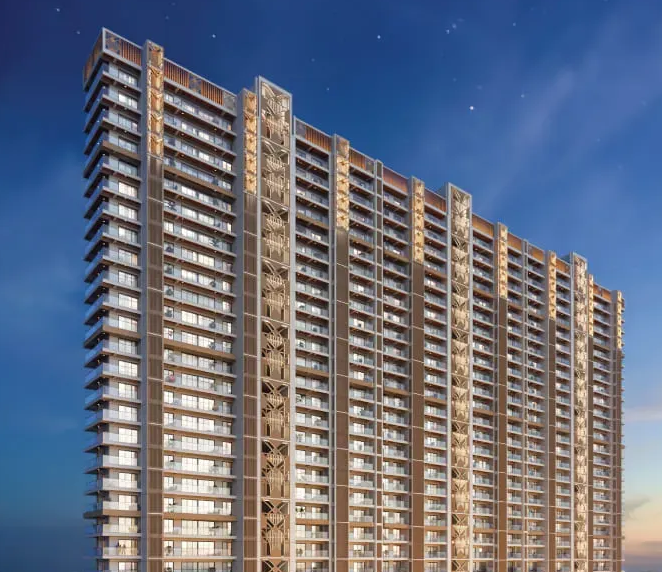
What are the benefits of living in Noida Sector 146?

If you are looking to discover the advantages of residing in Noida Sector 146, you might consider Godrej Tropical Isle, located within the sector This project offers a perfect blend of luxury comfort and modern amenities and A standout feature of this development is its excellent connectivity to major roads the metro network and essential commercial hubs, making daily commuting incredibly easy and hassle-free and Surrounded by lush greenery and open spaces the project provides a serene and tranquil environment.

Godrej Tropical Isle Highlights & Specifications :

* Total Towers : 5
* Rera No : UPRERAPRJ303390
* Configurations : 3/4 BHK
* Sizes : 1758 Sq.Ft to 3221 Sq.Ft
* Phone : 9560787473
* Starting Price : Rs.2.99 Cr
* Project Type : Residential

0

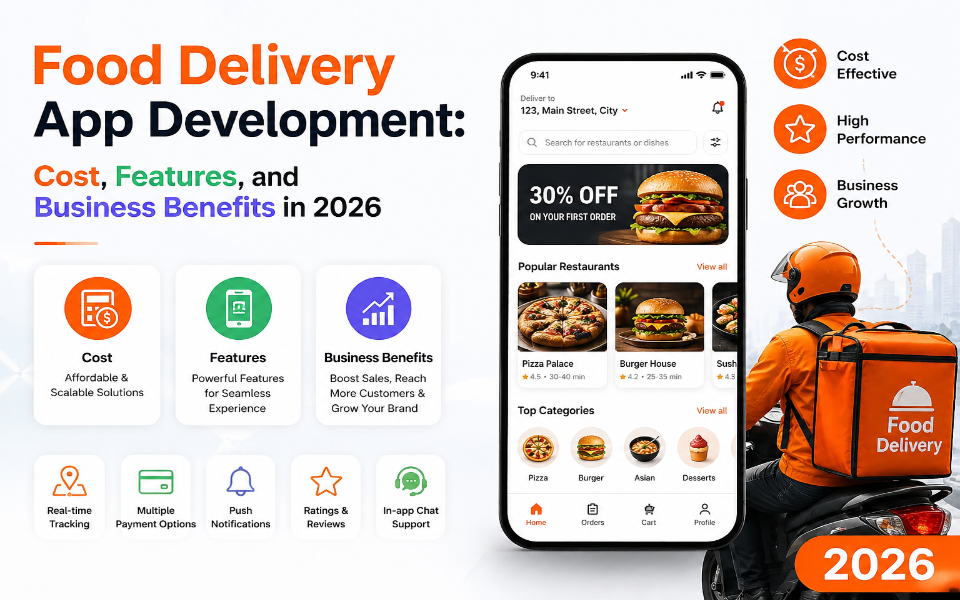
Food Delivery App Development: Cost, Features, and Business Benefits in 2026

Introduction
The food delivery industry continues to grow rapidly as consumers increasingly prefer ordering meals through mobile applications. In 2026, food delivery apps have become an essential part of modern lifestyles, providing convenience, speed, and a seamless ordering experience. Businesses that invest in food delivery app development can tap into a growing market while creating new revenue streams and improving customer engagement.

Whether you are a startup, restaurant owner, or entrepreneur looking to launch a food delivery platform, understanding the development cost, essential features, and business benefits is crucial for success. This guide covers everything you need to know about food delivery app development in 2026.

What is a Food Delivery App?
A food delivery app is a digital platform that connects customers, restaurants, delivery drivers, and administrators. Users can browse menus, place orders, make payments, and track deliveries in real time through a mobile application.

Popular food delivery platforms have transformed the food service industry by offering a convenient solution for ordering meals from local restaurants.

Why Invest in Food Delivery App Development in 2026?
The demand for online food ordering continues to rise due to changing consumer behavior and technological advancements. Customers expect quick delivery, personalized recommendations, and easy payment options.

Businesses that invest in food delivery app development can:

Reach a larger customer base
Increase revenue opportunities
Improve customer retention
Streamline delivery operations
Gain valuable customer insights
Build a strong brand presence
As smartphone usage and internet accessibility continue to expand globally, food delivery apps present a profitable business opportunity.

Key Components of a Food Delivery App
A successful food delivery platform typically consists of four main panels:

Customer App
The customer application allows users to browse restaurants, search for meals, place orders, make payments, and track deliveries.

Restaurant Panel
Restaurants can manage menus, update pricing, receive orders, track earnings, and communicate with customers.

Delivery Driver App
Delivery personnel receive delivery requests, optimize routes, track deliveries, and manage earnings.

Admin Dashboard
Administrators oversee platform operations, manage users, monitor orders, generate reports, and handle customer support.

Essential Features of a Food Delivery App in 2026
User Registration and Login
Simple sign-up options using email, phone numbers, and social media accounts improve user convenience.

Restaurant Listings
Users should be able to view nearby restaurants with detailed information, ratings, menus, and delivery times.

Smart Search and Filters
Advanced search functionality helps customers quickly find restaurants and dishes based on preferences.

Real-Time Order Tracking
GPS-based tracking allows customers to monitor their orders from preparation to delivery.

Multiple Payment Options
Supporting credit cards, debit cards, digital wallets, UPI payments, and cash on delivery increases customer satisfaction.

Push Notifications
Businesses can send order updates, promotions, discounts, and personalized offers through notifications.

Ratings and Reviews
Customer feedback builds trust and helps improve service quality.

AI-Powered Recommendations
Artificial intelligence analyzes customer behavior and suggests relevant restaurants and menu items.

Scheduled Orders
Users can place orders in advance for future delivery.

Loyalty Programs
Reward points, discounts, and membership benefits encourage repeat purchases.

In-App Chat Support
Real-time communication between customers, restaurants, and delivery drivers improves user experience.

Delivery Route Optimization
AI-powered route optimization helps drivers complete deliveries faster and reduce fuel costs.

Advanced Features Trending in 2026
AI Chatbots
Automated customer support reduces response times and operational costs.

Voice Search Integration
Users can search and place orders using voice commands.

Predictive Analytics
Businesses can forecast customer demand and optimize inventory management.

Contactless Delivery
Customers can choose secure contactless delivery options.

Personalized Offers
Machine learning enables highly targeted marketing campaigns.

Multi-Language Support
Serving diverse customer groups becomes easier with multilingual interfaces.

Cloud Kitchen Integration
Food delivery apps can integrate directly with cloud kitchens to improve operational efficiency.

Subscription Plans
Premium membership options provide additional revenue streams and customer retention benefits.

Food Delivery App Development Process
Step 1: Market Research
Analyze competitors, identify target audiences, and understand customer needs.

Step 2: Define Business Model
Choose the appropriate business model, such as:

Restaurant-to-Customer
Aggregator Model
Cloud Kitchen Model
Multi-Vendor Marketplace
Step 3: UI/UX Design
Create an intuitive and user-friendly design that enhances customer engagement.

Step 4: App Development
Develop customer, restaurant, driver, and admin applications using modern technologies.

Step 5: API Integration
Integrate payment gateways, GPS services, push notifications, and third-party tools.

Step 6: Testing and Quality Assurance
Conduct thorough testing to ensure smooth functionality and security.

Step 7: Launch and Marketing
Deploy the application and execute marketing strategies to attract users.

Step 8: Continuous Updates
Regular feature updates help maintain competitiveness and user satisfaction.

Food Delivery App Development Cost in 2026
The development cost depends on several factors, including features, complexity, technology stack, location of the development team, and customization requirements.

Basic Food Delivery App
Estimated Cost: $10,000 – $25,000

Features include:

User registration
Restaurant listings
Order placement
Payment integration
Basic tracking
Mid-Level Food Delivery App
Estimated Cost: $25,000 – $60,000

Additional features:

Real-time tracking
Ratings and reviews
Loyalty programs
Push notifications
Analytics dashboard
Advanced Food Delivery App
Estimated Cost: $60,000 – $150,000+

Advanced capabilities:

AI recommendations
Route optimization
Voice search
Subscription plans
Predictive analytics
Advanced reporting
Factors Affecting Development Cost
App Complexity
More features require additional development time and resources.

Platform Selection
Developing for Android, iOS, or both platforms impacts costs.

UI/UX Design
Custom designs increase development expenses but improve user engagement.

Third-Party Integrations
Payment gateways, maps, analytics tools, and cloud services contribute to overall costs.

Development Team Location
Development rates vary significantly across different regions.

Maintenance and Updates
Ongoing support is necessary to keep the app secure and competitive.

Business Benefits of Food Delivery Apps
Increased Revenue
Businesses can generate more sales by reaching customers beyond physical locations.

Enhanced Customer Convenience
Customers enjoy easy ordering and delivery experiences.

Brand Visibility
Mobile apps strengthen brand awareness and market presence.

Better Customer Retention
Loyalty programs and personalized experiences encourage repeat purchases.

Valuable Data Insights
Businesses can analyze customer behavior and improve marketing strategies.

Operational Efficiency
Automation reduces manual work and improves order management.

Competitive Advantage
Advanced technology features help businesses stand out in a crowded market.

Scalability
Food delivery platforms can expand into new markets and service areas with ease.

Future Trends in Food Delivery App Development
The future of food delivery apps will be shaped by emerging technologies such as:

Artificial Intelligence
Machine Learning
Blockchain Payments
Drone Deliveries
Autonomous Delivery Vehicles
Hyper-Personalization
Augmented Reality Menus
Sustainable Delivery Solutions
Businesses that adopt these innovations early can gain a significant competitive edge.

Conclusion
Food delivery app development remains one of the most profitable business opportunities in 2026. With growing consumer demand, advanced technologies, and increasing digital adoption, investing in a feature-rich food delivery platform can deliver substantial returns. By incorporating modern features such as AI-powered recommendations, real-time tracking, route optimization, and personalized marketing, businesses can create exceptional customer experiences while driving growth and profitability.

Choosing the right development strategy and focusing on customer needs will help ensure long-term success in the highly competitive food delivery market.

Frequently Asked Questions (FAQs)
1. How much does food delivery app development cost in 2026?
The cost typically ranges from $10,000 for a basic app to over $150,000 for an advanced platform with AI-powered features and extensive customization.

2. How long does it take to develop a food delivery app?
Development usually takes between 3 and 9 months depending on the complexity and features required.

3. Which features are essential for a food delivery app?
Key features include user registration, restaurant listings, real-time tracking, payment integration, ratings, reviews, and push notifications.

4. Is AI important for food delivery apps in 2026?
Yes. AI improves customer experience through personalized recommendations, route optimization, demand forecasting, and automated customer support.

5. Can startups build a food delivery app on a limited budget?
Yes. Startups can launch an MVP (Minimum Viable Product) with essential features and gradually add advanced functionalities as the business grows.

0

Fresh Curtain Cleaning Sydney

Fresh Curtain Cleaning Sydney is a local service dedicated to helping Sydney homes and businesses maintain cleaner, brighter interiors. Curtains can collect dust and everyday dirt over time, affecting the look of a room. Our cleaning solutions are designed to refresh fabrics and improve overall presentation. We provide dependable service, flexible scheduling, and attention to detail on every job. Whether you manage a workplace or care for your family home, we help keep your curtains looking their best year-round.


Haven Pools LLC

Haven Pools LLC creates beautiful and functional swimming pools tailored to your lifestyle and outdoor space. Our experienced team focuses on every detail to deliver exceptional results that enhance your property’s appeal. As trusted pool builders in St. Augustine Florida, we combine innovative design ideas with quality craftsmanship to create stunning backyard retreats. From initial planning to the final design, we ensure your pool reflects your vision while providing lasting enjoyment for years to come.


0

Golden Vows & Co

Golden Vows & Co. is a luxury men’s jewelry brand dedicated to redefining wedding traditions with modern craftsmanship. Specializing in hammered tungsten wedding bands, the company blends strength, comfort, and timeless design to create rings that symbolize everlasting commitment. Each band is crafted with precision, hypoallergenic materials, and a durable finish that resists everyday wear. With options for custom engraving and gift-ready packaging, Golden Vows & Co. offers a refined experience from design to delivery. Built on values of quality, integrity, and personal expression, the brand empowers couples to celebrate love with rings made to last a lifetime.

0

0

Boutique Hotels in South Goa – Experience Comfort at Soul Vacation

South Goa is known for its peaceful beaches, scenic landscapes, and relaxed atmosphere, making it a preferred destination for travelers seeking a tranquil getaway. Among the many accommodation options available, boutique hotels offer a unique blend of personalized service, comfort, and local charm. One such destination is Soul Vacation, a boutique hotel that provides an authentic Boutique Hotels in South Goa experience.

Located near the beautiful Colva Beach, Soul Vacation combines modern amenities with traditional Goan hospitality. The hotel is designed to create a calm and refreshing environment where guests can unwind and enjoy their vacation. Its stylish rooms, serene surroundings, and attentive service make it an excellent choice for couples, families, and solo travelers.

Guests can explore nearby beaches, local markets, and popular attractions while enjoying easy access to some of South Goa’s most scenic locations. The property also offers wellness-focused experiences, comfortable accommodations, and delicious dining options that reflect the flavors of Goa.

What sets Soul Vacation apart from larger resorts is its personalized approach to hospitality. The boutique setting allows guests to enjoy a more intimate and relaxing stay, away from crowded tourist areas. Whether visitors are looking for a romantic retreat, a wellness escape, or a peaceful holiday by the beach, Soul Vacation delivers a memorable experience.

Choosing boutique hotels in South Goa allows travelers to connect with the local culture while enjoying modern comforts. Soul Vacation continues to be a popular choice for those seeking quality accommodation, exceptional service, and a relaxing atmosphere in one of Goa’s most beautiful regions.

Plan your next South Goa holiday and discover the charm, comfort, and hospitality that make Soul Vacation a preferred boutique hotel destination.

0

Are you thinking about buying an apartment in Noida Sector 146?

If you are considering purchasing an apartment in Noida Sector 146, you might want to consider Godrej Sector 146 Noida. This is an ultra-luxury project offering 2 BHK apartments sized at 831 sq. ft., as well as 3 BHK apartments ranging from 977 to 1367 sq. ft. Additionally, 4 BHK apartments spanning approximately 1758 sq. ft. are also available here, boasting an excellent location and exceptional connectivity.

Amenities of Godrej sector 146 Noida :

* Swimming Pool
* Gymnasium
* Elite Security
* Lush Green Gardens
* Grand Clubhouse
* Sports Arena
* Private Parking
* Power Backup

0

Fresh Drape Cleaning Brisbane

Fresh Drape Cleaning Brisbane specialises in cleaning drapes for residential and commercial properties throughout Brisbane. Our service helps refresh window furnishings by tackling dust, stains, and everyday buildup that can affect their appearance. We work with different fabric styles and provide cleaning solutions tailored to customer needs. From small homes to larger business premises, we aim to deliver reliable service and noticeable results. Fresh Drape Cleaning Brisbane is proud to help local customers maintain cleaner, more comfortable, and visually appealing spaces.