How to Choose the Right Tiles for Your Home in India

Choosing tiles for your home is not just about picking a design you like. It is a long-term decision that affects how your home looks, feels, and performs over time. Tiles are used in almost every part of the house, including the living room, bedroom, kitchen, and bathroom. So, making the right choice is very important. If you are exploring premium options like Kajaria Tiles in Thrissur, understanding the basics will help you make a smarter and more confident decision.

Understand Different Types of Tiles

The first step is to understand the different types of tiles available.

  • Ceramic Tiles are one of the most common options. They are affordable and mainly used for walls or low-traffic areas.
  • Vitrified Tiles are more durable and stronger. These tiles are best for floors because they can handle heavy usage.
  • Porcelain Tiles are a premium option. They have low water absorption and are suitable for bathrooms and outdoor areas.

    Knowing these types will help you choose the right tile for the right place.

Choose Tiles Based on Room

Every room in your home has different requirements, so you should not use the same tiles everywhere.

For the living room, large vitrified tiles are a great choice because they give a clean and spacious look.

For the bathroom, always choose anti-skid tiles to avoid slipping. Water resistance is also important here.

For the kitchen, go for tiles that are easy to clean and resistant to stains.

When you select tiles according to the room, your home becomes more practical and comfortable.

Focus on Tile Size and Finish

Tile size and finish can make a big difference in how your space looks.

Large tiles can make a small room look bigger because there are fewer joints. On the other hand, small tiles can be used for decorative areas.

Finish also matters:

Glossy finish gives a shiny and premium look
Matte finish is safer and better for areas like bathrooms
Choosing the right combination of size and finish will improve both design and usability.

Check Durability and Quality
Tiles are not something you change frequently, so durability is very important.

Before buying, always check:

  • Scratch resistance
  • Water absorption
  • Strength of the tile

Good quality tiles will last for many years without losing their finish or strength.

Plan According to Your Budget

Tiles are available in many price ranges. It is important to plan your budget before you start shopping.

Do not always go for the cheapest option, because it may cost more in the long run due to repairs or replacement.

Instead, look for a balance between quality and price.

Take Expert Advice
Many people make mistakes because they select tiles only based on design.

It is always better to visit a trusted showroom and take guidance from experts. They can help you choose the right tiles based on your space, usage, and budget.

Final Thoughts
Choosing the right tiles for your home becomes easy when you understand your needs and options. Take your time, compare different choices, and always focus on quality.

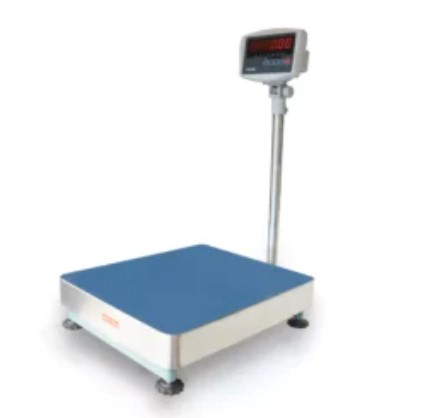
Educational Institution Weighing Machine – Durable

In science and education, precision is not optional—it’s foundational. Whether it’s a chemistry lab experiment or a physics demonstration, even the smallest measurement error can lead to incorrect conclusions. That’s why investing in a high-quality educational institution weighing machine is no longer a luxury—it’s a necessity for schools, colleges, and research labs across India.

What Makes an Educational Institution Weighing Machine Essential?

An educational institution weighing machine is specifically designed to deliver accurate, consistent, and reliable measurements in academic environments. Unlike standard weighing scales, these machines are built to handle sensitive experiments, repeated use, and varied materials.

Key Benefits at a Glance:

  • High precision for scientific experiments
  • Stable performance under varying conditions
  • User-friendly interface for students and educators
  • Durable design for long-term institutional use
  • Precision That Powers Learning Outcomes

Why Accuracy Matters in Education

In laboratories, accuracy is everything. A minor error in measurement can distort results and hinder learning. High-precision weighing machines ensure that students get correct readings every time, helping them understand scientific principles more effectively.

Real Classroom Impact

Imagine a chemistry lab where students measure compounds for reactions. With a reliable weighing machine:

Results become reproducible

  • Learning becomes hands-on and trustworthy
  • Students gain confidence in experimentation
  • Features to Look for in the Best Weighing Machines

Choosing the right educational institution weighing machine requires understanding the features that truly matter.

1. High Sensitivity and Accuracy
Look for machines with milligram-level precision, especially for chemistry and pharmaceutical studies.

2. Stability and Anti-Vibration Design
Lab environments can be dynamic. A stable machine ensures consistent readings even with minor disturbances.

3. Digital Display and Easy Calibration
Modern machines come with clear digital interfaces and simple calibration options, making them ideal for students.

4. Durable Build Quality
Educational institutions need equipment that lasts. Opt for machines made with robust materials and long-life components.

5. Multiple Weighing Modes
Versatility matters. Choose machines that support different units and measurement modes for diverse experiments.

How Educational Institutions in India Benefit

Across India, schools and colleges are upgrading their lab infrastructure to meet modern standards. A high-quality educational institution weighing machine supports:

CBSE and ICSE lab compliance
NAAC accreditation requirements

Advanced research capabilities in universities

By investing in precision tools, institutions enhance both academic credibility and student performance.

Expert Tips: Maximizing Performance and Longevity

To get the most out of your weighing machine, follow these best practices:

Proper Placement
Keep the machine on a flat, vibration-free surface away from airflow.

Regular Calibration
Calibrate frequently to maintain measurement accuracy over time.

Clean Handling
Avoid dust and chemical spills to ensure long-term reliability.

Training Students
Teach proper usage to prevent misuse and extend the machine’s lifespan.

Final Thoughts: Invest in Precision, Elevate Education

A reliable educational institution weighing machine is more than just lab equipment—it’s a tool that shapes how students understand science. With accurate measurements, stable performance, and long-term durability, these machines play a crucial role in delivering quality education.

How Does Windows VPS Differ From Shared Hosting?

Most people end up comparing Windows VPS and shared hosting at the exact moment something starts feeling “off” with their website. Maybe the site is loading fine one day and crawling the next.

Maybe a developer suggested upgrading, or a hosting provider casually dropped the term “VPS” in web hosting in Pakistan and suddenly everything feels more complicated than it should be. I’ve seen this confusion many times, and it usually comes from one simple problem.

People are trying to choose between two hosting types without really understanding how differently they behave once your site is actually live.On paper, both options look like they are just “hosting,” but in real usage they feel completely different.

One feels like living in a shared apartment where everything is managed for you but you have very little control in Windows VPS. The other feels like having your own private space where you can configure things the way you want, but you are also responsible for keeping things running smoothly.

What is Shared Hosting?
Shared hosting is the most common starting point for most websites, and for good reason. It is simple, cheap, and completely managed by the hosting company. When you buy shared hosting, your website is placed on a server that is also hosting hundreds, sometimes thousands, of other websites.

In real-world terms, this means you are sharing everything. CPU, memory, disk space, and sometimes even database resources are all shared across multiple users. The hosting provider handles all the technical maintenance like server updates, security patches, and basic configuration. For someone launching a small blog, portfolio, or basic business website, this setup feels convenient because you do not have to think about server management at all.

But this convenience comes with limits that users only notice after a while. If another website on the same server suddenly gets heavy traffic or runs inefficient code, your website can slow down too. You also do not get deep control over server settings, and advanced software installations are usually restricted. In my experience, shared hosting feels smooth at the beginning, but it becomes restrictive the moment your website starts growing or needs custom configuration.

What is Windows VPS Hosting?
Windows VPS hosting is a very different environment. A VPS, or Virtual Private Server, is still a shared physical machine, but it is divided into isolated virtual environments. Each VPS behaves like its own independent server with dedicated resources.

When it runs on Windows, you interact with it through a Remote Desktop interface, similar to using a normal Windows computer. This is where things start to feel more powerful. You can install software, configure IIS, run ASP.NET applications, manage MSSQL databases, and adjust server settings based on your exact requirements.

What stands out most in real usage is control. You are not limited by a shared environment. You can restart services, install custom applications, and fine-tune performance without worrying about other users affecting your setup. At the same time, this control comes with responsibility. If something breaks, you or your administrator need to fix it.

Core Differences Between Windows VPS and Shared Hosting
The biggest difference becomes obvious only when your website starts experiencing real traffic or requires customization. Shared hosting is designed for simplicity, while Windows VPS is designed for control and flexibility.

Performance behaves differently in both environments. On shared hosting, performance is unpredictable because resources are distributed among many users. Even if your website is well optimized, you can still experience slowdowns caused by other accounts on the same server. On a Windows VPS, your allocated resources are reserved for you, which creates much more consistent performance. You still need to manage optimization, but at least you are not competing with strangers for server power.

Control is another major divide. Shared hosting gives you a limited dashboard where you can manage files, emails, and databases, but that is about it. Windows VPS gives you full administrative access. You can install frameworks, configure security rules, and run applications that simply would not be allowed in shared hosting environments.

Security also behaves differently in practice. Shared hosting carries a small but real risk because multiple websites share the same environment. A poorly secured website on the same server can sometimes create vulnerabilities. In a VPS, isolation reduces that risk significantly, although security becomes your responsibility rather than the host’s.

Scalability is more natural with VPS hosting. When your traffic grows, you can upgrade resources like RAM or CPU without migrating to an entirely new environment. Shared hosting usually forces you to move to a higher plan or eventually switch to VPS anyway.

Cost is where shared hosting wins clearly, but VPS gives you value in return. You are not just paying for hosting space, you are paying for control, stability, and dedicated resources.

Real-World Use Cases
Shared hosting is still perfectly fine for small websites that do not expect heavy traffic or complex functionality. Personal blogs, basic business websites, landing pages, and simple portfolios usually run without issues. I have seen many small businesses stay on shared hosting for years without needing anything more.

Windows VPS, on the other hand, is commonly used by developers, agencies, and businesses running applications that need more control. ASP.NET applications, enterprise tools, custom APIs, and MSSQL-driven systems typically perform better in a VPS environment. Agencies also prefer VPS setups because they can host multiple client projects with predictable performance.

SaaS platforms and growing startups usually move to VPS early because they cannot afford the unpredictability of shared hosting. Once user activity becomes important to business operations, consistency matters more than saving a few dollars.

Performance in Real Conditions
Performance is where the difference becomes very obvious in real life. Shared hosting can feel fast when the server is quiet, but it can also slow down without warning. The frustrating part for users is that they have no control over these fluctuations. Everything depends on what other users on the same server are doing.

Windows VPS hosting feels more stable because your resources are reserved. If your website is slow, it is usually because of your own configuration or application design, not because of external interference. This makes troubleshooting much easier. You are not guessing what is wrong on a shared system. You are working within your own environment.

During traffic spikes, shared hosting often struggles or throttles performance. VPS handles spikes better because you are not competing for resources. However, if your allocated VPS resources are too small, you will still hit limits, just more predictably.

Security Comparison
Security in shared hosting is mostly handled by the provider. They set up firewalls, manage updates, and monitor the server. For beginners, this feels safe, but there is a hidden trade-off. Since multiple users share the same environment, one weak account can potentially affect others.

In Windows VPS hosting, isolation significantly improves security boundaries. Your environment is separate, which reduces the risk of cross-account issues. However, the responsibility shifts to you. If you misconfigure a firewall or forget updates, you are exposing your own server. In practice, VPS security is stronger but requires more awareness.

Ease of Use and Management
Shared hosting is extremely easy to use. You log into a control panel, upload files, create email accounts, and you are done. There is almost no learning curve, which is why beginners love it.

Windows VPS is not difficult, but it is definitely more involved. You are working inside a full Windows server environment through Remote Desktop. That means updates, installations, and configurations are part of your daily reality. For someone used to shared hosting, this shift can feel overwhelming at first.

In practice, once you get familiar with it, VPS management becomes routine. But the initial learning curve is real, and I have seen many users underestimate it.

Cost Difference Explained
Shared hosting is cheap because resources are shared and management is handled by the provider. You are essentially paying for convenience and basic hosting space.

Windows VPS costs more because you are paying for dedicated resources and system-level access. You are also paying for flexibility, which is something shared hosting simply does not offer. The real question is not whether VPS is expensive, but whether your website needs what it provides.

In my experience, people only notice the value of VPS when shared hosting starts limiting their growth or causing unpredictable performance issues.

Which One Should You Choose?
If you are running a small website with predictable traffic and no special technical requirements, shared hosting is usually enough. It keeps things simple and requires almost no maintenance from your side.

If you are running a business-critical application, a .NET-based system, or anything that needs consistent performance and custom configuration, Windows VPS is the better choice. It gives you control, stability, and room to grow, but you need to be ready to manage it properly or have someone who can.

Common Mistakes
One of the most common mistakes people make is choosing shared hosting just because it is cheaper, without thinking about future growth. They end up migrating later under pressure when performance becomes an issue.

Another mistake is moving to a Windows VPS too early without understanding server management. VPS is powerful, but if you are not ready for basic administration tasks, it can become frustrating quickly.

I also see people expecting VPS to automatically make their website faster. It does not. It only gives you better resources and control. If your application is poorly optimized, VPS will not magically fix it.

Conclusion
The real difference between Windows VPS and shared hosting comes down to control versus convenience. Shared hosting keeps everything simple by managing the server for you and sharing resources across multiple users, which works well for small websites. Windows VPS, on the other hand, gives you your own isolated environment with dedicated resources, full administrative access, and the ability to run Windows-specific technologies like ASP.NET and MSSQL, but it also expects you to take responsibility for managing it properly.

If I had to make the call based on real-world usage, I would say shared hosting is fine until your website starts feeling limited or unpredictable. The moment performance stability, custom software needs, or business growth becomes important, Windows VPS stops being optional and starts becoming the sensible next step. It is not about what sounds better on paper, it is about what your website actually needs to stay reliable in real conditions.

FAQs
When should I switch from shared hosting to Windows VPS?
In my experience, this is the question people ask the moment something starts feeling inconsistent with their website. The real trigger is usually performance instability or limitations, not just traffic. If your site loads fine some days but slows down without any changes from your side, that is often the first sign that shared hosting is no longer giving you predictable behavior.

I usually say the switch makes sense when your website becomes important enough that downtime, lag, or restrictions start affecting users or business operations. If you are trying to install custom software, run a .NET application, or handle growing traffic that feels “uncomfortable” on shared hosting, that is the point where Windows VPS stops being optional and starts becoming practical.

Is Windows VPS always faster than shared hosting?
Not automatically, and this is where a lot of people misunderstand it. A Windows VPS gives you dedicated resources, which means you are not competing with other websites. That alone usually makes performance more stable, but it does not guarantee speed if your application is poorly optimized.

Shared hosting can sometimes feel fast when the server is lightly loaded, so in short bursts it may even seem quicker. But in real-world conditions, VPS wins on consistency. In my experience, the real advantage is not raw speed, but the fact that performance does not randomly drop because of someone else’s traffic spike.

Can shared hosting be secure enough for a business website?
Yes, shared hosting can be secure enough for many small and medium business websites, especially if the hosting provider is reputable and maintains strong server-level security. Most providers handle firewalls, patching, and monitoring, which takes a lot of responsibility off your shoulders.

That said, the shared environment always introduces a small layer of risk because multiple websites exist on the same server. I have seen cases where one poorly maintained site creates issues for others. For basic business sites, this risk is usually acceptable, but once data sensitivity or uptime becomes critical, VPS gives a much stronger isolation boundary.

Do I need Windows VPS for ASP.NET applications?
If you are working with ASP.NET or any Microsoft-based stack like MSSQL, then Windows VPS is often the more practical choice. Shared hosting can support basic .NET setups, but it usually comes with restrictions that limit flexibility and performance tuning.

From what I have seen in real projects, developers move to Windows VPS when they need full control over IIS, server configurations, or custom dependencies. It simply becomes easier to deploy and manage .NET applications without constantly running into hosting limitations or permission barriers.

Is Windows VPS difficult for beginners to manage?
Yes, compared to shared hosting, there is definitely a learning curve. You are essentially stepping into a full Windows Server environment, and that means updates, security settings, software installation, and basic troubleshooting become your responsibility.

But I would not call it “too difficult,” just different. Once you get used to Remote Desktop and understand the basic server structure, it becomes routine. The real challenge is not daily usage, it is the initial adjustment period where everything feels more technical than a simple control panel.

0

0

0

Lazar Law PLLC

Lazar Law PLLC provides trusted legal counsel in employment law, education law, and general counsel services across North Carolina. We help businesses, employees, students, and families navigate complex legal challenges with practical, results-driven solutions.

Visit – https://golazarlaw.com/

0

0

Lazar Law PLLC

Lazar Law PLLC provides trusted legal counsel in employment law, education law, and general counsel services across North Carolina. We help businesses, employees, students, and families navigate complex legal challenges with practical, results-driven solutions.

0

Best In Town Repair Services LLC

Best in Town Repair Services is a company operating from Dubai that repairs household appliances. They help both families and office spaces bring their appliances back to life within the shortest time. They prioritize their response time and cover the daily needs of their customers effectively.

They have the required capabilities to handle all major types of home appliances including refrigerators, washing machines, air conditioners dishwashers ovens, and dryers. The experts just allow a second look at the problem and then the repair is done by one simple yet very effective action.

Offering same-day service at reasonable prices, this firm has been providing various areas of Dubai with reliable assistance. They aim to make the whole experience of repairing appliances an easy, relaxing, and long-lasting one.

0

Boat Licence Queensland

Boat Licence Queensland is a trusted training provider offering boat and jet ski licence courses across Queensland. The focus is on clear instruction, practical learning, and helping participants understand local marine rules with confidence. Courses are designed to suit beginners as well as those returning to boating after a break. With experienced instructors and flexible training locations, Boat Licence Queensland supports safer, more informed boating on Queensland waterways.

0

Netflix Clone: The Smarter Way to Launch Your Own OTT Streaming Platform

The demand for online streaming platforms continues to grow as users prefer watching movies, TV shows, live events, and exclusive content on demand. Businesses and entrepreneurs are taking advantage of this trend by launching their own OTT platforms instead of relying on third-party services. However, developing a streaming application from scratch requires significant time, technical expertise, and investment. A Netflix Clone offers a faster and more cost-effective solution, providing a feature-rich platform that can be customized to match your brand and business goals.

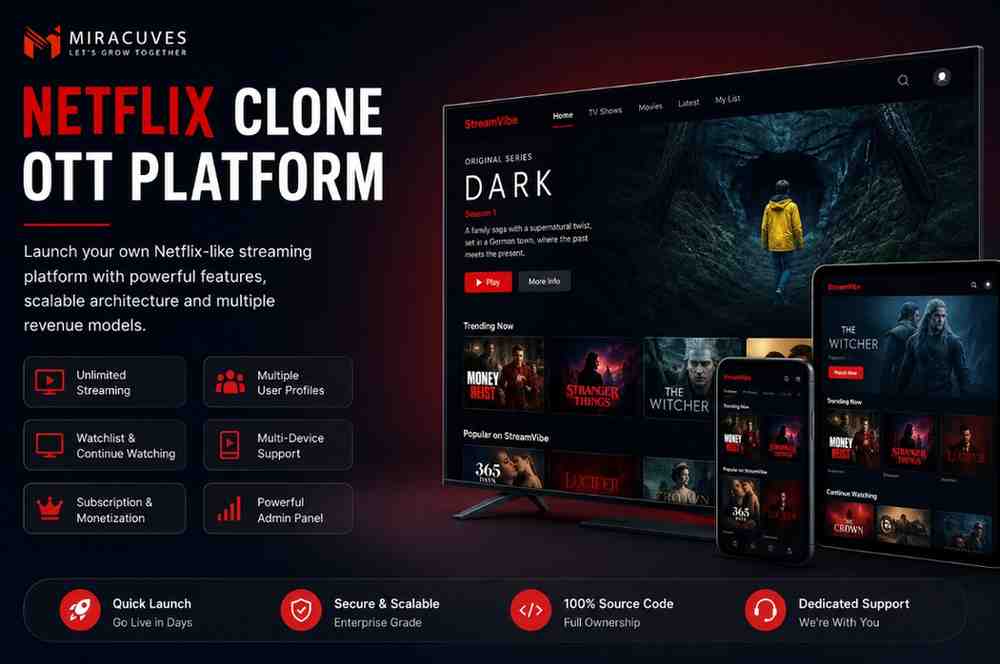
The Miracuves Netflix Clone is a white-label streaming solution designed for startups, media companies, educators, fitness brands, and content creators. It comes with Android and iOS apps, a responsive web platform, an advanced admin dashboard, subscription management, live streaming support, secure payment integration, and complete source code ownership. This allows businesses to launch quickly while maintaining full control over their platform and future development.

A modern streaming platform must deliver an excellent user experience. Features like personalized recommendations, multi-profile accounts, watchlists, continue-watching functionality, and multi-device support keep users engaged and encourage longer viewing sessions. AI-powered recommendations help users discover relevant content, while adaptive streaming ensures smooth playback across smartphones, tablets, smart TVs, and desktop browsers.

Monetization is another major advantage of owning your own OTT platform. Businesses can generate recurring revenue through monthly or yearly subscriptions, offer pay-per-view access for premium content, enable video rentals, or display advertisements. Combining multiple revenue models creates a flexible business strategy that supports long-term growth while providing users with different payment options.

Security is equally important for any streaming platform. Premium content must be protected against piracy and unauthorized access. The Miracuves Netflix Clone includes secure authentication, encrypted streaming, DRM-ready architecture, role-based access controls, and secure payment processing to protect both your content and your users’ data.

The platform is suitable for a wide range of industries, including entertainment, education, corporate training, fitness, sports broadcasting, religious organizations, and regional media networks. Its scalable architecture allows businesses to expand their content library and user base without compromising performance.

Launching a streaming service no longer requires building complex infrastructure from the ground up. With the Miracuves Netflix Clone, you get a production-ready OTT platform that combines powerful features, flexible monetization, enterprise-grade security, and complete customization. Whether you’re creating a movie streaming service, an educational video portal, or a niche content platform, this solution provides everything you need to build, launch, and grow a successful streaming business under your own brand.

0

Iridium Sim Cards for Reliable Global Satellite Connectivity

In today’s connected world, reliable communication is essential, especially when operating in remote locations where traditional cellular networks are unavailable. Iridium Sim Cards provide dependable satellite connectivity, ensuring uninterrupted voice and data communication across the globe. Whether you’re traveling, working offshore, managing emergency operations, or exploring remote regions, Satellite-telecom offers high-quality Iridium SIM card solutions designed to keep you connected wherever you go.

Why Choose Iridium Sim Cards?

Iridium SIM cards are specifically designed to work with the Iridium satellite network, one of the most extensive and reliable satellite communication systems in the world. Unlike traditional mobile networks that rely on ground-based towers, Iridium utilizes a constellation of satellites to deliver coverage across oceans, deserts, mountains, polar regions, and other challenging environments.

By choosing Iridium Sim Cards, users gain access to truly global communication without worrying about network dead zones or geographical limitations.

Key Benefits of Iridium SIM Cards

Some of the primary advantages include:

  1. Worldwide satellite coverage
  2. Reliable voice communication
  3. Secure and dependable data services
  4. Connectivity in remote and emergency situations
  5. Flexible prepaid and postpaid options
  6. Ideal for maritime, aviation, government, and industrial use

These features make Iridium SIM cards a preferred choice for professionals and adventurers who require consistent communication in any environment.

Applications of Iridium Sim Cards
Iridium SIM cards serve a wide range of industries and users. Their ability to provide communication in areas beyond the reach of cellular networks makes them incredibly valuable.

Maritime Communication
Ships, fishing vessels, yachts, and offshore operations rely heavily on satellite communication. Iridium SIM cards ensure crews can stay connected with headquarters, emergency services, and family members while at sea.

Remote Field Operations
Mining companies, oil and gas operators, construction teams, and environmental researchers often work in isolated locations. Iridium connectivity helps maintain communication, improve safety, and support operational efficiency.

Emergency and Disaster Response
During natural disasters or infrastructure failures, traditional communication systems may become unavailable. Iridium SIM cards provide emergency responders with reliable communication channels when they are needed most.

Satellite-telecom: Your Trusted Source for Iridium Sim Cards

When purchasing satellite communication solutions, selecting a trusted provider is crucial. Satellite-telecom offers a comprehensive range of Iridium SIM cards tailored to meet various communication requirements.

Flexible Connectivity Solutions
Satellite-telecom provides SIM card plans suitable for different usage levels, from occasional travelers to organizations requiring continuous satellite communication. Customers can choose from prepaid and postpaid options based on their specific needs.

Genuine Iridium Network Access
All Iridium SIM cards supplied by Satellite-telecom offer authentic access to the Iridium satellite network, ensuring dependable connectivity and high-quality communication services worldwide.

Expert Support and Guidance
The experienced team at Satellite-telecom assists customers in selecting the most suitable satellite communication products and plans. Whether you are a first-time user or an experienced satellite communication professional, expert support is available every step of the way.

How Iridium Sim Cards Enhance Safety and Productivity

Reliable communication is not only convenient but often critical for safety. Workers in remote areas can maintain regular contact with teams, receive important updates, and quickly request assistance during emergencies.

For businesses, Iridium SIM cards improve operational efficiency by enabling real-time communication and data exchange, even in the world’s most challenging environments. This level of connectivity helps reduce downtime, improve decision-making, and enhance overall productivity.

Conclusion

If you require dependable communication beyond the limits of traditional mobile networks, Iridium Sim Cards are the ideal solution. Offering global satellite coverage, reliable voice services, and essential data connectivity, they ensure you stay connected wherever your journey or work takes you.

Satellite-telecom provides trusted Iridium SIM card solutions designed for individuals, businesses, maritime operators, emergency responders, and remote field teams. Explore the available options and experience the confidence that comes with truly global satellite communication.

Visit https://satellite-telecom.shop/collections/iridium-sim-cards today to find the right Iridium SIM card solution for your connectivity needs.

0

Can An Age Calculator Calculate Future Age Accurately?

Yes, an age calculator can calculate future chronological age accurately when you enter the correct date of birth and choose the exact future date you want to check.

A Loan Calculator is more reliable than simply estimating payments because it considers the loan amount, interest rate, repayment term, payment frequency, and total interest over time.

That said, an age calculator is only calculating chronological age. It cannot tell you how old you will look, how healthy you will be, your biological age, or how long you will live. It works with calendar dates, not predictions about your body or life.

In my experience, most confusion comes from people asking, “How old will I be in 2030?” without choosing a date in 2030. Your answer may be different on 1 January than it is on 31 December. A future age calculator solves that problem by checking your age on a specific day.

Quick Answer: Is a Future Age Calculator Accurate?
A future age calculator is accurate when it uses your correct date of birth and a specific future date. It calculates how many full years you will have completed by that date, then works out any remaining months and days if you need an exact future age.

For example, if you were born in October and you check your age in early October of a future year, you may still be one year younger than simple year subtraction suggests. Your next birthday has not happened yet.

Most age calculator future date tools are dependable for everyday planning, including birthdays, retirement dates, school timing, job requirements, and future events. However, official organizations may use their own rules. A school, visa office, employer, sports organization, or government department may use a fixed cutoff date or a specific legal definition of age. The calculator can show your calendar age accurately, but it cannot replace the official rule when eligibility is involved.

How Does an Age Calculator Calculate Future Age?
It Starts With the Date of Birth
The date of birth is the foundation of the calculation. A calculator needs the correct day, month, and year to determine when each birthday occurs.

A small entry mistake can change the answer. If someone was born on 12 May but enters 21 May, the result may be wrong for part of every future year. The same applies if the month is entered incorrectly. This matters most when the selected future date is close to the birthday.

I have seen this become confusing when people copy dates from forms without checking the format. They may know their birth year perfectly, but the day and month are what decide whether they have already reached their next age on a selected date.

It Uses a Selected Future Date
A question like “How old will I be in 2035?” is useful, but it is not fully precise until you choose a date. You could be one age at the beginning of 2035 and another age later that same year.

For example, someone born on 20 September 2000 will be 34 years old on 1 January 2035. On 20 September 2035, that same person will turn 35. Both answers are correct, depending on the future date being checked.

This is why a future age calculator should always ask for a date, not only a year. The calendar does not treat every day in a year the same way.

It Counts Completed Years, Months, and Days
A reliable calculator first counts completed years. In simple terms, it checks how many birthdays have passed between the date of birth and the selected future date.

After that, it can calculate the remaining months and days. This gives an exact future age such as 29 years, 11 months, and 25 days instead of only saying 29 years old.

Completed years are the key part. You do not become a year older because a new calendar year begins. You become older when your birthday arrives.

Why Simple Year Subtraction Can Give the Wrong Future Age
Simple year subtraction is one of the most common shortcuts, and it often gives the wrong answer. It can be useful as a rough estimate, but it does not check whether the birthday has happened yet.

Take this example. The date of birth is 15 October 2000. The future date is 10 October 2030. If you subtract 2000 from 2030, the answer looks like 30. But the correct age is 29 because 15 October has not arrived yet in 2030.

The person will turn 30 five days later, on 15 October 2030.

What people usually misunderstand is that age is based on completed years. A person does not suddenly become 30 on 1 January 2030 just because the year difference is 30. Their 30th birthday needs to happen first.

This is why an age calculator is more accurate than doing the maths in your head. The maths is not difficult, but calendars are full of small details that are easy to overlook when you are checking a date quickly.

What Makes a Future Age Calculation Accurate?
Correct Date of Birth
The first requirement is the correct date of birth. Check the day, month, and year before relying on the result.

This sounds obvious, but forms, old records, and manually typed dates can create mistakes. A wrong birth year changes the age completely. A wrong day or month may only affect the answer around the birthday, which can make the mistake harder to notice.

Correct Date Format
Date format can cause surprisingly large errors. In some places, 04/05/2000 means 4 May 2000. In other places, it means 5 April 2000.

Those are two different birthdays. If you are calculating age on a future date in April or May, the result could be one year different depending on which format the calculator uses.

When using an age calculator future date tool, check whether it uses DD/MM/YYYY or MM/DD/YYYY. If the tool lets you select the month by name, that is often safer than typing a number.

Leap Years
Leap years matter because they add an extra day to February. A reliable calculator should account for this automatically.

Most people will not notice the difference in a basic age result, but leap years matter when you want an exact future age in years, months, and days. They matter even more for people born on 29 February.

A calculator that ignores leap years may still look correct for many dates, but it can be off by a day in exact calculations. That may not matter for planning a birthday dinner, but it can matter when someone is checking a deadline or official age condition.

Different Month Lengths
Months are not all the same length. February can have 28 or 29 days. Some months have 30 days, while others have 31.

That is why an exact future age cannot safely assume every month has 30 days or every year has 365 days. Calendar calculations need to follow real month lengths.

A good calculator handles this in the background. You do not need to count the days yourself, which is fortunate because doing it manually can become annoying very quickly.

Whether the Birthday Has Happened
The birthday check is the part that decides most future age results. If the selected future date is before your birthday, you are still your current completed age. If it is on or after your birthday, one more completed year is added.

For example, a person born on 8 August 1995 will be 39 on 1 August 2034. They will turn 40 on 8 August 2034. Only seven days separate those dates, but the age changes because the birthday arrives.

How Does a Future Age Calculator Handle Leap Years and February 29 Birthdays?
February 29 birthdays need special handling because that date only appears in leap years. In most years, February has 28 days, so a person born on 29 February does not have the same calendar date available for a birthday.

Different tools may handle this differently. Some treat 28 February as the birthday in non-leap years. Others use 1 March. For casual planning, either method may be reasonable as long as you understand which one the calculator uses.

For legal or official situations, there is no universal answer. A school admission policy, visa rule, insurance policy, government requirement, or legal age rule may define the birthday differently. One organization may consider the person to reach the next age on 28 February, while another may use 1 March.

If a February 29 birthday affects eligibility, do not rely only on a general calculator. Check the written rule from the organization handling the application or decision.

Examples of Calculating Future Age
Example 1: Age on a Future Birthday
Date of birth: 12 May 1998
Future date: 12 May 2035
Future age: 37 years old

The person turns 37 exactly on 12 May 2035 because that date is their 37th birthday. Every full year from 12 May 1998 to 12 May 2035 has been completed.

This is the easiest type of future age calculation because the day and month match the date of birth. There is no question about whether the birthday has happened. It is happening on that date.

Example 2: Age Before a Future Birthday
Date of birth: 12 May 1998
Future date: 1 May 2035
Future age: 36 years old

The person will not turn 37 until 12 May 2035. On 1 May, their birthday is still eleven days away, so they remain 36 years old.

This is where simple year subtraction can lead people in the wrong direction. The difference between 2035 and 1998 is 37, but 37 is not the completed age until the birthday arrives.

Example 3: Calculating Age in a Future Year
Date of birth: 25 December 2005
Future date: 1 January 2030
Future age: 24 years old

The person will not turn 25 until 25 December 2030. On 1 January 2030, they are still 24 because their birthday is almost a full year away.

This example shows why asking “How old will I be in 2030?” can produce more than one correct answer. On 1 January, the answer is 24. On 25 December, the answer becomes 25.

Can an Age Calculator Calculate Age for Future Events?
A future age calculator is useful for far more than birthdays. Students and parents often use one to check age on a school admission date. Job applicants may need to know their age on an application deadline. People planning retirement may want to see their age on a future retirement date.

It can also help with graduation plans, sports categories, travel dates, weddings, anniversaries, future family milestones, and age-based requirements for events. If you are asking, “How old will I be on this date?”, a calculator can usually give a clear answer in seconds.

For planning, these tools are excellent. They remove guesswork and help you see dates in a practical way. But if the result affects eligibility, always look at the exact cutoff date. A school may use the first day of the academic year, while a competition may use the event date. The calculator gives you the age, but the organization decides which date counts.

When Can a Future Age Calculator Show a Different Result?
Different calculators can occasionally show different answers, and that does not always mean one is broken. The most common reason is that the dates entered are not actually the same.

One calculator may interpret 04/05/2000 as 4 May, while another reads it as 5 April. Another difference may come from selecting 1 January of a future year in one tool and 31 December in another. That alone can change the age result.

Birthdays not yet reached are another common cause. People may expect the age based on year subtraction, while the calculator correctly shows one year less. February 29 birthdays can also produce different results because tools may use 28 February or 1 March in non-leap years.

Some calculators also display age differently. One may show completed years only. Another may show years, months, and days. Official eligibility rules can create another difference because an organization may use a specific cutoff date or legal definition.

A small difference is usually a reason to check the dates and rules, not a reason to panic. Calendars are precise, but the way people enter and interpret dates is not always as precise.

Can You Use a Future Age Calculator for Legal or Official Purposes?
An age calculator is useful for checking and planning, but it should not replace official guidance when the result affects an important decision.

This includes school admission, government applications, visas, retirement benefits, insurance, legal age requirements, sports eligibility, employment requirements, and financial decisions. In these situations, the organization may use a particular cutoff date, such as the first day of the school year, the application deadline, the event date, or the date a document is submitted.

For example, a school may require a child to be a certain age by 31 August, not by the first day they attend. A job application may require a minimum age on the closing date, not the interview date. Those details can change the outcome.

Use the calculator to understand your likely age on the relevant date. Then read the official policy carefully or contact the organization if the decision matters.

Future Age Calculator vs. Biological Age Calculator
A future age calculator and a biological age calculator answer very different questions.

Type of calculator
What it uses
What it tells you
Future age calculator
Date of birth and future date
Your chronological age on that date
Biological age calculator
Health, lifestyle, fitness, medical, or biological data
An estimate of how your body may be aging
A future age calculator works with fixed calendar facts. If your date of birth and selected future date are correct, the result is predictable.

A biological age calculator is more of an estimate. It may consider sleep, exercise, smoking, diet, blood pressure, test results, or other health-related information. Results can vary depending on the method used.

An ordinary age calculator cannot predict your health, lifespan, appearance, energy level, or future physical condition. It can tell you that you will be 45 on a certain date. It cannot tell you how 45 will feel.

How to Calculate Your Future Age With an Age Calculator
To calculate age on a future date, enter your complete date of birth and then select the future date you want to check. Make sure the date format is clear, especially if you are typing numbers such as 04/05/2000.

Review the result to see your completed age in years. If the calculator provides years, months, and days, that can help when you need an exact future age for planning. If the result is being used for school admission, a visa, retirement, employment, insurance, or another eligibility decision, compare it with the official cutoff rule.

The process is simple. The important part is choosing the right future date. A calculator can only answer the question you actually ask.

Conclusion
An age calculator can calculate future chronological age accurately when it has the correct date of birth and a specific future date. It does not simply subtract one year from another. It follows calendar rules, checks whether the birthday has happened, accounts for month lengths, and handles leap years where needed.

That makes it useful for everyday planning. You can use it to check future birthdays, school timing, retirement plans, graduation dates, travel, family events, and other milestones. It is especially helpful when a date is close to a birthday and a quick guess could be off by a full year.

The main thing to remember is that an accurate calendar result is not always the same as an official eligibility decision. Schools, employers, visa offices, insurance providers, sports organizations, and government departments may use their own cutoff dates and definitions. Use the calculator to calculate future age accurately, then verify the official rule whenever the result affects a legal, financial, educational, immigration, insurance, or employment decision.A good age calculator gives you the right calendar answer. The right official answer depends on the rule that applies.

FAQs
Can an age calculator calculate how old I will be in the future?
Yes, an age calculator can calculate how old you will be in the future as long as you enter your correct date of birth and choose the future date you want to check. It works by counting the number of full years completed between your birth date and the selected date. Many calculators can also show the result in years, months, and days if you need a more exact future age.

Choosing a specific date gives a more accurate answer than choosing only a future year. For example, if you ask how old you will be in 2035, your age may be different on 1 January 2035 than it is on your birthday later that year. Selecting the actual date of an event, retirement plan, graduation, or birthday removes that uncertainty.

Why does my future age show one year less than expected?
Your future age may show one year less because your birthday has not happened yet on the date you selected. People often subtract their birth year from the future year and expect that number to be their age, but that only works after their birthday has passed in that year.

For example, if you were born on 15 October 2000, you may expect to be 30 in 2030. However, on 10 October 2030, you are still 29 because your birthday is five days away. You turn 30 on 15 October 2030. The calculator is checking completed years, not just the difference between two year numbers.

Does a future age calculator include leap years?
A reliable future age calculator should include leap years automatically. Leap years add an extra day to February, which means a calendar year is not always exactly 365 days long. Good calculators account for this when working out exact ages in years, months, and days.

For most people, leap years will not change their age in completed years. However, they can affect detailed calculations, especially when a future date is close to the birthday or when the result needs to show the exact number of days. Leap years matter most for people born on 29 February because their birthday does not appear in every calendar year.

Can an age calculator calculate my age on a specific future date?
Yes, an age calculator can calculate your age on a specific future date. You can use it for a future birthday, graduation day, retirement date, travel date, wedding date, job application deadline, school admission cutoff, or any other planned event.

Enter your complete date of birth and then select the exact date you want to check. The calculator will show how many full years you will have completed by that day. If the future date falls before your birthday, it will show your age before the next birthday. If it falls on or after your birthday, it will include the new completed year.

How are February 29 birthdays calculated in future years?
People born on 29 February have a special situation because that date only exists during leap years. In years without a 29 February, some calculators treat 28 February as the matching birthday, while others treat 1 March as the date when the next age is reached.

For normal planning, either approach may be useful as long as you know which method the calculator follows. However, official rules can be different. Schools, government departments, visa offices, insurance providers, and legal authorities may have their own definition for when someone born on 29 February reaches a new age in a non-leap year. If the result affects eligibility or an official decision, check the organization’s written rule rather than relying only on a general calculator.


0

0

0