Bringing Professional Grade Recovery Home Or To Your Business With Commercial Cold Plunge Tubs

Not long ago, an ice bath meant a bathtub, a few bags of gas station ice, and a lot of regret. Today, cold water immersion has become a polished, repeatable wellness habit. Athletes rely on it, gyms build entire zones around it, and homeowners are clearing out corners of their garages and patios to make room for it. The tool behind this shift is the commercial cold plunge tub, a purpose-built unit that holds water at a steady, precise temperature without the guesswork.

Cold plunging rarely stands alone, though. Most people who take recovery seriously pair it with heat, and that is where sauna units enter the picture. Alternating between hot and cold, often called contrast therapy, has become a cornerstone of modern recovery routines. Whether you want a setup for your own backyard or a revenue-generating amenity for your gym, spa, or clinic, understanding how these two tools work together will help you invest wisely.

This guide walks through why contrast therapy has taken off, what separates a true commercial cold plunge tub from a consumer novelty, how to think about home and business setups, and what to check before you buy. If you have been on the fence, consider this a practical roadmap.

Why Contrast Therapy Has Become a Mainstream Habit
People have used hot and cold exposure for centuries. Scandinavian cultures paired steam or dry heat with icy lakes long before wellness became an industry. Finnish sauna traditions, Japanese bathing customs, and Russian banya rituals all include some form of dramatic temperature change. What is new is how accessible the equipment has become.

The appeal is easy to understand. Heat feels good, and so does the sharp, clarifying jolt of cold water afterward. Many users describe a sense of alertness, calm, and physical reset after a session. Athletes often say that cold immersion helps them feel less sore after hard training, and plenty of everyday users simply enjoy the mental boost of doing something difficult and finishing it.

Sauna units are the natural partner to a cold plunge tub. Sitting in dry or infrared heat gets your body warm, loosens tight muscles, and gets you sweating. Stepping into cold water afterward creates a strong contrast that many people find invigorating. Cycling between the two, usually a few rounds per session, is the format most wellness studios and recovery centers now promote.

A quick note on expectations: research on cold water immersion and heat exposure is still developing, and results vary from person to person. Some studies suggest benefits for perceived soreness and relaxation, while others show more mixed findings for muscle adaptation when cold is used immediately after strength training. The honest takeaway is that these tools can be a valuable part of a recovery routine, but they are not magic. If you have a heart condition, high blood pressure, or any other medical concern, talk with your doctor before starting contrast therapy.

The reason this matters for buyers is simple. Demand is real and consistent. People who try a good contrast session tend to come back, which is why both households and businesses are investing in quality equipment rather than improvised solutions.

What Makes a Commercial Cold Plunge Tub Different
Not every cold tub is built for heavy use. When you see the word “commercial” attached to a plunge tub, it should signal a specific set of design choices that hold up under frequent use. Here are the features worth understanding.

Reliable, powerful chilling. The heart of any cold plunge is its chiller. A commercial-grade system is designed to cool a large volume of water and maintain a target temperature even after several people have used the tub in a row. Consumer models may struggle when the water warms up from repeated use, while commercial units are engineered to recover quickly. If your tub will host back-to-back sessions, recovery time matters as much as the lowest temperature setting.

Serious filtration and sanitation. Clean water is not optional, especially when multiple users share a tub. Look for units with multi-stage filtration, and ask about the sanitation method. Ozone systems, UV sterilization, and traditional chlorine or bromine approaches each have their place. Businesses in particular should confirm that the sanitation setup meets local health regulations, since requirements for shared immersion water can differ by region.

Durable construction. Commercial tubs are typically made from thick, reinforced materials such as stainless steel, rotomolded polyethylene, or heavy-duty acrylic. The goal is a tub that resists cracking, staining, and wear from daily use. Insulated walls and a fitted cover also help the chiller work more efficiently by keeping outside heat from creeping in.

Size and capacity. A solo home user can be happy with a compact tub, but a gym or spa often needs room for larger bodies, easier entry, or even two people at once. Think about depth, seating, and how people will step in and out. A tub that is awkward to enter will quickly become a tub that no one uses.

Precise temperature control. Digital controls let you set and hold an exact temperature, commonly somewhere in the range of 39 to 55 degrees Fahrenheit depending on preference and experience level. Consistency matters, especially for businesses that want every client to have the same experience.

Warranty and support. A commercial purchase should come with a clear warranty, accessible replacement parts, and a manufacturer who answers the phone. When a chiller pump fails on a Friday afternoon in a busy facility, that support becomes very valuable.

The gap between a novelty tub and a professional one shows up over months, not days. Cheaper units can seem fine at first, then reveal weak chillers, leaky seals, or poor filtration once real use begins. Buying the right tool the first time usually costs less than replacing the wrong one.

Building a Home Recovery Zone With Cold Plunge and Sauna Units
Bringing professional recovery home is more achievable than most people assume. You do not need a sprawling spa. You need a thoughtful layout, a little planning, and equipment that fits your space.

Choose your location first. Cold plunge tubs work well outdoors on a patio or deck, in a garage, or in a finished basement with a proper floor drain. Outdoor placement is popular because splashing is not a concern and the fresh air adds to the experience. If you go indoors, confirm your flooring can handle moisture and the weight of a filled tub, since water is heavy.

Pair your plunge with the right heat source. Home sauna units come in several styles. Traditional units use heated rocks to warm the air, often reaching high temperatures with the option to add steam. Infrared units warm the body more directly at lower air temperatures, which some people find more comfortable, especially beginners. Compact barrel designs suit backyards, while cabin-style indoor models can fit in a spare room or basement corner.

If you are just getting started, an infrared model can be a gentler introduction, while experienced users who love intense heat often prefer a traditional unit. Whatever you choose, look for quality wood construction, reliable heating elements, and clear installation requirements. Some sauna units need dedicated electrical circuits, so involve a licensed electrician early.

Keep the two close together. The magic of contrast therapy fades if you have to walk across a cold yard in wet feet and a towel. Placing your sauna and plunge tub within a few steps of each other makes the routine smoother and safer. A simple path, non-slip surfaces, and a place to hang towels make a bigger difference than any fancy add-on.

Start small and build a routine. A beginner-friendly session might include ten to fifteen minutes in the sauna, followed by one to three minutes in the cold tub, then a rest period. Repeat once or twice, and finish with either heat or cold depending on how you feel. Listen to your body. Cold exposure should feel challenging, not painful or frightening. If you feel dizzy, numb, or unwell, get out and warm up gradually.

Plan for maintenance. Home owners sometimes forget that water needs care. Check your filter regularly, keep the cover on when the tub is idle, and follow the manufacturer’s schedule for draining and refilling. A few minutes each week prevents most problems.

A well-designed home recovery zone often becomes the most-used feature of a property. It replaces a gym membership add-on, supports a daily wellness ritual, and adds appeal if you ever sell the home.

Turning Recovery Into a Business Advantage
For business owners, cold plunge tubs and sauna units are more than amenities. They are differentiators. Recovery services attract members, justify premium pricing, and keep clients coming back.

Who benefits most? Gyms and fitness studios use contrast therapy to set themselves apart from competitors. Physical therapy and chiropractic clinics offer it as a complementary service. Hotels and resorts add it to spa menus, and sports teams and training facilities build it into athlete recovery programs. Even office wellness rooms and coworking spaces have started adding small recovery corners to attract talent.

Think about revenue models. There are several ways to earn from a recovery area. Some businesses include access in a premium membership tier. Others sell individual sessions or packages, such as a five-visit pass. Studios that focus entirely on recovery often build their whole brand around timed contrast sessions with guided instruction. Because the equipment is durable and the per-session cost is low, the margins can be attractive once the initial investment is covered.

Design for flow and hygiene. Commercial spaces need a clear traffic pattern. Clients should be able to shower before entering, move between sauna units and the cold tub without crowding, and have places to rest and hydrate. Signage that explains how to use the equipment safely reduces liability and improves the experience. Staff training also matters, since team members should know how to explain session lengths, recognize signs of discomfort, and handle cleaning between users.

Check regulations and insurance. Requirements vary by location, and shared immersion water can fall under health department rules. Confirm what your area demands for water testing, signage, and accessibility. Talk to your insurance provider as well, and consider requiring a simple waiver that includes health screening questions. This is a routine step for responsible operators and protects both you and your clients.

Market it well. Recovery is a visual, shareable experience. Clean design, good lighting, and a well-presented space create natural photo moments for your members. Educational content, such as short explainers on how contrast therapy works and who it suits, builds trust and draws in curious beginners. Businesses that pair strong equipment with honest, helpful messaging tend to see the best long-term results.

How To Choose the Right Equipment Without Overspending
Whether you are buying for a home or a facility, the same questions help narrow your options.

How many people will use it, and how often? A household of two has very different needs from a gym serving hundreds of members. Match chiller strength and tub size to your expected traffic rather than your ideal scenario.

What is your space and power situation? Measure carefully, including doorways, access paths, and delivery routes. Confirm the electrical requirements for both the plunge tub chiller and any sauna units you plan to install. Surprises during installation are expensive.

What is your real budget? Consider the full picture: equipment, delivery, installation, electrical work, flooring, accessories, and ongoing maintenance. A slightly higher upfront cost for a better tub often saves money over the life of the product.

Who stands behind the product? Read warranty terms closely, ask about parts availability, and look for real customer reviews from people using the equipment in similar settings. A reputable supplier will happily answer detailed questions and help you plan a complete setup instead of pushing you toward the fastest sale.

Can you bundle? Many suppliers offer packages that combine plunge tubs and sauna units, sometimes with better pricing and simpler coordination. Buying both from one source can streamline delivery, installation, and support.

A final tip: if possible, try before you buy. Visit a recovery studio or showroom, experience a contrast session, and notice what you like. Personal experience is the best guide to which temperature range, tub size, and heat style suit you.

Conclusion: Make Recovery a Permanent Part of Your Routine
Professional recovery no longer belongs only to elite athletes and luxury spas. Thanks to modern commercial cold plunge tubs and well-designed sauna units, anyone with a bit of space and a clear plan can build a contrast therapy setup that works. For homeowners, it means a daily ritual that supports energy, relaxation, and a healthier routine. For business owners, it means a distinctive service that builds loyalty and opens a new revenue stream.

The key is to buy with intention. Choose durable, well-supported equipment, plan your space and safety measures carefully, and start with a routine that fits your comfort level. Pair cold with heat, stay consistent, and give yourself time to adapt.

0

Retina and Vitreous Surgeons of Utah

Retina and Vitreous Surgeons of Utah (RVSU) is a team of board-certified ophthalmologists specializing in retinal, macular, and vitreous diseases. At Retina and Vitreous Surgeons of Utah, our fellowship-trained specialists, including Dr. Jack Stringham, Dr. Richard Corey, Dr. Ryan Isom, and Dr. Joel Welch, provide advanced treatments for conditions like diabetic retinopathy, macular degeneration, and retinal detachments. With a strong track record of success, we combine cutting-edge technology with compassionate care to help preserve and restore vision. Schedule an appointment at one of our Utah locations today.
Visit Here: https://www.utahretina.com/

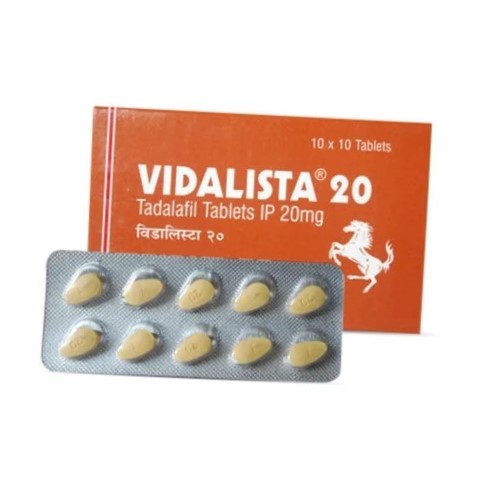
Buy Vidalista 20 mg Online | Uses & Safety Guide

Vidalista 20 mg contains tadalafil and is used to treat erectile dysfunction (ED) in adult men. It works by supporting blood flow to the penis during sexual stimulation, helping achieve and maintain an erection. Before you buy Vidalista 20 mg, it is important to understand the medicine, possible side effects, and potential interactions.

Vidalista may not be suitable for everyone, particularly people taking nitrate medicines or those with certain cardiovascular conditions. Common side effects can include headache, indigestion, flushing, nasal congestion, and back pain.

For safe use, consult a qualified healthcare professional to determine whether tadalafil is appropriate for you and what dose is suitable. Always obtain medicines from a legitimate source and follow the prescribed directions.

visit here : Amozonpill

Muscle Therapy

Massage Therapy in Timonium Maryland at 410 Muscle Therapy offers personalized bodywork for athletes, active adults, and anyone looking for focused relaxation, muscle comfort, and recovery support. Sessions can be tailored to individual needs and may include deep tissue massage, sports massage, myofascial release, hot stone massage, hot towel massage, acupressure, and other specialized techniques. Located in Timonium, Maryland, 410 Muscle Therapy takes a movement-focused approach to help clients address areas of muscular tension while creating a comfortable and personalized massage experience. Whether you are recovering after physical activity or simply looking for regular bodywork, 410 Muscle Therapy provides customized massage therapy designed around your preferences and wellness goals.

0

Heathetc

Healthetc. is an Indian wellness brand dedicated to making preventive healthcare simple, effective, and enjoyable through doctor-formulated, sugar-free, vegan health gummies. Our product range includes Sleep Gummies, Skin Care Gummies, Hair Growth Gummies, Diabetic Gummies, Immunity Gummies, and Menopause Gummies, all made with clinically researched, plant-based ingredients and free from gelatin and harmful additives. Designed to support everyday wellness, our products combine science-backed nutrition with convenience in a delicious gummy format. Health products are available across India through healthetc.life, Cureka, Tata 1mg, and Amazon India, helping people achieve their health goals with trusted, high-quality nutritional solutions.

0

Adeno Associated Virus Vector Manufacturing Market Outlook 2026-2035: Competitive Insights, Revenue Projections & Segment Expansion

Adeno-associated virus (AAV) vectors have become an important delivery platform for several gene therapy programs. As more AAV-based candidates progress through clinical development, manufacturers are facing growing requirements for production capacity, consistency and scalable manufacturing processes.

The AAV vector manufacturing market encompasses the technologies and services used to produce these vectors for research, clinical development and commercial applications.

Scaling AAV Production Remains a Major Industry Focus

AAV manufacturing involves several interconnected stages, including vector production, harvesting, purification, characterization and quality testing. Moving from early-stage development to larger-scale production can introduce new technical and operational requirements, particularly when processes need to maintain consistent product quality at higher volumes.

Manufacturing platforms can differ according to the production system and technology employed. Companies are therefore evaluating approaches that can improve productivity, reproducibility and scalability while meeting increasingly demanding quality expectations.

The expansion of outsourced manufacturing is another notable development. Gene therapy developers may partner with specialized contract development and manufacturing organizations to access manufacturing infrastructure and technical expertise without building every capability internally.

Purification is also an important consideration because the final vector preparation needs to meet appropriate specifications for clinical use. Analytical testing and process characterization play complementary roles in establishing product quality and monitoring manufacturing consistency.

The broader AAV ecosystem includes vector developers, biotechnology companies, pharmaceutical manufacturers, specialized service providers and technology suppliers. Their roles can change as a candidate moves from discovery through clinical development and commercialization.

As gene therapy pipelines mature, manufacturing capacity is likely to remain closely connected to the ability to advance AAV-based programs. Process scalability, quality systems, supply reliability and manufacturing economics will continue to influence development strategies.

For more details on the AAV vector manufacturing market, please visit the following URL:

https://www.rootsanalysis.com/reports/adeno-associated-virus-vector-manufacturing-market.html

0

Tanvi Herbals Global

Tanvi Herbals is an Ayurvedic and herbal wellness brand offering a wide range of products for health, wellness, hair care and skincare. Established in 1992, the brand focuses on traditional Ayurvedic knowledge and herbal ingredients to support everyday personal care and wellness needs.

The Tanvi Herbals product range includes herbal wellness products, hair oils, hair cleansers, hair-care kits, skincare creams, face-care products, herbal powders, wellness tablets, tonics and combination kits. The website provides detailed information about different products and their recommended usage, helping customers explore options according to their individual requirements.

Tanvi Herbals also offers specialised product collections covering areas such as hair care, skin care, digestion and general wellness. Customers can explore individual products as well as carefully selected combination kits for different personal-care routines.

For more information about the brand, its product categories and available wellness products, visit the official website: https://global.tanviherbals.com/

To explore the available products and learn more about their ingredients, benefits and usage information, visit the Tanvi Herbals product section: https://global.tanviherbals.com/shop/

Tanvi Herbals aims to make traditional Ayurvedic and herbal wellness products accessible to customers while encouraging informed and responsible choices for everyday health and personal care.

Skin & Cosmetic Surgery Clinic

The Skin & Cosmetic Surgery Clinic is a top choice for cutting-edge cosmetic surgery and dermatological care. Our clinic provides various services, such as skin care treatment, cosmetic surgery, and laser treatments, all to enhance natural beauty. Under the direction of experienced dermatologist Dr. Geetika, we first put patient safety, individualized treatment, and innovative technology to provide outstanding results. We are focused on assisting those suffering and those who desire to reach their cosmetic objectives, whether looking to have a transforming operation or renew their skin.

Specialists In Orthodontics

Your new smile begins right here. If you are looking to straighten your teeth or improve your smile, Specialists In Orthodontics is ready to assist you. Invisalign, braces, clear braces, or hidden braces are some of the common techniques we have constantly applied to improving our patient’s smile, and the confidence behind the smile. A variety of options are available for children, teenagers, and adults.

Specialists In Orthodontics is a leading orthodontic clinic. We love creating beautiful smiles with our highly trained team of specialist orthodontists and staff members. To give you that perfect smile, our orthodontists will analyse your smile and give you best options that are tailored specifically to your needs and requirements.

Book your visit to the top-rated orthodontist in Point Cook today!

0

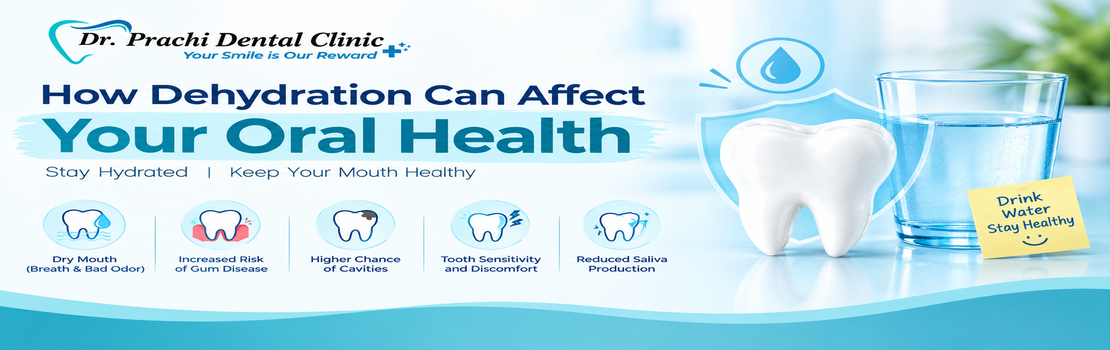
How Dehydration Can Affect Your Oral Health

Water is essential for almost every function in the body, but its importance for oral health is often overlooked. Staying hydrated helps maintain saliva production, wash away food particles, and support a healthy environment inside the mouth. When the body does not get enough fluids, the mouth can become dry, uncomfortable, and more vulnerable to certain dental problems.

Understanding the connection between hydration and oral health can help you protect your teeth and gums. A Dentist in Murlipura Jaipur can also provide personalised advice if you regularly experience dry mouth, bad breath, tooth sensitivity, or other oral concerns.

What Happens to Your Mouth When You Are Dehydrated?
One of saliva’s important functions is protecting the teeth and gums. It helps wash away food debris, neutralise acids produced by oral bacteria, and provide minerals that support tooth enamel.

When you are dehydrated, your body may produce less saliva. This can result in a condition commonly known as dry mouth, or xerostomia. Reduced saliva means the mouth has less natural protection against bacteria and acids.

Mild dehydration may cause temporary dryness, while prolonged inadequate fluid intake can contribute to recurring oral discomfort and increase the risk of dental problems.

1. Increased Risk of Cavities
Saliva helps neutralise acids and clear food particles from the mouth. When saliva production decreases, bacteria and acids may remain around the teeth for longer.

This can increase the risk of enamel damage and cavities, particularly if you frequently consume sugary foods or drinks. Regular, good brushing habits and dental check-ups can help reduce this risk.

2. Bad Breath
Dehydration is a common factor that can contribute to bad breath. Reduced saliva flow allows food particles and bacteria to remain in the mouth, which can lead to an unpleasant odour.

Drinking enough water throughout the day can help keep the mouth moist and support saliva flow. If bad breath continues despite good hydration and oral hygiene, a Dentist in Jaipur can check for underlying dental or gum problems.

3. Gum Problems
A dry mouth can make the oral environment less comfortable and may contribute to plaque accumulation. Plaque buildup around the gumline can increase the risk of gingivitis and other gum problems.

Signs such as red, swollen, tender, or bleeding gums should not be ignored. Maintaining hydration along with daily brushing and cleaning between the teeth can support better gum health.

4. Dry and Uncomfortable Mouth
One of the most noticeable effects of dehydration is a dry or sticky feeling in the mouth. You may also experience difficulty swallowing or speaking comfortably.

People who frequently experience dry mouth should discuss it with a dental professional because persistent dryness can sometimes be related to medications, medical conditions, or other factors besides dehydration.

5. Difficulty Protecting Tooth Enamel
Saliva contains minerals that help support the natural repair and protection of tooth enamel. Reduced saliva flow can interfere with this protective process.

Although drinking water does not replace regular dental care, maintaining adequate hydration can support the mouth’s natural defenses and complement good oral hygiene.

How Much Water Should You Drink?
Fluid requirements vary depending on factors such as age, activity level, weather, diet, and overall health. Instead of focusing only on a fixed daily amount, drink water regularly throughout the day and pay attention to signs of dehydration such as thirst, dry mouth, and darker urine.

During hot weather or after physical activity, fluid needs may increase. Water is generally a good choice because it hydrates without adding sugar or acids that can affect teeth.

Tips to Protect Your Oral Health
Along with staying hydrated, consider these habits:

  • Drink water regularly throughout the day.
  • Choose plain water instead of sugary or acidic beverages.
  • Brush your teeth twice daily with fluoride toothpaste.
  • Clean between your teeth every day.
  • Limit frequent sugary snacks and drinks.
  • Avoid tobacco products.
  • Visit a Dentist in Murlipura Jaipur for regular dental examinations.
  • Seek professional advice if dry mouth or bad breath persists.

When Should You See a Dentist?
Occasional dry mouth after exercise or during hot weather may improve after drinking enough water. However, persistent dryness, frequent cavities, gum bleeding, mouth sores, or ongoing bad breath should be evaluated by a dental professional.

A Dentist in Jaipur can examine your teeth and gums, identify possible causes, and recommend suitable treatment or preventive measures.

Conclusion
Hydration plays an important supporting role in maintaining good oral health. Adequate water intake helps support saliva production, rinse away food particles, and maintain a healthier environment for your teeth and gums. However, hydration works best alongside proper brushing, interdental cleaning, a balanced diet, and regular dental visits.

If you frequently experience dry mouth or other oral health concerns, consulting a Dentist in Murlipura Jaipur can help identify the cause and protect your smile over the long term.

Frequently Asked Questions
1. Can dehydration cause dry mouth?
Yes. Dehydration can reduce saliva production and cause a dry or sticky feeling in the mouth. Drinking enough fluids can help restore normal moisture in many cases.

2. Can dehydration cause bad breath?
Dehydration may contribute to bad breath because reduced saliva allows bacteria and food particles to remain in the mouth for longer. Persistent bad breath should be evaluated by a dentist.

3. Is drinking water good for your teeth?
Yes. Water helps rinse food particles from the mouth, supports saliva function, and does not contain the sugars found in many sweetened beverages. Fluoridated water may also provide fluoride that helps protect teeth, depending on the local water supply.

4. When should I see a dentist for dry mouth?
If dry mouth continues despite adequate hydration or is accompanied by frequent cavities, gum problems, mouth sores, or difficulty eating and speaking, consult a Dentist in Jaipur for an evaluation.