In the age of digital transformation, the agricultural sector is undergoing a radical shift from labor‑intensive practices to data‑driven, precision‑focused operations. Smart farming, a term that now encompasses everything from satellite‑based field mapping to AI‑assisted decision making, seeks to maximize yields while minimizing inputs such as water, fertilizer, and pesticides. Among the most compelling tools in this toolbox are agriculture drones equipped for spraying. These aerial platforms combine the agility of unmanned aerial vehicles (UAVs) with sophisticated sensors and controllable dispensing systems, allowing farmers to apply agro‑chemicals with pinpoint accuracy, speed, and safety. The result is a farming model that is not only more productive but also environmentally responsible—a true embodiment of “smart” agriculture.
The Technology Behind Drone Spraying
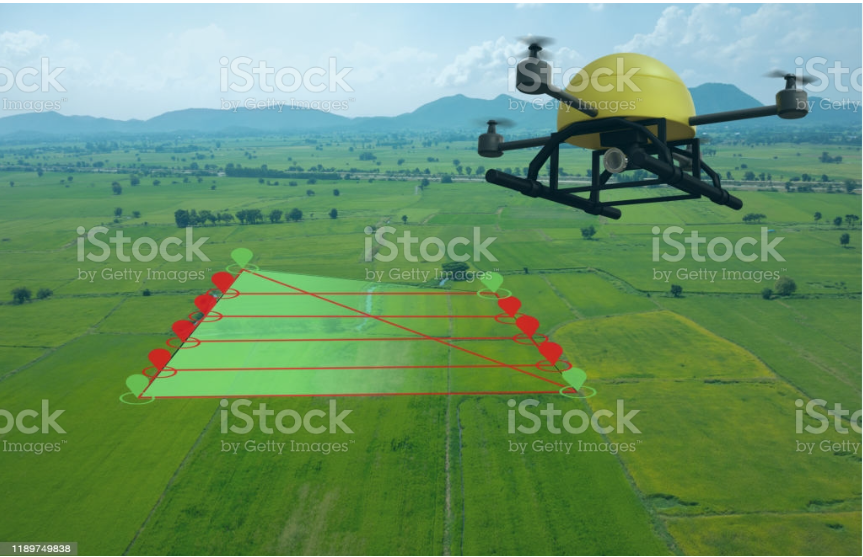
At the heart of drone‑based spraying lies a compact, lightweight frame capable of carrying payloads ranging from 5 to 30 kilograms of liquid. Multi‑rotor configurations (quad‑, hex‑, or octo‑copter) provide the stability needed for low‑altitude flight, while fixed‑wing designs offer longer endurance for larger fields. Integrated GPS and RTK (real‑time kinematic) modules enable centimeter‑level positioning, ensuring that every pass follows a pre‑programmed flight path without overlap or gaps. Coupled with flow‑meter‑controlled nozzles, the system can modulate spray volume on the fly, responding to variable‑rate prescriptions generated by field scouting or remote sensing data. The onboard computer runs mission‑planning software that translates a farmer’s prescription map into a series of waypoints, speed settings, and spray rates, effectively turning a complex chemical application into a single “push‑button” operation.
Precision Application: From Blanket Sprays to Variable‑Rate Targeting
Traditional ground sprayers often distribute chemicals uniformly across an entire field, regardless of pest pressure or weed density, leading to waste and potential phytotoxicity. Drone spraying, by contrast, excels at variable‑rate application. Using multispectral imagery captured by the drone itself or by orbiting satellites, farmers can generate disease or infestation heat maps that reveal hotspots and healthy zones. The flight plan then directs the UAV to increase spray intensity only where the map indicates a problem, while leaving unaffected areas untouched. This level of granularity can cut agro‑chemical usage by 20‑40 % without sacrificing pest control efficacy, delivering direct cost savings and reducing the environmental footprint.
Speed and Accessibility: Reaching the Hard‑to‑Get Corners
One of the most immediate benefits of aerial spraying is the speed at which large swaths of land can be treated. A 25‑kg capacity drone can cover up to 30 hectares per hour, a figure that rivals, and often exceeds, that of conventional tractor‑mounted sprayers, especially when field conditions are challenging. Steep slopes, wet soils, or fragmented plots that would force a ground vehicle to slow down or become stuck are no longer barriers; the drone simply hovers above, maintaining a consistent application rate. This accessibility is particularly valuable for smallholder farms in developing regions, where rugged terrain and limited mechanization have historically hampered efficient crop protection.
Safety and Labor Reduction
Pesticide exposure remains a serious occupational hazard for farmworkers worldwide. By removing the need for human operators to walk through chemically treated rows, drone spraying dramatically reduces the risk of inhalation, dermal contact, and accidental spills. Moreover, the technology eases labor shortages that many farms face, especially during peak spraying windows when multiple fields must be treated within a narrow weather window. A single trained drone pilot can oversee several UAVs simultaneously, orchestrating a coordinated fleet that blankets a farm in a fraction of the time required by a team of ground sprayers.
Economic Considerations: Upfront Costs Versus Long‑Term Returns
Adopting drone spraying does entail an initial capital outlay—ranging from $3,000 for a basic hobby‑grade unit to $30,000 or more for a professional, high‑capacity system with advanced analytics. However, a detailed cost‑benefit analysis often reveals a rapid payback period. Savings stem from reduced chemical consumption, lower fuel and maintenance costs for tractors, and decreased labor expenses. Additionally, many governments and agribusiness associations now offer subsidies or leasing programs to lower the barrier to entry. When the savings from a single season—often between $500 and $2,000 per hectare—are tallied, the return on investment can be realized within two to three years, after which the drone becomes a profit‑center rather than a cost center.
Integration with Farm Management Platforms
The true power of agricultural drones emerges when they are linked to broader farm management information systems (FMIS). Data captured during each flight—flight logs, spray volumes, GPS tracks, and even post‑spray imagery—can be uploaded automatically to cloud‑based dashboards. Farmers can then visualize application patterns, verify compliance with regulatory limits, and generate reports for certification bodies. AI algorithms can further refine future prescriptions by correlating spray effectiveness with yield outcomes, weather patterns, and soil health metrics. This closed‑loop feedback mechanism transforms a one‑time spraying event into a continuously improving decision‑making process.
Regulatory Landscape and Best Practices
Operating drones for pesticide application is subject to national aviation and environmental regulations. In many jurisdictions, pilots must obtain a specific agricultural UAV license, and the drones themselves must meet standards for weight, line‑of‑sight operation, and safety features such as automatic return‑to‑home. Farmers should also adhere to pesticide label directions regarding droplet size, drift mitigation, and buffer zones. Best practices include conducting pre‑flight wind assessments (ideally below 10 km/h), calibrating nozzle flow rates before each mission, and maintaining a clear flight log for audit purposes. By following these guidelines, growers can avoid legal complications while maximizing the efficacy of their spray programs.
Case Studies: Real‑World Impact
Midwestern Corn Belt, USA: A 500‑acre farm switched from a conventional boom sprayer to a fleet of three 20‑kg drones. Over two seasons, the farm reported a 28 % reduction in herbicide usage and a 12 % increase in average yield, attributed to more uniform weed control and earlier application timing facilitated by rapid drone deployment after weather forecasts improved.
Rice paddies, Philippines: Smallholder cooperatives adopted low‑cost quad‑copter sprayers to manage rice blast disease. Because the drones could operate over flooded fields without damaging equipment, the cooperatives achieved a 35 % drop in fungicide costs while maintaining grain quality, demonstrating how drone spraying can overcome terrain constraints that ground equipment cannot.
Viticulture, France: A premium wine estate used fixed‑wing drones equipped with LiDAR to map canopy density and apply copper‑based fungicides only where vine vigor indicated susceptibility. The precision approach reduced copper input by 40 %—a critical achievement given tightening EU restrictions on copper usage—and preserved the delicate balance of soil microbiota essential for terroir expression.
Future Directions: Swarm Intelligence and Autonomous Operations
The next frontier for agricultural drone spraying lies in swarm technology and full autonomy. Researchers are developing algorithms that enable dozens of drones to communicate in real time, dynamically allocating sections of a field based on battery levels, payload status, and emerging weather changes. Such swarms could complete a 200‑hectare spray mission in under 15 minutes, a feat impossible for a single UAV. Coupled with AI‑driven pest detection—where onboard cameras identify disease symptoms and instantly generate a variable‑rate map—the system would require minimal human intervention beyond initial mission approval. As battery energy density improves and regulations evolve to accommodate beyond‑visual‑line‑of‑sight (BVLOS) operations, fully autonomous, large‑scale drone spraying may become the standard for high‑tech farms.
Conclusion: Democratizing Smart Agriculture
Agriculture drone spraying encapsulates the core promise of smart farming: delivering more with less, while safeguarding both the farmer and the environment. By marrying precision application, rapid field coverage, and data integration, drones turn pesticide and fertilizer management into a scientifically guided, economically viable practice. Though initial costs and regulatory compliance demand careful planning, the long‑term gains—reduced input waste, enhanced worker safety, and higher yields—make the technology an attractive proposition for farms of every size. As the industry continues to innovate—through swarm intelligence, autonomous flight, and tighter integration with AI analytics—the path toward a more resilient, sustainable, and productive agricultural future becomes not just a possibility, but an imminent reality. Smart farming is finally within reach, and drone spraying is the aerial brush that paints it in bold, efficient strokes.
0