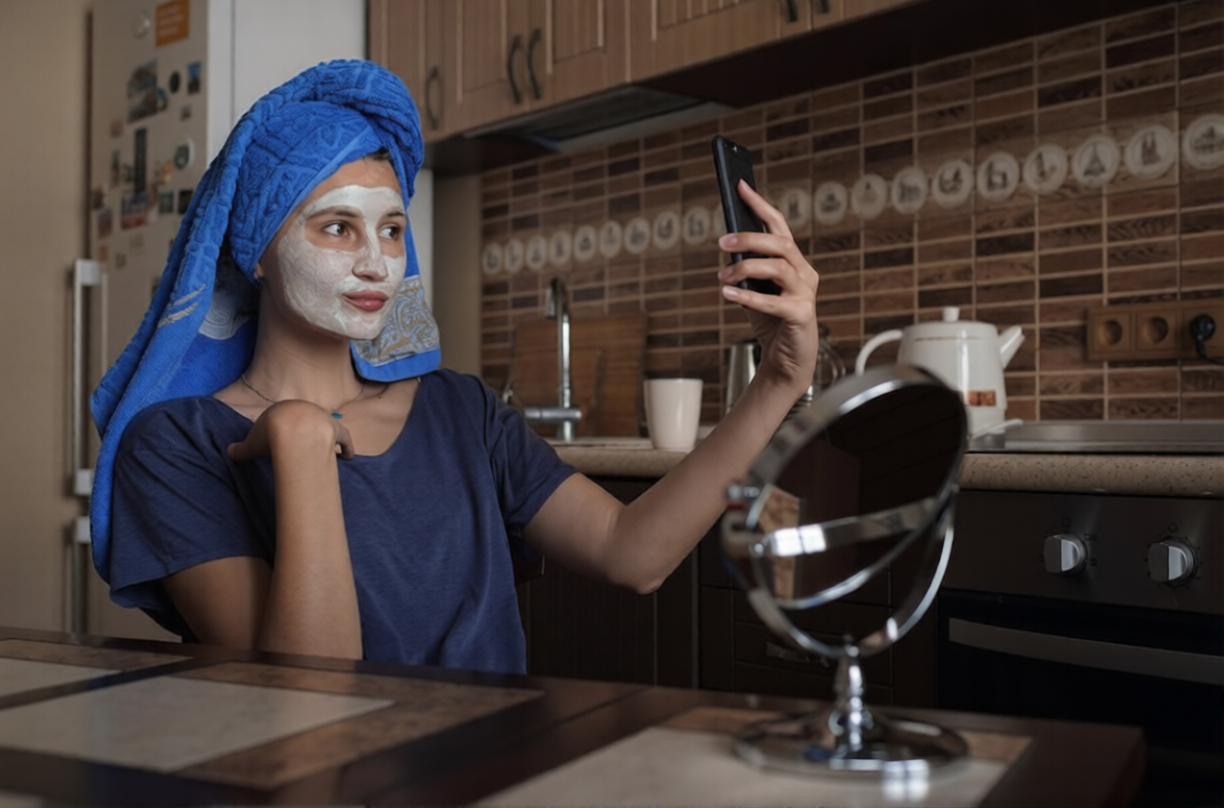
If you’ve spent more than five minutes on skincare TikTok or Reddit, you’ve probably seen people slathering their faces in a glossy layer before bed and calling it slugging. The promise? Deep hydration, a stronger skin barrier, and that coveted “glass skin” look by morning. Fans swear it transformed their skin overnight—especially when paired with hydrating steps earlier in the routine, like essences or toners such as 9 wishes rice toner—but skeptics argue it’s just another overhyped trend. So what’s the truth?
Slugging isn’t actually new. While social media may have given it a catchy name, the technique itself has roots in dermatology and long-standing skincare practices. The real question isn’t whether slugging exists, but whether it works for everyone—and whether you should try it.
What Is Slugging in Skincare?
Slugging is the practice of sealing your nighttime skincare routine with an occlusive product—most commonly petrolatum-based ointments like petroleum jelly. The name comes from the shiny, “slug-like” finish it leaves on the skin.
Unlike moisturizers that hydrate or nourish the skin, slugging doesn’t add moisture on its own. Instead, it locks in everything you applied beforehand by forming a barrier that reduces transepidermal water loss (TEWL).
In simple terms:
- Hydrators add water
- Moisturizers soften skin
- Occlusives seal it all in
Slugging is all about that last step.
Where Did the Slugging Trend Come From?
Although slugging feels very Gen Z, dermatologists have recommended occlusives for decades—especially for patients with eczema, compromised skin barriers, or post-procedure sensitivity.
The trend gained momentum online because:
- It’s affordable (drugstore staples work just fine)
- Results can be dramatic for dry or dehydrated skin
- It fits perfectly into minimalist skincare routines
What social media did change was how slugging was marketed: as a beauty hack rather than a medical recommendation.
How Slugging Works: The Science Behind It
Your skin naturally loses water throughout the day and night. This process, known as transepidermal water loss, can increase due to:
- Cold or dry weather
- Over-exfoliation
- Harsh cleansers
- Active ingredients like retinoids or acids
Occlusives work by creating a physical barrier on the skin’s surface. Petrolatum, for example, can reduce water loss by up to 30–50%.
When applied as the final step in your routine, slugging:
- Prevents dehydration overnight
- Supports skin barrier repair
- Helps previously applied products work more effectively
That’s why it’s especially popular during winter or when the skin is irritated.
Benefits of Slugging for Your Skin
When done correctly, slugging can offer several benefits:
1. Deep Hydration Retention
Slugging doesn’t hydrate by itself, but it dramatically improves how well your skin holds onto moisture.
2. Stronger Skin Barrier
By reducing water loss, your skin barrier has a chance to repair itself, which can reduce sensitivity over time.
3. Smoother, Softer Skin
Many people notice softer skin by morning, especially around dry-prone areas like the cheeks or jawline.
4. Reduced Irritation
Slugging can calm compromised skin caused by overuse of actives or environmental stressors.
Who Should (and Shouldn’t) Try Slugging
Slugging isn’t one-size-fits-all.
Good Candidates:
- Dry or dehydrated skin types
- People using retinoids
- Those with compromised skin barriers
- Cold or dry climate dwellers
Who Should Be Careful:
- Oily or acne-prone skin
- People prone to fungal acne
- Those with frequent clogged pores
If you’re acne-prone, slugging can still work—but only if done selectively and with the right products.
Best Ingredients to Use When Slugging
Because slugging locks in everything, what you apply underneath matters a lot.
Ideal Ingredients Before Slugging:
- Hyaluronic acid
- Glycerin
- Ceramides
- Panthenol
- Niacinamide (in low concentrations)
Ingredients to Avoid Right Before Slugging:
- Strong exfoliating acids
- High-percentage retinoids
- Benzoyl peroxide
Occluding harsh actives can increase irritation instead of healing.
Common Slugging Mistakes to Avoid
Slugging may be simple, but mistakes are common.
Applying on Dirty Skin
Slugging traps whatever is on your face—good or bad. Always cleanse thoroughly.
Using Too Much Product
A thin layer is enough. Overdoing it can feel uncomfortable and increase the risk of clogged pores.
Slugging Every Night
More isn’t always better. Many people benefit from slugging 1–3 times per week.
Ignoring Your Skin Type
Just because it works for someone online doesn’t mean it’s right for you.
Slugging for Different Skin Types
Dry Skin
Slugging can be a game-changer. Full-face slugging a few nights a week often works well.
Combination Skin
Focus on dry areas only, such as cheeks or around the mouth.
Oily Skin
Try “micro-slugging” by applying a tiny amount only where needed.
Acne-Prone Skin
Use non-comedogenic occlusives and avoid active breakouts.
Slugging vs. Other Moisturizing Techniques
Slugging isn’t the only way to boost hydration.
Slugging vs. Sleeping Masks
Sleeping masks hydrate and seal, while slugging mainly seals. Many people use both—but not together.
Slugging vs. Layering Moisturizers
Layering adds moisture; slugging preserves it. They can complement each other.
Slugging vs. Facial Oils
Oils are occlusive-adjacent but not as effective at preventing water loss as petrolatum.
Potential Side Effects and Risks
While generally safe, slugging can cause issues if misused:
- Breakouts from trapped bacteria
- Milia formation
- Increased irritation when sealing in actives
Patch testing and moderation are key.
Dermatologists’ Opinions on Slugging
Most dermatologists agree that slugging:
- Is safe when done correctly
- Is especially helpful for barrier repair
- Should be avoided on infected or inflamed acne
The consensus? Slugging is a tool, not a miracle cure.
Does Slugging Really Work? Final Verdict
Slugging works—but only when it’s done intentionally and tailored to your skin type. It’s not about piling on product or chasing trends. It’s about understanding your skin’s needs and supporting its natural barrier.
For dry, sensitive, or over-exfoliated skin, slugging can be transformative. For oily or acne-prone skin, a cautious, targeted approach is best.
Like most skincare trends, slugging isn’t magic—it’s method. And when used wisely, it can absolutely earn a spot in your routine.
Rate this business
Have you heard of this business? Do you like it? How do you like it?
Check out if it is in the list of Top Rated Small Businesses