How to Design a Custom Neon Light for Your Wall?

An empty wall can sometimes make a room feel unfinished, even when the furniture and other decorations are carefully chosen. Adding the right decorative feature can change the appearance of the space without requiring a complete makeover. One option worth considering is a personalised illuminated neon lights that reflects your interests, style, or personality.

Custom Neon Lights offer a way to turn a simple wall into something more personal. You can choose your own wording, font, colour, shape, and size to create a design that suits your room. Whether you want your name above your bed, a short phrase in the living room, a logo in your office, or a creative feature in a gaming room, a customised design gives you more flexibility than a standard decorative product.

However, a good design involves more than choosing an attractive phrase. The wall size, room lighting, furniture arrangement, readability, and installation method all influence the final result. By planning these details before placing an order, you can create a Neon Light that feels like a natural part of your interior.

1. Decide What You Want Your Wall to Express
Before choosing colours or fonts, decide what you want the design to communicate. The best ideas often come from the purpose of the room and the people who use it.

For example, you could choose:

Your name or initials for a bedroom
A meaningful phrase for a living room
Your business name for an office
A gaming nickname for an entertainment room
A logo for a studio or shop
A short welcome message for an entrance
Think about how you want the wall to look every day. A design that reflects a personal interest may remain enjoyable for years, while a trend-based phrase might lose its appeal sooner.

2. Choose the Right Words or Message
The wording is one of the most important parts of designing Custom Neon Lights. Since the text will become a visible feature of the room, it should be easy to read and appropriate for the setting.

Short phrases, names, and initials are often easier to design than long sentences. They can fit into smaller spaces and remain legible when viewed from across the room.

Before finalising your message, consider its length, meaning, spelling, and intended audience. If you are creating a business sign, check the company name carefully. For a personalised sign, confirm names and dates before approving the final design.

A simple message can often create a stronger impression than a design crowded with too many words.

3. Select a Font That Matches Your Interior
Font style can change the entire appearance of a sign. The same words can look romantic, playful, professional, or modern depending on the lettering.

Script fonts can work well for bedrooms, wedding décor, and personal spaces. Bold lettering may suit gaming rooms, shops, and contemporary interiors. Simple fonts are often a practical choice when readability is the main priority.

When choosing a font, look at:

Letter thickness
Spacing between characters
Readability from a distance
Overall width
Compatibility with the room’s style
Remember that highly decorative lettering may look attractive on a computer screen but become difficult to read when illuminated. Ask for a design preview before approving your order.

4. Pick Colours That Work With the Wall
Colour should complement the room rather than compete with everything around it.

A bright colour can create a striking contrast against a dark wall, while a softer shade may blend more naturally with neutral interiors. The furniture, curtains, flooring, artwork, and existing lights should all be considered when selecting a colour.

For example, a simple white or warm-toned design may suit a calm bedroom. A gaming room might work well with more vibrant colours, while a professional reception area may benefit from colours associated with the company’s branding.

Different colours can appear different depending on the wall finish and surrounding lighting. If possible, review the supplier’s colour samples or photographs of completed installations before making your decision.

5. Measure the Wall Before Choosing the Size
One of the most common design mistakes is ordering a sign without measuring the available space.

A design that looks perfectly proportioned in a product photograph may appear too small or too large on your wall. Measure the available width and height, then consider how the sign will sit in relation to nearby furniture.

For a sign above a sofa, bed, or desk, think about the width of the furniture below it. The sign should look balanced rather than extending awkwardly beyond the surrounding arrangement.

Also leave enough empty space around the design. A wall does not need to be completely filled to look attractive.

6. Match the Design to the Room
Different rooms have different decorative needs. A design that works in a gaming room may not be suitable for a formal living room.

Bedroom
Choose a name, initials, or short phrase that feels personal. Consider softer illumination if the sign will remain visible in the evening, particularly near the bed.

Living Room
A simple phrase, family name, or decorative symbol can create a focal point above a console table or behind a seating area.

Home Office
A business name, personal logo, or concise professional message can add character to the workspace. Position it where it looks appropriate during video meetings without distracting you while working.

Gaming Room
A nickname, gaming-related phrase, or custom symbol can complement the room’s theme. Check how the brightness interacts with screens to avoid unwanted reflections.

Shop or Studio
A business logo or name can make the wall more recognisable. Prioritise readability, brand consistency, and visibility from the customer area.

7. Plan the Placement Carefully
Even a well-designed Custom Neon Light can look out of place if it is installed in the wrong position.

Before deciding where to mount it, consider the viewing angle, available wall space, furniture height, power access, and nearby decorations.

A sign above a bed should not interfere with the headboard or other fittings. In a living room, avoid positioning it where curtains or tall furniture will obscure it. In a shop, make sure customers can see it without blocking displays or walkways.

You can mark the proposed dimensions on the wall with removable tape to get a better idea of how the finished installation will look.

8. Think About Brightness and Existing Lighting
The sign should work with the room’s existing lighting.

A brightly illuminated design may look attractive in a dark room but become less noticeable in strong daylight. On the other hand, a very bright sign can feel distracting in a smaller room or create reflections on nearby screens.

Consider when the room is used most often and whether the sign will be viewed during the day, in the evening, or under artificial lighting.

If adjustable brightness is available, check the supplier’s specifications. Do not assume every model includes this feature.

A Neon Light is primarily a decorative feature, so it should not be expected to replace the room’s main lighting unless the product is specifically designed for that purpose.

9. Choose Suitable Materials and Construction
Before ordering Custom Neon Lights, understand how the product is made and what is included.

Many modern decorative signs use flexible LED tubing mounted on a backing panel rather than traditional glass neon. These products can offer a different combination of weight, appearance, and maintenance requirements.

Ask the supplier about the tubing, backing material, mounting hardware, power supply, and intended indoor or outdoor use.

The quality of construction matters because the sign will be mounted on a wall and connected to a power source. Check the product specifications and warranty rather than relying only on photographs.

10. Make the Design Easy to Install
Installation should be part of the design process, not something considered after the sign arrives.

Identify the nearest suitable power outlet and decide how the cable will reach it. If the cable will be visible, plan a route that keeps it organised and away from areas where people could catch their feet or pull on it.

Check whether the wall can support the chosen mounting method. For rented accommodation, confirm whether drilling is permitted.

Larger signs or installations involving unfamiliar electrical connections may require professional assistance. Follow the manufacturer’s instructions and avoid modifying the power supply or wiring.

11. Keep the Design Simple and Balanced
It can be tempting to combine several colours, symbols, fonts, and phrases in one design. However, too many elements can make the sign difficult to understand.

Choose one main feature and let it stand out. If you want to include a name and symbol, make sure they work together rather than competing for attention.

The surrounding wall should also be considered. If the area already contains artwork, shelves, mirrors, or photographs, a simpler sign may create a better balance.

The aim is to create a design that looks intentional rather than crowded.

12. Review the Design Before Ordering
Before approving the final artwork, check the details carefully.

Make sure the wording is correct, the dimensions fit your wall, and the colours and font match your expectations. Review how the sign will be mounted and where the power connection will be located.

Ask the supplier whether the preview represents the final dimensions and whether the design can be adjusted before production.

It is also worth checking delivery times, warranty conditions, return policies, and the process for reporting a damaged product.

These details can help prevent disappointment after the order arrives.

Common Mistakes to Avoid
When designing Custom Neon Lights for your wall, avoid these common errors:

Choosing a design before measuring the space
Using too much text
Selecting a font that is difficult to read
Ignoring the room’s colour scheme
Choosing excessive brightness
Placing the sign too close to furniture
Forgetting the power outlet
Ignoring cable management
Overlooking installation requirements
Ordering without checking the final preview
Taking a few extra minutes to review these points can help you make a more suitable choice.

Conclusion
Designing a Custom Neon Light for your wall is an opportunity to bring your personal style into your home or workplace. Whether you prefer a name, meaningful phrase, business logo, or creative symbol, the right design can transform an ordinary wall into a distinctive feature.

Start by deciding what you want the sign to express. Then choose suitable wording, font, colour, dimensions, and placement. Consider the room’s furniture, existing lighting, installation requirements, and power access before placing your order.

Most importantly, do not choose a design simply because it looks impressive online. Think about how it will appear in your actual space and whether you will continue to enjoy it over time.

With careful planning, Custom Neon Lights can complement your interior, add personality to your wall, and create a decorative feature that feels genuinely connected to your space.

0

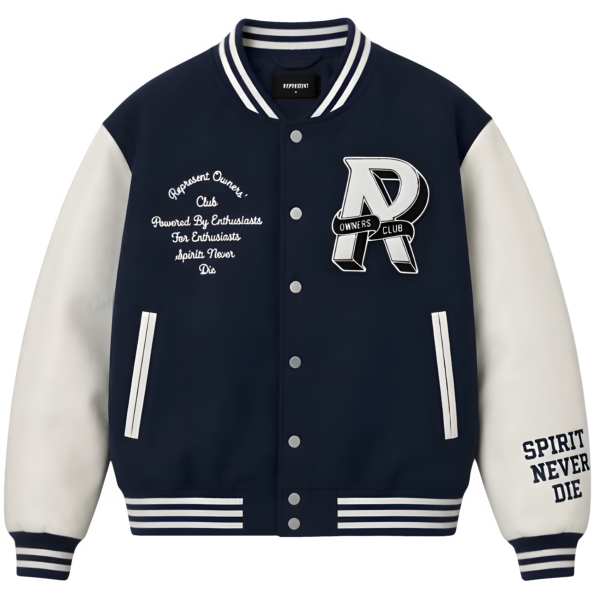
Represent Bomber Jacket A Modern Essential for British Streetwear

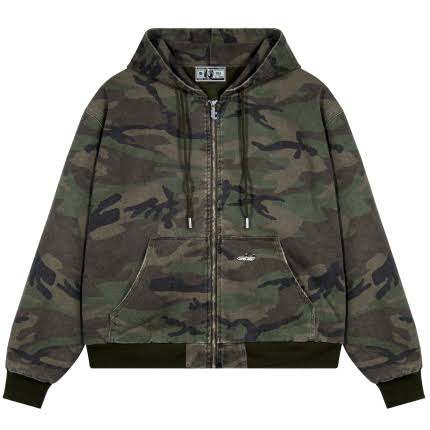
Outerwear can define an outfit, and a bomber jacket is one of the easiest ways to add structure to everyday streetwear. The Represent Bomber Jacket appeals to shoppers who appreciate contemporary silhouettes, versatile layering, and a balance between casual comfort and a more refined appearance. Across the UK, bomber jackets are useful during transitional seasons when a T-shirt alone may not provide enough coverage but a heavy winter coat feels unnecessary. Their distinctive shape works with denim, cargo trousers, relaxed sweatpants, and other everyday wardrobe staples.

For anyone exploring modern streetwear, choosing the right bomber jacket involves more than colour or branding. Fabric, fit, lining, construction, and weather suitability all influence whether a jacket becomes a regular part of your wardrobe.

What Makes a Represent Bomber Jacket Different?
Bomber jackets have a distinctive silhouette, traditionally featuring a front fastening, ribbed cuffs, and a ribbed hem. Contemporary interpretations can introduce different fabrics, proportions, pockets, graphics, and finishing details. Represent-inspired outerwear fits naturally into modern streetwear because it can add structure to relaxed outfits without making them look overly formal. A bomber jacket can be worn over a simple T-shirt, layered above a hoodie, or combined with tailored casual trousers for a more considered appearance.

The exact features of a Represent Bomber Jacket depend on the individual product. Some designs may prioritise a clean, understated look, while others may feature more prominent details or a roomier silhouette. Before purchasing, check the product description and photographs to understand the actual construction, fabric composition, and fit rather than assuming every bomber jacket shares the same specifications.

Why Bomber Jackets Work for UK Streetwear
The UK’s changing weather makes adaptable outerwear particularly useful. A bomber jacket can provide an additional layer during cool mornings, breezy afternoons, and mild evenings. Its versatility also makes it suitable for different casual settings. You might wear one for a weekend outing, a city walk, travelling, or meeting friends. The jacket’s structured shape can bring a more finished appearance to outfits built around everyday basics.

Another advantage is that bomber jackets can complement different personal styles. Neutral designs suit minimalist wardrobes, while more distinctive versions can become the main feature of an outfit.

The important consideration is choosing a jacket that suits the season and your lifestyle. A lightweight fashion bomber is not necessarily waterproof or warm enough for cold winter conditions, so check its specifications before relying on it for particular weather.

Choosing the Right Represent Bomber Jacket Fit
Fit determines how comfortably a jacket sits over your clothing and how balanced the overall outfit looks.

Regular-Fit Bomber Jackets
A regular-fit bomber jacket offers a balanced silhouette that works well over T-shirts and lightweight tops. It is a practical option if you prefer a defined shape without excessive room through the body.

This fit can be paired with straight-leg jeans, chinos, or simple casual trousers. It is particularly useful for shoppers who want a jacket that works across different outfits rather than making a strong fashion statement.

Oversized Bomber Jackets
An oversized bomber jacket offers more room through the body and sleeves. This shape works well with contemporary streetwear, particularly when combined with relaxed trousers or a hoodie.

Because an oversized jacket already creates volume, consider the proportions of the rest of your outfit. Straight-leg denim or moderately relaxed trousers can provide balance without making the entire look feel unnecessarily bulky.

Finding the Correct Size
Check the specific product’s size chart before ordering online. Compare the chest measurement, sleeve length, shoulder width, and overall jacket length with a jacket you already own.

If you plan to wear a hoodie underneath, make sure the jacket has enough room for comfortable layering. Do not automatically size up without checking the measurements, since oversized designs may already provide the extra space you want.

Black Represent Bomber Jacket An Easy Styling Choice
A black bomber jacket is a versatile option for people who prefer clothing that works with several colour combinations.

For a straightforward everyday outfit, wear it over a white or grey T-shirt with dark jeans and clean trainers. The contrast between the jacket and lighter top adds visual interest without requiring additional accessories.

For a more coordinated streetwear look, combine a black bomber with black cargo trousers or sweatpants. Different textures can help the outfit feel more distinctive even when the colours remain similar.

Black outerwear can also complement graphic T-shirts and hoodies. If your inner layer features a bold print, a simpler jacket can help keep the outfit balanced.

When comparing black bomber jackets, pay attention to the fabric finish and construction. Matte and slightly textured materials can create a different appearance from smooth or shiny fabrics.

Materials and Construction: What Should You Look For?
The material affects the jacket’s appearance, comfort, durability, and suitability for different conditions. Bomber jackets can be made from a range of fabrics, including nylon, polyester, cotton, and various blends. Each material behaves differently, and the exact result depends on the fabric weight, lining, weave, and finishing.

When evaluating a Represent Bomber Jacket, review the material composition and lining information. Check whether the jacket is designed primarily for style, warmth, or protection from light weather. Construction details also deserve attention. Examine the seams, zip fastening, pockets, collar, cuffs, and hem in the product photographs. Ribbed edges should complement the overall fit, while a well-positioned fastening can affect how comfortably the jacket closes. A lined jacket may provide more coverage than an unlined design, but lining alone does not establish how warm a garment will be. Fabric thickness and the overall construction also matter.

How to Style a Represent Bomber Jacket
A bomber jacket can serve as the finishing layer in several everyday outfits. The best combination depends on the weather, your preferred fit, and the rest of your wardrobe.

With a Plain T-Shirt and Jeans
A plain T-shirt, straight-leg jeans, and a bomber jacket create a simple outfit that works for casual outings. Neutral colours make the combination easy to repeat without looking identical every time.

With a Hoodie and Relaxed Trousers
For colder days, layer a hoodie beneath the jacket and pair it with relaxed trousers. Check that the jacket has sufficient room through the shoulders and sleeves to accommodate the extra layer comfortably.

With Cargo Trousers
Cargo trousers add a practical, utility-inspired element to a bomber jacket outfit. Keep the colour palette coordinated so that the pockets and proportions of both garments complement one another.

With Sweatpants and Trainers
A bomber jacket can also add structure to a relaxed outfit built around sweatpants. Choose a jacket with a suitable length and combine it with footwear that complements the overall silhouette.

With Smart-Casual Basics
For a slightly more polished casual appearance, wear a simple bomber over a plain top with clean trousers and understated footwear. This combination offers a useful alternative to a hoodie when you want a more structured outer layer.

Represent Bomber Jacket vs Other Streetwear Jackets
Different jacket styles offer different advantages, and the best choice depends on how you intend to use the garment.

Jacket type
Main styling appeal
Best consideration
Bomber jacket
Structured, casual silhouette
Fit and fabric
Denim jacket
Classic, textured appearance
Season and layering
Varsity jacket
Sport-inspired styling
Colour and detailing
Puffer jacket
Insulated, padded appearance
Warmth and bulk
Lightweight shell
Practical outer layer
Weather protection
A bomber jacket is a good option when you want outerwear that feels more structured than a hoodie but remains casual enough for everyday wear. A puffer or insulated coat may be more suitable when warmth is the priority.

Compare the actual product specifications rather than choosing a jacket based only on its name or appearance.

How to Choose a Bomber Jacket for Different Seasons
Seasonal suitability is especially important for UK shoppers because conditions can change throughout the year.

Spring: A lightweight bomber can provide a useful extra layer over a T-shirt or thin sweatshirt. Choose a fabric weight that feels comfortable during mild conditions.

Summer evenings: An unlined or lightweight design may be suitable when temperatures drop after sunset. Consider breathability and avoid unnecessarily heavy materials.

Autumn: A bomber jacket can be layered over a hoodie or long-sleeved top. Make sure the fit allows comfortable movement and additional clothing underneath.

Winter: A lightweight bomber may not offer sufficient insulation on its own. Consider a lined design or a warmer coat when temperatures are low, and check the manufacturer’s information about intended use.

Remember that a fashion jacket should not automatically be treated as waterproof or windproof. Look for explicit product specifications if weather protection is important.

Where to Buy a Represent Bomber Jacket Online in the UK
Online shopping allows you to compare different jacket designs, sizes, prices, and delivery options before committing to a purchase. However, the reliability of the seller matters just as much as the product’s appearance. Start by checking official brand shopping channels and reputable retailers. Look for clear photographs, accurate descriptions, contact details, and transparent shipping and returns policies.

Before checkout, review the size chart and check the jacket’s measurements. This is particularly important if you intend to wear thicker layers underneath or prefer an oversized fit. Read customer feedback where available, especially comments about sizing, material quality, and how the jacket compares with its description. Review the delivery estimate, shipping charges, and refund conditions so you understand the full purchase terms.

Be cautious about websites offering unusually large discounts without reliable company information. Verify the seller’s identity and any claims about product authenticity before providing payment details. Not every website that uses the term Represent Bomber Jacket is an official brand store or an authorised retailer. Check the seller’s status if authenticity is important to your purchase.

How to Care for Your Represent Bomber Jacket
Proper care helps maintain the jacket’s appearance and functionality. Because bomber jackets can use different fabrics, linings, and trims, always follow the manufacturer’s care instructions. Some jackets may be suitable for machine washing, while others require a gentler cleaning method. Check the care label before washing, particularly when the garment contains special finishes, padded sections, or mixed materials.

Clean small marks according to the fabric’s instructions, and avoid excessive heat if the manufacturer advises against it. Pay attention to zips, ribbed cuffs, and other details when handling or storing the jacket. Store the garment in a clean, dry place and follow any hanging or folding recommendations provided by the manufacturer. Good storage practices can help keep your outerwear ready for the next season.

Is a Represent Bomber Jacket Worth Buying?
A Represent Bomber Jacket may be worth considering if you enjoy contemporary streetwear and want an outer layer that can work with several casual outfits. Its value depends on the individual product’s design, materials, construction, fit, and price. A simple jacket that complements your existing wardrobe may provide more everyday use than a highly distinctive design you wear only occasionally.

Before buying, consider how frequently you will use it, whether it suits the UK’s seasonal conditions, and whether the garment can accommodate your preferred layers. Compare the product details and seller policies before making a final decision. The best bomber jacket is one that combines a suitable silhouette with practical comfort and a design you genuinely enjoy wearing.

Frequently Asked Questions About Represent Bomber Jackets
1. What is a Represent Bomber Jacket?
A Represent Bomber Jacket refers to a bomber-style jacket associated with the Represent streetwear label or searches for that product category. Specific designs vary in material, fit, colour, and construction.

2. Is a Represent Bomber Jacket suitable for everyday wear?
A bomber jacket can be suitable for everyday casual outfits, travel, and informal outings. Choose a design with a comfortable fit and fabric appropriate for your intended use.

3. How should a Represent Bomber Jacket fit?
The jacket should sit comfortably around the shoulders and allow enough room for the layers you intend to wear underneath. Check the product’s measurements before ordering.

4. What should I wear with a Represent Bomber Jacket?
You can pair it with T-shirts, hoodies, jeans, cargo trousers, or sweatpants. Choose combinations that balance the jacket’s shape and colour.

5. Is a black bomber jacket easy to style?
Yes. Black works well with neutral tops, denim, cargo trousers, and many types of casual footwear, making it a flexible wardrobe option.

6. Can I wear a bomber jacket during a UK winter?
That depends on the jacket’s insulation, lining, and fabric. A lightweight fashion bomber may require additional layers or a warmer coat in cold conditions.

7. Are oversized bomber jackets suitable for streetwear?
Oversized bomber jackets can complement streetwear outfits, particularly when paired with relaxed trousers and simple footwear. Check the measurements to ensure the proportions suit your preferences.

8. How can I check the quality of a bomber jacket?
Review its fabric composition, seams, zip fastening, lining, cuffs, and product photographs. Detailed specifications and credible customer reviews can provide additional information.

9. Where can I buy a Represent Bomber Jacket in the UK?
Check the brand’s official shopping channels and reputable retailers. Verify the seller, delivery terms, product details, and return policy before purchasing.

10. How should I clean a Represent Bomber Jacket?
Follow the manufacturer’s care label because cleaning requirements differ between fabrics and construction types. Do not assume that every bomber jacket is machine washable.

Final Thoughts
The Represent Bomber Jacket is an option worth exploring for anyone interested in modern streetwear and versatile casual outerwear. Its structured silhouette can complement simple T-shirts, layered hoodies, denim, and relaxed trousers.

For UK shoppers, the most important factors are fit, material, seasonal suitability, and seller reliability. By checking these details before buying, you can choose a jacket that complements your wardrobe and suits your everyday routine.

0

Summit Pointe

Summit Pointe is a modern mixed-use development in Chesapeake, Virginia, offering luxury residences, retail, dining, office spaces, and entertainment in one vibrant community. The residential apartments feature contemporary designs, spacious layouts, and premium amenities, including fitness centers and landscaped communal areas. Summit Pointe hosts diverse retail shops, restaurants, and cafes, providing convenience and lifestyle options within walking distance. The development also offers modern office spaces with flexible layouts and advanced infrastructure, supporting business growth. Community engagement is emphasized through events and cultural activities, while amenities like parking and EV charging enhance convenience. Governed by an Owners’ Association, Summit Pointe maintains high standards and a safe, attractive environment. Combining modern living, business opportunities, and leisure, Summit Pointe is a premier destination for living, working, and socializing in Coastal Virginia.

0

reeltor756

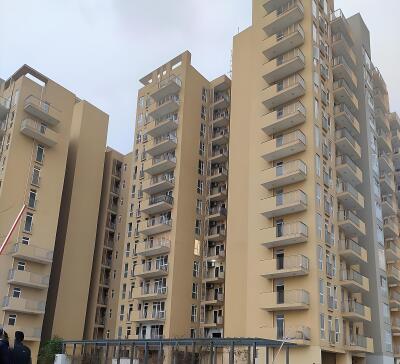
Look at Flats For Sale In Sector 60 Gurgaon with Reeltor. This area sits on Golf Course Extension Road and is known for new-style homes. Many people like the mix of apartment types here. You can find both higher-end options and mid-range units. The bigger societies often include club facilities, places for walking or jogging, and well-planned garden areas.

0

Haridwar Rishikesh Tour Package From Delhi: Complete Travel Guide

A trip from Delhi to Haridwar and Rishikesh combines spiritual experiences, riverside scenery, peaceful ashrams and outdoor adventure in one convenient getaway. Haridwar is known for its sacred ghats and evening Ganga Aarti, while Rishikesh offers suspension bridges, yoga centres, riverside cafés and adventure activities.

A Haridwar Rishikesh Tour Package From Delhi is suitable for families, couples, groups of friends and first-time visitors who want to explore Uttarakhand without planning every transfer and hotel separately. A well-paced trip usually needs two to three days, depending on whether you prefer temple visits, relaxation, river rafting or a mixture of all three.

This guide covers how to reach both destinations, the best places to visit, a practical itinerary, approximate trip costs, accommodation options and important booking tips to help you plan confidently.

Why Visit Haridwar and Rishikesh on the Same Trip?
Haridwar and Rishikesh are close enough to combine in one holiday, but each offers a different atmosphere.

Haridwar is primarily associated with pilgrimage, traditional Hindu rituals and the sacred River Ganga. Visitors come to Har Ki Pauri, attend the evening Ganga Aarti and visit temples around the city.

Rishikesh combines spirituality with nature and adventure. You can visit ashrams, walk across its famous suspension bridges, enjoy views of the Ganga and, during suitable seasons, participate in authorised adventure activities.

Combining both destinations works particularly well for a weekend because you can experience Haridwar’s religious traditions and Rishikesh’s riverside surroundings without spending several days travelling between distant attractions.

Travelers who want to explore beyond these two cities can also consider an Uttarakhand tour package from Delhi for a longer holiday covering additional destinations.

How to Reach Haridwar and Rishikesh From Delhi
Haridwar is approximately 220–230 km from Delhi by road, while Rishikesh is roughly 240–250 km away. Distances vary according to your starting point in Delhi and the route selected.

Allow approximately five to seven hours for the road journey to either destination under reasonably favourable conditions. Traffic leaving Delhi, roadworks, meal breaks and holiday congestion can extend the journey considerably.

By Car or Private Cab
A private car or cab offers flexibility and is particularly useful for families, couples and travellers visiting several temples.

  • You can leave Delhi at a convenient time.
  • Stops for meals and refreshments are easier to arrange.
  • Travelling with children or older family members can be more comfortable.
  • You can adjust the sightseeing schedule to suit your interests.

For a short trip, consider departing early in the morning to avoid losing a large part of your first day on the road.

By Train
Trains from Delhi to Haridwar are a practical alternative to road travel. Availability, journey duration and departure times depend on the service and travel date.

Haridwar Junction is convenient for visitors beginning with Har Ki Pauri and the city’s temples. From the station, you can continue by auto-rickshaw, taxi or another locally available transport option.

If Rishikesh is your main destination, check train options and the onward road transfer before booking. Compare the complete journey rather than considering only the train duration.

By Bus
Buses operate on the Delhi–Haridwar and Delhi–Rishikesh routes, with options varying by operator and date. Depending on your departure point and service, you may need a local transfer to reach your hotel or preferred attractions.

Book ahead during long weekends, school holidays and major pilgrimage periods. Check the boarding point carefully because a bus terminal may be some distance from your accommodation.

Best Time to Visit Haridwar and Rishikesh
Haridwar and Rishikesh can be visited throughout the year, but the best time depends on whether you prioritise comfortable sightseeing, religious occasions or adventure activities.

October to March: Comfortable for Sightseeing
The cooler months are generally suitable for temple visits, walking along the ghats, exploring ashrams and enjoying riverside views. Winter mornings and evenings can be chilly, so carry warm layers.

This is a good period for families and couples who prefer sightseeing over physically demanding activities.

March to June: Summer Holidays and Adventure
Summer is popular with families and weekend travellers. Temperatures can become hot, especially in Haridwar, so schedule outdoor sightseeing for the morning and evening.

River rafting and other adventure activities depend on authorised operating periods, weather, river conditions and local restrictions. Confirm availability before building your itinerary around them.

July to September: Monsoon Travel
The monsoon brings greener surroundings, but heavy rainfall can affect road travel, river conditions and outdoor activities.

River levels can rise quickly, and rafting may be suspended when conditions are unsafe. If travelling during this season, keep your schedule flexible and follow local advisories.

Travel During Festivals
Haridwar becomes especially busy during major religious events, including Kanwar Yatra and Kumbh-related gatherings when scheduled. These occasions can involve traffic restrictions, diversions, crowded ghats and changes to local access.

Check official announcements before booking accommodation for festival dates. A quieter weekend outside major religious events may suit travellers who want a more relaxed visit.

Best Places to Visit in Haridwar
Haridwar deserves more than a quick stop on the way to Rishikesh. Its temples, ghats and traditional markets provide a meaningful introduction to the religious culture of Uttarakhand.

1. Har Ki Pauri
Har Ki Pauri is one of Haridwar’s best-known religious landmarks. Pilgrims gather along the Ganga to offer prayers, and the evening Ganga Aarti is a major attraction.

Arrive early if you want a comfortable viewing position. During crowded periods, allow extra time to reach the ghat and follow the instructions of local authorities and volunteers.

2. Mansa Devi Temple
Situated on Bilwa Parvat, Mansa Devi Temple is an important pilgrimage destination. Visitors can reach it using the available ropeway service or by walking the uphill route, subject to current access arrangements.

The ropeway is a convenient option for many visitors, but queues can grow during holidays. Check operating status and ticket arrangements on your travel date.

3. Chandi Devi Temple
Chandi Devi Temple is another prominent hilltop shrine. The visit involves an uphill route, and a ropeway may be available depending on operating conditions.

If you plan to visit both Mansa Devi and Chandi Devi temples, check the time required for transfers and queues rather than assuming both can be covered quickly.

4. Daksh Mahadev Temple
Located in the Kankhal area, Daksh Mahadev Temple is associated with the Hindu tradition surrounding King Daksha and Goddess Sati. It is a useful addition for travellers interested in Haridwar’s religious heritage.

You can combine the temple with other nearby sites, subject to opening hours and local access.

5. Local Markets and Traditional Food
Haridwar’s markets are worth exploring for religious souvenirs, prayer items, sweets and vegetarian snacks.

Look for familiar regional favourites such as kachori, aloo puri and jalebi from reputable shops. Haridwar has a strong vegetarian food culture, and travellers should respect the rules displayed around religious sites.

Best Places to Visit in Rishikesh
Rishikesh has a mix of spiritual landmarks, scenic river views and outdoor experiences. The attractions are spread across different parts of the town, so grouping nearby stops saves time.

1. Ram Jhula and Nearby Ashrams
Ram Jhula is a recognisable suspension bridge across the Ganga, surrounded by temples, ashrams and riverside neighbourhoods.

It is worth exploring the nearby area on foot, but check current bridge access before your visit because pedestrian arrangements can change during maintenance or safety restrictions.

2. Lakshman Jhula Area
The Lakshman Jhula area is known for its river views, temples, cafés and spiritual atmosphere. The original bridge has been closed to regular public use, so do not assume you can cross it.

Check the latest local access arrangements and use an officially permitted alternative crossing when necessary. This is particularly important when planning a walking route with children or older relatives.

3. Triveni Ghat
Triveni Ghat is a popular place to attend Ganga Aarti in Rishikesh. The ceremony provides a quieter alternative for travellers who want to experience a riverside prayer gathering beyond Haridwar’s busy ghats.

Ceremony timings and crowd levels vary, so ask locally on arrival and reach the ghat early if you want a good viewing position.

4. Beatles Ashram
Officially associated with the former Chaurasi Kutia ashram, this forested site is known for its meditation structures, artwork and connection with the Beatles’ visit to Rishikesh in 1968.

It suits visitors interested in photography, architecture and the town’s modern spiritual history. Verify the current entry arrangements and fees before visiting.

5. Neer Garh Waterfall
Neer Garh Waterfall is an option for travellers who want a nature break away from the main town. Reaching the waterfall involves walking on a trail, which can be slippery after rain.

Wear shoes with good grip, carry drinking water and avoid the route during unsafe weather. If you are travelling with people who have limited mobility, check the walking requirements before including it.

6. Ganga-Side Cafés and Yoga Centres
Rishikesh is known for yoga, meditation and cafés serving vegetarian meals, snacks and international-style food. A yoga session or an unhurried café visit can add balance to a packed sightseeing schedule.

Choose a class based on your experience level, and confirm the duration and fee directly with the provider.

Things to Do in Haridwar and Rishikesh
The two destinations offer different experiences, and you do not need to fit every activity into a weekend.

  • Attend Ganga Aarti: Experience the evening rituals at Har Ki Pauri or Triveni Ghat.
  • Visit hilltop temples: Explore Mansa Devi and Chandi Devi in Haridwar.
  • Walk through spiritual neighbourhoods: Explore ashrams and temple areas in Rishikesh.
  • Try river rafting: Choose an authorised operator and confirm that rafting is permitted under current conditions.
  • Explore local food: Enjoy regional vegetarian dishes and traditional sweets.
  • Spend time beside the Ganga: Choose permitted public areas and respect local safety instructions.
  • Attend yoga or meditation sessions: Book a session appropriate to your interests and experience.
  • For adventure activities, prioritise safety over price. Follow the operator’s instructions, use the required safety equipment and do not enter the river independently in strong currents.

Suggested 2-Day Haridwar Rishikesh Itinerary From Delhi
A two-day itinerary works best when you depart early from Delhi and keep the sightseeing schedule realistic. Traffic and queues can affect the plan, so treat the timings as a guide rather than a guarantee.

Day 1: Delhi to Haridwar
Early morning: Leave Delhi by car, cab, train or bus. If travelling by road, plan a breakfast stop as needed.

Late morning or afternoon: Check in to your accommodation, have lunch and visit Har Ki Pauri. Depending on arrival time, add a visit to Daksh Mahadev Temple.

Late afternoon: Explore the local market or visit Mansa Devi Temple if time and access permit.

Evening: Attend the Ganga Aarti at Har Ki Pauri. Afterwards, enjoy dinner and stay overnight in Haridwar.

Day 2: Haridwar to Rishikesh and Return to Delhi
Early morning: Travel to Rishikesh after breakfast.

Morning: Explore the Ram Jhula area and nearby ashrams. If you prefer nature, consider Neer Garh Waterfall, allowing sufficient time for the walk.

Afternoon: Have lunch and visit Triveni Ghat or explore the cafés and spiritual centres, depending on your interests.

Late afternoon: Start the return journey to Delhi. Allow extra time for road traffic and do not book a tight onward connection.

If you want to include rafting, several temple visits or a slower pace, a three-day trip is more comfortable. Trying to combine every attraction with a long return drive can make the holiday unnecessarily tiring.

Haridwar Rishikesh Tour Package From Delhi: Estimated Cost
The cost of a trip depends on the travel season, number of nights, transport, hotel category, sightseeing and activities. The following figures are indicative planning estimates, not live package quotations.

Budget Trip
Allow approximately ₹3,000–₹5,000 per person for a basic two-day trip when sharing accommodation, choosing economical meals and using budget transport. Actual costs may be higher during busy weekends.

Mid-Range Trip
A budget of around ₹5,000–₹9,000 per person can be a reasonable starting point for a two- to three-day trip with comfortable accommodation, meals and organised local transport, depending on group size.

Premium or Private Trip
Allow approximately ₹9,000–₹16,000 or more per person for a more comfortable arrangement involving private transport, better-category accommodation and a flexible sightseeing plan. Costs depend heavily on the number of travellers and the hotel selected.

What Affects the Final Package Price?
Before booking, check whether the quotation includes:

  • Delhi pickup and return transportation.
  • Hotel accommodation and applicable taxes.
  • Breakfast, dinner or other meals.
  • Local sightseeing and parking charges.
  • Driver allowances and tolls.
  • Ropeway tickets, entry fees and adventure activities, if required.
  • Any additional charges for extra nights or itinerary changes.

A lower advertised price is not necessarily better value if essential transfers or meals are excluded. Compare the total expected cost for your group rather than the headline price alone.

Where to Stay in Haridwar and Rishikesh
Choosing the right area can save considerable travel time, especially on a short holiday.

Where to Stay in Haridwar

  • Near Har Ki Pauri: Convenient for visitors who want to attend Ganga Aarti and explore the main ghats.
  • Near Haridwar railway station: Practical for train travellers who prefer easier station access.
  • Away from the busiest pilgrimage areas: Worth considering if you prefer quieter accommodation and easier vehicle access.
  • Check the hotel’s precise location and vehicle access. Some streets near major ghats can be crowded or unsuitable for cars during busy periods.

Where to Stay in Rishikesh

  • Tapovan: Popular with visitors looking for cafés, yoga centres and access to the wider tourist area.
  • Muni Ki Reti: Useful for travellers interested in ashrams and riverside surroundings.
  • Near the main town: Convenient for local transport and practical sightseeing.

Do not assume every hotel described as riverside has direct river access. Check recent property information, parking arrangements and the distance to your planned attractions.

Is This Trip Suitable for Families, Couples and Solo Travellers?
A combined Haridwar–Rishikesh trip suits different types of travellers, but the itinerary should reflect their needs.

For Families
Families can prioritise temples, Ganga Aarti, comfortable hotel stays and short sightseeing transfers. Older adults and young children may find crowded ghats and long walking routes tiring, so allow rest breaks and avoid overloading the schedule.

For Couples and Honeymooners
Couples can enjoy peaceful riverside walks in permitted areas, café visits, yoga sessions and scenic accommodation. Rishikesh can be a refreshing short break, although it is important to choose a suitable hotel and confirm its location rather than expecting every property to offer mountain or river views.

For Solo Travellers
Solo travellers can use public transport, stay in reputable accommodation and explore established tourist areas. Share your itinerary with someone you trust, keep your phone charged and avoid isolated riverside areas after dark.

Travellers seeking a broader religious holiday may also explore a Uttarakhand tour package from Haridwar to consider a longer route through the state.

Practical Travel Tips Before You Leave Delhi
A little preparation can make a short trip smoother and more enjoyable.

  • Book transport and accommodation early for weekends, public holidays and festival periods.
  • Confirm Ganga Aarti timings locally. Timings and access arrangements can vary.
  • Check bridge and attraction access. Do not rely on old travel photographs or outdated directions.
  • Verify rafting availability. Weather, river conditions and local restrictions may affect operations.
  • Carry comfortable footwear. Temple visits, markets and sightseeing often involve walking.
  • Pack modest clothing for religious sites and follow local instructions.
  • Keep some cash available for small purchases and places where digital payments may not work reliably.
  • Protect your phone and valuables in crowded areas.
  • Avoid entering the river beyond permitted areas. Currents can be dangerous even when the water looks calm.
  • Leave a buffer before returning to Delhi. Traffic can make the journey longer than expected.

If your trip is part of a larger pilgrimage, Minto Holidays also has a practical guide to what a Char Dham package includes, which can help you understand the types of arrangements to check when comparing religious tour packages.

Plan Your Haridwar and Rishikesh Getaway With Minto Holidays
Haridwar and Rishikesh make a rewarding short holiday when you balance temple visits, riverside experiences and travel time. Two days can cover the main highlights, while three days allow a more relaxed pace and room for additional activities.

If you prefer to have transportation, accommodation and sightseeing coordinated in advance, explore the Haridwar Rishikesh Tour Package From Delhi from Minto Holidays. Review the itinerary and inclusions, then confirm the arrangements that suit your dates, group size and budget before booking.

Frequently Asked Questions

How many days are enough for Haridwar and Rishikesh from Delhi?
Two days are enough to cover selected highlights, including Har Ki Pauri, Ganga Aarti and a few major attractions in Rishikesh. Three days are better if you want to explore more temples, visit an ashram, enjoy nature walks or try river rafting when available. Your preferred transport and departure time will also affect how much sightseeing you can comfortably fit in.

What is the distance between Haridwar and Rishikesh?
Haridwar and Rishikesh are approximately 20–25 km apart by road, depending on the exact locations and route. The journey often takes around 45 minutes to an hour, but traffic and local conditions can increase travel time. If you are travelling during a festival or a busy weekend, leave additional time for transfers.

What is the best month to visit Haridwar and Rishikesh?
October to March is generally comfortable for sightseeing and temple visits, although winter mornings and evenings can be cold. March to June is popular for holidays and adventure activities, but daytime heat can be significant. Monsoon travel requires more flexibility because heavy rain can affect roads and river activities. Check current weather and local restrictions before departure.

Can Haridwar and Rishikesh be covered in one day?
A one-day visit is possible if you start early and focus on a small number of attractions. However, travelling from Delhi, visiting Har Ki Pauri, attending Ganga Aarti and exploring Rishikesh in the same day can feel rushed. An overnight stay is a better choice for most travellers, particularly families and anyone who wants to enjoy the destinations at a relaxed pace.

How much does a Haridwar Rishikesh trip from Delhi cost?
A basic two-day trip may cost around ₹3,000–₹5,000 per person, while a more comfortable trip may cost ₹5,000–₹9,000 per person. These are indicative estimates, not guaranteed package rates. Private transport, premium hotels, festival dates, meals and adventure activities can increase the total. Request a detailed quotation that clearly lists inclusions and exclusions.

Is river rafting available throughout the year in Rishikesh?
No. River rafting availability depends on the authorised operating season, weather, water levels and local safety restrictions. Heavy rain or unsafe river conditions may lead to temporary suspension. Confirm availability with an authorised operator close to your travel date, follow the required safety instructions and do not assume rafting will be included in a tour package unless it is explicitly listed.

Is Haridwar and Rishikesh a good trip for senior citizens?
Yes, it can be suitable for senior citizens with a carefully planned itinerary. Choose accommodation with convenient access, minimise unnecessary transfers and allow enough time for rest. Hilltop temples and some nature attractions involve uphill walking or stairs, so assess mobility needs before including them. During crowded periods, avoid rushing between ghats and allow extra time for local transport.

Which is better for an overnight stay: Haridwar or Rishikesh?
Haridwar is a practical choice if your priority is temple visits and attending Ganga Aarti at Har Ki Pauri. Rishikesh may suit travellers more interested in yoga, cafés, riverside scenery and adventure activities. If your budget and schedule permit, spending one night in each destination gives you a better experience of both without repeatedly travelling between them.

What should I wear when visiting temples and ghats?
Wear comfortable clothing that is respectful of local religious customs, along with shoes that are easy to remove when required. Carry a light jacket during cooler months and quick-drying clothes if you plan suitable outdoor activities. Follow posted rules at temples and ghats, and do not assume that swimming or entering the river is permitted everywhere.

What should I check before booking a Haridwar Rishikesh tour package from Delhi?
Confirm the departure and return schedule, vehicle type, hotel names, room category, meal plan, sightseeing itinerary and cancellation policy. Ask whether tolls, parking, driver charges, entry tickets and adventure activities are included. Check the hotel locations and whether the itinerary allows enough time for Ganga Aarti. A clear written quotation helps avoid unexpected costs during the trip.

How to Design Custom Boxes and Packaging in 6 Simple Steps

Designing a box from scratch can feel overwhelming, especially when you are juggling product development, marketing, and budgets at the same time. The good news is that the process becomes much easier when you break it into clear steps. A well-planned Custom Box And Packaging project protects your product, communicates your brand, and gives customers a reason to choose you over competitors. At Packwhole, we guide brands through this process every day, and we have seen that the businesses that follow a simple, structured approach save time, avoid costly mistakes, and end up with better results. This guide walks you through six simple steps to design Custom Box And Packaging, from defining your goals to approving a final sample and placing your order.

Step 1: Define Your Product, Audience, and Packaging Goals
Every great design begins with clear answers to a few basic questions: what are you packaging, who is it for, and what should the box accomplish? Start by listing your product’s size, weight, fragility, and shelf life, since these details shape every decision that follows. Then describe your ideal customer, including their age, shopping habits, and the brands they already love. Your Custom Box And Packaging should also have a clear purpose, whether that is to attract attention on a retail shelf, survive long-distance shipping, create a premium gift experience, or support a subscription service. Write down your budget, expected order quantity, and delivery timeline at this stage as well. When your goals are specific, your Custom Box And Packaging project stays focused, and every later choice becomes easier to evaluate.

Step 2: Choose the Right Box Style and Structure
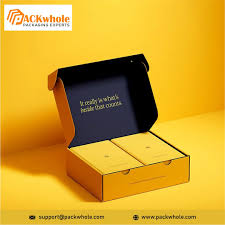
Once your goals are clear, the next step is selecting a box structure that fits your product and your selling method. Tuck-end boxes are affordable and popular for lightweight items like cosmetics and snacks, while sleeve boxes add a premium touch for bars, candles, and gift sets. Rigid boxes with magnetic or lift-off lids create a luxurious feel for high-end products, and corrugated mailer boxes offer the strength needed for e-commerce shipping. Window boxes let customers see the product, which builds trust, and inserts keep fragile items secure. Your Custom Box And Packaging should be sized precisely to the product, leaving little empty space, which reduces shipping costs and prevents damage. Packwhole provides free dielines and sample support, so every Custom Box And Packaging structure can be tested for fit before printing begins.

Step 3: Select Materials That Fit Your Brand and Budget
Materials affect how your box looks, how it feels, and how well it protects what is inside. Paperboard is lightweight and affordable, making it a great choice for everyday retail products, while kraft stock gives a natural, handmade look that appeals to eco-conscious shoppers. Corrugated board adds crush resistance for shipping, and rigid board delivers a heavy, high-end feel for luxury items. Think about how the packaging will be stored, shipped, and handled, as well as the price point of the product inside. Your Custom Box And Packaging should feel proportionate to the product, since customers quickly notice when a box feels flimsy or excessive. Whenever possible, request material samples so you can judge thickness, texture, and printing quality in person. Packwhole helps brands compare options so each Custom Box And Packaging order balances durability, appearance, and cost.

Step 4: Create a Strong Visual Design
Now comes the creative part, where your brand personality takes shape on the surface of the box. Begin with your logo, a limited color palette of two or three shades, and one or two readable typefaces that match your brand voice. Build a clear hierarchy so the product name stands out first, followed by the main benefit and then the supporting details. Your Custom Box And Packaging should use imagery, patterns, or illustrations that reflect the product and appeal to your audience without overcrowding the layout. Remember to design the interior, sides, and back panels as well, because these areas offer extra opportunities for storytelling and surprise. Use the dieline provided by your supplier so artwork fits the box exactly. A clean, intentional Custom Box And Packaging design is easier to recognize, easier to read, and far more likely to catch a shopper’s eye.

Step 5: Add Finishes, Information, and Extra Details
After the core design is ready, finishing touches transform an attractive box into a memorable one. Matte lamination feels soft and modern, gloss makes colors pop, spot UV highlights key elements, and foil stamping or embossing adds a luxurious, tactile quality. The best results come from restraint, so choose one or two finishes that emphasize your logo or signature pattern instead of covering the entire box. Do not forget required information such as ingredients, usage directions, batch numbers, barcodes, and legal details, which should be placed neatly on the back or side panels. Your Custom Box And Packaging can also include extras like QR codes, thank-you cards, or branded stickers to improve the customer experience. When finishes and information are planned together, your Custom Box And Packaging looks polished, professional, and fully ready for the market.

Step 6: Review Samples, Approve the Proof, and Place Your Order
The final step is where many brands save themselves from expensive mistakes. Always review a digital proof and, if possible, a physical sample before approving a full production run. Check that colors match your expectations, text is spelled correctly, barcodes scan properly, and the box closes securely around the product. Test how the packaging performs during shipping, stacking, and handling, especially if the contents are fragile. Your Custom Box And Packaging should be approved only when you are confident that it looks great and protects the product reliably. Once everything is approved, confirm quantities, lead times, and delivery details with your supplier. Packwhole supports every stage of this process with accurate color matching, quality checks, and dependable delivery, so your Custom Box And Packaging arrives exactly as planned.

Common Mistakes to Avoid When Designing Packaging
Even with a clear process, a few common errors can weaken an otherwise strong design. Many brands choose the box style before measuring the product, which leads to poor fits and wasted material. Others overload the design with too many colors, fonts, or effects, making the packaging look cluttered instead of premium. Skipping samples is another costly mistake, since colors and sizes often look different in real life than on a screen. Your Custom Box And Packaging should also account for regulations, barcodes, and legal information from the start rather than as an afterthought. Finally, ignoring shipping and storage needs can lead to damaged goods and unhappy customers. By avoiding these pitfalls, your Custom Box And Packaging project stays on budget, on schedule, and on brand.

Final Thoughts
Designing great packaging does not have to be complicated when you follow a clear process. By defining your goals, choosing the right structure and materials, creating a focused visual design, adding thoughtful finishes, and reviewing samples carefully, you can create a package that protects your product and strengthens your brand. Investing time in high-quality Custom Box And Packaging pays off through better customer experiences, stronger brand recognition, and more repeat purchases. If you are ready to bring your packaging idea to life, Packwhole is here to support you with design guidance, quality production, and Custom Box And Packaging built for brands that want to stand out.

0