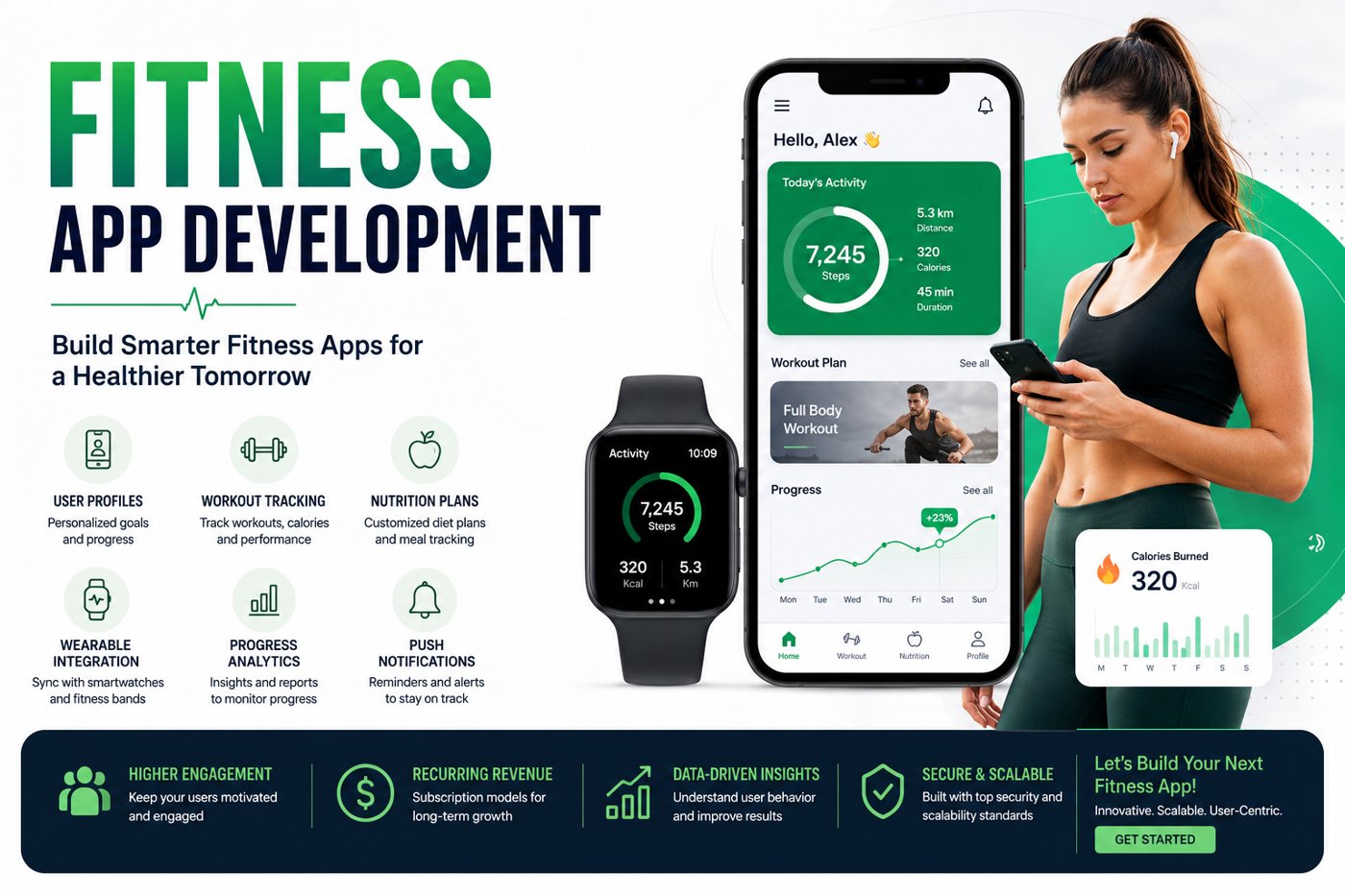
The demand for Fitness App Development has grown rapidly as more people focus on health, wellness, and digital fitness solutions. From workout tracking to nutrition planning and virtual coaching, fitness applications are transforming the healthcare and wellness industry. Businesses, startups, gyms, and entrepreneurs are investing heavily in fitness technology to provide users with personalized fitness experiences.
In today’s competitive digital world, creating a feature-rich and scalable fitness application requires strategic planning, advanced technologies, and user-focused design. Whether you are launching a workout app, yoga app, gym management platform, or wellness tracker, understanding the fundamentals of Fitness App Development is essential for success.
Why Fitness App Development Is Booming
The global fitness industry has shifted toward mobile-first experiences. Users now prefer fitness applications that provide convenience, flexibility, and personalized training anytime and anywhere.
Here are some major reasons behind the popularity of fitness apps:
Increased health awareness among users
Growth of wearable technology
Rising demand for virtual fitness coaching
Remote workout and online training trends
AI-powered health tracking solutions
Subscription-based fitness business models
Businesses investing in Fitness App Development can generate recurring revenue while building long-term customer engagement.
Types of Fitness Applications
Before starting your project, it’s important to understand the different categories of fitness apps available in the market.
1. Workout and Exercise Apps
These apps provide workout routines, training videos, and fitness tracking features.
Examples include:
Home workout apps
Gym workout planners
Strength training apps
Yoga and meditation apps
2. Nutrition and Diet Apps
These applications help users monitor calories, create meal plans, and maintain healthy eating habits.
3. Activity Tracking Apps
These apps track steps, running distance, heart rate, sleep cycles, and overall physical activity.
4. Personal Trainer Apps
Fitness trainers use these apps to provide virtual coaching, live sessions, and personalized workout programs.
5. Wellness and Mental Health Apps
These apps focus on mindfulness, meditation, stress reduction, and mental wellness.
Essential Features of Fitness App Development
A successful fitness application must include features that improve user experience and engagement.
User Registration and Profiles
Allow users to create profiles and set their fitness goals, age, weight, and activity preferences.
Workout Tracking
Users should be able to monitor workouts, calories burned, exercise duration, and progress reports.
AI-Based Recommendations
Artificial intelligence can provide personalized workout and nutrition suggestions based on user behavior.
Wearable Device Integration
Integration with smartwatches and fitness bands improves real-time tracking and user convenience.
Video Tutorials
Interactive workout videos help users perform exercises correctly.
Push Notifications
Reminders for workouts, hydration, and daily fitness goals increase app engagement.
Social Sharing
Users enjoy sharing achievements and fitness milestones on social media platforms.
Payment Gateway Integration
Subscription plans, premium memberships, and in-app purchases generate revenue opportunities.
Technologies Used in Fitness App Development
Choosing the right technology stack is crucial for creating scalable and high-performance fitness applications.
Frontend Technologies
React Native
Flutter
Swift
Kotlin
Backend Technologies
Node.js
Python
Laravel
Ruby on Rails
Database Solutions
MongoDB
PostgreSQL
Firebase
MySQL
Cloud Platforms
AWS
Google Cloud
Microsoft Azure
AI and Analytics Tools
TensorFlow
OpenAI APIs
Google Fit APIs
Apple HealthKit
Modern Fitness App Development relies heavily on cloud computing, AI, and IoT integrations.
Benefits of Fitness App Development for Businesses
Investing in a fitness app offers several long-term business advantages.
Increased Customer Engagement
Fitness apps keep users connected with your brand daily through personalized experiences.
Recurring Revenue Opportunities
Subscription models and premium memberships create steady income streams.
Brand Recognition
A mobile fitness platform strengthens brand authority in the wellness industry.
Data-Driven Insights
Analytics help businesses understand user behavior and improve services.
Global Market Reach
Fitness applications allow businesses to target users worldwide.
Challenges in Fitness App Development
Although the fitness app market is highly profitable, developers may face certain challenges.
User Retention
Keeping users engaged over time requires continuous innovation and updates.
Data Security
Fitness applications collect sensitive health data, making security a top priority.
Device Compatibility
Apps must work seamlessly across multiple devices and operating systems.
Real-Time Performance
Workout tracking and wearable integrations demand fast and reliable performance.
Competition
The fitness app industry is highly competitive, requiring unique features and strong branding.
Steps to Build a Successful Fitness App
Step 1: Market Research
Analyze competitors and identify your target audience.
Step 2: Define Features
Select core functionalities based on user needs and business goals.
Step 3: UI/UX Design
Create a user-friendly interface with smooth navigation and engaging visuals.
Step 4: Choose the Technology Stack
Select technologies that align with scalability and performance requirements.
Step 5: Development and Testing
Build the application and conduct extensive testing to ensure quality.
Step 6: Launch and Marketing
Publish the app on app stores and promote it through digital marketing campaigns.
Step 7: Continuous Updates
Regular updates improve security, performance, and user satisfaction.
Role of AI in Fitness App Development
Artificial Intelligence is revolutionizing the fitness industry by delivering personalized experiences.
AI-powered features include:
Smart workout recommendations
Voice-assisted fitness coaching
Nutrition planning
Real-time health analysis
Predictive fitness tracking
Businesses adopting AI in Fitness App Development gain a competitive advantage in the market.
Monetization Strategies for Fitness Apps
Fitness apps can generate revenue through multiple monetization methods.
Subscription Plans
Offer monthly or yearly premium memberships.
In-App Purchases
Sell workout plans, diet programs, and premium features.
Advertisements
Display targeted ads within the application.
Affiliate Marketing
Partner with fitness brands and promote related products.
Online Coaching
Provide paid one-on-one virtual training sessions.
Future Trends in Fitness App Development
The future of the fitness industry is driven by technology and innovation.
Virtual Reality Workouts
VR-based fitness experiences are becoming increasingly popular.
Wearable Technology Expansion
Smartwatches and fitness trackers will continue to evolve.
Gamification
Gamified fitness experiences improve motivation and user engagement.
Telehealth Integration
Fitness apps are integrating with healthcare platforms for complete wellness monitoring.
Blockchain Security
Blockchain technology can improve health data privacy and transparency.
The growth of Real Estate App Development also shows how mobile applications are transforming multiple industries through digital innovation.
How to Choose the Right Fitness App Development Company
Selecting the right development partner is essential for project success.
Consider the following factors:
Industry experience
Portfolio and case studies
Technical expertise
Client reviews
Development process
Post-launch support
A professional development company can help you create a scalable and user-friendly fitness application tailored to your business goals.
Conclusion
The fitness industry is evolving rapidly, and mobile technology is playing a major role in this transformation. Businesses investing in Fitness App Development can build strong customer relationships, increase revenue, and establish a competitive digital presence.
From AI-powered workout tracking to wearable integrations and personalized health coaching, modern fitness applications offer endless possibilities for innovation. By focusing on user experience, advanced features, and scalable technology, companies can create successful fitness apps that stand out in the growing wellness market.
If you are planning to enter the fitness technology space, now is the perfect time to invest in professional Fitness App Development solutions and build a future-ready digital fitness platform.
0
Rate this business
Have you heard of this business? Do you like it? How do you like it?
Check out if it is in the list of Top Rated Small Businesses