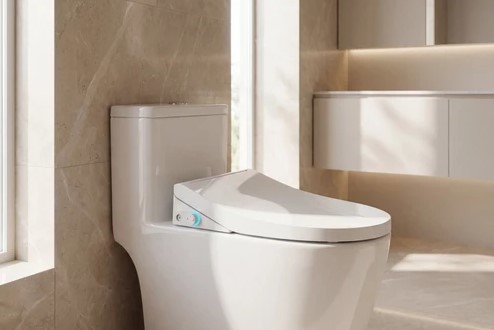
A bidet attachment for toilet is a simple way to introduce water-based personal cleansing without replacing an existing toilet. For homeowners who want better hygiene, greater comfort, and potentially lower toilet paper consumption, this type of bathroom upgrade can be an appealing option. Unlike a complete bidet toilet, an attachment is designed to work with a compatible toilet, making it a convenient choice for renovations or homes where a full replacement is unnecessary.
Before choosing a model, however, it is important to understand how attachments work, what features are useful, and what installation considerations may affect compatibility.
What Is a Bidet Attachment?
A bidet attachment is a compact device installed around the toilet seat area. It connects to the toilet’s water supply and directs a controlled stream of water for personal cleaning after toilet use.
Most attachments are designed to remain discreet once installed. Depending on the design, the control mechanism may be positioned beside the toilet, allowing users to adjust the water flow easily. Some models offer basic controls, while more advanced versions provide additional settings for pressure and temperature.
Because the attachment sits on an existing toilet, it can be an attractive alternative to installing a separate bidet fixture.
Benefits of Using a Bidet Attachment
The primary benefit is improved personal hygiene. Water can provide thorough cleansing and may feel gentler than relying entirely on toilet paper. For many users, this creates a fresher and more comfortable bathroom routine.
Another potential advantage is reduced toilet paper consumption. While toilet paper can still be useful for drying, using water for the main cleansing process may reduce the amount required during everyday use. This can be particularly useful for households where bathroom products are consumed quickly.
A bidet attachment can also be a practical option for bathrooms with limited space. Since it does not require a separate floor fixture, it can provide water-based cleansing while preserving the existing bathroom layout.
Choosing the Right Attachment
Toilet compatibility should be one of the first things you check. Toilets differ in shape, seat design, connection points, and available space, so an attachment that works with one toilet may not fit another correctly.
The water supply connection is another important consideration. Before purchasing, check the product specifications and compare them with your existing plumbing arrangement.
You should also consider the features you actually need. Adjustable water pressure can make the system more comfortable to use, while temperature control may be desirable for those who prefer warm-water cleansing. Basic models may be sufficient for straightforward washing, while more advanced options can provide greater control and convenience.
Installation Considerations
Installation is generally less complicated than replacing an entire toilet, but it still needs to be completed correctly. The attachment is typically positioned beneath the toilet seat and connected to the water supply according to the manufacturer’s instructions.
Before installation, make sure the toilet has sufficient space for the attachment and that the connections can be fitted securely. Incorrect installation can lead to leaks or poor water pressure.
If you are unsure about modifying the plumbing, professional assistance is a sensible option. This is particularly important if the installation requires changes to existing plumbing connections.
Cleaning and Maintenance
Keeping the attachment clean is essential for good bathroom hygiene. The nozzle and surrounding areas should be cleaned regularly according to the manufacturer’s recommendations. Some models include self-rinsing features that help keep the nozzle cleaner between uses.
It is also worth checking the water connection occasionally for signs of leakage. Avoid using aggressive cleaning chemicals unless they are specifically approved for the product, as unsuitable cleaners can damage surfaces or internal components.
Conclusion
A bidet attachment can be an affordable and practical way to improve an existing bathroom without undertaking a major renovation. It offers water-based cleansing, can reduce toilet paper use, and requires considerably less space than a separate bidet fixture.
When choosing a model, focus on toilet compatibility, installation requirements, water controls, construction quality, and ease of maintenance. A suitable attachment that is installed correctly can provide a comfortable and convenient addition to your everyday bathroom routine while making better use of the toilet you already have.
Rate this business
Have you heard of this business? Do you like it? How do you like it?
Check out if it is in the list of Top Rated Small Businesses