Home Care Services in the UK: Empowering Independent Living with Compassionate Support

For many people, home is more than just a place to live. It is where cherished memories are made, daily routines are established, and a sense of comfort and security is found. As individuals grow older, recover from illness, or manage long-term health conditions, remaining at home often becomes an important priority. Professional home care provides the support needed to make this possible while promoting dignity, independence, and a better quality of life.

The growing demand for home care services in the UK reflects a shift towards personalised care that meets people where they feel most comfortable. Rather than moving into residential care, individuals can receive tailored assistance that supports their physical, emotional, and social well-being while allowing them to continue living independently.

Understanding Home Care
Home care is designed to provide professional assistance to people in their own homes. The level of support depends entirely on individual needs and can range from occasional visits to comprehensive daily or live-in care.

Caregivers assist with everyday tasks such as personal hygiene, dressing, meal preparation, medication reminders, mobility support, light housekeeping, shopping, and attending medical appointments. Alongside these practical responsibilities, they also provide companionship and emotional encouragement, helping individuals remain connected and engaged with daily life.

One of the greatest advantages of home care is its flexibility. Care plans can be adjusted as circumstances change, ensuring that support continues to meet the person’s evolving needs without requiring them to leave their familiar surroundings.

Why Home Care Is Becoming Increasingly Popular
Many families now prefer home care because it enables loved ones to maintain their independence while receiving professional support tailored to their lifestyle.

Remaining at home allows individuals to continue following familiar routines, enjoying personal belongings, and staying close to family members, neighbours, and local communities. These familiar surroundings often contribute to emotional stability and reduce the anxiety that can accompany major life changes.

Home care also promotes greater independence by encouraging individuals to remain involved in everyday activities wherever possible. Rather than taking over completely, professional caregivers provide assistance that supports confidence and preserves self-esteem.

Families benefit as well. Knowing that a loved one is receiving reliable, compassionate care allows relatives to focus on spending meaningful time together instead of managing every aspect of daily support.

Personalised Care That Meets Individual Needs
Every person has unique circumstances, preferences, and care requirements. Effective home care begins with understanding these individual differences and creating a personalised care plan.

Professional caregivers take time to learn about medical conditions, daily routines, dietary preferences, hobbies, and personal goals before delivering support. This person-centred approach ensures that care respects each individual’s choices while promoting comfort and dignity.

Regular assessments allow care plans to evolve as needs change. Whether someone requires temporary support after surgery or ongoing assistance with a long-term condition, personalised care provides the flexibility needed to maintain independence and well-being.

For families seeking home care services in the UK, choosing a provider that places the individual at the centre of every decision helps create a more positive and reassuring care experience.

The Importance of Emotional Well-Being
Quality home care extends far beyond practical assistance. Emotional health plays a vital role in maintaining overall well-being, particularly for older adults or individuals living alone.

Regular visits from compassionate caregivers provide conversation, companionship, and meaningful social interaction. These relationships often become an important source of comfort, helping reduce loneliness and improving emotional resilience.

Caregivers also encourage participation in hobbies, community activities, and daily routines whenever possible. Maintaining these connections supports mental well-being while helping individuals retain a sense of purpose and independence.

For family members, professional home care provides valuable reassurance that their loved one is receiving attentive support from experienced caregivers who genuinely care about their welfare.

Choosing the Right Home Care Provider
Selecting a home care provider is one of the most significant decisions a family will make. Beyond qualifications and experience, families should look for providers who demonstrate compassion, professionalism, and excellent communication.

A reputable organisation will carry out a detailed assessment before care begins, ensuring that services are tailored to the individual’s needs and preferences. Regular reviews and open communication with family members help maintain consistent, high-quality care over time.

It is equally important to choose caregivers who build trusting relationships through kindness, patience, and respect. Continuity of care, where clients regularly see familiar caregivers, often creates stronger bonds and contributes to a greater sense of security and comfort.

Looking Ahead
As the population continues to age and more people express a desire to remain in their own homes, home care will play an increasingly important role in supporting independent living. Advances in care planning, technology, and personalised service delivery are helping providers meet changing needs while maintaining high standards of care.

Planning for future care needs before they become urgent allows individuals and families to make informed decisions together, ensuring that support reflects personal wishes and promotes long-term well-being.

Conclusion
Home care offers a compassionate and flexible solution for individuals who wish to remain in the comfort of their own homes while receiving professional support tailored to their unique circumstances. By combining practical assistance, emotional companionship, and personalised care plans, home care enables people to maintain their independence, dignity, and quality of life.

Choosing an experienced and trusted provider ensures that care is delivered with respect, reliability, and genuine compassion. As demand continues to grow, home care remains one of the most effective ways to support individuals in living safely, confidently, and comfortably in the place they know and love most.

Finding the Right Floral Service for Meaningful Occasions Near Sanctuarium Araneta

Flowers have a timeless ability to express emotions that words sometimes cannot. Whether you are celebrating a special occasion, sending congratulations, or offering comfort during a difficult time, a thoughtfully arranged bouquet can leave a lasting impression. Choosing a reliable florist ensures that every arrangement is fresh, beautifully designed, and delivered on time. If you are looking for a flower shop near sanctuarium araneta, selecting a florist known for quality and dependable service can make every occasion more meaningful.

Why Choosing the Right Florist Matters
A professional florist offers much more than attractive flower arrangements. Experienced floral designers understand how to combine colors, textures, and flower varieties to create arrangements that suit different occasions. They also know the symbolism behind various flowers, helping customers choose bouquets that communicate the right message.

For important events, especially memorial services or family gatherings, dependable service is essential. A florist that values punctuality and careful presentation ensures that every arrangement arrives in excellent condition and reflects the emotions you wish to express.

Fresh Flowers Make a Lasting Impression
The freshness of flowers directly affects their appearance and longevity. Reputable florists carefully source their blooms from trusted growers and store them under ideal conditions before creating each arrangement. This attention to quality allows bouquets to stay vibrant for several days, giving recipients more time to enjoy their beauty.

Seasonal flowers are also an excellent option because they are often fresher, more colorful, and available at competitive prices. Whether you choose roses, lilies, orchids, carnations, or sunflowers, fresh blooms always enhance the overall presentation.

Personalized Arrangements for Every Occasion
Every celebration is unique, and floral arrangements should reflect that individuality. Many florists offer customized designs that allow customers to select their preferred flowers, colors, wrapping materials, and decorative accents.

Personalized bouquets are ideal for birthdays, anniversaries, graduations, weddings, corporate events, and sympathy occasions. Adding thoughtful touches such as greeting cards, elegant vases, or small gifts creates a more memorable experience for the recipient while making the arrangement feel truly special.

The Convenience of Online Flower Ordering
Modern flower shops have made purchasing flowers easier than ever through online ordering platforms. Customers can browse available designs, compare prices, and schedule deliveries from the comfort of their homes. Secure payment methods and order confirmations provide added convenience and confidence throughout the purchasing process.

This service is particularly valuable for people who need to send flowers from another city or country. Reliable online ordering allows customers to express their emotions even when they cannot be physically present.

What to Look for in a Quality Flower Shop
A trustworthy florist combines artistic creativity with excellent customer service. Friendly staff members should be willing to recommend suitable arrangements based on your budget, occasion, and personal preferences. Transparent pricing, consistent communication, and dependable delivery services are all signs of a professional business.

Presentation is equally important. Carefully arranged flowers, elegant wrapping, and attention to detail transform simple bouquets into meaningful gifts that leave a lasting impression. Every arrangement should reflect both quality craftsmanship and genuine care.

Conclusion
Selecting the right florist is about more than purchasing flowers. It is about finding a trusted professional who understands the importance of freshness, thoughtful design, and reliable delivery. Whether you need flowers for a celebration, a heartfelt gift, or a moment of remembrance, choosing a dependable florist ensures your message is expressed with beauty and sincerity. A well-crafted floral arrangement has the power to brighten someone’s day, provide comfort during difficult moments, and create memories that will be cherished long after the flowers have been received.

Family Law Lawyer in Dayton, OH: Trusted Legal Guidance for Life’s Most Important Family Matters

Family legal matters often involve some of the most emotional and life-changing decisions we face. Whether a family is dealing with divorce, child custody, adoption, or property division, the legal process can quickly become overwhelming without knowledgeable guidance. We understand that every family has its own unique circumstances, and every legal decision deserves careful attention, practical advice, and compassionate representation.

Choosing the right attorney is about more than legal knowledge. It is about finding someone who listens, communicates clearly, and works toward practical solutions that protect your future. When searching for a family law lawyer in Dayton, OH, individuals and families should look for experience, dedication, and a client-focused approach that prioritizes long-term outcomes rather than short-term fixes.

Understanding Family Law in Ohio
Family law covers a wide range of legal matters affecting relationships, children, and financial responsibilities within families. Ohio law provides legal frameworks designed to protect the interests of spouses, parents, and children while ensuring fairness throughout the legal process.

Every family law case presents unique challenges. Some disputes involve straightforward agreements, while others require extensive negotiation or courtroom litigation. Regardless of complexity, understanding your legal rights from the beginning helps create a stronger foundation for making informed decisions.

An experienced family law attorney assists clients in understanding legal obligations, evaluating available options, and pursuing solutions that align with their personal goals.

Divorce Representation Focused on Fair Outcomes
Divorce is rarely just the end of a marriage. It often involves financial planning, parenting decisions, property distribution, and emotional adjustments that affect the entire family.

Ohio follows equitable distribution principles when dividing marital property. This means assets are divided fairly, although not necessarily equally. Determining what qualifies as marital or separate property may require careful legal analysis, especially when retirement accounts, businesses, investments, or inherited assets are involved.

Effective legal representation helps clients negotiate settlements while protecting important financial interests. When agreements cannot be reached through negotiation, experienced courtroom advocacy becomes essential.

Protecting Children’s Best Interests
Child custody is often the most sensitive aspect of family law litigation. Courts focus primarily on the best interests of the child rather than the preferences of either parent.

Several factors influence custody decisions, including parental involvement, living arrangements, educational stability, emotional development, and each parent’s ability to provide a safe environment.

Successful parenting plans establish clear expectations regarding decision-making authority, parenting schedules, holidays, transportation, and communication. Well-crafted agreements reduce future misunderstandings while promoting healthy relationships between children and both parents.

Child Support and Financial Responsibilities
Ohio utilizes statutory guidelines to determine child support obligations. Income, healthcare expenses, childcare costs, parenting time, and several additional factors may affect the final calculation.

Circumstances often change after an initial support order. Job loss, salary increases, medical needs, or significant parenting schedule changes may justify legal modifications.

Spousal Support Considerations
Spousal support, sometimes referred to as alimony, depends upon numerous factors rather than a predetermined formula. Courts examine the duration of the marriage, each spouse’s earning capacity, educational background, age, health, retirement benefits, and overall financial circumstances.

Negotiating appropriate support arrangements requires careful financial analysis and a thorough understanding of long-term economic consequences.

Property Division Requires Detailed Analysis
Dividing marital property extends beyond determining who keeps the family home. Modern families often own retirement accounts, investment portfolios, business interests, vehicles, real estate, collectibles, digital assets, and various financial accounts.

Accurate property valuation is essential before negotiations begin. Hidden assets, disputed ownership, or complex financial structures may require additional investigation and professional financial analysis.

Adoption Brings Families Together
Adoption represents one of the most rewarding areas of family law. Whether pursuing stepparent adoption, private adoption, agency adoption, or kinship adoption, families must satisfy numerous legal requirements before finalization.

Documentation, background checks, court approvals, and parental consent issues require careful attention throughout the process.

Domestic Violence Protection
Victims of domestic violence often require immediate legal protection. Ohio courts provide civil protection orders designed to safeguard individuals and children from abuse, threats, stalking, or harassment.

Obtaining protective orders requires proper documentation and timely legal action. Attorneys also assist individuals responding to allegations by ensuring due process protections are respected throughout court proceedings.

Mediation as an Effective Alternative
Not every family dispute requires lengthy courtroom litigation. Mediation offers many families an opportunity to resolve disagreements through structured negotiations facilitated by a neutral third party.

Successful mediation often reduces legal expenses, shortens case timelines, minimizes emotional stress, and provides greater control over final agreements.

Why Local Experience Matters
Family law procedures vary between jurisdictions. Local court practices, filing requirements, judicial expectations, and scheduling procedures can significantly influence case management.

Working with a family law lawyer in Dayton, OH provides the advantage of familiarity with local legal procedures and community resources. This local knowledge contributes to efficient case preparation, effective communication, and practical legal strategies tailored to the area’s legal environment.

Preparing for Your Initial Consultation
Preparation allows both attorney and client to evaluate the case more effectively. Gathering financial records, tax returns, property information, parenting schedules, court documents, and relevant communications creates a clearer understanding of the issues involved.

Clients should also prepare questions regarding timelines, legal fees, expected procedures, possible outcomes, and available alternatives. Open communication during the initial consultation establishes realistic expectations while creating a productive attorney-client relationship.

Qualities to Look for in a Family Law Attorney
Selecting legal representation should involve careful evaluation of professional qualifications and communication style. An effective attorney demonstrates strong legal knowledge while remaining approachable and responsive throughout the case.

Clear explanations, organized case management, strategic negotiation skills, courtroom confidence, and genuine concern for client objectives all contribute to positive legal experiences.

Building a Stronger Future Through Sound Legal Guidance
Family law cases involve more than legal paperwork. They shape financial security, parenting relationships, and future opportunities for every member of the family.

Whether addressing divorce, custody, adoption, child support, property division, or protective orders, thoughtful legal representation provides clarity during uncertain times. Careful planning, informed decision-making, and experienced advocacy allow families to move forward with greater confidence and stability.

Comprar jardín vertical: cómo elegir la mejor opción para transformar cualquier espacio

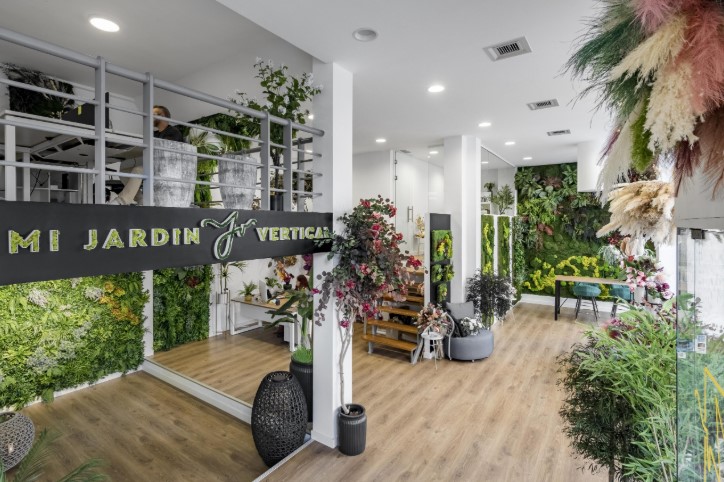
Comprar jardín vertical es una decisión que va mucho más allá de añadir un elemento decorativo. Esta solución permite incorporar el encanto de la naturaleza en viviendas, oficinas y espacios comerciales, aprovechando paredes que normalmente permanecerían vacías. En los últimos años, los jardines verticales han ganado popularidad gracias a su capacidad para mejorar la estética de un ambiente y aportar una sensación de frescura sin necesidad de realizar grandes reformas.

Antes de tomar una decisión, es recomendable conocer las diferentes opciones disponibles y analizar cuál se adapta mejor a las características del espacio. Si deseas descubrir distintas alternativas y comparar diseños, Haz clic aquí para obtener información que te ayude a elegir la opción más adecuada.

¿Por qué comprar un jardín vertical?
Los jardines verticales ofrecen una forma innovadora de integrar la vegetación en lugares donde el espacio es limitado. En lugar de ocupar superficie en el suelo, utilizan paredes y estructuras verticales para crear composiciones que combinan diseño y funcionalidad.

Además de su atractivo visual, un jardín vertical puede cambiar completamente la percepción de un ambiente. Una pared sencilla se convierte en un punto de interés que aporta personalidad y hace que el espacio resulte más acogedor. Esta característica explica por qué cada vez más hogares y empresas incorporan este tipo de instalación como parte de su decoración.

Aspectos que debes valorar antes de la compra
Antes de comprar un jardín vertical, conviene analizar el lugar donde será instalado. La ubicación influye directamente en el tipo de jardín que mejor responderá a las necesidades del proyecto.

En espacios con abundante luz natural, un jardín con plantas vivas puede ser una excelente elección. Sin embargo, cuando la iluminación es reducida o el mantenimiento resulta complicado, muchas personas prefieren alternativas artificiales que conservan un aspecto atractivo durante todo el año.

También es importante considerar las dimensiones de la pared. Un diseño bien proporcionado consigue un efecto visual equilibrado y evita que el jardín parezca demasiado pequeño o excesivamente grande para el entorno.

La calidad de los materiales constituye otro aspecto fundamental. Una estructura resistente y acabados bien elaborados garantizan una mayor durabilidad y una apariencia más cuidada con el paso del tiempo.

Diferencias entre jardines naturales y artificiales
Al comprar un jardín vertical, una de las decisiones más importantes consiste en elegir entre un modelo natural o artificial. Ambas opciones ofrecen ventajas, aunque responden a necesidades diferentes.

Los jardines naturales destacan por su autenticidad y por los beneficios que aportan las plantas vivas al ambiente. Sin embargo, requieren riego, poda y un mantenimiento periódico para conservar su buen estado.

Los modelos artificiales, por el contrario, apenas necesitan cuidados. Son ideales para quienes desean disfrutar del efecto decorativo de la vegetación sin preocuparse por el mantenimiento constante. Gracias a los avances en los materiales, muchos diseños actuales presentan una apariencia muy realista que resulta difícil de distinguir a simple vista.

Cómo elegir un diseño que se adapte a tu espacio
El estilo decorativo del entorno debe servir como punto de partida para seleccionar el jardín vertical más adecuado. Los espacios modernos suelen combinar mejor con composiciones sencillas y predominio de tonos verdes, mientras que los ambientes más clásicos admiten una mayor variedad de formas y texturas.

También conviene prestar atención a la distribución de las plantas y al volumen del conjunto. Un diseño equilibrado crea una sensación de profundidad y aporta dinamismo sin sobrecargar la decoración.

Antes de realizar la compra, es recomendable revisar las características del producto, conocer los materiales utilizados y verificar que la instalación resulte compatible con la superficie donde será colocado. Si deseas explorar diferentes estilos y soluciones decorativas, Haz clic aquí para descubrir propuestas adaptadas a distintos tipos de espacios.

Una inversión con beneficios a largo plazo
Comprar un jardín vertical no solo mejora la apariencia de un lugar, sino que también incrementa su atractivo visual y contribuye a crear ambientes más agradables. En viviendas puede convertirse en el elemento protagonista del salón, la terraza o el patio, mientras que en oficinas y establecimientos comerciales ayuda a transmitir una imagen moderna y cuidada.

Además, un jardín vertical bien elegido mantiene su valor decorativo durante muchos años, especialmente cuando se opta por materiales de calidad y un diseño que armonice con el resto del entorno. Esta combinación convierte la inversión inicial en una solución duradera que continúa aportando personalidad al espacio con el paso del tiempo.

Conclusión
Comprar jardín vertical es una excelente forma de transformar cualquier ambiente sin realizar obras complejas ni renunciar al estilo. La amplia variedad de diseños disponibles permite encontrar soluciones para hogares, oficinas y espacios comerciales, adaptándose tanto a proyectos pequeños como a instalaciones de mayor tamaño.

Analizar las características del espacio, seleccionar materiales de calidad y elegir un diseño acorde con la decoración son pasos fundamentales para obtener un resultado satisfactorio. Con una planificación adecuada, un jardín vertical puede convertirse en un elemento decorativo que aporte elegancia, frescura y personalidad durante muchos años, mejorando la imagen de cualquier espacio de forma práctica y eficiente.

NDIS Property Investment in Victoria: A Growing Opportunity for Smart Investors

NDIS property investment in Victoria has gained significant attention among investors looking for a combination of stable returns and long-term growth potential. As the demand for specialist housing continues to increase across Australia, Victoria has emerged as one of the most attractive locations for disability accommodation developments. With a growing population, strong infrastructure, and an increasing number of National Disability Insurance Scheme participants seeking suitable housing, the state presents unique opportunities for property investors who want to enter a purpose-driven market.

The National Disability Insurance Scheme has transformed the housing sector by creating greater demand for homes designed to support people living with disabilities. This shift has encouraged investors to explore residential properties that meet accessibility standards while delivering reliable income streams and long-term value.

The Rising Demand for Disability Accommodation
One of the key factors driving interest in this sector is the ongoing shortage of suitable housing options for people with disabilities. Many participants require homes that provide greater accessibility, safety, and independence. Traditional housing often lacks the features needed to support individuals with complex mobility or support requirements.

Victoria continues to experience strong demand for purpose-built accommodation in both metropolitan and regional areas. As more participants seek housing that aligns with their individual needs, investors have an opportunity to help address this gap while benefiting from a market supported by long-term demand.

The growing awareness of inclusive living environments has also contributed to the popularity of disability-focused property developments. Families, support providers, and participants increasingly value housing that enhances quality of life and promotes community participation.

Why Victoria Stands Out
Victoria offers several advantages that make it an appealing destination for disability housing investments. The state has a well-developed healthcare system, extensive public transport networks, and a wide range of community services that support independent living. These factors make many Victorian locations highly desirable for participants seeking accessible accommodation.

Melbourne and its surrounding growth corridors continue to attract residents due to strong employment opportunities and ongoing infrastructure projects. At the same time, regional centres are experiencing increased demand as they provide access to essential services while offering a more affordable lifestyle.

Investors who carefully select locations close to healthcare facilities, shopping centres, public transport, and support services are often better positioned to attract long-term tenants. Accessibility to these amenities can significantly influence occupancy rates and overall investment performance.

Financial Benefits for Investors
A major reason investors consider specialist disability accommodation is the potential for attractive rental returns. Compared to traditional residential properties, purpose-built disability housing can generate higher rental income due to its specialised design and limited supply.

The demand for quality accommodation often remains strong because suitable properties are not readily available in many areas. This imbalance between supply and demand can contribute to consistent occupancy levels and reduced vacancy periods.

Another advantage is the possibility of longer tenancy durations. Many residents value housing stability, particularly when their home is close to support networks and essential services. Longer tenancies can help reduce turnover costs and provide greater income consistency for property owners.

While every investment carries risk, the combination of increasing demand and limited supply creates favourable conditions for investors who conduct thorough research and choose appropriate locations.

The Importance of Quality Design
Success in disability housing investment depends heavily on property design and functionality. Modern accommodation must go beyond basic accessibility requirements and focus on creating comfortable, practical, and welcoming living environments.

Features such as step-free access, wider doorways, accessible bathrooms, and adaptable living spaces can significantly improve the resident experience. Smart home technology and assistive features are also becoming increasingly popular, allowing residents to enjoy greater independence and control within their homes.

Properties that balance accessibility with modern design tend to attract stronger interest from both participants and support providers. A well-designed home can improve daily living while supporting long-term tenant satisfaction.

Long-Term Market Potential
The future outlook for this sector remains positive. Population growth, increasing awareness of accessibility needs, and ongoing demand for specialised housing continue to support market expansion. Government-backed initiatives and funding structures have also contributed to greater confidence among investors exploring this area.

As the housing needs of people with disabilities evolve, the demand for modern and high-quality accommodation is expected to remain strong. Investors who focus on quality construction, strategic location selection, and tenant-centred design are likely to benefit from the sector’s long-term growth potential.

For those seeking diversification within the property market, disability accommodation offers an opportunity to combine financial objectives with a meaningful social contribution. The ability to provide housing that improves lives while generating sustainable returns has become a significant attraction for many investors.

Conclusion
The Victorian disability housing sector continues to present compelling opportunities for investors seeking both purpose and performance. Strong demand, limited supply, and a growing need for accessible accommodation have created favourable market conditions across the state. By focusing on quality properties in well-connected locations, investors can position themselves for long-term success while helping address an important community need.

As awareness of specialised housing continues to grow, many investors are recognising the value of NDIS property investment in Victoria as a strategy that offers financial resilience, stable demand, and the opportunity to make a positive difference in the lives of people living with disabilities.

Smart Toilet: The Future of Hygiene, Comfort, and Modern Bathroom Innovation

Modern homes are evolving rapidly, and every space is becoming more intelligent, efficient, and comfortable. Bathrooms are no exception. Among the most significant innovations in residential technology is the smart toilet, a sophisticated fixture designed to elevate hygiene, convenience, and user experience. Once considered a luxury reserved for premium hotels and high-end residences, these advanced systems are now becoming increasingly accessible to homeowners seeking better sanitation and modern comfort.

As technology continues to reshape everyday living, smart bathroom solutions are gaining widespread attention. A technologically enhanced toilet offers much more than its traditional counterpart, combining automation, cleanliness, water efficiency, and personalized functionality into a single unit. For homeowners looking to invest in convenience and long-term value, this innovation represents a remarkable step forward.

Understanding Modern Smart Toilet Technology

A smart toilet is an advanced bathroom fixture equipped with electronic features that automate and improve various functions. Unlike conventional toilets that rely solely on manual operation, these intelligent systems incorporate sensors, automated controls, and customizable settings to deliver a more hygienic and comfortable experience.

Many models include automatic lid opening and closing, heated seating, self-cleaning mechanisms, warm water cleansing, air drying, deodorization systems, and touchless flushing. Some premium versions even feature remote controls, smartphone integration, night lighting, and personalized user profiles.

The primary goal of these innovations is to enhance cleanliness while reducing physical contact with bathroom surfaces. This approach supports better hygiene and creates a more convenient user experience for individuals of all ages.

Enhanced Hygiene Through Advanced Features

One of the strongest advantages of modern intelligent toilets is their superior hygiene performance. Traditional bathroom habits often require physical contact with handles, lids, and surfaces. Advanced systems minimize these touchpoints through motion sensors and automatic operation.

Integrated cleansing functions provide a more thorough and gentle cleaning experience compared to toilet paper alone. Adjustable water temperature, pressure controls, and precision spray settings allow users to customize comfort according to personal preferences.

Many units feature self-sanitizing nozzles that automatically clean before and after use. Some models incorporate ultraviolet sterilization technology and antimicrobial materials to maintain cleaner surfaces over time.

Automatic flushing further reduces the spread of germs by eliminating the need to touch flush mechanisms. Combined with deodorization systems that neutralize odors, these features contribute to a fresher and healthier bathroom environment.

Exceptional Comfort for Everyday Living

Comfort has become an essential consideration in modern home design. Intelligent toilets deliver numerous features specifically designed to improve user satisfaction.

Heated seats are among the most appreciated upgrades, especially during colder seasons. Rather than sitting on a cold surface, users enjoy consistent warmth and comfort. Adjustable temperature settings allow personalized control throughout the year.

Built-in warm air dryers provide additional convenience while reducing dependence on toilet paper. This not only improves comfort but also supports environmental sustainability.

Some advanced models remember user preferences, automatically adjusting settings such as seat temperature, water pressure, and cleansing modes. These personalized experiences transform routine bathroom visits into a more comfortable and enjoyable part of daily life.

Water Efficiency and Environmental Benefits

Environmental responsibility has become increasingly important for homeowners worldwide. Modern toilet technologies contribute significantly to water conservation through intelligent flushing systems.

Traditional toilets often use more water than necessary for waste removal. Advanced models incorporate dual-flush mechanisms and sensor-based systems that optimize water usage according to specific needs. This precision helps reduce unnecessary water consumption without compromising performance.

Reduced reliance on toilet paper also contributes to sustainability. By integrating water-based cleansing and drying functions, households can significantly decrease paper usage over time. This reduction supports resource conservation and lowers the environmental impact associated with paper production and disposal.

Accessibility and Support for Diverse Users

Modern intelligent toilets offer practical advantages for individuals with varying mobility and health requirements. Elderly users, people recovering from surgery, and those with physical limitations often benefit from touchless operation and automated features.

Automatic lids, hands-free flushing, and integrated cleansing functions reduce the physical effort required during use. This increased accessibility promotes greater independence and comfort for individuals who may struggle with conventional bathroom fixtures.

Families with multiple generations living under one roof frequently find these systems particularly valuable. Their adaptable features allow users of different ages and abilities to enjoy a safer and more convenient bathroom experience.

Smart Home Integration and Digital Innovation

As connected homes become more common, bathroom technology is also advancing toward greater integration. Many premium intelligent toilets now communicate with smart home ecosystems, offering users enhanced control and customization.

Remote operation through smartphones or dedicated controllers allows users to adjust settings with ease. Some systems provide energy-saving schedules, user preference storage, and maintenance alerts to ensure optimal performance.

Voice control compatibility is becoming increasingly popular as homeowners seek seamless interaction across connected devices. This integration reflects a broader trend toward intelligent living environments where convenience and automation work together to simplify daily routines.

Long-Term Value and Home Appeal

Investing in advanced bathroom technology can also enhance property appeal. Modern buyers increasingly appreciate homes equipped with premium fixtures that offer convenience, efficiency, and contemporary design.

A technologically advanced bathroom often creates a positive impression and distinguishes a property in competitive real estate markets. While the initial purchase price may exceed that of conventional toilets, the combination of durability, water savings, reduced paper consumption, and enhanced user experience can provide long-term value.

Homeowners who prioritize modernization frequently view intelligent bathroom fixtures as worthwhile upgrades that contribute to both lifestyle improvement and property attractiveness.

Choosing the Right Model

Selecting the ideal intelligent toilet requires careful consideration of household needs, available space, and desired features. Some consumers prioritize hygiene enhancements, while others focus on comfort, sustainability, or smart connectivity.

Important factors include water efficiency ratings, seat comfort, cleaning functions, energy consumption, ease of maintenance, and installation requirements. Evaluating these elements helps ensure that the chosen model aligns with both practical expectations and budget considerations.

Quality manufacturing, reliable customer support, and durable construction should also play significant roles in the decision-making process. A well-selected unit can provide years of dependable performance and user satisfaction.

Conclusion

The evolution of bathroom technology has introduced a new standard of cleanliness, comfort, and convenience. Intelligent toilet systems combine automation, personalized features, enhanced hygiene, and environmental responsibility into a single innovative solution. Their ability to improve daily routines while supporting sustainability makes them an increasingly attractive choice for modern households.

As homeowners continue to embrace smarter living environments, advanced bathroom fixtures are becoming a natural extension of contemporary home design. By delivering superior comfort, greater cleanliness, and long-term value, these innovative systems represent a meaningful investment in both quality of life and future-ready living.

Proyectos de Jardines Verticales: Diseño, Innovación y Naturaleza en Espacios Modernos

La integración de la naturaleza en la arquitectura contemporánea ha evolucionado hacia soluciones cada vez más creativas y funcionales. Entre ellas, los jardines verticales destacan como una de las propuestas más versátiles y estéticamente impactantes. Los proyectos de jardines verticales no solo transforman espacios, sino que redefinen la relación entre el entorno construido y el mundo natural.

Este tipo de intervenciones se ha convertido en una herramienta clave dentro del diseño de interiores, la arquitectura paisajística y la decoración comercial. Cada proyecto se adapta a las características del espacio, logrando composiciones únicas que aportan valor visual, ambiental y emocional.

La importancia de planificar proyectos de jardines verticales

Un proyecto de jardín vertical no consiste únicamente en la instalación de plantas sobre una pared. Se trata de un proceso técnico y creativo que requiere planificación detallada, análisis del entorno y una correcta selección de materiales y especies.

Factores como la iluminación, la humedad, la orientación del muro y el uso del espacio son determinantes para garantizar el éxito del diseño. Cada uno de estos elementos influye en la elección del sistema más adecuado, ya sea natural, artificial o preservado.

En este sentido, los proyectos de jardines verticales modernos han evolucionado hacia soluciones más eficientes, donde la tecnología y el diseño trabajan de forma conjunta para lograr resultados sostenibles y duraderos.

Elementos clave en el desarrollo de un proyecto vertical

El primer paso en cualquier proyecto es el análisis del espacio. Este estudio permite determinar las condiciones ambientales y estructurales del lugar, lo que facilita la elección del sistema de instalación más adecuado.

A continuación, se define el diseño conceptual. En esta fase se establecen los objetivos estéticos y funcionales del jardín, así como el estilo visual que se desea conseguir. Algunos proyectos buscan un efecto natural y orgánico, mientras que otros optan por composiciones más geométricas y controladas.

La selección de especies vegetales o materiales decorativos también es fundamental. En jardines naturales, se priorizan plantas adaptadas a las condiciones del entorno. En sistemas artificiales o preservados, se busca un alto nivel de realismo y coherencia visual.

Finalmente, la instalación requiere precisión técnica para asegurar la correcta fijación de los elementos y el funcionamiento adecuado del sistema de soporte.

Aplicaciones de los jardines verticales en distintos espacios

Los proyectos de jardines verticales pueden aplicarse en una gran variedad de entornos. En viviendas particulares, se utilizan para aportar frescura y personalidad a salones, terrazas o patios interiores. Su capacidad para transformar paredes en elementos vivos los convierte en una solución decorativa muy valorada.

En oficinas y espacios corporativos, estos proyectos ayudan a crear ambientes más agradables y productivos. La presencia de vegetación contribuye a reducir la sensación de estrés y mejora la percepción general del entorno laboral.

Los sectores de hostelería y comercio también han adoptado ampliamente estas soluciones. Restaurantes, hoteles y tiendas utilizan jardines verticales como parte de su estrategia de diseño interior para generar espacios memorables y diferenciadores.

En estos contextos, las soluciones de proyectos de jardines verticales decorativos permiten integrar la naturaleza en la identidad visual del espacio, reforzando su carácter único.

Tendencias actuales en proyectos de jardines verticales

Las tendencias actuales en diseño de jardines verticales están marcadas por la búsqueda de equilibrio entre estética, funcionalidad y sostenibilidad. Uno de los enfoques más destacados es la integración de sistemas modulares que permiten personalizar completamente la estructura del jardín.

También se observa un aumento en el uso de combinaciones mixtas, donde se integran plantas naturales con elementos preservados o artificiales para lograr efectos visuales más duraderos y estables.

Otra tendencia relevante es el uso de iluminación integrada, que permite resaltar las texturas del jardín y crear ambientes más dinámicos, especialmente en espacios interiores o comerciales.

Además, los diseños minimalistas están ganando protagonismo, priorizando composiciones limpias que aportan elegancia sin sobrecargar el espacio visual.

Beneficios de desarrollar proyectos de jardines verticales

Uno de los principales beneficios de estos proyectos es su capacidad para optimizar el uso del espacio. Las paredes se convierten en superficies activas que aportan valor estético sin ocupar área útil.

Desde el punto de vista visual, los jardines verticales generan un impacto inmediato, mejorando la percepción del entorno y aportando una sensación de frescura y equilibrio.

En proyectos naturales, también se pueden obtener beneficios ambientales, como la mejora de la calidad del aire y la regulación de la temperatura en el espacio.

En el ámbito corporativo, estos proyectos contribuyen a reforzar la imagen de marca, transmitiendo valores de sostenibilidad, innovación y cuidado del entorno.

Cómo elegir el tipo de proyecto adecuado

La elección del tipo de jardín vertical depende de varios factores, como el uso del espacio, el presupuesto disponible y el nivel de mantenimiento deseado.

Los proyectos naturales son ideales para quienes buscan una experiencia auténtica y dinámica, aunque requieren cuidados periódicos. Los sistemas artificiales o preservados, en cambio, ofrecen soluciones más estables y de bajo mantenimiento.

En cualquier caso, es fundamental contar con una planificación adecuada que garantice la coherencia entre el diseño y las condiciones del entorno.

Conclusión

Los proyectos de jardines verticales representan una de las formas más innovadoras de integrar naturaleza en la arquitectura moderna. Su capacidad para transformar espacios, mejorar la estética y aportar valor funcional los convierte en una solución cada vez más demandada.

La evolución hacia los proyectos de jardines verticales modernos demuestra la importancia de combinar diseño, tecnología y sostenibilidad en cada intervención. Con una planificación adecuada y un enfoque creativo, estos proyectos pueden convertir cualquier espacio en un entorno más atractivo, equilibrado y lleno de vida.

Audit Super in Australia: A Vital Process for Compliance and Financial Integrity

Managing retirement savings effectively is a priority for many Australians. As regulations continue to evolve, the need to audit super in australia has become increasingly important for trustees and fund members who want to ensure compliance, transparency, and long-term financial security.

A superannuation audit provides an independent review of a fund’s financial records and regulatory compliance. Whether a fund is large or small, audits help ensure that retirement savings are managed correctly and in accordance with Australian laws. For trustees and members alike, a well-executed audit offers confidence that the fund is operating responsibly and protecting the interests of its beneficiaries.

Understanding the Importance of Superannuation Audits
Superannuation audits are designed to verify that funds comply with legal requirements while accurately reporting their financial position. In Australia, self-managed super funds and other regulated superannuation entities must meet strict standards regarding governance, investments, record-keeping, and member benefits.

The audit process acts as an independent safeguard. It helps identify errors, inconsistencies, and potential breaches before they become significant issues. By reviewing financial statements and compliance obligations, auditors contribute to the overall stability and trustworthiness of the superannuation sector.

Retirement savings often represent decades of hard work and financial planning. Audits provide reassurance that these funds are being managed appropriately and that trustees are fulfilling their responsibilities effectively.

How the Audit Process Works
A superannuation audit generally consists of two key components: the financial audit and the compliance audit. Both elements are essential for ensuring the fund meets regulatory expectations.

The financial audit focuses on reviewing the accuracy of financial records. Auditors examine assets, liabilities, income, expenses, and member balances to determine whether the fund’s financial statements present a true and fair view of its position. Documentation such as bank statements, investment records, property valuations, and transaction reports is carefully assessed.

The compliance audit evaluates whether the fund has adhered to superannuation legislation and regulatory requirements. Auditors review trustee decisions, investment strategies, contribution records, and benefit payments to ensure that all activities align with applicable laws.

Together, these reviews create a comprehensive assessment of the fund’s operations and help maintain accountability throughout the superannuation system.

Benefits of Conducting Regular Audits
Regular audits offer significant benefits beyond simply meeting legal obligations. One of the most valuable advantages is the early identification of potential issues. Errors in reporting, documentation gaps, or compliance concerns can be detected before they result in penalties or regulatory action.

Audits also encourage stronger governance practices. Trustees become more aware of their responsibilities and are more likely to maintain accurate records and follow established procedures. This improved oversight can enhance decision-making and contribute to better long-term fund performance.

For members, audits provide confidence that their retirement savings are being managed with care and professionalism. Transparency strengthens trust and reinforces the credibility of the superannuation framework as a whole.

Another important benefit is risk reduction. By identifying weaknesses in administration or investment management, audits help trustees implement corrective measures that protect the fund’s financial health.

Common Challenges Identified During Audits
Even experienced trustees can encounter compliance challenges. Auditors frequently identify issues related to incomplete documentation, delayed record updates, and inadequate investment strategy reviews.

Some funds may fail to maintain proper evidence supporting investment decisions, while others may overlook administrative requirements. Errors involving member contributions or benefit payments can also create compliance concerns if not addressed promptly.

In certain cases, trustees may unintentionally breach regulations due to misunderstandings of evolving legislative requirements. Regular audits help uncover these issues and provide an opportunity to correct them before they escalate.

The key to avoiding many audit-related problems is maintaining accurate records throughout the year and staying informed about current regulatory expectations.

The Role of Professional Auditors
Professional auditors play a critical role in preserving the integrity of Australia’s superannuation system. Their independence allows them to provide objective assessments that benefit trustees, members, and regulators alike.

Experienced auditors possess a deep understanding of superannuation legislation, accounting standards, and compliance requirements. They evaluate complex financial information, identify risks, and ensure that funds meet their obligations.

Their expertise becomes particularly valuable when reviewing funds that hold diverse investment portfolios, including property, private investments, and other non-standard assets. Through detailed examination and professional judgment, auditors help ensure that all investments are properly documented and valued.

As regulations continue to evolve, auditors also assist trustees in understanding new requirements and maintaining compliance in an increasingly complex environment.

Maintaining Compliance Through Effective Administration
Successful audits begin with effective fund administration. Trustees who maintain organized records, document decisions thoroughly, and regularly review their investment strategies are generally better prepared for the audit process.

Modern technology has simplified administration by enabling secure digital record storage and automated reporting systems. These tools improve accuracy and reduce the likelihood of missing documentation during an audit.

Ongoing communication with accountants, financial advisers, and auditors can also help trustees address potential issues before the annual review takes place. Proactive management often results in smoother audits and stronger compliance outcomes.

Conclusion
Superannuation audits are a fundamental part of Australia’s retirement savings framework. They promote transparency, strengthen governance, and help ensure that funds operate in accordance with legal and financial requirements.

For trustees, understanding the value of an independent review is essential to maintaining a compliant and successful fund. Engaging professionals to Audit super in australia provides an important layer of protection, helping identify risks, improve accountability, and safeguard members’ retirement savings.

0

ADHD Coaching in London, UK: Structured Support for Focus, Organisation, and Daily Success

ADHD coaching in London, UK is a structured, goal-focused support service designed to help individuals manage the daily challenges associated with Attention Deficit Hyperactivity Disorder (ADHD). It is not therapy and it is not tutoring. Instead, it focuses on building practical systems for organisation, time management, emotional regulation, and follow-through in real-life situations.

In a fast-paced city like London, where academic, professional, and personal demands are high, many individuals with ADHD find themselves overwhelmed by deadlines, distractions, and inconsistent routines. ADHD coaching provides a personalised framework to reduce this overwhelm and create sustainable strategies that work with, rather than against, how the ADHD brain functions.

Research and clinical guidance consistently highlight that ADHD coaching supports executive function development, helping individuals improve planning, prioritisation, and task completion skills that are often impacted by ADHD traits such as distractibility and time blindness .

How ADHD Coaching Works

ADHD coaching is typically delivered through one-to-one sessions, either in-person in London or online across the UK. Each coaching relationship is tailored to the individual’s needs, lifestyle, and goals.

Sessions often focus on identifying where breakdowns happen in daily routines. For example, a client may struggle with starting tasks, maintaining focus, or completing work on time. The coach then works collaboratively with the client to build practical systems such as structured planning routines, task breakdown methods, and accountability frameworks.

Unlike therapy, which often explores past experiences and emotional processing, ADHD coaching is forward-focused and action-oriented. The emphasis is on creating immediate, practical change in daily functioning while building long-term independence and self-management skills .

The Core Benefits of ADHD Coaching in London

One of the most significant benefits of ADHD coaching is improved organisation and structure. Many individuals with ADHD do not struggle due to lack of intelligence or motivation, but due to difficulties with executive functioning. Coaching helps translate intentions into consistent action by introducing systems that reduce cognitive overload.

Another major benefit is increased self-awareness. Through coaching, individuals begin to understand how their ADHD traits affect their behaviour, productivity, and emotional responses. This awareness is often the first step toward meaningful change.

ADHD coaching also helps reduce stress and overwhelm. By breaking large tasks into manageable steps and creating realistic routines, clients often experience a significant reduction in anxiety related to deadlines and responsibilities. Over time, this leads to improved confidence and self-esteem as progress becomes more visible and consistent.

Many individuals also find that coaching improves emotional regulation. While ADHD is often associated with difficulties in attention and organisation, emotional intensity and frustration can also be significant challenges. Coaching provides strategies to manage these responses in a practical and structured way.

ADHD Coaching vs Therapy: What’s the Difference?

Although ADHD coaching and therapy can complement each other, they serve different purposes.

Therapy is generally focused on emotional healing, mental health conditions, and understanding past experiences. It may explore anxiety, depression, trauma, or deeper psychological patterns.

ADHD coaching, on the other hand, focuses on present-day functioning and future goals. It is centred around building systems for organisation, productivity, and consistency. Instead of analysing why challenges exist, coaching focuses on how to work around them effectively.

Who Can Benefit from ADHD Coaching in London?

ADHD coaching is suitable for adults, students, and professionals who struggle with organisation, time management, motivation, or follow-through. It is particularly helpful for individuals who feel capable but inconsistent, often starting tasks but struggling to complete them.

Many people in London seek ADHD coaching while awaiting formal diagnosis, after diagnosis, or even without a diagnosis if they identify with ADHD-like traits such as procrastination, distractibility, or chronic overwhelm.

Students benefit from coaching by developing study routines, exam planning systems, and assignment management strategies. Professionals often use coaching to improve workplace performance, manage deadlines, and create sustainable work habits in demanding environments.

The Role of Executive Function in ADHD Coaching

A central focus of ADHD coaching is strengthening executive function skills. These skills include planning, prioritising, task initiation, organisation, and working memory.

ADHD often affects these areas, making it difficult to translate goals into action. Coaching helps bridge this gap by introducing external systems that support internal processes. This may include structured weekly planning, task breakdown methods, and accountability routines.

Why ADHD Coaching is Growing in London

Demand for ADHD coaching in London has increased significantly in recent years due to rising awareness of ADHD and long waiting times for formal assessments and support services. Many individuals are seeking practical, accessible solutions that help them manage everyday challenges while navigating work, education, and personal life.

Coaching offers a flexible alternative that can be delivered in-person or online, making it accessible to a wide range of people across the UK. It is also increasingly recognised as a valuable complementary support alongside medication and therapy.

As understanding of neurodiversity continues to grow, ADHD coaching is becoming an important part of holistic support systems designed to help individuals thrive rather than simply cope.

ADHD Coaching with Oak & Ivy Coaching

At Oak & Ivy Coaching, ADHD coaching is delivered through a structured, relationship-based approach designed to support students and individuals in developing long-term independence and confidence.

The coaching process focuses on building routines, improving organisation, strengthening emotional regulation, and developing motivation strategies that are tailored to each individual’s needs. Rather than applying generic systems, coaching is personalised to match how each person thinks, learns, and processes information.

Conclusion

ADHD coaching in London, UK provides structured, practical, and personalised support for individuals who want to improve focus, organisation, and daily functioning. By focusing on executive function skills, emotional regulation, and sustainable routines, coaching helps bridge the gap between intention and action.

Whether used alongside therapy or medication, or as a standalone support system, ADHD coaching offers a powerful way to build clarity, confidence, and consistency in everyday life. For many individuals, it becomes a turning point in learning how to work with their ADHD brain rather than against it.

The Importance of Temporary Fencing for Projects and Events in Stony Plain

Safety and security are essential for any construction site, outdoor event, or temporary work area. In growing communities like Stony Plain, temporary fencing has become an important solution for protecting property, controlling access, and maintaining organized environments. Whether used for commercial construction, residential projects, festivals, or public events, temporary fencing offers flexibility and reliable protection for short-term needs.

The increasing demand for Temporary fencing in Stony Plain reflects the area’s ongoing development and the need for dependable site management solutions. Contractors, business owners, and event organizers rely on temporary fencing to improve safety while ensuring projects and activities run smoothly.

Modern temporary fencing systems are designed to be durable, practical, and easy to install. Their versatility makes them suitable for a wide range of industries and applications, from large industrial worksites to small community gatherings.

Why Temporary Fencing Is Necessary

Temporary fencing provides a simple yet highly effective way to secure a designated area. Construction zones often contain heavy equipment, unfinished structures, and hazardous materials that can pose serious risks to the public. Installing temporary fencing helps prevent unauthorized access and reduces the chances of accidents or injuries.

Security is another major reason temporary fencing is widely used. Valuable equipment, tools, and materials are frequently stored at worksites, making them vulnerable to theft or vandalism. A properly installed fence creates a visible barrier that discourages trespassing and helps protect important assets.

For public events, temporary fencing improves crowd control and organization. Festivals, sports events, concerts, and outdoor markets often require clearly defined boundaries to guide visitors safely and maintain order. Controlled entrances and designated sections help create a better experience for both organizers and attendees.

Temporary fencing is also useful during landscaping projects, property renovations, and emergency situations. Its flexibility allows businesses and property owners to create secure temporary barriers without making permanent changes to the site.

Common Applications for Temporary Fencing in Stony Plain

As Stony Plain continues to grow, temporary fencing is being used across many different industries and projects. Construction companies are among the most common users because active worksites require secure boundaries to meet safety regulations and protect the public.

Residential and commercial developments often rely on temporary fencing during excavation, demolition, and building phases. Fences help create organized work areas while reducing liability risks associated with open construction zones.

Community events also benefit from temporary fencing systems. Outdoor fairs, music festivals, farmers markets, and recreational events require crowd management solutions that help maintain safety and improve traffic flow. Temporary fencing allows organizers to separate restricted areas, create entry points, and manage large gatherings more efficiently.

Industrial facilities and utility companies use temporary fencing during maintenance work and infrastructure upgrades. These barriers help secure active work areas without disrupting nearby operations.

Homeowners may also use temporary fencing during renovation projects or landscaping work to protect children, pets, and visitors from hazardous areas. This added level of safety can provide peace of mind throughout the duration of the project.

Benefits of Temporary Fencing

One of the greatest advantages of temporary fencing is flexibility. Unlike permanent fences, temporary systems can be installed, moved, and removed quickly depending on project requirements. This makes them ideal for short-term applications and changing site conditions.

Ease of installation is another major benefit. Professional fencing providers can set up secure barriers efficiently with minimal disruption to the surrounding area. This allows businesses and contractors to maintain project timelines without unnecessary delays.

Temporary fencing also provides excellent durability. High-quality fence panels are designed to withstand changing weather conditions, including wind, rain, and snow. Strong support systems and secure anchoring help maintain stability throughout the project or event.

Cost-effectiveness is another reason many businesses choose temporary fencing solutions. Renting fencing for short-term projects is often far more affordable than installing permanent barriers. Companies can access reliable site security without making a large long-term investment.

Temporary fencing also helps improve the overall appearance and organization of a site. Clearly defined boundaries create a more professional environment that reflects positively on contractors, businesses, and event organizers.

Choosing the Right Temporary Fencing Solution

Different projects require different fencing solutions depending on security needs, location, and site conditions. Chain-link temporary fencing is one of the most popular options because it offers durability, visibility, and reliable protection for construction and industrial sites.

Privacy fencing is often used for projects that require visual screening or additional confidentiality. These systems may include privacy mesh or solid panels that limit visibility from outside the fenced area.

For events and public gatherings, lightweight crowd control barriers are commonly used to guide pedestrian traffic and maintain organized movement. These barriers help create safe and efficient event spaces without restricting visibility.

Weather conditions should also be considered when selecting temporary fencing systems. Strong winds and unstable ground may require additional stabilization measures to maintain fence security and safety.

Working with experienced fencing professionals helps ensure the right system is selected for each project. Professional providers understand local conditions and can recommend practical solutions based on specific operational needs.

The Growing Focus on Site Safety and Security

Modern construction standards and public safety expectations continue to increase across Canada. Businesses and event organizers are expected to create secure environments that protect workers, visitors, and property from potential risks.

Temporary fencing supports these goals by reducing unauthorized access, improving crowd management, and helping maintain compliance with safety regulations. Proper site security also reduces the likelihood of accidents, theft, and operational disruptions.

As Stony Plain continues to expand and develop, the need for effective temporary fencing solutions will continue to grow alongside residential, commercial, and community projects.

Conclusion

Temporary fencing has become an essential part of construction projects, industrial operations, and public events in Stony Plain. Its ability to provide security, organization, and flexibility makes it a valuable solution for many different applications.

The growing demand for Temporary fencing in Stony Plain highlights the importance of reliable site protection and crowd management systems in today’s fast-paced environments. From securing construction zones to managing outdoor events, temporary fencing offers practical benefits that improve safety and operational efficiency.