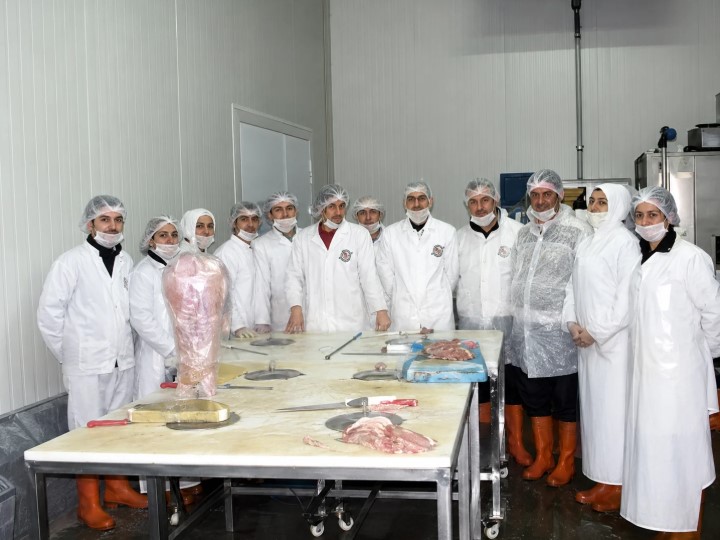
Fish doner production offers an interesting opportunity for food investors and seafood manufacturers looking to develop innovative products for the growing convenience food market. As consumer preferences continue to expand beyond traditional meat products, fish-based alternatives can provide businesses with new opportunities to serve restaurants, catering companies, supermarkets, and food distributors. However, establishing a successful manufacturing facility requires more than selecting suitable fish and preparing a recipe. It involves careful factory planning, specialised processing equipment, strict hygiene procedures, and effective production management.
A professional fish processing facility must be designed around the characteristics of seafood. Fish requires careful handling, controlled temperatures, and appropriate preparation methods to preserve its quality. Investors should therefore consider the entire manufacturing process before selecting machinery or establishing a production line.
Understanding the Fish Doner Manufacturing Process
The manufacturing process begins with selecting suitable fish species according to the desired product characteristics, availability, and target market. Different fish varieties have different textures, fat contents, flavours, and processing requirements. These characteristics influence the final product and determine which preparation methods are most appropriate.
After receiving the raw materials, fish should undergo quality inspection to assess freshness, temperature, appearance, and suitability for processing. Proper receiving procedures help prevent unsuitable ingredients from entering the production line.
The preparation stage generally involves cleaning, filleting, removing bones, trimming, and cutting the fish into appropriate portions. Depending on the product formulation, additional ingredients and seasonings may be incorporated to achieve the desired flavour and texture.
The prepared fish can then be assembled into the required doner shape using suitable production methods. Consistency is particularly important during this stage because differences in thickness, arrangement, and portion size can affect cooking performance and the appearance of the finished product.
Selecting Suitable Machinery for Fish Processing
Machinery selection is one of the most important decisions when establishing a seafood manufacturing facility. Equipment must be appropriate for handling delicate fish materials while maintaining hygienic production conditions.
Depending on the production method, a factory may require industrial fish cleaning machines, filleting equipment, cutting systems, mixing machines, forming equipment, refrigeration units, and packaging machinery.
The production capacity of each machine should match the overall manufacturing target. For example, if the preparation section can process more fish than the forming section can handle, unfinished materials may accumulate and interrupt the workflow.
Equipment construction also deserves attention. Stainless steel machinery designed for food processing is commonly preferred because it supports regular cleaning and helps maintain hygienic working conditions. Investors should also examine machine performance, energy requirements, maintenance accessibility, and the availability of replacement components.
Professional machinery procurement consultancy can help investors evaluate equipment specifications, compare suitable manufacturers, and coordinate purchasing decisions according to their production requirements.
Designing an Efficient Fish Doner Factory
A properly designed factory layout supports smooth production and reduces unnecessary material handling. The facility should provide organised areas for raw material receiving, chilled storage, fish preparation, processing, product assembly, packaging, and finished-product storage.
Separating raw fish handling areas from finished-product operations is particularly important. This arrangement helps reduce cross-contamination risks and supports better hygiene management.
Refrigeration infrastructure must be included in the initial factory design. Fish is a temperature-sensitive raw material, so appropriate chilled storage, processing conditions, and temperature monitoring procedures are essential.
Other infrastructure requirements include water supply, drainage, ventilation, electricity, cleaning facilities, and waste management systems. Planning these elements before construction and machinery installation can prevent costly modifications later.
A professional factory layout should also allow sufficient space for employees to operate machinery, clean equipment, and move materials safely.
Food Safety and Quality Control
Food safety is a central consideration in seafood manufacturing. Fish products require carefully managed handling procedures because poor temperature control or inadequate hygiene can create serious food safety risks.
Factories should establish documented procedures for receiving inspections, temperature monitoring, equipment cleaning, employee hygiene, and product traceability. Regular inspections can help identify problems before they affect finished products.
Allergen management is another important responsibility. Fish is a recognised food allergen in many markets, so ingredient declarations, product labels, and handling procedures must comply with applicable regulations.
Packaging should also be selected according to the product’s storage and distribution requirements. Suitable sealed packaging can protect products during transportation, while appropriate chilled or frozen storage helps maintain quality throughout the supply chain.
Employee Training and Production Management
Advanced machinery cannot deliver consistent results without trained employees. Workers should understand fish handling procedures, equipment operation, cleaning requirements, and quality control standards.
Production managers and food engineers must also monitor material usage, product consistency, processing performance, and operational costs. Practical training helps employees follow standard procedures and maintain reliable production results.
When establishing a new facility, employee training should be included in the project plan rather than treated as a final step after machinery installation.
Conclusion
Establishing a successful fish doner manufacturing facility requires a combination of suitable raw materials, specialised machinery, professional factory planning, and effective quality management. Every stage, from fish selection and preparation to product assembly, packaging, and storage, contributes to the quality of the finished product.
Investors should consider machinery selection as part of a complete factory development strategy. Professional consultancy covering production line design, equipment procurement, infrastructure planning, and employee training can help businesses make informed decisions and avoid unnecessary investment.
Rate this business
Have you heard of this business? Do you like it? How do you like it?
Check out if it is in the list of Top Rated Small Businesses