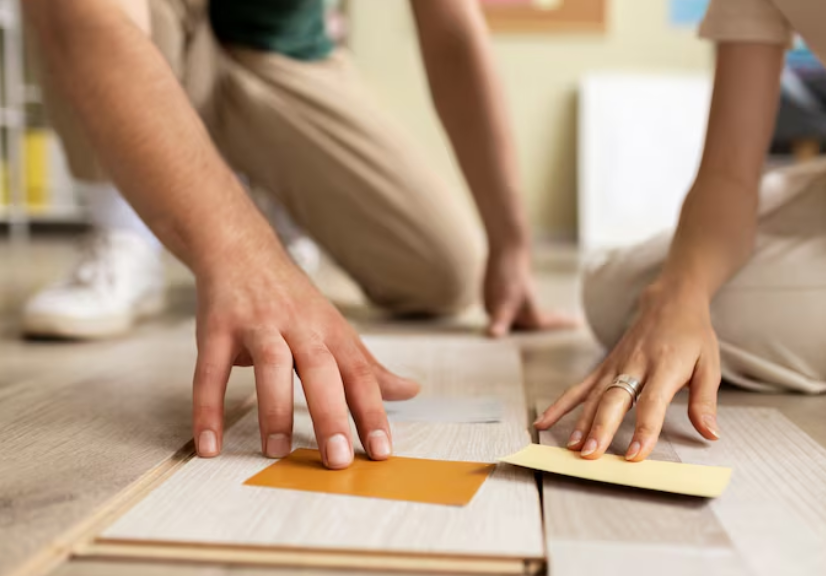
Installing a beautiful and durable floor requires more than selecting the right wood, design, or finish. The materials used to secure the flooring also play an important role in its performance, stability, and longevity. Wood floor glue and flooring adhesives help create a strong bond between flooring materials and the subfloor, supporting a reliable installation that can withstand everyday use. Choosing the appropriate adhesive and applying it correctly can help prevent movement, reduce unwanted noise, and maintain the appearance of the finished floor for years.
Understanding the Importance of Wood Floor Glue
Wood flooring is a popular choice for residential and commercial properties because of its natural appearance, durability, and timeless appeal. However, even high-quality flooring requires proper installation to deliver its expected performance. Wood floor glue provides the bonding strength needed for many glue-down flooring systems, helping secure individual boards or engineered wood planks to a suitable subfloor.
The right adhesive can help reduce shifting, minimize gaps, and improve the overall stability of the installation. When flooring is firmly bonded to the prepared surface, it is less likely to move under normal foot traffic. This is particularly important in busy areas such as living rooms, hallways, offices, and retail spaces.
Different flooring products have different installation requirements. Solid hardwood, engineered wood, and other wood-based flooring materials may require specific adhesive formulations. Before choosing a product, installers should review the flooring manufacturer’s recommendations and ensure that the adhesive is compatible with both the flooring and the subfloor.
Exploring Different Types of Flooring Adhesives
Flooring adhesives are available in several formulations, each designed to meet particular installation needs. Understanding these differences helps homeowners, contractors, and flooring professionals select a product that provides reliable performance.
Polyurethane adhesives are commonly used in certain wood flooring applications because they can create a strong bond and accommodate some natural movement in the flooring system. Their suitability depends on the flooring product, subfloor conditions, and the manufacturer’s specifications.
Moisture-curing adhesives may also be appropriate for selected installations. Some products offer moisture-control properties that can help manage vapor coming from compatible concrete subfloors. However, not every adhesive provides the same level of moisture protection, so installers should confirm the product’s capabilities before relying on it for this purpose.
Water-based adhesives are another option for certain flooring systems. They may be suitable for specific engineered wood products and other approved materials. Their performance depends on the formulation, environmental conditions, and installation instructions.
The best flooring adhesives are not necessarily the most expensive products. Instead, they are the ones designed for the particular flooring material, installation method, and site conditions.
Factors to Consider When Choosing an Adhesive
Selecting the correct adhesive requires careful consideration of several factors. One of the most important is flooring compatibility. A product designed for one type of wood flooring may not perform properly with another. Checking the manufacturer’s guidelines helps prevent bonding problems and protects the flooring investment.
Subfloor material is another major consideration. Concrete, plywood, and other approved substrates can have different preparation requirements. Some adhesives are designed for particular surfaces, while others offer broader compatibility. The subfloor must be clean, structurally sound, and prepared according to the adhesive manufacturer’s instructions.
Moisture conditions also matter. Wood naturally responds to changes in humidity, and excessive moisture can contribute to expansion, cupping, or other flooring problems. Before installation, professionals should evaluate the subfloor’s moisture condition using appropriate testing methods. Any required moisture-control system should be compatible with the complete flooring installation.
Working conditions can influence adhesive performance as well. Temperature, humidity, ventilation, and application thickness may affect working time and curing. Following the recommended installation conditions helps ensure that the adhesive develops the intended bond.
Preparing the Subfloor for Better Results
Proper preparation is essential for successful wood flooring installation. Even a high-quality adhesive may fail when applied to an unsuitable surface. Dust, grease, loose particles, old adhesive residue, and other contaminants can interfere with bonding.
The first step is to inspect the subfloor for damage, uneven areas, and signs of moisture. Any structural concerns should be addressed before installation begins. The surface should then be cleaned and prepared using methods approved for the specific substrate and adhesive.
Uneven surfaces may require an appropriate leveling or patching compound. Installers should confirm that the selected preparation materials are compatible with the adhesive and flooring system. A smooth, stable surface supports more consistent contact between the adhesive and flooring material.
It is also important to allow the subfloor to reach the required conditions before applying wood floor glue. Moisture readings, temperature, and other installation requirements should meet the manufacturer’s specifications. Skipping these checks can lead to costly repairs later.
Applying Wood Floor Glue Correctly
Correct application is just as important as selecting the right product. Installers should follow the adhesive manufacturer’s instructions regarding trowel type, application rate, open time, and placement of the flooring. Using the recommended tools helps distribute the adhesive evenly and supports consistent bonding.
Applying too little adhesive may result in weak spots or incomplete contact. Applying too much can create other problems, including excessive squeeze-out, difficult cleanup, or an uneven installation. The correct amount depends on the product and the flooring system.
Flooring boards should be positioned carefully while the adhesive remains within its recommended working time. Installers should avoid disturbing the flooring before the adhesive has developed sufficient strength. Any required rolling, weighting, or other installation procedures should follow the manufacturer’s directions.
Safety should remain a priority throughout the process. Depending on the formulation, adhesives may require gloves, eye protection, and adequate ventilation. Product labels and safety instructions should always be reviewed before use.
Common Problems and How to Prevent Them
Several flooring problems can result from improper adhesive selection or installation. Loose boards, hollow-sounding areas, gaps, and uneven bonding may indicate issues with subfloor preparation, adhesive application, or environmental conditions.
Moisture-related damage is another common concern. Excess moisture can affect wood flooring and may interfere with adhesive performance. Appropriate testing before installation and proper moisture management can help reduce this risk.
Using incompatible materials can also lead to installation failures. For example, a flooring product and adhesive may have different requirements for flexibility, curing, or substrate preparation. Checking compatibility before starting the project helps avoid unnecessary delays and expenses.
Installers should also respect the adhesive’s curing time. Walking on the floor too soon, moving heavy furniture prematurely, or exposing the installation to unsuitable conditions can interfere with the bonding process. Following the recommended waiting periods allows the flooring system to develop its intended strength.
Maintaining Wood Floors After Installation
Once the flooring has been installed and the adhesive has cured, appropriate maintenance helps preserve its appearance and performance. Regular sweeping or vacuuming removes grit that could scratch the surface. Spills should be cleaned promptly using products recommended for the flooring finish.
Excessive water should be avoided because moisture can damage wood and affect the stability of the flooring system. Indoor humidity should also be maintained within the range recommended by the flooring manufacturer.
Furniture pads, protective mats in suitable locations, and careful movement of heavy objects can reduce scratches and unnecessary stress on the floor. Periodic inspections may help identify loose boards or other concerns before they become more serious.
Although wood floor glue is hidden beneath the finished surface, its role in the installation remains important throughout the floor’s service life. Proper installation and routine maintenance work together to support long-term performance.
Conclusion
Choosing the right wood floor glue is an essential part of creating a stable, attractive, and long-lasting flooring installation. By understanding adhesive types, checking material compatibility, preparing the subfloor, and following recommended application procedures, property owners and installers can reduce common flooring problems.
Reliable flooring adhesives help secure compatible flooring materials and support the overall performance of the finished surface. Careful product selection, appropriate moisture management, and proper curing practices can make a meaningful difference in the quality of the final result. Whether upgrading a home, renovating an office, or completing a commercial project, investing time in the right adhesive and installation process helps protect the flooring investment and maintain its appearance for years to come.
0
Rate this business
Have you heard of this business? Do you like it? How do you like it?
Check out if it is in the list of Top Rated Small Businesses