
Wood Floor Glue and Flooring Adhesives: Choosing the Right Solution for Durable Flooring

Installing a beautiful and durable floor requires more than selecting the right wood, design, or finish. The materials used to secure the flooring also play an important role in its performance, stability, and longevity. Wood floor glue and flooring adhesives help create a strong bond between flooring materials and the subfloor, supporting a reliable installation that can withstand everyday use. Choosing the appropriate adhesive and applying it correctly can help prevent movement, reduce unwanted noise, and maintain the appearance of the finished floor for years.

Understanding the Importance of Wood Floor Glue

Wood flooring is a popular choice for residential and commercial properties because of its natural appearance, durability, and timeless appeal. However, even high-quality flooring requires proper installation to deliver its expected performance. Wood floor glue provides the bonding strength needed for many glue-down flooring systems, helping secure individual boards or engineered wood planks to a suitable subfloor.

The right adhesive can help reduce shifting, minimize gaps, and improve the overall stability of the installation. When flooring is firmly bonded to the prepared surface, it is less likely to move under normal foot traffic. This is particularly important in busy areas such as living rooms, hallways, offices, and retail spaces.

Different flooring products have different installation requirements. Solid hardwood, engineered wood, and other wood-based flooring materials may require specific adhesive formulations. Before choosing a product, installers should review the flooring manufacturer’s recommendations and ensure that the adhesive is compatible with both the flooring and the subfloor.

Exploring Different Types of Flooring Adhesives

Flooring adhesives are available in several formulations, each designed to meet particular installation needs. Understanding these differences helps homeowners, contractors, and flooring professionals select a product that provides reliable performance.

Polyurethane adhesives are commonly used in certain wood flooring applications because they can create a strong bond and accommodate some natural movement in the flooring system. Their suitability depends on the flooring product, subfloor conditions, and the manufacturer’s specifications.

Moisture-curing adhesives may also be appropriate for selected installations. Some products offer moisture-control properties that can help manage vapor coming from compatible concrete subfloors. However, not every adhesive provides the same level of moisture protection, so installers should confirm the product’s capabilities before relying on it for this purpose.

Water-based adhesives are another option for certain flooring systems. They may be suitable for specific engineered wood products and other approved materials. Their performance depends on the formulation, environmental conditions, and installation instructions.

The best flooring adhesives are not necessarily the most expensive products. Instead, they are the ones designed for the particular flooring material, installation method, and site conditions.

Factors to Consider When Choosing an Adhesive

Selecting the correct adhesive requires careful consideration of several factors. One of the most important is flooring compatibility. A product designed for one type of wood flooring may not perform properly with another. Checking the manufacturer’s guidelines helps prevent bonding problems and protects the flooring investment.

Subfloor material is another major consideration. Concrete, plywood, and other approved substrates can have different preparation requirements. Some adhesives are designed for particular surfaces, while others offer broader compatibility. The subfloor must be clean, structurally sound, and prepared according to the adhesive manufacturer’s instructions.

Moisture conditions also matter. Wood naturally responds to changes in humidity, and excessive moisture can contribute to expansion, cupping, or other flooring problems. Before installation, professionals should evaluate the subfloor’s moisture condition using appropriate testing methods. Any required moisture-control system should be compatible with the complete flooring installation.

Working conditions can influence adhesive performance as well. Temperature, humidity, ventilation, and application thickness may affect working time and curing. Following the recommended installation conditions helps ensure that the adhesive develops the intended bond.

Preparing the Subfloor for Better Results

Proper preparation is essential for successful wood flooring installation. Even a high-quality adhesive may fail when applied to an unsuitable surface. Dust, grease, loose particles, old adhesive residue, and other contaminants can interfere with bonding.

The first step is to inspect the subfloor for damage, uneven areas, and signs of moisture. Any structural concerns should be addressed before installation begins. The surface should then be cleaned and prepared using methods approved for the specific substrate and adhesive.

Uneven surfaces may require an appropriate leveling or patching compound. Installers should confirm that the selected preparation materials are compatible with the adhesive and flooring system. A smooth, stable surface supports more consistent contact between the adhesive and flooring material.

It is also important to allow the subfloor to reach the required conditions before applying wood floor glue. Moisture readings, temperature, and other installation requirements should meet the manufacturer’s specifications. Skipping these checks can lead to costly repairs later.

Applying Wood Floor Glue Correctly

Correct application is just as important as selecting the right product. Installers should follow the adhesive manufacturer’s instructions regarding trowel type, application rate, open time, and placement of the flooring. Using the recommended tools helps distribute the adhesive evenly and supports consistent bonding.

Applying too little adhesive may result in weak spots or incomplete contact. Applying too much can create other problems, including excessive squeeze-out, difficult cleanup, or an uneven installation. The correct amount depends on the product and the flooring system.

Flooring boards should be positioned carefully while the adhesive remains within its recommended working time. Installers should avoid disturbing the flooring before the adhesive has developed sufficient strength. Any required rolling, weighting, or other installation procedures should follow the manufacturer’s directions.

Safety should remain a priority throughout the process. Depending on the formulation, adhesives may require gloves, eye protection, and adequate ventilation. Product labels and safety instructions should always be reviewed before use.

Common Problems and How to Prevent Them

Several flooring problems can result from improper adhesive selection or installation. Loose boards, hollow-sounding areas, gaps, and uneven bonding may indicate issues with subfloor preparation, adhesive application, or environmental conditions.

Moisture-related damage is another common concern. Excess moisture can affect wood flooring and may interfere with adhesive performance. Appropriate testing before installation and proper moisture management can help reduce this risk.

Using incompatible materials can also lead to installation failures. For example, a flooring product and adhesive may have different requirements for flexibility, curing, or substrate preparation. Checking compatibility before starting the project helps avoid unnecessary delays and expenses.

Installers should also respect the adhesive’s curing time. Walking on the floor too soon, moving heavy furniture prematurely, or exposing the installation to unsuitable conditions can interfere with the bonding process. Following the recommended waiting periods allows the flooring system to develop its intended strength.

Maintaining Wood Floors After Installation

Once the flooring has been installed and the adhesive has cured, appropriate maintenance helps preserve its appearance and performance. Regular sweeping or vacuuming removes grit that could scratch the surface. Spills should be cleaned promptly using products recommended for the flooring finish.

Excessive water should be avoided because moisture can damage wood and affect the stability of the flooring system. Indoor humidity should also be maintained within the range recommended by the flooring manufacturer.

Furniture pads, protective mats in suitable locations, and careful movement of heavy objects can reduce scratches and unnecessary stress on the floor. Periodic inspections may help identify loose boards or other concerns before they become more serious.

Although wood floor glue is hidden beneath the finished surface, its role in the installation remains important throughout the floor’s service life. Proper installation and routine maintenance work together to support long-term performance.

Conclusion

Choosing the right wood floor glue is an essential part of creating a stable, attractive, and long-lasting flooring installation. By understanding adhesive types, checking material compatibility, preparing the subfloor, and following recommended application procedures, property owners and installers can reduce common flooring problems.

Reliable flooring adhesives help secure compatible flooring materials and support the overall performance of the finished surface. Careful product selection, appropriate moisture management, and proper curing practices can make a meaningful difference in the quality of the final result. Whether upgrading a home, renovating an office, or completing a commercial project, investing time in the right adhesive and installation process helps protect the flooring investment and maintain its appearance for years to come.


0
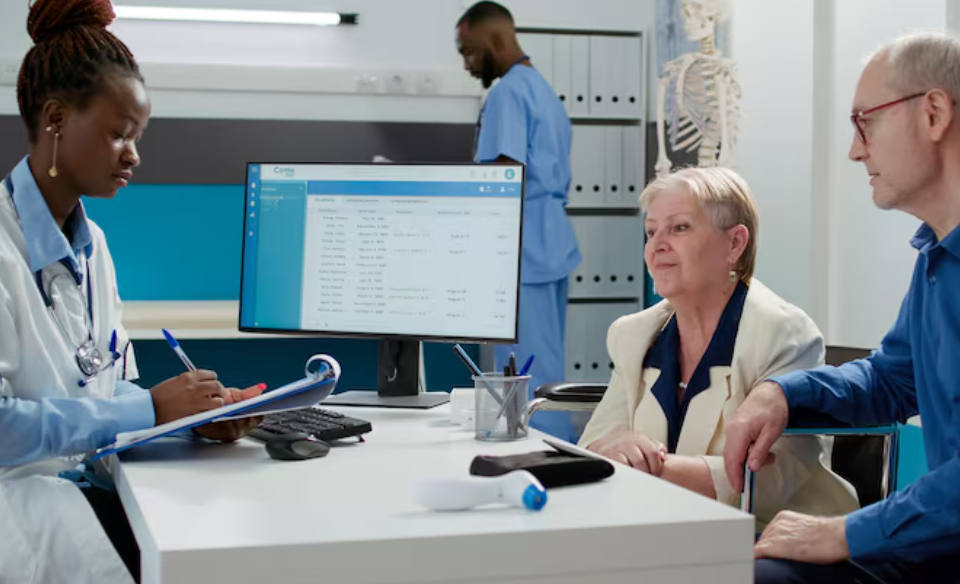
Improving Healthcare Efficiency with Medical Billing Services New York and Medical Coding Services New York

The healthcare industry depends on accurate documentation, efficient administrative processes, and reliable financial management to provide quality patient care. Medical practices, hospitals, specialty clinics, and independent healthcare providers must manage numerous responsibilities while maintaining compliance with industry standards. Among these responsibilities, medical billing and coding play an essential role in ensuring healthcare organizations receive appropriate reimbursement for the services they provide. Professional Medical Billing Services New York and Medical Coding Services New York can help healthcare providers streamline administrative operations, reduce billing errors, and maintain a more organized revenue cycle.

As healthcare regulations, insurance requirements, and patient expectations continue to evolve, providers need dependable systems that support both clinical and financial performance. By improving billing accuracy and maintaining detailed medical records, healthcare organizations can dedicate more time and resources to patient care.

Understanding the Importance of Medical Billing Services

Medical billing is the process of preparing and submitting claims to insurance companies and other responsible payers for healthcare services. It involves collecting patient information, verifying insurance coverage, reviewing charges, submitting claims, tracking payments, and managing outstanding balances. Each step requires attention to detail because even small administrative mistakes can delay reimbursement.

Reliable Medical Billing Services New York help healthcare providers organize these activities and maintain a consistent billing workflow. Instead of managing every financial task internally, medical practices can work with experienced billing professionals who understand the importance of accurate claims and timely follow-ups.

An effective billing process begins with collecting complete patient information. Insurance details, demographic records, provider information, and service documentation must be accurate before claims are submitted. When these details are reviewed carefully, healthcare organizations can reduce preventable claim rejections and improve payment processing.

Medical billing professionals also monitor claim statuses and investigate delayed payments. Following up on unpaid claims helps identify issues that may otherwise remain unresolved. This organized approach can support stronger cash flow and provide healthcare providers with a clearer understanding of their financial performance.

The Role of Medical Coding in Healthcare Administration

Medical coding converts information from clinical documentation into standardized codes used for billing, reporting, reimbursement, and healthcare administration. These codes represent diagnoses, procedures, treatments, and other relevant details recorded during patient encounters.

Accurate coding is essential because insurance companies use coded information to evaluate claims and determine appropriate reimbursement. Incorrect, incomplete, or unsupported codes can result in claim denials, payment delays, and compliance concerns.

Professional Medical Coding Services New York help healthcare organizations maintain consistency between clinical records and submitted claims. Qualified coding professionals review documentation, identify the appropriate codes, and follow applicable coding guidelines. Their work supports accurate communication between healthcare providers, insurance companies, and other organizations involved in the reimbursement process.

Medical coding also contributes to administrative reporting and healthcare data analysis. Properly coded records help practices evaluate service utilization, identify common diagnoses, and maintain organized patient documentation. These insights can support better operational planning and more informed business decisions.

How Billing and Coding Work Together

Medical billing and medical coding are closely connected components of the healthcare revenue cycle. Coding establishes the standardized information needed for claims, while billing uses that information to prepare, submit, and manage reimbursement requests.

When coding and billing processes are coordinated effectively, healthcare organizations can reduce administrative inefficiencies. For example, accurate diagnosis and procedure codes help billing teams submit claims with the information required by the payer. Complete documentation also makes it easier to investigate questions raised during claim reviews.

A disconnect between these functions can create unnecessary complications. Incorrect codes may lead to rejected claims, while inaccurate billing information can prevent otherwise valid claims from being processed correctly. Consistent communication between billing and coding professionals helps identify potential issues before claims are submitted.

By combining Medical Billing Services New York with dependable Medical Coding Services New York, healthcare practices can establish a more organized revenue cycle. This integrated approach supports accurate documentation, efficient claim management, and improved visibility into financial operations.

Benefits for Healthcare Providers in New York

Healthcare providers throughout New York operate in a demanding environment that requires them to balance patient care with administrative responsibilities. Independent physicians, multispecialty practices, outpatient facilities, and other healthcare organizations may face different billing challenges depending on their services and patient populations.

Professional billing and coding support offers several potential advantages.

Improved claim accuracy: Careful verification of patient information, service details, and coding data helps reduce errors that can interfere with reimbursement.

More efficient administrative workflows: Organized procedures for claim submission, payment posting, and follow-up reduce repetitive tasks and help staff manage their responsibilities more effectively.

Better cash flow management: Timely claim processing and consistent follow-up can help healthcare organizations identify unpaid balances and address reimbursement delays.

Reduced administrative pressure: Outsourcing selected billing and coding responsibilities can allow internal teams to concentrate on patient scheduling, communication, and other essential activities.

Stronger financial visibility: Regular reports on claim statuses, denials, collections, and outstanding balances help providers understand how their revenue cycle is performing.

These benefits depend on the quality of the service provider, the accuracy of clinical documentation, and the effectiveness of the practice’s internal procedures.

Reducing Claim Denials Through Accurate Processes

Claim denials are a common challenge for healthcare organizations. They can occur because of missing information, eligibility issues, incorrect coding, duplicate submissions, authorization problems, or differences between submitted claims and payer requirements.

An effective denial management process begins with identifying why a claim was rejected. Billing teams can review payer explanations, examine the original submission, and determine whether corrections or additional documentation are necessary. When appropriate, corrected claims or appeals can then be submitted within applicable deadlines.

Coding reviews are equally important. If a diagnosis or procedure code does not accurately reflect the medical record, the claim may require correction before resubmission. Coding professionals should ensure that reported services are supported by documentation and comply with applicable guidelines.

Healthcare organizations can also benefit from examining denial patterns over time. Repeated eligibility errors, documentation gaps, or authorization problems may indicate that internal workflows need improvement. Addressing the underlying causes can help prevent similar issues in future claims.

Maintaining Compliance and Protecting Patient Information

Compliance is a critical consideration in medical billing and coding. Healthcare providers must maintain accurate records, follow applicable payer policies, and use appropriate coding practices. Billing for unsupported services, misrepresenting medical information, or using incorrect codes can create financial and regulatory risks.

Medical billing and coding teams should follow relevant requirements, including applicable HIPAA privacy and security obligations, as well as current coding and reimbursement guidelines. Patient information must be handled carefully, and access should be limited to authorized individuals who need the information to perform their responsibilities.

Healthcare organizations should also establish procedures for reviewing documentation, correcting errors, and maintaining records of billing activities. Regular staff training and periodic internal audits can help identify weaknesses before they develop into larger problems.

Working with a knowledgeable service provider can strengthen these processes, although healthcare practices remain responsible for their own compliance obligations and appropriate oversight.

Choosing the Right Billing and Coding Partner

Selecting a medical billing and coding partner requires careful evaluation. Healthcare providers should consider the provider’s industry experience, familiarity with relevant specialties, quality assurance procedures, communication practices, and ability to generate useful performance reports.

It is also important to understand how the provider handles denied claims, payment posting, coding questions, and unresolved accounts. Clear communication helps ensure that documentation problems and reimbursement concerns are addressed promptly.

Security practices should be evaluated before patient information is shared. Providers should understand the service arrangement, applicable privacy safeguards, access controls, and responsibilities for protecting sensitive records.

Healthcare organizations may also want to review performance indicators such as claim acceptance rates, denial trends, days in accounts receivable, and collection performance. These measurements can help determine whether the arrangement is delivering meaningful operational improvements.

Supporting Long-Term Healthcare Success

Effective revenue cycle management involves more than submitting claims. It requires accurate records, consistent communication, careful monitoring, and a commitment to continuous improvement. When healthcare organizations coordinate billing and coding responsibilities, they can identify problems earlier and make better use of administrative resources.

Medical Billing Services New York can help providers organize reimbursement activities, monitor outstanding claims, and maintain more consistent financial workflows. Similarly, Medical Coding Services New York can support accurate clinical classification, appropriate claim preparation, and reliable healthcare documentation.

Together, these services provide a practical foundation for managing the financial side of healthcare. By prioritizing accuracy, compliance, transparency, and efficient processes, New York healthcare providers can strengthen their administrative operations while keeping patient care at the center of their work.

As healthcare requirements continue to change, practices that regularly evaluate their billing and coding procedures will be better positioned to respond to new challenges. Investing in dependable revenue cycle support can help healthcare organizations maintain operational stability, improve administrative efficiency, and build a stronger foundation for sustainable growth.


0

CNA Training and CNA Certification: Building a Successful Career in Healthcare

The healthcare industry offers many opportunities for individuals who want to make a positive difference in people’s lives. One of the most rewarding ways to begin a healthcare career is by becoming a Certified Nursing Assistant (CNA). CNAs play an essential role in supporting patients, assisting nurses, and helping individuals maintain comfort, dignity, and independence. For people who enjoy caring for others and want to enter the medical field, CNA training and CNA certification are important steps toward building a stable and meaningful career.

Understanding the Role of a Certified Nursing Assistant

Certified Nursing Assistants provide direct care to patients in hospitals, nursing homes, rehabilitation centers, assisted living facilities, and other healthcare environments. Their responsibilities often include helping patients with daily activities, monitoring basic health information, assisting with mobility, and communicating patient concerns to licensed nursing professionals.

CNAs frequently work with older adults, individuals recovering from illness or surgery, and patients who need ongoing assistance. Their work requires patience, compassion, attention to detail, and a strong commitment to patient safety.

Because nursing assistants spend considerable time interacting with patients, they often become important members of the healthcare team. They help create a supportive environment in which patients feel respected, comfortable, and cared for.

Why CNA Training Is an Important First Step

Professional CNA training prepares aspiring nursing assistants to perform their duties safely and confidently. Although compassion is essential in healthcare, providing effective patient care also requires practical knowledge, technical skills, and an understanding of professional responsibilities.

Training programs generally combine classroom instruction with hands-on clinical experience. Students learn about basic nursing principles, infection prevention, patient rights, communication, and safe caregiving practices.

Classroom lessons may introduce students to medical terminology, human anatomy, nutrition, hygiene, and common healthcare procedures. Practical instruction allows students to develop skills such as taking vital signs, assisting with transfers, providing personal care, and maintaining a clean patient environment.

Clinical experience is particularly valuable because it gives students an opportunity to apply their knowledge under appropriate supervision. This experience helps them understand the daily responsibilities of nursing assistants before entering the workforce.

Choosing a reputable training program can help students establish a strong foundation for their future careers.

What Students Learn During CNA Training

A comprehensive training program covers several essential areas of patient care. These subjects prepare students to work with individuals who have different medical needs, physical abilities, and personal preferences.

One major component is personal care. Students learn how to assist patients with bathing, dressing, grooming, eating, and other daily activities while protecting their dignity and privacy.

Another important area is infection control. Nursing assistants must understand hand hygiene, appropriate protective equipment, cleaning procedures, and methods for reducing the spread of infectious diseases.

Patient safety is also a central topic. Students learn how to support safe movement, recognize potential hazards, and follow procedures designed to prevent falls and injuries. They also develop an understanding of how to report changes in a patient’s condition to the appropriate healthcare professional.

Communication skills are equally important. CNAs interact with patients, families, nurses, and other healthcare workers throughout their shifts. Clear communication helps prevent misunderstandings and supports coordinated care.

Additionally, students learn about confidentiality, ethical behavior, professional boundaries, and respect for patients from different backgrounds.

These skills prepare graduates to handle everyday responsibilities with greater confidence and professionalism.

Understanding CNA Certification Requirements

Completing a training program is an important milestone, but students must also understand the requirements for CNA certification in the state where they plan to work.

Requirements vary by state. In many cases, candidates must complete an approved nursing assistant training program, pass a competency evaluation, and satisfy applicable background screening requirements.

The competency evaluation commonly includes a written or oral examination and a practical skills assessment. The written portion tests knowledge of nursing assistant responsibilities, patient safety, infection control, and basic caregiving principles. The practical portion evaluates the candidate’s ability to perform selected nursing assistant skills correctly.

Candidates should review their state’s current regulations to understand the required training hours, examination procedures, application documents, and eligibility criteria.

Some states use a nursing assistant registry to document individuals who meet the requirements for employment as certified nursing assistants. Maintaining eligibility and complying with renewal or continuing education requirements, when applicable, are also important parts of professional development.

Understanding these steps early can help students prepare effectively and avoid unnecessary delays.

How to Prepare for the CNA Certification Exam

Preparing for the certification examination requires consistent study, practical repetition, and a clear understanding of the skills expected of an entry-level nursing assistant.

Students should begin by reviewing the material covered in their training program. Topics such as infection prevention, patient rights, communication, personal care, and safety procedures deserve particular attention.

Practice questions can help candidates become familiar with common examination formats. Reviewing incorrect answers is especially useful because it helps identify areas that require additional study.

The practical skills assessment requires a different approach. Candidates should practice each assigned procedure in the correct sequence, following the instructions provided by their training program and examination authority.

For example, hand hygiene, patient identification when required, privacy, safety precautions, and clear explanations are important elements of appropriate care. Students should also learn to listen carefully to instructions and avoid rushing through procedures.

Creating a regular study schedule can make preparation more manageable. Even short, focused study sessions can improve understanding when combined with supervised practice and feedback from instructors.

Confidence develops through preparation rather than memorization alone.

Choosing the Right CNA Training Program

Selecting an appropriate program can influence how well students prepare for their certification examination and future employment.

Prospective students should first confirm that a program meets the approval requirements of their state. An approved program helps ensure that its curriculum and clinical instruction align with applicable regulations.

Students should also consider class schedules, tuition, additional fees, clinical placement arrangements, instructor qualifications, and available learning resources.

Some individuals prefer traditional classroom instruction, while others need evening or weekend schedules because of family or work commitments. Understanding the program’s format and attendance requirements can help students choose an option that fits their circumstances.

It is also helpful to ask whether the program provides examination preparation, practical skills coaching, and guidance on completing the certification application.

A strong educational environment encourages students to ask questions, practice procedures, and learn from mistakes under supervision.

Taking time to compare programs can help prospective nursing assistants make an informed decision.

Career Opportunities After CNA Certification

Earning CNA certification can open the door to several entry-level opportunities in healthcare. Certified nursing assistants may find employment in skilled nursing facilities, hospitals, rehabilitation centers, assisted living communities, home healthcare settings, and other care environments, depending on employer requirements and state regulations.

Each setting offers different experiences. Nursing homes may focus on long-term resident support, while hospitals often involve assisting patients during treatment and recovery. Rehabilitation facilities may emphasize mobility, daily living activities, and progress toward greater independence.

The work can be physically and emotionally demanding. Nursing assistants may spend long periods standing, assisting patients with movement, and responding to changing needs. However, many find the role rewarding because they can see the direct impact of their efforts on patient comfort and well-being.

Employment opportunities, schedules, wages, and benefits vary according to location, experience, employer, and demand. Researching local healthcare employers can help graduates identify positions that match their goals.

Continuing Education and Career Advancement

Becoming a nursing assistant can also serve as a foundation for further education. Some professionals use their experience as preparation for nursing school or other healthcare-related programs.

Working alongside nurses and other medical professionals can provide valuable insight into patient care, clinical teamwork, and healthcare operations. This experience may help individuals determine which long-term career paths interest them most.

With additional education and the required qualifications, some nursing assistants pursue careers as Licensed Practical Nurses, Registered Nurses, or professionals in other healthcare specialties.

Career advancement requires planning, continued learning, and an understanding of the admission and licensing requirements associated with each profession.

Even for individuals who intend to remain nursing assistants, ongoing professional development can strengthen communication, improve patient care, and support long-term career growth.

Conclusion

A career as a Certified Nursing Assistant offers an opportunity to combine practical skills with compassion and service. Through quality CNA training, students develop the knowledge and abilities needed to assist patients safely, communicate effectively, and contribute to healthcare teams.

Completing the necessary steps toward CNA certification demonstrates that candidates have met the applicable requirements to enter this important profession. By selecting an approved training program, preparing carefully for the competency examination, and staying informed about state regulations, aspiring nursing assistants can build a strong foundation for their careers.

For individuals who value helping others and want to explore opportunities in healthcare, becoming a CNA can be a meaningful first step. With dedication, patience, and a commitment to continuous learning, nursing assistants can make a lasting difference in the lives of the people they serve while opening doors to future professional opportunities.


0

Capturing Life’s Most Meaningful Moments with High School Senior Photos and Couples Photography in St. Augustine, FL

Life is filled with special milestones that deserve to be remembered. From celebrating the final years of high school to capturing the love between two people, professional photography helps preserve emotions, personalities, and memories that become more valuable over time. In a beautiful coastal destination like St. Augustine, Florida, the combination of historic architecture, scenic beaches, and natural landscapes creates the perfect setting for meaningful photographs. Whether students are preparing for graduation or couples want to celebrate their relationship, professional photography can turn important moments into lasting keepsakes.

Celebrating a New Chapter with High School Senior Photography

High school graduation represents an exciting transition. Students are preparing to leave familiar routines, pursue new opportunities, and begin the next chapter of their lives. Senior portraits provide an opportunity to celebrate this achievement while showcasing each student’s personality, interests, and individual style.

Choosing High School Senior Photos st augustine fl allows students and families to capture this important milestone in a location known for its distinctive scenery. St. Augustine offers a variety of settings, including sandy beaches, charming streets, historic buildings, and peaceful outdoor spaces. These locations provide different visual styles, allowing every senior session to feel personal and unique.

Senior photography should reflect the individual rather than simply follow a traditional portrait formula. Some students prefer classic portraits with elegant outfits and simple backgrounds, while others enjoy relaxed photographs that highlight their hobbies, sports, artistic interests, or personal fashion. A professional photographer can help students choose a setting and approach that makes them feel comfortable and confident.

Choosing the Perfect Location for Senior Portraits

One of the most enjoyable parts of planning senior portraits is selecting a location. St. Augustine offers plenty of opportunities to create photographs with different moods and appearances.

Beach locations are particularly popular because they provide open skies, soft natural light, and beautiful coastal scenery. Early morning and late afternoon sessions can produce flattering lighting and warm colors. The relaxed atmosphere also helps students feel comfortable in front of the camera.

Historic areas offer another appealing option. Architectural details, textured walls, charming walkways, and timeless surroundings create an elegant atmosphere for senior portraits. Students who want something more contemporary might prefer open parks, landscaped gardens, or urban-inspired backgrounds.

When planning High School Senior Photos st augustine fl, it is helpful to consider how the location complements the student’s clothing, personality, and preferred photography style. A carefully chosen setting can make the final images feel cohesive while ensuring that the student’s individuality remains the main focus.

Preparing for a Successful Senior Photography Session

Preparation can make a significant difference in the quality and enjoyment of a senior photography session. Students should begin by choosing outfits that reflect their personalities and make them feel confident. Bringing two or three clothing options can provide variety without making the session unnecessarily complicated.

Neutral colors, coordinated accessories, and clothing that fits comfortably often work well in outdoor environments. Students can also incorporate meaningful items, such as musical instruments, sports equipment, graduation accessories, or objects connected to their future goals.

Rest and hydration are equally important. Arriving prepared and allowing enough time for the session can reduce stress and create a more relaxed experience. Photographers may offer guidance on posing, facial expressions, and movement, helping students look natural rather than overly posed.

Parents and families can also participate in the planning process by discussing preferred locations, reviewing outfit choices, and deciding how the photographs will be displayed. The goal is to create portraits that students will appreciate long after graduation.

Celebrating Relationships Through Couples Photography

While senior portraits celebrate personal growth, couples photography focuses on connection, affection, and shared experiences. Every relationship has its own story, and professional photographs can preserve the small gestures, meaningful expressions, and joyful moments that make it special.

Choosing couples photography st augustine fl offers partners the opportunity to celebrate their relationship in a setting filled with natural beauty and historic charm. Whether a couple is newly dating, celebrating an anniversary, planning an engagement, or simply documenting a meaningful period in their lives, a photography session can become a memorable experience.

The best couples portraits often capture genuine interaction instead of relying entirely on formal poses. Walking together along the beach, holding hands while exploring a historic street, laughing during a conversation, or sharing a quiet moment can create photographs that feel authentic and emotionally meaningful.

A professional photographer helps guide the session while leaving room for spontaneous moments. This balance allows couples to feel comfortable with each other and enjoy the experience rather than concentrating exclusively on the camera.

Beautiful Settings for Couples Photography in St. Augustine

St. Augustine provides a variety of scenic backdrops that can complement different relationship styles. Couples can select a location that reflects their personalities and the atmosphere they want their photographs to convey.

Beach sessions are ideal for couples who appreciate natural scenery and a relaxed environment. The shoreline, ocean waves, and expansive sky create a romantic atmosphere, especially during sunrise or sunset. Soft coastal light can add warmth and depth to portraits without making the setting feel overly formal.

Historic streets and architectural surroundings offer a different aesthetic. Couples who enjoy timeless imagery may appreciate the character of old buildings, decorative details, and charming walkways. These settings can create elegant photographs that combine personal connection with the area’s distinctive atmosphere.

Gardens and shaded outdoor spaces are also excellent choices for intimate portraits. Greenery, flowers, and filtered sunlight can provide a peaceful backdrop for photographs that emphasize emotion and natural interaction.

When planning couples photography st augustine fl, partners should consider the season, weather, preferred clothing, and overall mood they want to achieve. Selecting a meaningful location can make the photographs more personal and help the session feel like a celebration of their relationship.

Creating Natural and Meaningful Couples Portraits

Feeling comfortable in front of a camera can be challenging, particularly for people who have limited photography experience. A supportive photographer can make the process easier by offering simple directions and encouraging couples to interact naturally.

Rather than asking partners to maintain the same pose throughout the session, a photographer might suggest walking, talking, embracing, or sharing a favorite memory. These activities encourage genuine expressions and allow personalities to emerge.

Clothing choices can also contribute to the overall appearance of the photographs. Coordinating colors without wearing identical outfits often creates a balanced look. Lightweight fabrics, comfortable shoes, and outfits appropriate for the selected location can make the experience more enjoyable.

Couples should also communicate their preferences before the session. Some may want romantic and intimate portraits, while others prefer playful images filled with laughter and movement. Discussing these expectations helps the photographer plan a session that reflects the couple’s relationship.

Professional couples photography st augustine fl can be especially meaningful when connected to a special occasion, but couples do not need an anniversary or engagement to justify having photographs taken. Everyday love and shared experiences are equally worthy of being documented.

The Lasting Value of Professional Photography

Photography offers more than attractive images. It creates a visual record of personal milestones, relationships, and experiences that change with time. Senior portraits can remind students of their ambitions, friendships, and accomplishments during an important period of growth. Couples portraits can preserve memories of a relationship as it develops through different stages of life.

Professional photography also provides flexibility in how images are used. Photographs can be displayed in frames, included in graduation announcements, added to family albums, printed as gifts, or preserved in digital collections. Carefully selected images can become treasured reminders of moments that might otherwise fade from memory.

Both senior and couples sessions benefit from thoughtful planning, comfortable communication, and attention to detail. Lighting, location, clothing, and composition all contribute to the final result, but genuine emotion remains one of the most important elements of meaningful photography.

Conclusion

St. Augustine, Florida, offers an inspiring environment for capturing life’s important milestones. Its beaches, historic surroundings, and beautiful outdoor locations create opportunities for portraits that reflect personality, emotion, and individual style. From celebrating graduation to documenting a growing relationship, professional photography helps transform meaningful experiences into lasting memories.

By choosing High School Senior Photos st augustine fl, students can celebrate their achievements and express their individuality before beginning a new chapter. Meanwhile, couples photography st augustine fl allows partners to preserve their connection and celebrate the experiences they share. With thoughtful preparation, a comfortable atmosphere, and a setting that complements the occasion, both types of photography can produce beautiful images that remain meaningful for years to come.


0