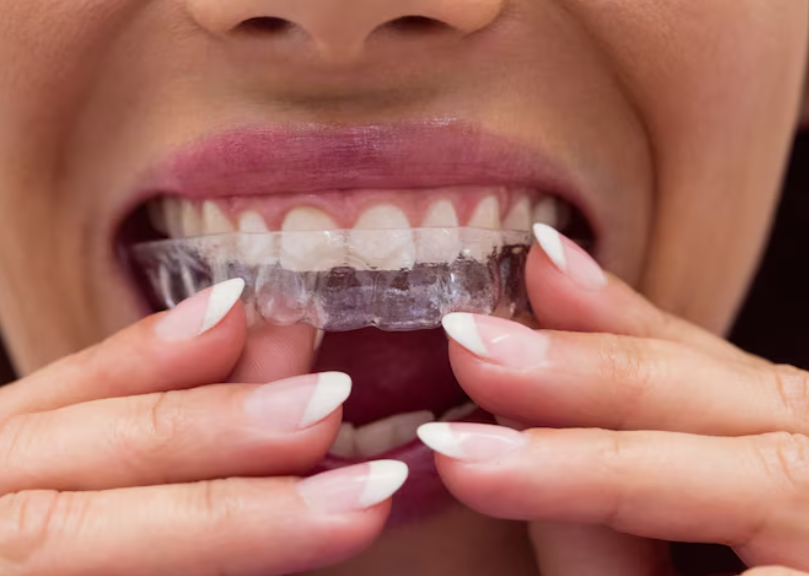
Maintaining a healthy smile involves more than regular brushing, flossing, and dental checkups. Retainers and night guards can play important roles in protecting teeth, maintaining alignment, and supporting long-term oral health. Whether you have recently completed orthodontic treatment or experience teeth grinding while sleeping, choosing the right dental appliance can help you protect your investment in your smile. Understanding retainer replacement cost and the benefits of a custom night guard can help you make informed decisions about your dental care.
Why Retainers Are Important for Maintaining Your Smile
Retainers are dental appliances designed to keep teeth in their corrected positions after orthodontic treatment. Following braces or clear aligner therapy, teeth may gradually shift as the surrounding tissues adjust. Wearing a retainer according to your dentist’s or orthodontist’s instructions helps maintain the results of treatment.
There are different types of retainers, including removable clear retainers, traditional wire retainers, and fixed retainers attached behind the teeth. Each option has advantages depending on a person’s dental needs, lifestyle, and treatment history.
Removable retainers require regular cleaning and careful storage. They can become damaged, discolored, loose, or lost over time. When this happens, replacing the appliance promptly is important. Continuing to wear a damaged retainer may be uncomfortable or ineffective, while going without one for an extended period could allow teeth to move.
Understanding when to replace a retainer and what to expect financially can make ongoing orthodontic maintenance easier to manage.
Factors That Influence Retainer Replacement Cost
The overall retainer replacement cost depends on several factors, including the type of retainer, the materials used, the dental provider, and whether a new dental impression or scan is required.
Clear plastic retainers are popular because they are discreet and fit closely over the teeth. Their cost can vary according to the manufacturing process, the provider, and whether the appliance is purchased through a dental office or an eligible online service.
Traditional Hawley retainers contain acrylic and a metal wire. They are designed to be adjustable in certain circumstances and can be durable when properly maintained. However, their construction and customization may affect the price.
Fixed retainers have different replacement considerations because they are bonded to the teeth. Removing and replacing one may require professional dental care, particularly if the wire breaks or the bonding material becomes loose.
Additional expenses may include dental consultations, impressions, digital scans, shipping, or adjustments. Insurance coverage and orthodontic treatment plans may also influence the final amount.
When comparing prices, it is helpful to consider more than the initial purchase price. A well-fitting appliance, reliable materials, and appropriate professional guidance can contribute to a better long-term experience.
When Should You Replace Your Retainer?
Retainers do not necessarily need replacement on a fixed schedule. Their lifespan depends on the material, frequency of use, cleaning habits, and exposure to heat or physical damage.
Several warning signs may indicate that replacement is necessary. Cracks, rough edges, visible warping, and a loose fit can interfere with the appliance’s function. A retainer that suddenly feels unusually tight may indicate that your teeth have shifted or that the appliance has changed shape.
Never force a retainer over your teeth if it does not fit properly. Doing so may cause discomfort or put unwanted pressure on your teeth. Instead, contact your dentist or orthodontist for an evaluation.
You should also avoid using hot water to clean a clear plastic retainer because excessive heat can distort the material. Keep removable retainers in their protective cases when they are not being worn, and follow the cleaning instructions provided by your dental professional.
Planning for replacement before an appliance becomes unusable can help reduce interruptions in your retention routine.
What Is a Custom Night Guard?
A custom night guard is a dental appliance designed to fit an individual’s teeth and help protect them from the effects of grinding or clenching during sleep. This condition, commonly called sleep bruxism, can contribute to tooth wear, jaw discomfort, headaches, and damage to existing dental restorations.
Unlike generic guards available in standard sizes, a professionally made custom night guard is created using a dental impression or digital scan. The resulting appliance is designed around the person’s individual bite and tooth structure.
A properly fitted guard creates a protective barrier between the upper and lower teeth. Depending on its design, it can help reduce direct tooth-to-tooth contact and protect enamel from excessive wear.
Custom night guards are available in different materials and thicknesses. Some are relatively soft, while others are firmer or feature a combination of materials. The most appropriate option depends on the severity of grinding, dental history, comfort preferences, and professional recommendations.
Although a night guard does not necessarily stop the underlying habit of grinding, it can help reduce the risk of certain types of dental damage when used appropriately.
Benefits of Choosing a Custom Night Guard
One of the main benefits of a custom night guard is its personalized fit. Because the appliance is made for a specific set of teeth, it can provide a more secure and comfortable fit than many generic alternatives.
Comfort matters because a guard that feels bulky or unstable may be difficult to wear consistently. A properly fitted appliance can make nightly use more manageable while helping protect vulnerable teeth.
Another benefit is protection for dental restorations. People with crowns, veneers, bridges, or other restorative dental work may benefit from discussing nighttime grinding with their dentist. Excessive pressure can contribute to wear or damage, and an appropriate guard may help protect these restorations.
A custom appliance can also be selected according to an individual’s grinding pattern and bite. Dentists can evaluate the condition of the teeth and recommend a suitable design rather than relying on a one-size-fits-all product.
However, results vary from person to person. Persistent jaw pain, headaches, or signs of significant tooth damage should be evaluated professionally instead of relying exclusively on a night guard.
Retainers and Night Guards Serve Different Purposes
Although retainers and night guards may look similar, they are designed for different purposes. A retainer primarily helps maintain tooth alignment after orthodontic treatment, while a night guard is intended to protect teeth from grinding and clenching forces.
These appliances should not automatically be used interchangeably. A retainer may not provide adequate protection against heavy grinding, and a night guard may not maintain orthodontic alignment in the same way as a prescribed retainer.
Some people need both appliances. For example, someone who has completed orthodontic treatment and also grinds their teeth may require a retention plan and a separate protective appliance. A dentist or orthodontist can determine the most appropriate approach based on the individual’s bite and oral health needs.
Trying to combine these functions without professional guidance may compromise comfort, protection, or tooth positioning.
How to Choose the Right Dental Appliance
Selecting the right dental appliance begins with identifying the problem you want to address. If your teeth are shifting after orthodontic treatment, a replacement retainer may be necessary. If you experience grinding, jaw tension, or unusual tooth wear, a night guard may be worth discussing with your dentist.
When researching retainer replacement cost, compare the appliance type, fitting process, material quality, and any additional services included in the price. Ask whether follow-up adjustments or replacements are covered and whether your dental insurance offers any benefits.
When considering a custom night guard, ask about the available materials, expected durability, cleaning requirements, and suitability for your grinding pattern. Professional fitting can be particularly valuable if you have existing dental restorations, bite concerns, or significant jaw discomfort.
Online dental appliance services may offer convenient ordering options, but it is important to understand how impressions are obtained, how fit concerns are addressed, and when an in-person dental examination is recommended.
Maintaining Your Dental Appliance for Long-Term Use
Proper maintenance can help extend the useful life of retainers and night guards. Clean each appliance according to its manufacturer’s or dental professional’s instructions. Avoid abrasive cleaners and excessive heat, and store removable appliances in clean, protective cases.
Inspect your appliance regularly for cracks, discoloration, rough edges, or changes in fit. Bring it to dental appointments when appropriate so your provider can assess its condition.
Consistent use is equally important. Wear a retainer according to your orthodontist’s instructions, and use a night guard as directed by your dentist. If either appliance causes persistent pain, irritation, or an unusual bite sensation, stop forcing it into place and seek professional advice.
Conclusion
Protecting your smile requires attention to both tooth alignment and everyday dental wear. Understanding retainer replacement cost helps you prepare for the ongoing maintenance required after orthodontic treatment, while choosing a suitable custom night guard can help protect teeth from nighttime grinding and clenching.
Although these appliances serve different purposes, both can contribute to long-term oral health when selected, fitted, and maintained appropriately. By evaluating your needs, comparing available options, and consulting a qualified dental professional when necessary, you can make practical decisions that support a comfortable bite and a healthy, confident smile.
0
Rate this business
Have you heard of this business? Do you like it? How do you like it?
Check out if it is in the list of Top Rated Small Businesses