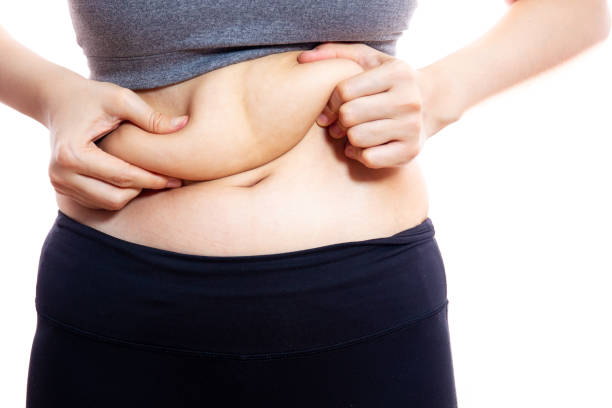
Liposuction is a popular cosmetic procedure designed to remove stubborn pockets of fat from specific areas of the body and create a more defined body shape. Many people maintain a healthy lifestyle through regular exercise and balanced eating but still struggle with fat deposits that do not respond to their efforts. Understanding who is a suitable candidate for Liposuction in Riyadh can help individuals decide whether this treatment aligns with their body goals and expectations.
People considering liposuction riyadh should understand that the procedure is intended for body contouring rather than overall weight loss. It may help improve the appearance of areas such as the abdomen, thighs, hips, arms, back, and chin. However, not everyone is an ideal candidate. Factors such as general health, body weight, skin elasticity, and personal expectations play an important role in determining suitability.
What Is Liposuction and How Does It Work?
Liposuction is a cosmetic surgical procedure that removes unwanted fat deposits from targeted areas of the body. During treatment, a thin instrument called a cannula is used to loosen and remove fat through small incisions. The technique can be used on different body areas depending on the individual’s needs and treatment plan.
The primary purpose of liposuction is to improve body proportions and create a more balanced appearance. It is not designed to replace healthy eating habits, regular physical activity, or medical weight management. Understanding its purpose is an important first step when considering treatment.
Who Is an Ideal Candidate for Liposuction?
Individuals With Stubborn Fat Deposits
People who have localized fat deposits that remain despite maintaining a healthy lifestyle may be suitable candidates. These deposits commonly develop around the abdomen, waist, thighs, upper arms, and back. Liposuction can target these specific areas to improve body contours.
People Near Their Healthy Body Weight
Liposuction generally works best for individuals who are close to their healthy body weight. It is not intended for people seeking significant weight reduction. Candidates with relatively stable weight may achieve more predictable body contouring results than those experiencing frequent weight changes.
Individuals With Good Skin Elasticity
Skin elasticity is another important consideration. People with firm, flexible skin may experience better skin adaptation after fat removal. When the skin has sufficient elasticity, it can adjust more effectively to the body’s new contours.
Individuals with loose or significantly sagging skin may require a different treatment approach. A professional assessment can help determine whether liposuction alone is appropriate or whether additional procedures should be considered.
People in Good General Health
Good overall health is essential when considering any surgical procedure. Suitable candidates should not have uncontrolled medical conditions that could increase surgical or recovery risks. A medical professional will review the individual’s health history, medications, and other relevant factors before recommending treatment.
Individuals With Realistic Expectations
Having realistic expectations is important for a satisfying experience. Liposuction can improve body shape and reduce targeted fat deposits, but it cannot guarantee perfect symmetry or a specific body shape. Candidates should understand the procedure’s benefits, limitations, potential risks, and recovery requirements before making a decision.
Who May Not Be Suitable for Liposuction?
Although liposuction can benefit many individuals, certain circumstances may make the procedure unsuitable or require additional medical evaluation. People with significant obesity, unstable body weight, poor skin elasticity, or certain uncontrolled health conditions may not be ideal candidates.
Individuals who smoke may also face increased risks of healing complications. Smoking cessation may be recommended before surgery and throughout the recovery period. Additionally, people expecting liposuction to eliminate cellulite, tighten severely loose skin, or replace weight-loss efforts may need to explore other options.
A detailed consultation is necessary to understand individual concerns and identify the safest approach.
Which Body Areas Can Liposuction Treat?
Liposuction can address several areas where stubborn fat tends to accumulate. The abdomen and waist are common treatment areas for individuals seeking a more defined midsection. The thighs and hips may also be treated to improve body proportions.
Other possible treatment areas include the upper arms, back, chin, and neck. The most appropriate areas depend on fat distribution, skin condition, personal goals, and overall suitability. A customized treatment plan helps ensure that the procedure addresses the individual’s specific concerns.
What Should You Consider Before Choosing Liposuction?
Before undergoing liposuction, it is important to understand the procedure, preparation requirements, and recovery process. Candidates should discuss their medical history, desired outcomes, and any concerns during their consultation.
Recovery varies depending on the treatment area and the amount of fat removed. Swelling, bruising, and temporary discomfort are common during the healing period. Wearing compression garments and following post-operative instructions may help support recovery.
Maintaining a stable weight through balanced nutrition and regular physical activity is also important for preserving long-term results.
Frequently Asked Questions
1. How do I know if I am a good candidate for liposuction?
You may be a suitable candidate if you are close to your healthy body weight, have stubborn localized fat deposits, good skin elasticity, and realistic expectations. A professional medical assessment is necessary to confirm your suitability.
2. Can overweight individuals undergo liposuction?
Liposuction is not a weight-loss treatment and is generally intended for people with localized fat deposits rather than significant excess body weight. Individuals who are overweight may need to discuss their options with a medical professional.
3. Does liposuction help tighten loose skin?
Liposuction primarily removes fat rather than tightening loose skin. Skin elasticity plays an important role in how the treated area looks after the procedure.
4. Which body areas are commonly treated with liposuction?
Common treatment areas include the abdomen, waist, thighs, hips, upper arms, back, chin, and neck. The appropriate areas depend on individual anatomy and treatment goals.
5. Can fat return after liposuction?
Liposuction removes fat cells from targeted areas, but remaining fat cells can still increase in size with weight gain. Maintaining a stable weight and healthy lifestyle helps preserve the results.
Book Your Liposuction Consultation at Enfield Royal Clinic
Choosing the right clinic is an important part of your cosmetic treatment journey. At Enfield Royal Clinic, individuals can discuss their body contouring goals, understand available treatment options, and receive an assessment based on their needs and suitability. Schedule a consultation to explore whether liposuction is the right option for achieving your desired body shape.