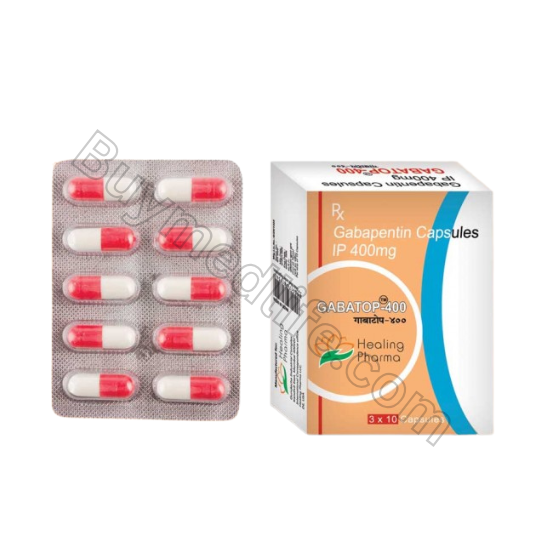
Managing a seizure disorder often involves finding a treatment approach that balances seizure control with tolerability. For some people with partial-onset seizures, gabapentin 400 mg may be included in a prescribed treatment plan. The medicine can be used alongside other anti-seizure medications, depending on a patient’s medical needs and response to treatment.
Because gabapentin affects the nervous system, it is important to understand how it is used, why dosage varies, and which precautions can help support safer treatment.
What Is Gabapentin 400 mg?
Gabapentin is a prescription anticonvulsant medicine. The 400 mg strength is one of several available dosage forms and may be used as part of an individualized treatment schedule.
For seizure management, gabapentin is primarily associated with certain partial-onset seizures. These seizures begin in one area of the brain and may cause symptoms such as unusual sensations, repetitive movements, changes in awareness, or other neurological effects.
The medicine may be prescribed alone in certain situations or more commonly as an add-on treatment, depending on the patient’s diagnosis and the healthcare professional’s recommendation.
How Can Gabapentin Help Control Seizures?
Seizures are linked to abnormal electrical activity in the brain. Gabapentin is believed to influence specific nerve-signaling pathways, helping reduce excessive neuronal activity.
Its exact mechanism is different from many traditional anticonvulsants. Instead of simply suppressing brain activity, gabapentin appears to affect the way certain nerve signals are transmitted. This may help reduce seizure activity in appropriate patients.
The effectiveness of treatment varies. Some people may experience improved seizure control, while others may require a different medicine or combination of treatments.
Gabapentin 400 mg Dosage Guidelines
There is no single dose that is appropriate for everyone. The prescribed amount depends on factors such as age, kidney function, seizure type, current medications, and individual response.
Adults and adolescents may begin treatment with a lower dose, which can be gradually increased when medically appropriate. For seizure treatment, the total daily amount is commonly divided into several doses. A typical maintenance dosage may fall within the range of 900 mg to 1,800 mg per day, although some patients may require a different amount.
A 400 mg capsule may be included in a personalized schedule. Patients should follow the exact instructions provided by their healthcare professional.
People with reduced kidney function may need a lower dosage or longer intervals between doses. Gabapentin is mainly removed from the body through the kidneys, making kidney function an important consideration when determining treatment.
Potential Benefits of Gabapentin 400 mg
When prescribed appropriately, Gabapentin 400 mg may offer several potential benefits.
Supports Seizure Management
The medicine may help reduce certain types of partial-onset seizures in suitable patients.
Can Complement Other Treatments
Gabapentin may be used as adjunctive therapy when another anti-seizure medicine does not provide sufficient control.
Available in Multiple Strengths
Different strengths allow healthcare professionals to adjust treatment more carefully and create a dosage schedule suited to the patient’s needs.
May Provide Additional Neurological Benefits
Because gabapentin also affects nerve signaling, it may be prescribed for other conditions, such as certain types of nerve pain. However, its use should always be based on a healthcare professional’s recommendation.
Possible Side Effects
Some people tolerate Gabapentin 400 mg well, while others may experience side effects. Common reactions can include:
- Sleepiness or drowsiness
- Dizziness
- Fatigue
- Blurred vision
- Coordination problems
- Nausea
- Swelling in the extremities
Dizziness and drowsiness may be more noticeable during the early stages of treatment or after a dosage increase. Avoid driving, cycling, or using machinery until you know how the medicine affects you.
Seek medical attention if you experience severe allergic reactions, serious breathing problems, or significant changes in mood or behavior.
Important Safety Precautions
Gabapentin 400 mg should be taken exactly as prescribed. Never increase the dosage simply because a seizure occurs, and do not take extra medicine to replace a missed dose unless a healthcare professional specifically advises you to do so.
Patients should inform their doctor about kidney disease, breathing problems, allergies, and all other medicines they take. Opioid pain medicines and other substances that cause sedation may increase drowsiness and potentially create additional safety concerns.
Another important precaution is avoiding sudden discontinuation. Stopping gabapentin abruptly can increase the risk of seizures and may cause withdrawal-related symptoms. If treatment needs to end, the dose is usually reduced gradually under medical supervision.
Buying Gabapentin 400 mg Online
When looking for Gabapentin 400 mg online, patients should choose a reputable pharmacy that follows prescription requirements and applicable local laws. Those researching medication information and online pharmacy services may explore buymedlife as part of their search.
Before ordering any prescription medicine online, verify the pharmacy’s legitimacy and ensure that the medication is being used under appropriate medical guidance.
Conclusion
Gabapentin 400 mg may be a useful option for certain patients with partial-onset seizures. Its dosage must be individualized, particularly for people with kidney problems or those taking other medicines that affect the nervous system.
Taking Gabapentin 400 mg consistently, following the prescribed schedule, and avoiding sudden discontinuation are essential for safer use. Always speak with a qualified healthcare professional before starting, stopping, or changing your treatment.
Disclaimer: This article is intended for general educational purposes and does not replace professional medical advice, diagnosis, or treatment.
0
