gavangtvttbd

GavangTV nâng cao trải nghiệm người dùng với khả năng vận hành mượt mà trên cả điện thoại, máy tính bảng và PC mà không yêu cầu cài đặt phần mềm hay đăng ký tài khoản rườm rà. Hạ tầng kỹ thuật chịu tải cao giúp tối ưu đường truyền trong các khung giờ cao điểm, hạn chế tối đa tình trạng giật lag.
Thông Tin Liên
Tên thương hiệu: GavangTV
Website: https://gavangtvttbd.com/
Email: livegavangtv@gmail.com
Hotline: 0908669889
Địa chỉ: 720A Điện Biên Phủ, Phường, Thạnh Mỹ Tây, Hồ Chí Minh, Việt Nam
Zipcode: 72300
Hashtags: #GavangTV #thethaoGavangTV #hotroGavangTV #xosoGavangTV #trangchuGavangTV #dangnhapGavangTV

0

What Riches Deprimes Means for Authentic Neck Labels

Riches Deprimes is a name associated with a particular approach to fashion, clothing details, and visual identity. When people discuss Riches Deprimes and authentic neck labels, they are often interested in understanding how labels help identify a garment, communicate product information, and support a piece’s overall presentation. A neck label may look like a small part of a shirt, hoodie, or sweatshirt, but it can provide useful information about how the garment was produced and finished.

Authentic neck labels matter because clothing buyers increasingly pay attention to details beyond the exterior appearance of a product. The material, stitching, printed information, label placement, and overall construction can all influence how a garment is assessed. However, a neck label alone cannot prove that an item is genuine. It should be examined alongside other garment details.

Understanding what Riches Deprimes means for authentic neck labels requires looking at the purpose of clothing labels, the information they contain, their construction, and the signs buyers should consider before purchasing a garment.

Understanding Riches Deprimes and Authentic Neck Labels
Riches Deprimes and authentic neck labels can be discussed together through the relationship between clothing identity and garment identification. A neck label is usually attached to the inside back of a garment, near the neckline. It may display a brand name, size, manufacturing details, or other product information.Shop the latest Enfants Riches Deprimes collections and signature styles at erd.

For buyers, these details offer a starting point when examining clothing. A well-made label should generally suit the garment’s construction and intended finish. Its lettering, stitching, dimensions, and placement should appear consistent with the rest of the item.

The meaning of Riches Deprimes in this context is not simply about having a label sewn into a shirt or hoodie. It is about understanding why small garment details matter when assessing product presentation and potential authenticity.

It is also important to distinguish between an explanation of clothing labels and an official authentication standard. Unless supported by verified product information, no specific neck label feature should be treated as an established requirement for every Riches Deprimes garment.

Why Neck Labels Matter in Clothing Authentication
Neck labels serve practical purposes that extend beyond displaying a name. They can help buyers identify the size of a garment, understand its intended identity, and locate information that may assist with product verification.Shop the latest Enfants Riches Deprimes collections and signature styles at  https://enfantsrichedeprimes.com/.

Several factors explain their importance.

Brand Identity and Product Information
A neck label often carries the most visible identifying information inside a garment. The lettering, logo, spacing, and layout contribute to the product’s presentation.

When checking a Riches Deprimes item, examine whether the label’s printed information appears clear and consistent. Uneven lettering, spelling mistakes, or poorly aligned elements may justify further investigation.

However, these details are not conclusive on their own. Labels can vary between production runs, garment types, and manufacturing periods.

Size and Fit Information
Many neck labels include a size indicator, such as S, M, L, or XL. This information helps buyers select clothing that matches their preferred fit.

The size label should be considered alongside the garment’s actual measurements. Two garments marked with the same size may fit differently because of their cut, fabric, or intended silhouette.

For online purchases, checking chest width, body length, shoulder width, and sleeve length can provide more useful information than relying entirely on the neck label.

Manufacturing and Care Details
Some garments include additional labels inside the side seam or near the lower interior. These may provide fabric composition, washing instructions, country of origin, and other required product details.

Such information helps buyers understand how to care for a garment and what materials it contains. It can also support a broader authenticity assessment when compared with reliable product documentation.

A label that looks convincing should not replace verification of the garment’s other details.

Key Features to Examine on a Riches Deprimes Neck Label
When inspecting a garment, take a close look at the neck label rather than judging it from a quick glance. Several details can help you identify inconsistencies that deserve further attention.

1. Lettering and Typography
Start with the printed or woven text. Look at the shape of the letters, spacing, alignment, and clarity of the information.

A label with inconsistent spacing or visibly distorted lettering may warrant closer inspection. Compare these details with clear images of the exact garment and production version, when reliable images are available.

Do not assume that every variation means a garment is counterfeit. Printing quality and label specifications can change over time.

2. Label Material and Texture
Neck labels may be made from woven fabric, printed fabric, satin, or other materials. Their texture and thickness depend on the garment and its manufacturing specifications.

Check whether the material appears appropriate for the item. A label that feels unusually rough, has fraying edges, or shows signs of poor finishing may raise questions about construction quality.

Still, material texture alone cannot establish authenticity. Some genuine garments use simple labels, while counterfeit products may use materials that appear convincing.

3. Stitching and Attachment
Examine how the label is attached to the garment. Look for loose threads, irregular stitching, damaged fabric, or attachment points that appear inconsistent with the surrounding construction.

A neatly attached label can indicate careful finishing, but it is not proof of authenticity. A counterfeit manufacturer can also produce clean stitching, and genuine garments may have minor manufacturing imperfections.

The most useful approach is to compare label attachment with the overall construction of the garment.

4. Label Placement and Dimensions
The position of the neck label can provide another point of comparison. Observe its distance from the neckline seam, its alignment with the centre of the garment, and its overall dimensions.

If verified images of the same garment are available, compare the placement carefully. Make sure the images show the same product version rather than a different release or size.

A small difference may result from manufacturing variation. A major mismatch combined with other inconsistencies deserves more attention.

5. Consistency Across Garment Details
An authentic-looking neck label should make sense alongside the rest of the garment. Check the fabric, seams, print quality, construction, size information, and care labels together.

For example, a label that appears professionally made may still raise questions if the garment has poor stitching, inconsistent product information, or construction that does not match reliable reference images.

Looking at the complete item provides a stronger basis for assessment than focusing on one small component.

How Authentic Neck Labels Relate to Garment Quality
The relationship between Riches Deprimes and authentic neck labels also highlights the difference between product identification and manufacturing quality.

A label can communicate information, but it does not automatically tell you how durable the garment will be. Quality depends on several factors, including fabric selection, seam strength, stitching consistency, fit, and finishing.

A well-constructed garment should be assessed as a whole. Examine whether the neckline holds its shape, whether the seams are secure, and whether the fabric feels appropriate for the product.

The label itself should also be comfortable against the skin. Rough edges, poorly secured corners, or stiff materials can affect everyday wear.

For buyers, these practical details are worth considering alongside authenticity. A garment may look appealing in photographs, but close inspection can reveal information about its construction that pictures do not show.

Common Mistakes When Checking Authentic Neck Labels
Buyers sometimes rely on a single detail when deciding whether a garment is genuine. This can lead to inaccurate conclusions.

Assuming Every Genuine Label Looks Exactly the Same
Labels can change between seasons, production runs, garment styles, and manufacturing locations. Differences in size, material, or placement do not automatically indicate a counterfeit item.

The correct comparison is with the same garment and, when possible, the same production version.

Trusting a Label Without Checking the Garment
A convincing label can be copied or transferred from another item. Therefore, buyers should also inspect the garment’s construction, fabric, measurements, and other identifying details.

A label should support an authentication assessment rather than determine the result by itself.

Ignoring Product Documentation
Product descriptions, original purchase records, clear photographs, and information from a reliable seller can help establish a garment’s background.

When these details are unavailable, buyers should avoid making definite claims about authenticity based only on appearance.

Confusing Good Stitching With Authenticity
Neat stitching is generally a positive sign of construction quality, but it does not prove that a product is genuine. Likewise, a minor loose thread does not automatically mean that a garment is counterfeit.

Look for patterns of inconsistency rather than relying on one isolated imperfection.

How to Check a Riches Deprimes Garment Before Buying
A careful inspection can reduce uncertainty when purchasing clothing online or in person. Use a consistent process instead of relying on a quick visual judgment.

First, request clear photographs of the neck label, care label, front, back, and major seams. Images should show the actual garment being sold rather than generic product photographs.

Next, compare the label with reliable images or documentation for the exact item. Pay attention to typography, placement, construction, and product information.

Then, examine the fabric and measurements. Confirm that the garment’s stated size matches the measurements provided by the seller. Check for discrepancies between the description and the photographs.

Finally, consider the seller’s product information, purchase documentation, and return policy. A seller who provides clear answers and consistent product details gives you more information to work with than one who refuses reasonable questions.

If doubts remain, seek an assessment from a qualified clothing authenticator or another professional with relevant experience. For expensive purchases, independent verification may be worthwhile.

The Role of Neck Labels in Modern Fashion
Neck labels remain an important part of clothing identification because they connect a garment’s physical construction with its product information. Even as fashion presentation changes, buyers continue to examine these small details when comparing products and checking quality.

In the context of Riches Deprimes, authentic neck labels can serve as one part of a broader discussion about garment identity, finishing, and verification. Their value lies in the information they provide and the comparisons they make possible.

However, the label should always be considered within the full context of the garment. Fabric quality, stitching, design details, manufacturing information, and seller credibility all contribute to a more informed assessment.

For anyone buying clothing, developing the habit of examining these details can help prevent rushed decisions and improve confidence during the purchasing process.

Frequently Asked Questions
What does Riches Deprimes mean for authentic neck labels?
It refers to examining neck labels in the context of garment identity, product information, and authenticity checks. Specific label requirements should be confirmed using reliable information about the exact garment.

Can a neck label prove that a Riches Deprimes garment is authentic?
No. A neck label alone cannot prove authenticity because labels can be copied or replaced. Buyers should also examine stitching, fabric, product details, documentation, and seller credibility.

What should I check on a neck label before buying clothing?
Check the lettering, material, stitching, placement, size information, and consistency with the garment. Compare these details with reliable references for the same product whenever possible.

Conclusion
Understanding what Riches Deprimes means for authentic neck labels starts with recognizing the role these small details play in clothing identification. Label material, lettering, stitching, placement, and product information can all help buyers assess a garment more carefully. However, no single feature guarantees authenticity.

By examining the neck label alongside fabric quality, construction, reliable product information, and seller documentation, buyers can make better-informed purchasing decisions. A thorough assessment offers a more dependable approach than judging a garment by its label alone.

0

0

0

0

0

BellaMi Hair & Beauty

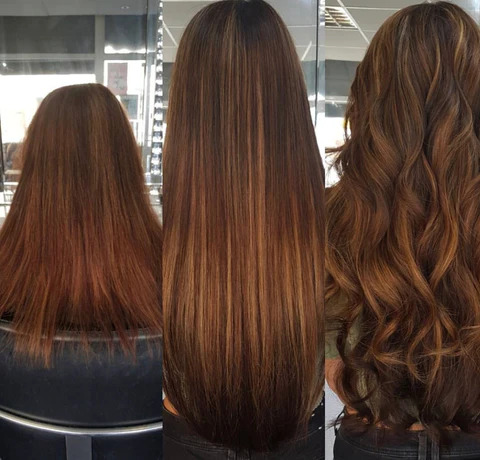
BellaMi Hair Salon is a welcoming destination for personalised hair and beauty services, conveniently serving clients from Glen Iris, Camberwell, Hawthorn, Malvern, and Toorak. Located on High Street in Glen Iris, the salon combines advanced techniques, quality products and an individual approach to help clients achieve a look that complements their natural beauty while supporting healthy hair.

At BellaMi, clients can treat their hair to exceptional professional care while enjoying the latest styles without compromising hair health. As the exclusive home of award-winning hairdresser Helena Bezheh, BellaMi Hair and Beauty brings over 25 years of industry experience in precision cutting, advanced colouring and glamorous hair styling. Vidal Sassoon cutting trained, Helena and her team are committed to delivering the highest standard of service, helping each client enhance their natural beauty with a personalised style, cut or colour tailored to their individual needs.

Services Offered:

BellaMi provides a diverse range of professional services, including:

  • Hair Straightening
  • Non-Chemical Hair Straightening
  • Nanoplasty
  • Keratin Treatment
  • Advanced Hair Colouring
  • Balayage
  • Precision Cutting
  • Hair Styling
  • Halo and Tape Extensions
  • Wig Refurbishment
  • Beauty Services

As a hair straightening specialist, BellaMi offers advanced smoothing options tailored to different hair types and desired outcomes. Its Qiqi Vega treatment provides a vegan-friendly, chemical-free and 0% alkaline option, while BKT nanoplasty and other straightening treatments provide additional solutions for clients seeking smoother, more manageable hair.

The salon also delivers creative colour transformations, making it an ideal choice for those seeking a blonde specialist or balayage specialist. From subtle enhancements to advanced colour changes, every hair colouring service is approached with attention to style, condition and the client’s overall look.

Why Choose BellaMi?

  • Personalised service tailored to individual hair goals
  • Advanced techniques and professional products
  • A strong focus on healthy, beautiful hair
  • Specialised straightening and smoothing services
  • Creative cutting, styling and colour solutions
  • A welcoming, client-focused salon environment

Whether you are searching for a trusted hair salon for a new style or a restorative hair treatment to support healthier-looking hair, BellaMi Hair Salon offers professional solutions designed around your individual needs. Its mission is simple: helping every client leave feeling like the most confident version of themselves.

Human Made

Human Made is known for clothing that brings Japanese-inspired fashion and modern streetwear together. From Human Made Hoodie styles to everyday clothing, the brand offers pieces that can easily fit into casual wardrobes and different streetwear looks.  https://humanmadeestore.com/


0

https://humanmadeestore.com/

Human Made is known for clothing that brings Japanese-inspired fashion and modern streetwear together. From Human Made Hoodie styles to everyday clothing, the brand offers pieces that can easily fit into casual wardrobes and different streetwear looks.

0

Human Made

Human Made is known for clothing that brings Japanese-inspired fashion and modern streetwear together. From Human Made Hoodie styles to everyday clothing, the brand offers pieces that can easily fit into casual wardrobes and different streetwear looks.  https://humanmadeestore.com/


0

Goa Group Tour Package from Delhi: Cost, Itinerary, Beaches & Travel Tips

Goa is a popular choice for group holidays because it combines beaches, nightlife, water activities, heritage sites, seafood, and laid-back coastal experiences in one destination. For travellers starting in Delhi, a Goa Group Tour Package from Delhi can simplify the planning of flights or train travel, accommodation, local transfers, and shared activities.

The right plan depends on the kind of group you are travelling with. Friends may prefer beach hopping and nightlife, college groups might prioritise shared experiences and budget-friendly stays, while families or mixed-age groups may want comfortable accommodation and a more relaxed schedule.

A group trip also needs a little more coordination than an individual holiday. Arrival times, room sharing, food preferences, transport capacity, and activity bookings can all affect the overall experience. This guide covers how to organise those details, what to see, how much to budget, and how to make the most of a Goa holiday without rushing from one attraction to another.

Why Choose Goa for a Group Holiday?
Goa offers enough variety to keep a group with different interests engaged. You can spend the morning at a beach, explore Portuguese-influenced heritage in the afternoon, and enjoy a lively evening without needing to change destinations every day.

A group holiday can also make certain expenses easier to manage. The cost of a private vehicle, for example, can be shared among travellers, while group accommodation may offer better value than booking separate rooms individually. Actual savings depend on the season, property, group size, and booking conditions.

Goa is particularly suitable for:

  • Friends’ trips: Beach time, cafés, sightseeing, shopping, and nightlife.
  • College groups: Shared accommodation, planned activities, and opportunities to socialise.
  • Corporate or team outings: A mix of group activities, leisure time, and organised meals.
  • Family groups: Beaches, heritage attractions, boat trips, and relaxed sightseeing.
  • Strangers’ group trips: Travellers who want to meet new people while sharing transport, activities, and selected experiences.

Before choosing a package, decide whether your group wants a fixed itinerary with scheduled activities or a flexible holiday with more free time. That decision will influence the accommodation area, transport requirements, and budget.

North Goa or South Goa: Which Is Better for Groups?
Choosing the right part of Goa is one of the most important planning decisions. North and South Goa offer different holiday experiences, and the best option depends on your group’s priorities.

North Goa for Beaches, Activities and Nightlife
North Goa is a practical base for groups interested in busy beaches, restaurants, shopping areas, and nightlife. Popular places include Baga, Calangute, Candolim, Anjuna, and Vagator.

It can suit first-time visitors who want several attractions and entertainment options within their itinerary. However, popular areas can become congested during peak season, and travel between beaches may take longer than expected.

If your group prefers a lively coastal atmosphere, explore the North Goa and South Goa travel comparison before deciding where to stay.

South Goa for a Slower Coastal Holiday
South Goa is worth considering for groups that prefer a quieter setting, scenic beaches, and more relaxed evenings. Palolem, Agonda, and other coastal areas can appeal to travellers looking for a slower pace.

Some beaches and accommodation areas are spread apart, so transport planning matters. If your group wants to spend most of its time in North Goa, staying far south may lead to unnecessary travel.

Can You Explore Both?
Yes, but do not assume you can comfortably cover every major beach in both regions over a short weekend. If you have four or five days, you can include selected attractions from both areas, provided you allow enough time for transfers and meals.

For a shorter trip, staying in one area and exploring nearby places is often more enjoyable than changing hotels repeatedly.

How to Reach Goa from Delhi
For most groups travelling from Delhi, flights are the quickest practical option. Train travel can be an alternative for groups that prioritise rail travel or want to compare transport costs.

By flight
Goa has two major airports serving different parts of the state:

  • Manohar International Airport (GOX): Located at Mopa in North Goa.
  • Goa International Airport (GOI): Located at Dabolim in South Goa.

Flight schedules, fares, baggage allowances, and journey times vary by date and airline. Compare both airports against your hotel location rather than choosing solely on ticket price.

For example, a group staying around Baga or Candolim should consider the onward journey from the arrival airport. A cheaper flight may not offer the best overall value if it requires a longer or more expensive transfer.

For larger groups, confirm how many passengers and bags each transfer vehicle can accommodate. A single vehicle may not be suitable for the entire group, depending on its size and luggage requirements.

By train
Train travel from Delhi is another option, particularly for travellers booking well in advance. The journey is considerably longer than flying, and schedules depend on the selected service and travel date.

When comparing train and flight costs, include transfers to and from the stations or airports, baggage requirements, and the time available for sightseeing.

By road
Driving all the way from Delhi to Goa involves a long journey across multiple states. It is generally less practical for a short group holiday unless the road trip itself is part of the plan.

For most three- to five-day group holidays, flying or taking a train and arranging local transfers is more convenient.

Best Places to Visit on a Goa Group Tour
A good group itinerary balances popular attractions with enough time to enjoy each place.

Baga and Calangute Beaches
Baga and Calangute are among North Goa’s well-known beach areas. They offer access to beachside businesses, restaurants, shopping, and seasonal water activities.

These beaches can be busy, particularly during holidays. Agree on a meeting point before splitting into smaller groups, and keep enough time for returning to your vehicle or accommodation.

Fort Aguada
Fort Aguada is a historic coastal fort that offers views of the surrounding sea and coastline. It is a useful sightseeing stop for groups that want a break from beach activities.

Go during a suitable daylight period, wear comfortable footwear, and check current access arrangements before visiting.

Anjuna and Vagator
Anjuna and Vagator are worth considering for their coastal scenery, cafés, and nearby entertainment options. They can fit well into a North Goa sightseeing day.

Avoid planning too many distant stops around sunset. Traffic, parking, and walking between viewpoints can take longer than expected.

Old Goa’s Churches
Old Goa provides a different perspective on the destination’s history and architecture. Its historic churches and surrounding heritage area offer a cultural alternative to beach-focused sightseeing.

Dress respectfully when entering religious sites, follow photography rules, and avoid disrupting services or visitors.

For a broader sightseeing shortlist, use this guide to places to visit in Goa to select attractions that fit your group’s location and interests.

Palolem Beach
Palolem is a popular option in South Goa for travellers who want scenic coastal surroundings and a more relaxed beach experience.

Because it is some distance from many North Goa hotspots, it is better planned as part of a South Goa day or a stay in that region rather than an impulsive stop between several northern attractions.

Things to Do Together in Goa
A group holiday becomes easier to organise when activities are chosen according to everyone’s comfort level and interests.

Try Water Sports
Depending on the beach, season, weather, and local operating conditions, visitors may find activities such as parasailing, jet skiing, or banana boat rides.

Use authorised operators and confirm the total price, safety equipment, age or health restrictions, and weather-related cancellation policy before paying. Do not assume every activity is available throughout the year.

Read about water sports in Goa when deciding which activities are suitable for your group.

Plan a Shared Sunset or Beach Evening
A beach evening is an easy way to bring a group together without scheduling a paid activity. Choose a beach with convenient access from your accommodation and confirm your return transport in advance.

Follow local beach rules, avoid swimming in unsafe conditions, and do not leave valuables unattended while everyone is in the water.

Explore Local Food
Goa’s food scene includes Goan Hindu and Catholic culinary traditions alongside broader Indian and international options. Depending on the restaurant, you may find fish curry rice, local seafood preparations, vindaloo, xacuti, vegetarian thalis, and familiar North Indian dishes.

For a group, ask about vegetarian options, allergies, spice preferences, and whether the restaurant can accommodate everyone together. If seafood is on the menu, confirm prices and portion sizes before ordering.

Enjoy Nightlife Responsibly
North Goa has a range of bars and entertainment venues, but entry rules, opening hours, age restrictions, and events can vary. Check current details rather than relying on old social media posts.

Agree on a safe return plan, use reputable transport, and make sure no one is left travelling alone if the group separates.

Suggested Four-Day Goa Group Itinerary from Delhi
Four days can provide a good introduction to Goa, although the amount you can cover depends on flight times and the location of your accommodation.

Day 1: Arrival and North Goa

  • Fly from Delhi and transfer to your accommodation.
  • Check in, have lunch, and take time to settle in.
  • Visit a nearby beach such as Calangute, Baga, or Candolim.
  • Keep the evening flexible for dinner or a relaxed group outing.

Avoid booking a non-refundable activity immediately after your scheduled arrival. Flight delays and baggage collection can affect the day’s plans.

Day 2: Beaches and Group Activities

  • Have breakfast and begin with a beach visit.
  • Try a pre-booked water activity if weather and operating conditions permit.
  • Explore Anjuna, Vagator, or another nearby attraction.
  • Leave the evening open for a group dinner or nightlife, depending on everyone’s preferences.

Keep some free time in the schedule. A group can take longer to get ready, order meals, or move between locations than an individual traveller.

Day 3: Heritage and a Different Side of Goa

  • Visit Fort Aguada or another selected coastal attraction.
  • Continue towards Old Goa if the group wants a cultural experience.
  • Enjoy lunch and return to the accommodation.
  • Use the evening for shopping, a café visit, or a relaxed beach outing.

If your group strongly prefers South Goa, use this day for a dedicated southern itinerary instead of attempting to cover both regions in one rushed circuit.

Day 4: Breakfast and Departure

  • Pack and check out according to the property’s timings.
  • Enjoy breakfast or a short nearby visit if your departure schedule allows.
  • Transfer to the airport or railway station with a suitable buffer.

If you have a late departure, confirm luggage storage and checkout conditions in advance. Do not assume the hotel will automatically extend the room booking.

Goa Group Tour Package Cost from Delhi
The cost of a group holiday depends on flight or train fares, hotel category, number of travellers, room sharing, local transport, meals, and paid activities. The following are broad planning estimates, not confirmed Minto Holidays package rates.

Budget group trip
A budget-conscious three- to four-day trip may cost approximately ₹10,000–₹18,000 per person, depending on transport fares, shared rooms, and the season.

This may suit groups that book transport early, select simple accommodation, eat at reasonably priced places, and limit paid activities.

Comfortable group holiday
For better-located accommodation, convenient transfers, selected sightseeing, and a more flexible meal budget, consider approximately ₹18,000–₹30,000 per person as a starting planning range.

Flights can account for a significant share of the total, especially during school holidays, long weekends, and peak winter travel periods.

Premium group experience
A premium trip with upgraded accommodation, private transfers, selected experiences, and more dining flexibility can cost ₹30,000 or more per person.

These estimates may not apply to every group. Always calculate the full cost using the actual dates and inclusions.

What affects the total price?

  1. Departure and return flight or train fares.
  2. Number of nights and accommodation category.
  3. Double, triple, or other room-sharing arrangements.
  4. Group size and vehicle capacity.
  5. Airport transfers and local sightseeing.
  6. Water sports, cruises, or other paid activities.
  7. Meals, personal spending, and nightlife.
  8. Seasonal demand and cancellation terms.

When comparing a package, request a written list of inclusions and exclusions. Confirm whether the price covers transport, accommodation, breakfast or other meals, sightseeing, entry fees, and activity bookings.

Where Should a Group Stay in Goa?
Accommodation location can make a noticeable difference to both the experience and the budget.

Around Baga, Calangute and Candolim
These areas can be convenient for groups looking for North Goa beaches, restaurants, shopping, and nightlife. They may be particularly practical for first-time visitors who want several activities nearby.

The trade-off is that popular areas can be busy and noisy. Check recent property reviews, room occupancy rules, parking, and the actual distance to the beach.

Around Anjuna and Vagator
These areas may suit groups interested in cafés, coastal scenery, and entertainment. Check how easy it is to reach your preferred attractions and whether the property is close to reliable transport.

In South Goa
Groups looking for a quieter holiday may prefer accommodation near their chosen South Goa beach. This can be especially useful for families and travellers who want more time relaxing at the property.

For group bookings, confirm the number of rooms, bed configuration, extra-bed charges, check-in requirements, and whether common areas are available. Do not assume that a property can accommodate every group member simply because it has enough advertised beds.

Practical Tips for Organising a Smooth Group Trip
A little coordination before departure can prevent confusion once everyone reaches Goa.

  • Appoint one trip coordinator: Keep bookings, payment deadlines, and essential documents in one place.
  • Agree on a budget early: Clarify what is included in the shared cost and which expenses are personal.
  • Confirm room sharing: Decide who is sharing with whom before the final hotel payment.
  • Share arrival details: Collect flight or train timings so airport transfers can be planned accurately.
  • Allow buffer time: Do not schedule every activity back-to-back.
  • Book high-demand services early: Transport and popular activities can have limited availability during busy dates.
  • Carry identification: Keep the documents required by your airline, accommodation, or activity operator accessible.
  • Respect beach and local rules: Follow safety instructions, avoid littering, and respect residential areas.
  • Check weather updates: Heavy rain and rough sea conditions may affect water activities.
  • Keep emergency contacts handy: Share the accommodation address and transport details with group members.

For responsible travel, use marked waste bins, avoid disturbing wildlife, respect religious and heritage sites, and follow restrictions around swimming and water sports. A group holiday should be enjoyable without affecting local residents or the environment.

How Minto Holidays Can Help Plan Your Group Holiday
Organising transport, accommodation, and sightseeing separately can become complicated when several people are travelling together. A planned group package can help bring the major arrangements into one itinerary, provided the inclusions are clear.

Minto Holidays offers a Goa group tour package that travellers can review as a starting point for planning. Before confirming, share your travel dates, expected group size, room-sharing preferences, departure requirements, and preferred activities.

Ask for a personalised quotation that clearly explains transport, accommodation, meals, sightseeing, payment terms, and cancellation conditions. This makes it easier to compare the package with an independently arranged trip and understand what you are paying for.

Frequently Asked Questions

How many days are enough for a Goa group trip from Delhi?
Four days and three nights can be a practical starting point for a group holiday, especially if you focus on one region. Five days provide more time to explore both North and South Goa without rushing. Your actual sightseeing time depends on arrival and departure schedules.

What is the approximate cost of a Goa group tour from Delhi?
A three- to four-day trip may cost around ₹10,000–₹18,000 per person on a budget, while a more comfortable holiday may cost ₹18,000–₹30,000 or more. These are planning estimates; flights, hotel category, group size, and travel dates can change the total considerably.

Is Goa suitable for a strangers’ group trip?
Yes, it can be suitable for travellers who enjoy meeting new people and sharing activities. Agree on the itinerary, room arrangements, shared expenses, and free-time expectations before booking. Choose accommodation and transport arrangements that provide clear meeting points and reliable coordination.

Which is better for a group: North Goa or South Goa?
North Goa generally suits groups looking for busy beaches, restaurants, shopping, and nightlife. South Goa can be a better fit for a quieter coastal holiday. If you have limited time, choose accommodation close to your main activities rather than spending hours travelling between regions.

Is flying better than taking a train from Delhi to Goa?
Flying is usually more practical for a short holiday because it takes less travel time. A train may suit travellers who prefer rail travel or want to compare transport costs. Compare the complete journey, including airport or station transfers, baggage, schedules, and available sightseeing time.

Can a group book water sports together?
Many operators offer activities that can be arranged for multiple travellers, but availability, group capacity, age requirements, and weather restrictions vary. Confirm the operator’s credentials, safety equipment, total price, and cancellation policy before paying. Never assume an activity will operate in rough sea conditions.

What should we check before booking a Goa group package?
Confirm travel dates, departure and arrival points, accommodation, room sharing, local transport, meals, sightseeing, activity fees, and cancellation terms. Ask whether the quoted price is per person and whether taxes or additional charges apply. Request written confirmation of all promised inclusions.

Is Goa a good destination for a family group?
Yes. Families can enjoy beaches, heritage attractions, boat trips, local food, and relaxed resort time. Choose a convenient location, avoid an overly packed itinerary, and check beach safety conditions before swimming. Families with young children should also confirm room facilities and transfer arrangements.

When should we book a Goa group trip?
Booking transport and accommodation in advance is advisable for peak travel periods, including winter holidays and long weekends. Larger groups need more time to coordinate room availability and vehicle capacity. Compare the cancellation terms before paying deposits, particularly if travellers have not all finalised their leave.

What should I pack for a Goa group holiday?
Carry lightweight clothing, swimwear, comfortable footwear, sunscreen, a hat, personal medicines, identification, and a reusable water bottle. Pack a light rain layer during wetter months. If you plan to visit religious sites, include clothing suitable for respectful entry and follow any site-specific rules.

Fancy Jackets

Fancy Jackets grew out of a concept: a jacket that fits a person’s body, taste and personality, not just their size. Whether it’s classic moto, bomber styles, trench coats or fur jackets, we create designs that are designed to be timeless, street-ready and affordable.


0

Jim Corbett Tour Package From Delhi: Safari, Cost, Places to Visit & Travel Tips

A trip to Jim Corbett National Park is about much more than hoping to spot a tiger. The forest landscapes, early-morning safari drives, birdlife, riverside scenery, and peaceful resorts around Ramnagar make it an appealing break from Delhi’s busy routine. It is a practical option for families, couples, wildlife enthusiasts, and anyone looking for a nature-focused holiday without travelling deep into the Himalayas.

A well-planned Jim Corbett Tour Package From Delhi can bring together comfortable road transfers, accommodation, jungle safari arrangements, and nearby sightseeing. However, the details matter: safari permits are zone-specific, wildlife sightings are never guaranteed, and seasonal closures can affect which areas you can visit.

This guide explains how to plan the journey, choose a safari, estimate your expenses, and decide how many days to spend in Corbett. It also covers practical considerations that can help you avoid rushed schedules and unnecessary costs.

Why Plan a Jim Corbett Trip From Delhi?
Located in Uttarakhand’s Kumaon region, Jim Corbett National Park forms part of the larger Corbett Tiger Reserve. Established in 1936, it is recognised as India’s first national park and is known for its forests, varied wildlife habitats, and conservation importance. 

Corbett works particularly well as a short getaway because you can combine wildlife exploration with a comfortable resort stay. You do not need to fill every hour with activities; a safari, a leisurely breakfast, and time surrounded by greenery can make a satisfying trip.

The destination is especially suitable for:

  • Families: A nature-oriented break with wildlife interpretation, scenic surroundings, and relaxed resort time.
  • Couples: A peaceful stay, forest scenery, and the option of a private vehicle for the journey.
  • Wildlife enthusiasts: Guided safari drives and opportunities to observe animals and birds in their natural habitat.
  • First-time visitors: A manageable introduction to a wildlife destination, provided safari expectations are realistic.
  • Groups of friends: A shared road trip with opportunities for sightseeing and outdoor experiences.

If you prefer an organised holiday, you can explore the Jim Corbett tour package options offered by Minto Holidays and compare the arrangements with your preferred travel dates, group size, and accommodation requirements.

How to Reach Jim Corbett From Delhi
The main gateway for most visitors is Ramnagar, the town used to access several of Corbett’s tourism zones. Your actual destination and travel time depend on the resort, safari entry gate, and route selected.

By road
The road distance from Delhi to the Ramnagar–Corbett area is approximately 250–300 km, depending on the starting point and destination. Allow roughly six to eight hours for the drive, with additional time possible during weekends, holidays, or heavy traffic.

A common route passes through Ghaziabad or the Delhi outskirts, Hapur, Moradabad, Kashipur, and Ramnagar. The exact route can vary with traffic and road conditions.

A private cab is useful for families, couples, and groups because it allows flexible departure times and direct hotel transfers. If you are driving yourself, leave early, take breaks, and check the location of your resort before setting off. Some properties are not close to the safari gate you may have booked.

By train
Ramnagar has a railway station connected to the wider rail network, including services from Delhi on applicable schedules. Train availability and journey duration vary, so check the current timetable before confirming your accommodation.

After reaching Ramnagar, arrange a taxi or the transfer offered by your hotel. Confirm the pickup in advance, especially if your train arrives early in the morning.

By bus
Buses to Ramnagar may suit travellers who want to manage transport costs. From the bus stand, you will generally need onward transport to your accommodation.

For families with children or travellers carrying substantial luggage, compare the total journey and transfer costs rather than looking at the bus fare alone.

The Jungle Safari: What You Should Know Before Booking
The safari is often the main reason people choose Corbett, but it is also the part of the trip that requires the most careful planning.

Safari access is regulated. Different tourism zones have designated entry gates, operating periods, and booking arrangements. A permit for one zone does not automatically allow entry into another. Check current information through the official Corbett booking system before making final arrangements. 

Choosing a safari zone
Tourism zones include Bijrani, Jhirna, Dhikala, Dhela, Durgadevi, and Garjiya, among others within the wider reserve’s tourism framework. Their access and operating schedules differ.

Rather than selecting a zone solely because you have heard it offers tiger sightings, consider:

  • Which zones are open on your travel dates.
  • The location of the entry gate relative to your resort.
  • Whether you want a day safari or are considering an authorised overnight forest-stay experience.
  • Permit availability and the conditions attached to the booking.
  • The travel time needed to reach the gate before reporting.

Dhikala has specific access arrangements, so do not assume that every visitor can enter it in the same way as other zones. Check the applicable rules before planning your day around it.

Morning or afternoon safari?
Both sessions offer a chance to observe wildlife, and each has different practical considerations.

A morning safari means an early start and may be more comfortable during hot weather. An afternoon safari can fit better into a relaxed arrival day or a later schedule. The available timings vary by season and official operating arrangements.

If wildlife viewing is your priority, consider booking a session that fits your schedule without making the rest of the trip exhausting.

Can you guarantee a tiger sighting?
No. Tigers and other wild animals move freely through their habitat, and a safari cannot guarantee that you will see a particular species.

You may encounter deer, elephants, monkeys, birds, or other wildlife, depending on conditions and chance. Forest scenery, animal tracks, and bird calls are also part of the experience.

A useful approach is to enjoy the safari as a guided journey through a natural habitat, rather than treating a tiger sighting as the only measure of success.

Travellers who want to focus on safari arrangements can compare the Corbett Jeep Safari tour option with their accommodation and transfer plans.

Best Time to Visit Jim Corbett National Park
The best time depends on whether your priority is comfortable weather, forest scenery, birdwatching, or a particular safari zone.

October to February: Pleasant weather and cooler mornings
The post-monsoon and winter period can be appealing for visitors who prefer cooler weather. Mornings may be chilly, especially during safari reporting hours, so carry warm layers.

The landscape can be attractive after the rains, although wildlife sightings remain unpredictable. Check the operating dates of your preferred zone rather than assuming all areas follow the same schedule.

March to June: Warmer weather and safari planning
Temperatures rise during spring and early summer. Early starts can be more comfortable than spending long periods outdoors in the afternoon heat.

Some travellers prefer this period for wildlife-focused trips, but there is no guarantee of sightings. Carry sun protection and sufficient drinking water for the parts of your journey where it is permitted.

July to September: Monsoon considerations
Heavy rain can affect forest roads, access, and visitor safety. Some tourism zones and facilities close or operate under seasonal restrictions, while arrangements may differ across the reserve.

Do not book on the assumption that every safari route will be available during the monsoon. Check official notices close to your departure date.

For more detailed seasonal planning, read Minto Holidays’ Jim Corbett travel guide and guide to the best time to visit Jim Corbett.

Places to Visit Around Jim Corbett
Corbett is primarily a wildlife destination, but there are nearby places worth considering if you have extra time. Keep your schedule flexible because local travel distances, weather, and attraction access can influence how much you can comfortably cover.

Garjiya Devi Temple
Garjiya Devi Temple is a well-known religious attraction near the Kosi River. It is a worthwhile stop for visitors interested in local religious traditions and riverside scenery.

The approach can involve steps and crowds, particularly during busy periods. Wear suitable footwear and follow the instructions provided at the site.

Corbett Waterfall
Corbett Waterfall is a forest-side attraction that can suit travellers who want a short nature outing away from their resort. Access and opening arrangements may be affected by weather and seasonal conditions, so confirm locally before travelling.

Allow time for walking from the designated access point and avoid unsafe areas around wet rocks or flowing water.

Corbett Museum at Kaladhungi
The Corbett Museum is associated with Jim Corbett, the naturalist and conservationist after whom the park is named. It can add historical context to a wildlife-focused holiday.

Check current visiting hours and access information before including it in your itinerary.

Sitabani forest area
The Sitabani area is associated with forest landscapes and birdwatching. Access arrangements differ from those of the main national park tourism zones, so confirm the applicable rules and authorised activities before planning a visit.

Nainital for a longer holiday
If you have more than a weekend, combining Corbett with Nainital can add lake views, hill scenery, and a different style of sightseeing. The two destinations work well for travellers who want both wildlife and a hill-station experience.

For a multi-destination holiday, consider the Jim Corbett, Nainital and Mussoorie tour package, checking the total number of days and travel time between stops before booking.

A Practical Three-Day Itinerary From Delhi
Three days provide a comfortable starting point for combining the road journey, a safari, and time to relax. The itinerary below is a sample plan, not a fixed schedule; adjust it according to your arrival time and permit availability.

Day 1: Delhi to Corbett

  • Leave Delhi in the morning, allowing enough time for traffic and rest stops.
  • Reach your resort around Ramnagar or another suitable area and complete check-in.
  • Have lunch and take time to settle in.
  • Visit Garjiya Devi Temple or enjoy the resort surroundings if time permits.
  • Have dinner and rest early if you have a morning safari booked.

Avoid planning a long list of attractions on arrival day. The drive can take a significant part of the day, and safari reporting times may require an early start the next morning.

Day 2: Jungle Safari and Relaxation

  • Start according to your confirmed safari reporting time.
  • Carry the identification documents required for the permit and follow the operator’s instructions.
  • Return to the resort for breakfast or a meal according to your package arrangements.
  • Keep the afternoon flexible for rest, birdwatching where permitted, or resort activities.
  • Enjoy an unhurried evening rather than scheduling another long drive.

If you are considering two safari sessions, confirm availability and cost in advance. Do not assume a second safari is included in your accommodation booking.

Day 3: Short Sightseeing Stop and Return to Delhi

  • Have breakfast and check out according to the property’s timings.
  • Visit a nearby attraction if time and conditions allow.
  • Start the return journey with enough buffer for traffic.
  • If travelling by train, allow time to reach Ramnagar station and board comfortably.

For a slower trip, add another night rather than squeezing several attractions into the final morning.

How Much Does a Jim Corbett Trip Cost?
Your total budget depends on transport, resort category, room sharing, safari permits, meals, and the number of nights. The following figures are indicative planning ranges, not confirmed prices or package quotations.

Budget trip
Plan approximately ₹4,000–₹7,000 per person for a short trip with shared accommodation, economical transport, and limited extras. The actual cost depends heavily on how many people share the vehicle and room.

Comfortable mid-range trip
A budget of around ₹7,000–₹13,000 per person may be more suitable for travellers choosing a comfortable resort, organised transfers, meals, and a planned safari. This range can vary significantly with travel dates and inclusions.

Premium resort holiday
Premium resorts, private vehicles, upgraded rooms, and additional activities can push the cost above ₹13,000 per person. Special dates and high-demand periods may cost more.

Before confirming a Jim Corbett holiday package from Delhi, ask for a written breakdown covering:

  • Round-trip transport and any tolls or parking charges.
  • Number of nights and room category.
  • Meals included in the booking.
  • Safari permits, vehicle arrangements, and guide charges.
  • Local sightseeing and transfer costs.
  • Extra charges, cancellation conditions, and child policies.

A low headline price is not necessarily the lowest overall cost if essential services must be paid for separately.

Where to Stay in Jim Corbett
The right accommodation area depends on the safari zone you choose and how you want to spend the rest of the trip.

Resorts around Ramnagar
Ramnagar and its surrounding areas offer a practical base for many visitors because of access to transport, local services, and several safari entry points. However, the distance from your specific resort to the booked gate still matters.

Forest-side resorts
Some travellers prefer a resort surrounded by greenery, with space to relax between outings. Check what the property actually offers rather than assuming that every forest-side stay provides the same facilities or wildlife viewing opportunities.

Forest rest houses
Certain authorised forest accommodation options may be available under specific rules and booking conditions. Availability can be limited, and a forest stay is not the same as booking an ordinary private resort. Confirm official eligibility, dates, and arrangements before making plans.

For families and older travellers, prioritise cleanliness, accessibility, meal arrangements, and reliable transport over a property’s distance from the park on a map alone.

Food and Local Experiences
A Corbett trip can be a good opportunity to enjoy the food served at your resort and explore local Kumaoni flavours where available. Menus differ by property, so ask about regional dishes when booking or checking in.

Depending on the restaurant or accommodation, you may find:

  • Traditional Kumaoni preparations.
  • North Indian vegetarian meals.
  • Dal, seasonal vegetables, rice, and roti.
  • Simple breakfast options before early departures.
  • Tea and snacks after sightseeing.

If you have dietary requirements, communicate them before arrival. For an early safari, confirm whether breakfast is available at the required time or whether the property offers a packed meal.

Practical Tips for Families, Couples and First-Time Visitors

For families
Choose a resort with convenient access and a schedule that does not require children to remain on the road all day. Confirm safari age rules, identification requirements, vehicle arrangements, and meal timings before departure.

Children should remain seated and follow the guide’s instructions during wildlife drives. Do not allow them to shout at animals, throw food, or leave the vehicle unless instructed by authorised staff.

For couples
A resort stay with one well-planned safari can offer a peaceful break without constant sightseeing. If you are planning a honeymoon, check room category, privacy, meals, and transfer arrangements rather than assuming these are included in every package.

For solo travellers
Confirm transport from Ramnagar to your accommodation before arrival. Use authorised safari arrangements, keep your booking details and identification accessible, and let someone know your travel schedule.

What to pack

  • Comfortable, neutral-coloured clothing for the safari.
  • Warm layers for winter mornings.
  • Sun protection and a hat during hotter months.
  • Comfortable shoes for short walks.
  • Personal medicines and basic first-aid supplies.
  • Valid identification and booking confirmations.
  • A reusable water bottle for use where permitted.

Follow park rules about photography, noise, litter, and mobile-phone use. Never feed, call, chase, or attempt to approach wild animals. Responsible behaviour helps protect both visitors and wildlife.

Plan Your Corbett Getaway With Confidence
A rewarding Jim Corbett trip does not depend on seeing a tiger. The experience also comes from spending time in the forest landscape, learning about wildlife, enjoying a comfortable stay, and travelling at a pace that leaves room for the unexpected.

Before booking, confirm your safari zone, permit availability, hotel location, transport, and the latest seasonal restrictions. If you want help bringing those elements together, Minto Holidays can be considered for organising a trip around your dates, group size, and preferred travel style. Review the package inclusions carefully and request a personalised itinerary before making a decision.

Frequently Asked Questions

How far is Jim Corbett from Delhi?
The Ramnagar–Corbett area is approximately 250–300 km from Delhi by road, depending on your starting point and destination. The drive often takes around six to eight hours, but traffic and road conditions can extend the journey.

How many days are enough for a Jim Corbett trip?
Two nights and three days are a practical choice for many first-time visitors. This allows time for the road journey, one safari, and some relaxation. Add another night if you want more sightseeing or a second safari, subject to availability.

Can I visit Jim Corbett without booking a jungle safari?
Yes. You can stay at a resort, visit permitted nearby attractions, and enjoy the natural surroundings without taking a safari. However, entry into regulated tourism zones requires the applicable permit and authorised arrangements.

Is a tiger sighting guaranteed during the safari?
No. Wildlife moves freely through the forest, so sightings cannot be guaranteed. You may see other mammals and birds, or spend much of the drive enjoying the habitat and scenery. Choose the safari for the overall wildlife experience rather than a promised encounter.

Which month is best for visiting Jim Corbett?
The most suitable month depends on your preferred weather and the zone you want to visit. Cooler months can be comfortable for outdoor activities, while spring and early summer bring warmer conditions. Always check current zone schedules and weather-related restrictions before booking.

Can I book a Jim Corbett trip for my family?
Yes. Families can choose accommodation and sightseeing according to their needs. Check the safari rules for children, confirm travel times, and select a property with suitable meals and facilities. Keep the schedule relaxed, especially if travelling with young children or older family members.

Is a private car better than a train for Corbett?
A private car offers flexibility and direct transfers, which can be helpful for families and groups. A train may be more economical, but you will need onward transport from Ramnagar. Compare the complete journey cost and arrival time before deciding.

Are safari permits included in every tour package?
No. Inclusions differ between packages. Ask whether the safari permit, vehicle, guide, and transfer to the entry gate are included, and whether the booking is confirmed or subject to availability. Keep in mind that zone-specific rules apply.

Can I combine Jim Corbett with Nainital?
Yes. Combining Corbett and Nainital can work well if you have enough days for the road transfers and sightseeing in both destinations. Three to five days may be worth considering depending on your pace, but avoid trying to cover both in a rushed schedule.

What should I check before booking a Jim Corbett tour package from Delhi?
Confirm the travel dates, pickup and drop-off points, accommodation, meals, safari zone and session, permit status, transport, extra charges, and cancellation policy. Also verify seasonal access restrictions through official sources shortly before departure.

The Ultimate Guide To Styling Chrome Hearts Cross Necklaces

Introduction to Chrome Hearts Cross Necklaces in Modern Streetwear

Fashion enthusiasts across the United States constantly seek distinctive accessories that effortlessly bridge the gap between luxury and rebellious street style. Within this dynamic landscape, Chrome Hearts has established itself as an undeniable powerhouse, capturing the attention of trendsetters and global style icons alike. Among their most coveted accessories, the Chrome Hearts cross necklace stands out as a true masterpiece of gothic-inspired craftsmanship. When you explore the offerings at chrromehearts.com, you uncover a rich heritage of sterling silver artistry that transforms everyday outfits into striking fashion statements. This comprehensive guide explores actionable styling techniques designed to elevate your wardrobe using these iconic pieces.

Understanding the Allure of Chrome Hearts Heritage

True style requires an appreciation of the origins behind your favorite garments and accessories. Founded on a commitment to uncompromising quality, Chrome Hearts merges heavy metal aesthetics with high-end luxury https://chrromehearts.com/ fashion. The cross motif, deeply rooted in history and symbolism, takes on a modern, edgy persona under the brand’s meticulous design philosophy. Each handcrafted pendant reflects exceptional attention to detail, featuring intricate engravings and substantial silver weight that feels both luxurious and authentic. Fashion lovers in the United States embrace this unique blend of heritage and contemporary edge because it allows for genuine self-expression without compromising on sophistication.

Choosing the Right Cross Necklace for Your Aesthetic

Selecting the ideal pendant depends heavily on your personal fashion identity and daily wardrobe choices. The brand offers various cross designs, ranging from understated, minimalist silhouettes to oversized, diamond-encrusted statements. If your wardrobe leans toward minimalist streetwear, a smaller dagger-accented cross provides a subtle yet powerful touch of attitude. Conversely, statement-driven fashion lovers often gravitate toward larger, ornate crucifixes that demand attention and serve as the focal point of an entire outfit. Matching the scale of the necklace to your neckline ensures a balanced, intentional look that enhances your overall silhouette.

Mastering Layering Techniques for Maximum Impact

Layering necklaces remains one of the most effective ways to showcase your styling prowess within the streetwear community. To achieve a visually compelling stack, combine chains of varying lengths and thicknesses while keeping the Chrome Hearts cross as the hero piece. Start with a shorter, chunky Cuban link chain to frame the collarbone, and let the cross pendant hang slightly lower on a longer, delicate box chain. Mixing textures, such as oxidized silver with cleaner finishes, adds depth and dimension to your chest area. This technique works exceptionally well when paired with unbuttoned flannel shirts, vintage band tees, or relaxed-fit hoodies.

Pairing Your Necklace with Everyday Streetwear Essentials

Integrating luxury accessories into casual streetwear requires a thoughtful approach to proportion and color palettes. A heavy silver cross necklace creates a stunning visual contrast against the soft, relaxed fabrics of oversized hoodies and graphic tees. For a classic off-duty model look, pair your pendant with a distressed black leather jacket, a crisp white t-shirt, and tailored cargo pants. The metallic sheen of the sterling silver cuts through dark tones, adding a necessary flash of luxury that elevates a simple outfit into a curated ensemble. Footwear choices like distressed sneakers or rugged boots tie the entire rebellious aesthetic together seamlessly.

Elevating Formal and Smart-Casual Outfits

While deeply rooted in alternative fashion, Chrome Hearts accessories possess a versatile elegance that transitions smoothly into elevated smart-casual settings. Picture stepping out for an evening event wearing a sharply tailored monochrome blazer layered over a fine-knit black turtleneck. Suspending a striking silver cross necklace over the dark fabric introduces an unexpected element of rock-and-roll sophistication. This juxtaposition of formal tailoring and rebellious hardware demonstrates true fashion confidence, proving that luxury silver pieces belong far beyond casual daytime wear.

Essential Care and Maintenance for Sterling Silver

Protecting your investment ensures that your favorite luxury accessories maintain their brilliant shine and structural integrity for years to come. Sterling silver naturally develops a patina over time, which often enhances the gothic, vintage aesthetic of Chrome Hearts designs. However, excessive exposure to moisture, perfumes, and harsh chemicals can dull the intricate details of your cross pendant. Regularly polish your necklace using a specialized microfiber cloth designed for silver jewelry, and store it in a dry, lined pouch whenever you are not wearing it. Proper upkeep preserves the craftsmanship and keeps your statement piece looking immaculate.

Conclusion on Embracing Timeless Streetwear Elegance

Mastering the art of accessorizing with iconic luxury pieces transforms how you present your personal style to the world. The Chrome Hearts cross necklace serves as much more than a simple piece of jewelry; it represents an attitude, a commitment to quality, and a celebration of individual expression. By understanding how to layer chains, balance proportions, and pair your pendant with diverse wardrobe staples, you unlock endless styling possibilities. Explore the exceptional collection available today to find the perfect signature piece that defines your unique fashion journey.

0

0