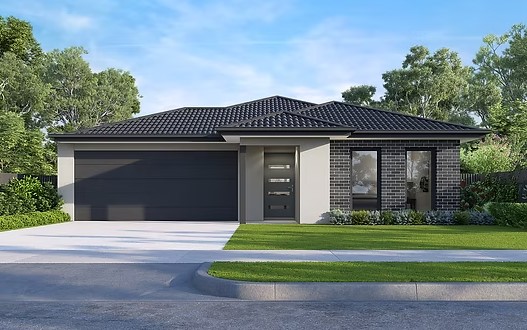
The Australian property market offers several investment opportunities, but specialised disability accommodation is attracting attention for its combination of housing demand and social impact. SDA housing investment focuses on developing or purchasing purpose-built properties for eligible people with significant disabilities who require specialised living environments. As the need for accessible housing continues to receive attention, investors are exploring this sector as an alternative to conventional residential property. However, entering this market requires a clear understanding of Specialist Disability Accommodation (SDA), NDIS regulations, property design standards, financial planning, and long-term management.
Understanding Specialist Disability Accommodation
Specialist Disability Accommodation is housing designed for National Disability Insurance Scheme (NDIS) participants with extreme functional impairment or very high support needs who meet the relevant eligibility criteria.
Unlike ordinary rental properties, SDA homes incorporate specialised features that support residents with different physical, sensory, and functional requirements. These features may include wider doorways, step-free entrances, accessible bathrooms, assistive technology, and specialised safety provisions.
SDA is also different from Supported Independent Living (SIL). SDA relates to the physical property, while SIL generally involves assistance with everyday activities such as cooking, personal care, and household tasks.
Understanding this distinction is important for investors because the property and support services operate under different arrangements. A suitable investment must meet applicable SDA design and enrolment requirements before it can qualify for relevant SDA payments.
Why Investors Are Considering SDA Properties
One of the main reasons investors are exploring this sector is the need for suitable disability accommodation. Many people with significant disabilities require homes that offer more than basic accessibility. They may need specialised layouts, additional space for mobility equipment, and facilities that support their individual living arrangements.
This creates an opportunity for investors to contribute to an important housing need while participating in a specialised property market.
Another consideration is the potential income associated with eligible SDA properties. Depending on the dwelling, participant circumstances, applicable pricing arrangements, and occupancy, investors may receive SDA payments.
However, these payments should never be treated as guaranteed rental income. Property enrolment, participant eligibility, vacancies, and compliance requirements can all influence financial performance.
Investors should focus on the property’s long-term suitability rather than relying entirely on projected returns or promotional investment claims.
Understanding the Four SDA Design Categories
The NDIS recognises four main SDA design categories. Each category addresses different accommodation requirements and influences the property’s construction and features.
Improved Liveability housing is designed for people with sensory, intellectual, or cognitive impairments. Features may include enhanced lighting, visual contrast, and simple layouts that make spaces easier to navigate.
Fully Accessible housing supports residents with significant physical accessibility requirements. These properties generally incorporate wider doorways, step-free access, accessible bathrooms, and suitable movement spaces.
Robust housing is designed with durable materials and specialised features to support residents with particular behavioural and safety requirements.
High Physical Support housing is intended for people with substantial physical support needs. Depending on the design, it may include ceiling hoists, assistive technology, accessible bathrooms, and emergency power solutions.
Choosing the appropriate category requires research into participant needs, local demand, construction costs, and relevant design standards.
Selecting the Right Property Location
Location can have a significant influence on the suitability of an SDA development. Investors should look beyond general property market growth and consider whether the surrounding area supports the everyday needs of potential residents.
Proximity to hospitals, medical centres, public transport, shopping facilities, community services, and disability support providers can improve a property’s practical value.
Metropolitan areas may offer access to established infrastructure, while selected regional communities may present opportunities where suitable accommodation is limited.
Nevertheless, investors should not assume that an area with strong general rental demand will automatically have sufficient demand for every SDA category.
Researching existing specialist housing, local participant requirements, support provider availability, and competing developments is essential before selecting a location.
Financial Planning and Potential Risks
Developing or purchasing specialised accommodation requires careful financial assessment. Construction costs may be higher than those of conventional homes because SDA properties often require specialised materials, accessible layouts, additional technology, and specific design features.
Investors should calculate the complete project cost, including land acquisition, construction, professional fees, approvals, financing, insurance, maintenance, and property management.
It is also important to allow for potential vacancies, construction delays, changing interest rates, and unexpected expenses.
Projected income should be based on realistic assumptions and current SDA pricing arrangements. Investors should independently verify any advertised rental returns and understand the conditions attached to relevant payments.
Obtaining professional financial, legal, construction, and NDIS-specific advice can help identify risks before making a significant financial commitment.
The Importance of Quality Construction and Management
A successful SDA property begins with appropriate planning and professional construction. Working with experienced builders, architects, and disability housing consultants can help ensure that the finished home meets relevant design requirements.
Practical features such as accessible kitchens, spacious living areas, suitable bathrooms, smart home systems, and durable finishes can improve the resident experience.
Property management is equally important. Regular maintenance, clear occupancy arrangements, and communication with relevant support providers help maintain the property’s condition and suitability over time.
Investors should remember that the primary purpose of these homes is to provide appropriate accommodation for people with disabilities. Resident comfort, safety, and independence should remain central to every development decision.
Conclusion
SDA property development offers investors an opportunity to participate in a specialised housing sector while contributing to improved accommodation options for eligible people with disabilities.
However, successful investment depends on more than purchasing land or constructing an accessible property. It requires an understanding of NDIS requirements, suitable design categories, local housing demand, realistic financial projections, and ongoing property responsibilities.
Rate this business
Have you heard of this business? Do you like it? How do you like it?
Check out if it is in the list of Top Rated Small Businesses