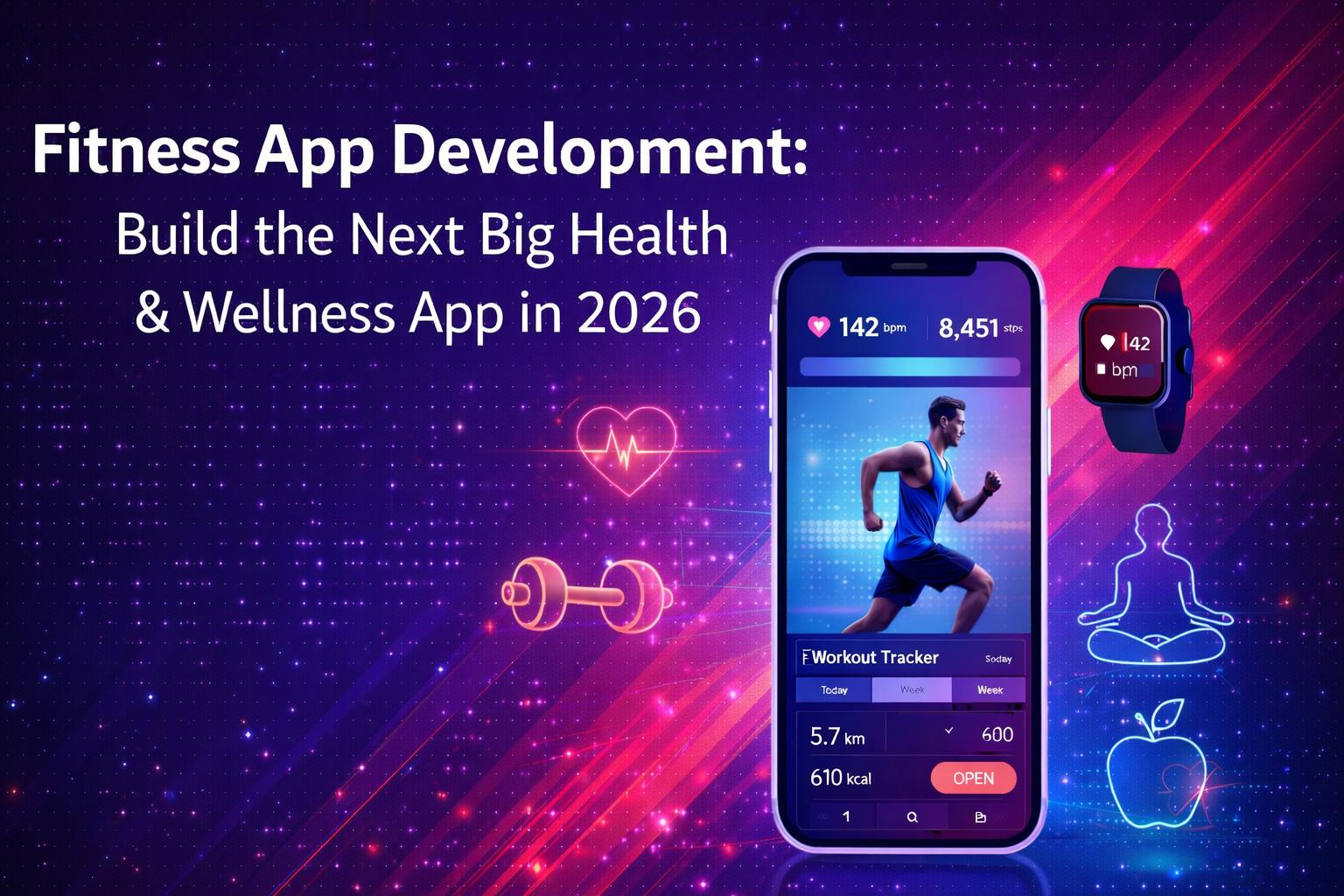
The fitness industry is no longer confined to gyms, personal trainers, or physical workout spaces. In 2026, fitness has become digital, personalized, and accessible anytime, anywhere. With the rapid adoption of smartphones and wearable devices, users are now relying heavily on mobile applications to manage their health, track workouts, and stay motivated.
This massive shift has created a booming demand for fitness app development, making it one of the most promising opportunities for startups, entrepreneurs, and enterprises looking to enter the digital health space. But building the next big fitness app requires more than just an idea it demands innovation, user-centric design, and the right technology.
In this blog, we’ll explore how you can build a successful fitness app in 2026 and stay ahead in this competitive market.
The Rise of Digital Fitness in 2026
The way people approach health and fitness has drastically changed over the past few years. Busy lifestyles, remote work culture, and increased awareness about health have encouraged users to seek flexible fitness solutions.
Fitness apps provide convenience, allowing users to work out at home, in parks, or even while traveling. Whether it’s tracking daily steps, following guided workout routines, or managing diet plans, these apps have become essential tools in everyday life.
Moreover, the integration of technologies like artificial intelligence and wearable devices has elevated the user experience. Apps can now analyze user behavior, track performance in real time, and provide personalized recommendations, making fitness journeys more effective and engaging.
Why Fitness App Development is a Smart Investment
Investing in fitness app development in 2026 is not just a trend it’s a strategic business move. The global demand for digital health solutions continues to grow, and users are willing to pay for apps that deliver real value.
One of the biggest advantages of fitness apps is their scalability. Once developed, they can reach a global audience without significant additional costs. This opens the door to massive revenue potential through subscriptions, premium features, and in-app purchases.
Another key factor is user engagement. Fitness apps are used daily, which means businesses can build long-term relationships with their users. With the right features and consistent updates, these apps can achieve high retention rates and strong brand loyalty.
What Makes a Fitness App Successful?
Creating a successful fitness app requires a deep understanding of user needs and expectations. In 2026, users expect more than just basic functionality they want a complete fitness ecosystem.
Personalization plays a crucial role in this. Users want workout plans tailored to their goals, whether it’s weight loss, muscle gain, or overall wellness. Apps that offer customized experiences tend to perform better in terms of engagement and retention.
User experience is equally important. A clean, intuitive interface ensures that users can navigate the app easily without confusion. Slow loading times, complicated navigation, or bugs can quickly drive users away.
Another important factor is motivation. Fitness apps should inspire users to stay consistent. Features like progress tracking, reminders, rewards, and social sharing help keep users engaged and committed to their goals.
Key Features to Include in Your Fitness App
To build the next big health and wellness app, your platform must include features that deliver both functionality and engagement.
A strong onboarding process is essential. It should gather user preferences, fitness goals, and health data to create a personalized experience from the start. This initial interaction sets the tone for the entire user journey.
Workout and training modules are the core of any fitness app. These can include video tutorials, step-by-step instructions, and customizable workout plans. Adding different levels of difficulty ensures that the app caters to beginners as well as advanced users.
Tracking features are equally important. Users should be able to monitor their progress, including calories burned, steps taken, workout duration, and more. Visual reports and analytics can make this data more engaging and easier to understand.
Integration with wearable devices adds significant value. By syncing with smartwatches and fitness bands, the app can provide real-time insights and more accurate tracking.
Advanced features like AI-based recommendations, live training sessions, and community engagement can further enhance the user experience and set your app apart from competitors.
The Development Process: From Idea to Launch
Building a fitness app involves a structured and strategic approach. It starts with research and planning, where you identify your target audience, analyze competitors, and define your app’s core features.
The next step is design, where the focus is on creating a user-friendly interface. A well-designed app not only looks good but also ensures smooth navigation and usability.
Development is the most technical phase, where developers build the app’s functionality using modern frameworks and technologies. This stage requires careful attention to performance, scalability, and security.
Testing follows development and is crucial to ensure that the app is free from bugs and performs well under different conditions. A poorly tested app can lead to negative user reviews and low retention.
Finally, the app is launched on platforms like Android and iOS. However, the journey doesn’t end here. Continuous updates, feature enhancements, and user feedback play a key role in long-term success.
Technology Trends Shaping Fitness Apps in 2026
Technology continues to drive innovation in fitness app development. Artificial intelligence is at the forefront, enabling apps to deliver personalized experiences based on user data and behavior.
Wearable technology is becoming more advanced, allowing apps to track detailed health metrics such as heart rate, sleep patterns, and even stress levels. This data helps create more accurate and effective fitness plans.
Another emerging trend is virtual fitness experiences. With technologies like augmented reality and virtual reality, users can enjoy immersive workouts from the comfort of their homes.
Cloud computing also plays a vital role by ensuring secure data storage and seamless performance. It allows apps to handle large volumes of user data efficiently.
Monetization Strategies for Fitness Apps
A well-developed fitness app can generate consistent revenue through various monetization models. Subscription-based services are among the most popular, offering users access to premium features and exclusive content.
In-app purchases provide another revenue stream, allowing users to buy personalized plans or advanced features. Some apps also use advertisements, although this approach should be balanced to avoid affecting user experience.
The freemium model is widely used, where basic features are offered for free, and users pay for advanced functionalities. This strategy helps attract a larger user base while still generating revenue.
Challenges in Fitness App Development
While the opportunities are vast, there are challenges that developers must address. One of the biggest challenges is maintaining user engagement over time. Users often start with enthusiasm but may lose interest if the app fails to keep them motivated.
Data privacy is another critical concern. Fitness apps handle sensitive health information, making it essential to implement strong security measures.
Competition is also intense, with thousands of fitness apps available in the market. To stand out, your app must offer unique features and a superior user experience.
Why Now is the Right Time to Build Your Fitness App
The demand for digital fitness solutions is only going to increase in the coming years. As technology continues to evolve, users will expect more advanced and personalized experiences.
By investing in fitness app development now, you can position your business as a leader in this growing industry. With the right strategy and execution, your app can become a go-to platform for users seeking health and wellness solutions.
Final Thoughts
Fitness app development in 2026 is not just about creating an app it’s about building a complete digital fitness ecosystem. Success lies in understanding user needs, leveraging advanced technologies, and delivering a seamless experience that keeps users engaged every single day.
As the health and wellness industry continues to grow, businesses that invest in innovative fitness solutions will gain a significant competitive advantage. However, achieving that success also depends on choosing the right development expertise. Just like companies carefully hire real estate app developers to build feature-rich property platforms, the same level of precision and specialization is essential when developing a high-quality fitness application.
Now is your chance to build the next big fitness app and make a lasting impact in the digital health space.
Rate this business
Have you heard of this business? Do you like it? How do you like it?
Check out if it is in the list of Top Rated Small Businesses