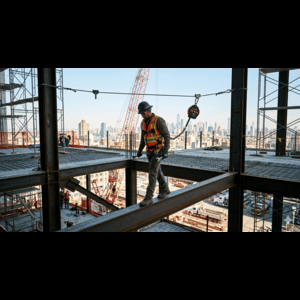
Falls remain one of the leading causes of serious workplace injuries and fatalities across construction, maintenance, industrial, and roofing environments. Whenever workers operate at elevated locations, employers must implement effective fall protection strategies to minimize risk and maintain regulatory compliance.
Among the most effective solutions available today is the horizontal lifeline system, a versatile fall protection solution designed to provide continuous mobility and reliable fall arrest capabilities for workers operating across large work areas.
As organizations prioritize workplace safety, regulatory compliance, and operational efficiency, horizontal lifelines have become an essential component of comprehensive fall protection programs.
What Is a Horizontal Lifeline?
A horizontal lifeline (HLL) is a fall protection system consisting of a flexible cable, rope, or rail installed horizontally between anchor points. Workers connect to the lifeline using personal fall arrest equipment, allowing them to move freely while remaining continuously protected from fall hazards.
In simple terms, a horizontal lifeline enables workers to travel across roofs, elevated structures, and work platforms while maintaining a secure connection to an overhead anchorage system.
Key Components of a Horizontal Lifeline System
A typical system includes:
- End anchorages
- Intermediate supports
- Lifeline cable or rail
- Energy absorbers
- Personal fall arrest systems (PFAS)
- Harnesses and lanyards
- Connection devices
These components work together to reduce fall forces and protect workers during a fall event.
Why Is It Important for Workplace Safety?
Continuous Fall Protection
Unlike fixed anchor points that restrict movement, horizontal lifeline systems allow workers to travel across larger work areas while remaining connected.
Reduced Exposure to Fall Hazards
Benefits include:
- Continuous tie-off protection
- Greater worker mobility
- Improved productivity
- Reduced risk of swing falls
- Enhanced access to work zones
- Better compliance with safety standards
- Protection Across Large Roof Areas
Facilities such as warehouses, manufacturing plants, distribution centers, and commercial buildings often feature expansive roof surfaces. Horizontal lifelines provide practical protection where multiple anchor points would otherwise be required.
Common Hazards Businesses Face
Organizations that perform work at height encounter numerous fall risks.
Roof Edge Falls
Workers conducting inspections, repairs, HVAC maintenance, or installations may be exposed to unprotected roof edges.
Fragile Roof Surfaces
Skylights, roof openings, and aging roofing materials can create hidden fall hazards.
Improper Anchorage
Using inadequate anchorage points may result in system failure during a fall event.
Limited Mobility
Traditional single-point anchorage systems often force workers to disconnect and reconnect repeatedly, increasing risk exposure.
Common Industries at Risk
Industries frequently utilizing horizontal lifelines include:
Construction
Roofing
Facility maintenance
Telecommunications
Energy and utilities
Manufacturing
Transportation infrastructure
How OSHA Addresses These Risks
OSHA Fall Protection Requirements
The Occupational Safety and Health Administration (OSHA) requires employers to protect workers exposed to fall hazards.
OSHA regulations emphasize:
Fall hazard assessments
Proper anchorage design
Qualified person oversight
Worker training
Equipment inspection
Personal protective equipment (PPE)
Horizontal lifeline systems are often incorporated into fall arrest programs that help organizations meet applicable OSHA fall protection requirements.
Key OSHA Principles
Employers should:
Identify fall hazards before work begins
Use engineered fall protection systems
Train workers properly
Conduct routine inspections
Maintain documented safety procedures
Failure to comply with fall protection requirements can result in injuries, operational disruptions, and significant penalties.
Best Practices for Compliance
1. Conduct a Comprehensive Risk Assessment
Before selecting a system, evaluate:
Roof layout
Work frequency
Number of users
Fall clearance requirements
Structural capacity
2. Use Qualified Design Professionals
Horizontal lifelines should be engineered and installed according to applicable standards and site-specific requirements.
3. Train Workers Thoroughly
Training should cover:
Harness use
Lifeline connection procedures
Rescue planning
Hazard recognition
Equipment inspection
4. Perform Regular Inspections
Routine inspections help identify:
Cable wear
Corrosion
Loose hardware
Damaged anchorages
Energy absorber activation
5. Establish Rescue Procedures
An effective rescue plan is a critical part of any fall protection program.
How Modern Safety Systems Reduce Risk
Modern fall protection solutions have evolved significantly to improve both safety and productivity.
Advanced Engineering
Today’s horizontal lifeline systems offer:
Enhanced energy absorption
Reduced system loads
Improved durability
Corrosion-resistant materials
Multi-user capabilities
Integration with Roof Safety Programs
Modern systems can integrate with:
Guardrails
Walkways
Roof access ladders
Warning line systems
Overhead anchorage solutions
Real-World Example
A commercial roofing contractor performing maintenance across a large industrial facility may require workers to access multiple roof zones during a shift. A properly designed horizontal lifeline system allows continuous movement without repeated tie-offs, reducing exposure to fall hazards while improving efficiency.
How to Choose the Right Solution
Selecting an appropriate system requires careful evaluation of workplace conditions.
Consider These Factors
Roof Configuration
Different roof designs require different anchorage strategies.
User Capacity
Determine how many workers will use the system simultaneously.
Environmental Conditions
Consider:
Wind exposure
Corrosion risks
Weather conditions
Temperature extremes
Compliance Requirements
Ensure the system aligns with applicable OSHA requirements and industry standards.
Installation Expertise
Partner with experienced fall protection specialists who understand engineering requirements and site-specific challenges.
These systems are designed to support worker mobility, compliance objectives, and long-term safety performance.
Why Businesses Are Investing in Safety Improvements
Reducing Workplace Injuries
A strong fall protection program significantly lowers the likelihood of serious incidents.
Supporting Regulatory Compliance
Proactive safety investments help organizations satisfy OSHA requirements and reduce liability exposure.
Improving Productivity
Workers perform more efficiently when they can move safely throughout their work area.
Lowering Long-Term Costs
Benefits include:
Fewer injuries
Reduced downtime
Lower insurance costs
Improved operational continuity
Stronger safety culture
Enhancing Reputation
Organizations known for prioritizing worker protection often experience stronger workforce retention and improved stakeholder confidence.
Frequently Asked Questions
What is a horizontal lifeline system used for?
A horizontal lifeline system provides continuous fall protection for workers operating across elevated surfaces such as roofs, platforms, and industrial structures.
Can multiple workers use the same horizontal lifeline?
Many engineered systems are designed to accommodate multiple users simultaneously, depending on system specifications and design requirements.
Are horizontal lifelines OSHA compliant?
When properly designed, installed, inspected, and used as part of a compliant fall protection program, horizontal lifelines can help organizations meet OSHA fall protection requirements.
What industries commonly use horizontal lifelines?
Construction, roofing, maintenance, manufacturing, telecommunications, utilities, and transportation sectors frequently use horizontal lifeline systems.
How often should a horizontal lifeline be inspected?
Inspection frequency depends on manufacturer recommendations, usage conditions, and regulatory requirements. Visual inspections should occur before each use, with periodic formal inspections conducted by qualified personnel.
Can horizontal lifelines be installed on existing roofs?
Yes. Many systems can be retrofitted to existing structures, provided the roof and supporting structure meet engineering requirements.
Conclusion
Working at heights presents significant risks, making effective fall protection a critical responsibility for employers. Horizontal lifeline systems provide a practical solution for protecting workers while maintaining productivity and regulatory compliance.
By combining engineered anchorage systems, proper training, routine inspections, and OSHA-aligned safety practices, organizations can create safer work environments and significantly reduce fall-related incidents. As workplace safety standards continue to evolve, investing in modern roof safety and fall protection systems remains one of the most effective ways to protect both workers and business operations.
0
0
0
0
0
0
0
0
0
0
0
0
0
Rate this business
Have you heard of this business? Do you like it? How do you like it?
Check out if it is in the list of Top Rated Small Businesses