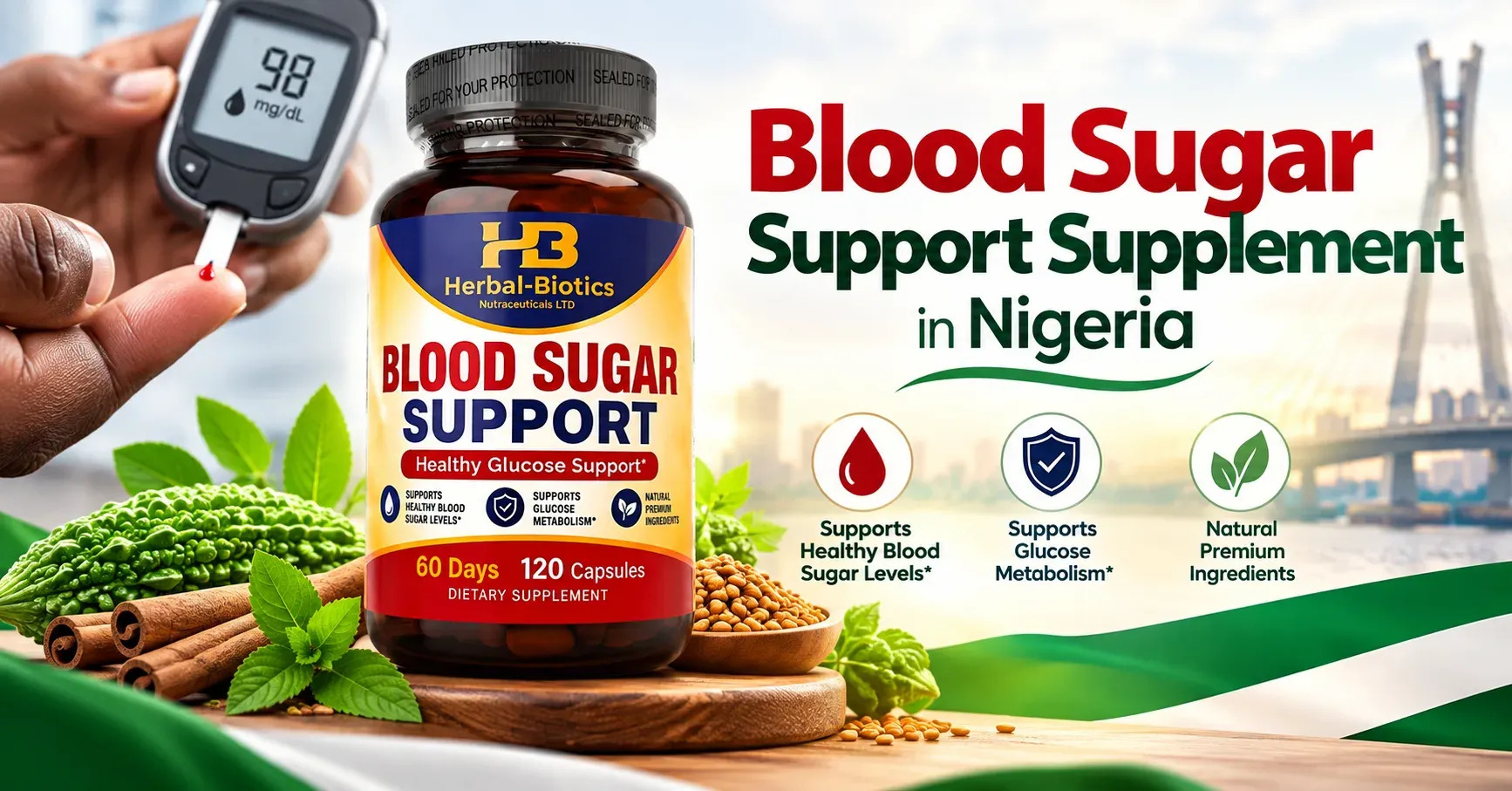
Blood sugar supplements are widely discussed by people who want to support healthy glucose levels, improve their overall wellness, or complement healthy lifestyle habits. In Nigeria, consumers may encounter many products marketed with claims about blood sugar balance, metabolic health, and natural support. However, choosing any supplement should involve careful consideration rather than relying only on advertising or product promises.
The question of blood sugar supplement safety is especially important because supplements can contain concentrated ingredients that may affect the body in different ways. Some products may also interact with medicines or may not be appropriate for people with certain health conditions. Understanding ingredients, dosage, product quality, and possible side effects can help consumers make more informed decisions.
For anyone considering a supplement, safety should come before convenience or marketing claims. A supplement should not automatically be considered safe simply because it is described as natural or herbal. This comprehensive guide explains why safety matters, what Nigerian consumers should consider, and how supplements can be approached responsibly.
Blood Sugar Supplements
Blood sugar supplements are products designed to provide nutritional or botanical ingredients that may support normal glucose metabolism. They are commonly sold as capsules, tablets, powders, liquids, or herbal preparations.
Different products can contain very different combinations of ingredients. Some may include vitamins and minerals, while others contain plant extracts or compounds traditionally associated with metabolic wellness.
The purpose of these products can also vary. Some are marketed for general wellness, while others specifically claim to support healthy blood glucose levels. Consumers should therefore read the product label carefully instead of assuming that all supplements work in the same way.
It is also important to distinguish supplements from medicines used to manage diabetes. A dietary supplement should not automatically be considered a replacement for prescribed treatment.
Why Blood Sugar Supplement Safety Matters
Blood glucose is closely connected with the body’s metabolism and energy systems. Products that influence glucose metabolism may therefore have effects beyond simple nutrition.
For someone who already takes medication for diabetes or another metabolic condition, adding a supplement without professional guidance could potentially change how glucose levels are managed. Depending on the ingredients, there may be concerns about excessively low blood sugar or other interactions.
This is one reason blood sugar supplement safety should be considered before purchasing or using any product.
Safety is also important because the quality of supplements can vary. Products purchased from unfamiliar sellers may have unclear ingredient information, questionable storage conditions, or inaccurate claims.
A responsible approach involves checking what the product contains, where it comes from, how it should be used, and whether it is suitable for the individual.
Checking the Ingredients Carefully
The ingredient list is one of the most important sections of a supplement label. Consumers should identify every active ingredient and understand its intended purpose before taking the product.
Some supplements contain several ingredients in relatively small amounts, while others use concentrated botanical extracts. The presence of multiple ingredients can make it more difficult to determine which component is responsible for an effect or side effect.
Consumers should also look for the amount of each ingredient rather than focusing only on the ingredient name. A product may contain a familiar botanical ingredient, but its concentration and preparation can differ significantly from another product.
If an ingredient is unfamiliar, it is reasonable to research it through reliable health information sources or discuss it with a qualified healthcare professional.
Natural Does Not Always Mean Risk-Free
The word “natural” is frequently used in supplement marketing. However, natural ingredients can still have biological effects.
Plants contain active compounds, and concentrated extracts can sometimes produce stronger effects than consuming the plant as part of an ordinary diet. Some botanical ingredients can also interact with medications or cause digestive, allergic, or other reactions.
Therefore, consumers should avoid assuming that an herbal or natural supplement is automatically harmless.
The same principle applies to vitamins and minerals. Although many nutrients are essential for normal health, taking excessive quantities can cause problems.
Understanding the dose is therefore just as important as understanding the ingredient.
The Importance of Dosage
Every supplement should be used according to its label directions unless a healthcare professional provides different instructions.
Taking more capsules than recommended does not necessarily produce better results. In some cases, excessive intake can increase the risk of unwanted effects.
Consumers should pay attention to serving size, frequency, and the amount of each active ingredient. It is also important to avoid combining multiple products that contain the same ingredient without checking their total intake.
For example, someone might use a multivitamin alongside a metabolic supplement without realizing that both products contain the same nutrient. Reviewing all supplements together can help prevent unnecessary duplication.
Considering Existing Health Conditions
Individual health circumstances matter when evaluating supplement use.
People who have diabetes, prediabetes, kidney problems, liver conditions, digestive disorders, allergies, or other chronic conditions should be especially careful when considering a new supplement.
Pregnant or breastfeeding individuals should also seek professional advice before using products containing concentrated herbs or other active ingredients.
Older adults may take several prescription medicines at the same time, making potential interactions particularly important to consider.
Rather than judging a supplement only by its general reputation, consumers should consider whether it is appropriate for their specific situation.
Possible Interactions With Medicines
One of the major reasons safety deserves attention is the possibility of interactions.
Some ingredients may influence blood glucose, blood pressure, blood clotting, digestion, or the way certain medicines are processed. When combined with prescription or over-the-counter medicines, these effects may sometimes become more significant.
A person using diabetes medication should not assume that a supplement can be added safely without consultation.
This does not mean that every supplement will cause an interaction. It means that the possibility should be considered, particularly when a person has an existing medical condition or takes regular medication.
A pharmacist, doctor, or other qualified healthcare professional can review the supplement ingredients and the individual’s current medicines.
Choosing Products From Reliable Sources
Where a supplement is purchased can affect the overall safety of the product.
Consumers should be cautious about products sold through unknown online sellers, informal marketplaces, or sources that provide little information about the manufacturer.
A reputable product should provide clear labeling, ingredient information, recommended serving instructions, manufacturer details, and appropriate storage information.
Consumers should also be cautious of products making dramatic promises. Statements suggesting that a supplement can completely control diabetes, replace medication, or produce guaranteed results should be treated carefully.
Marketing language is not the same thing as scientific evidence.
Checking Product Quality in Nigeria
Consumers in Nigeria should consider the regulatory status and labeling of health products before purchasing them.
Where applicable, buyers should look for relevant registration or authorization information and verify it through official Nigerian regulatory resources rather than relying solely on a seller’s statement.
The National Agency for Food and Drug Administration and Control, commonly known as NAFDAC, is Nigeria’s regulatory agency responsible for a range of regulated products, including foods, medicines, and related health products.
Checking official information can help consumers distinguish between properly documented products and items with unclear origins.
However, regulatory status should not be interpreted as a guarantee that a supplement will provide a particular health benefit. It is still important to understand the product’s ingredients and intended use.
Reading Labels Before Buying
A supplement label can provide useful information about how the product should be used.
Consumers should check the serving size, active ingredients, inactive ingredients, directions, warnings, storage instructions, manufacturer information, and expiration date.
A product with vague or incomplete labeling deserves additional caution.
Consumers should also avoid purchasing products with damaged packaging, missing seals, unusual odors, unclear expiration dates, or labels that appear altered.
Proper storage matters as well. Heat, moisture, and direct sunlight can affect certain products. In Nigeria’s warm climate, following the manufacturer’s storage instructions is particularly relevant.
Be Careful With Strong Health Claims
Supplement advertisements can sometimes make claims that sound more certain than the available evidence supports.
Phrases such as “guaranteed blood sugar control,” “permanent diabetes cure,” or “works without medication” should raise concerns.
Diabetes is a medical condition that may require ongoing professional management. A supplement should not be presented as a substitute for appropriate medical care.
Consumers should look for balanced information that explains what the product is intended to support rather than promises a guaranteed outcome.
A careful approach to blood sugar supplement safety means considering evidence, product quality, individual circumstances, and professional guidance together.
Supplements Should Complement Healthy Habits
A supplement should not be viewed as the foundation of blood sugar management.
Healthy lifestyle practices remain important for metabolic health. Depending on an individual’s circumstances, these may include eating a balanced diet, staying physically active, maintaining a healthy weight when appropriate, sleeping adequately, and attending recommended medical appointments.
For people living with diabetes, monitoring blood glucose and following a healthcare professional’s treatment plan are also important.
A supplement may be considered as part of an overall wellness approach, but it should not replace evidence-based medical care.
Recognizing Possible Side Effects
Even when a supplement is appropriately manufactured, some people may experience unwanted effects.
Depending on the ingredients, possible reactions may include stomach discomfort, nausea, diarrhea, constipation, headache, dizziness, or allergic symptoms.
A person should pay attention to changes that occur after starting a new product.
If a serious or unexpected reaction occurs, the supplement should be stopped and appropriate medical assistance should be sought. People taking medicines should also inform their healthcare professional about supplements they use.
Keeping a list of all supplements and medications can make it easier for healthcare professionals to identify potential problems.
Why Professional Guidance Can Help
A doctor or pharmacist can provide personalized advice based on a person’s health history, medication use, allergies, and nutritional needs.
This is particularly valuable for people already diagnosed with diabetes or another chronic condition.
A healthcare professional can also help consumers understand whether a supplement is necessary at all. In some cases, a person’s nutritional needs may be better addressed through diet or treatment of an underlying deficiency.
Professional guidance does not mean that every supplement is inappropriate. Instead, it provides a way to evaluate potential benefits and risks in the context of the individual’s health.
Questions to Ask Before Using a Supplement
Before purchasing a blood sugar supplement, consumers can consider several practical questions.
What ingredients does the product contain? What amount of each ingredient is provided? Who manufactured it? Is the packaging intact? Is there clear information about dosage and warnings? Is the product appropriately registered or documented where required? Could any ingredient interact with current medicines?
It is also worth asking whether the product is actually needed.
These questions encourage a more careful purchasing decision and reduce the chance of relying solely on advertising.
Conclusion
Blood sugar supplements may attract attention from Nigerian consumers seeking additional support for metabolic wellness, but safety should remain a central consideration. A responsible decision involves more than looking at the product name or reading promotional claims.
Consumers should examine ingredients, dosage, labeling, manufacturing information, storage conditions, and relevant regulatory details. They should also consider their own health conditions and medications before beginning a new supplement.
Most importantly, supplements should not be treated as automatic replacements for professional medical care. People managing diabetes or taking glucose-lowering medication should discuss new supplements with a qualified healthcare professional before using them.
Understanding blood sugar supplement safety can help consumers approach these products with greater awareness. By choosing carefully, following dosage instructions, recognizing possible side effects, and seeking professional guidance when necessary, individuals can make more informed decisions about whether a particular supplement fits their health needs.
FAQs
Is blood sugar supplement safety important for everyone?
Yes. Blood sugar supplement safety is important for anyone considering or using a supplement, although the level of concern may vary from person to person. Supplements can contain active ingredients that affect the body’s metabolism, digestion, or other processes. People with diabetes, those taking prescription medicines, older adults, pregnant individuals, and people with existing health conditions should be especially careful when introducing a new supplement.
Before using a product, it is helpful to review its ingredients, dosage, warnings, and manufacturer information. Speaking with a doctor or pharmacist can also help determine whether a particular supplement is suitable for an individual’s health situation and whether there may be potential interactions with medicines.
Can blood sugar supplements replace diabetes medication?
Blood sugar supplements should not automatically be used as replacements for prescribed diabetes medication. Medicines used to manage diabetes are selected according to an individual’s medical condition and treatment needs. Stopping, reducing, or replacing prescribed medication without professional guidance may result in poor blood glucose control and other health complications.
If someone is interested in adding a supplement to their existing routine, they should discuss it with a qualified healthcare professional first. A doctor or pharmacist can review the supplement’s ingredients, consider possible interactions, and explain whether it can reasonably be used alongside the person’s current treatment plan.
Are herbal blood sugar supplements always safe?
No. Herbal blood sugar supplements are not automatically safe simply because they contain ingredients that come from plants. Many herbs contain active compounds that can affect the body, and concentrated extracts may have stronger effects than the same plants consumed as ordinary foods. Some herbal ingredients may also cause digestive problems, allergic reactions, or interactions with certain medications.
Consumers should carefully check the ingredient list, dosage, warnings, manufacturer information, and product quality before using an herbal supplement. People with diabetes, chronic medical conditions, or regular medication use should consider discussing the product with a healthcare professional before taking it.
How can Nigerian consumers choose a safer blood sugar supplement?
Nigerian consumers can begin by purchasing supplements from reputable and trustworthy sources rather than relying on unknown sellers or products with unclear origins. The packaging should provide clear information about the ingredients, recommended dosage, manufacturer, expiration date, storage instructions, and relevant regulatory details. Consumers should also be cautious about products that make unrealistic promises or claim to provide guaranteed results.
It is also important to consider whether the supplement is appropriate for the individual’s health circumstances. Checking the ingredients against other supplements and medications can help prevent unnecessary duplication or potential interactions. When there is uncertainty, a doctor or pharmacist can provide personalized guidance before the product is used.
What should someone do if a supplement causes side effects?
If a person develops unexpected symptoms after starting a blood sugar supplement, they should take the reaction seriously. Depending on the symptoms, it may be appropriate to stop using the supplement and contact a healthcare professional for advice. Severe or rapidly developing symptoms require prompt medical attention rather than waiting for them to disappear.
Keeping the supplement packaging, ingredient list, and dosage information can be useful when speaking with a healthcare professional. This information can help identify what the person consumed and whether a particular ingredient may have contributed to the reaction. People taking medication should also mention the supplement to their doctor or pharmacist so possible interactions can be considered.
0
Rate this business
Have you heard of this business? Do you like it? How do you like it?
Check out if it is in the list of Top Rated Small Businesses