If your child keeps needing stronger glasses every year, you’re not alone—and it’s not just “bad eyesight.” This is myopia, also known as nearsightedness, and it’s increasing rapidly among children in the United States.
In simple terms, myopia means distant objects appear blurry while close objects stay clear. But here’s the part many parents don’t realize: myopia is progressive, which means it often worsens over time if not actively managed.
That’s where myopia management becomes essential—not just for clearer vision today, but for protecting long-term eye health.
What Is Myopia Management and Why It Matters Now More Than Ever
Myopia management refers to clinically proven treatments designed to slow down the progression of nearsightedness in children and teens. It’s not just about correcting vision—it’s about controlling how fast the eye changes shape over time.
Eye care specialists in the USA now recommend early intervention because high myopia can increase the risk of serious eye conditions later in life, including retinal detachment, glaucoma, and macular degeneration.
The goal is simple:
👉 Slow progression early
👉 Reduce future eye health risks
👉 Improve quality of life long-term
Proven Myopia Management Options for Children
Modern eye care offers several safe and effective strategies. Let’s break down the most trusted ones.
1. Ortho-K (Orthokeratology) – Overnight Vision Correction
Ortho-K lenses are specially designed contact lenses worn while sleeping. They gently reshape the cornea overnight so your child can see clearly during the day without glasses or contacts.
Benefits:
Non-surgical and reversible
Controls myopia progression
Great for active children and athletes
Many parents in the U.S. choose Ortho-K because it combines freedom with long-term protection.
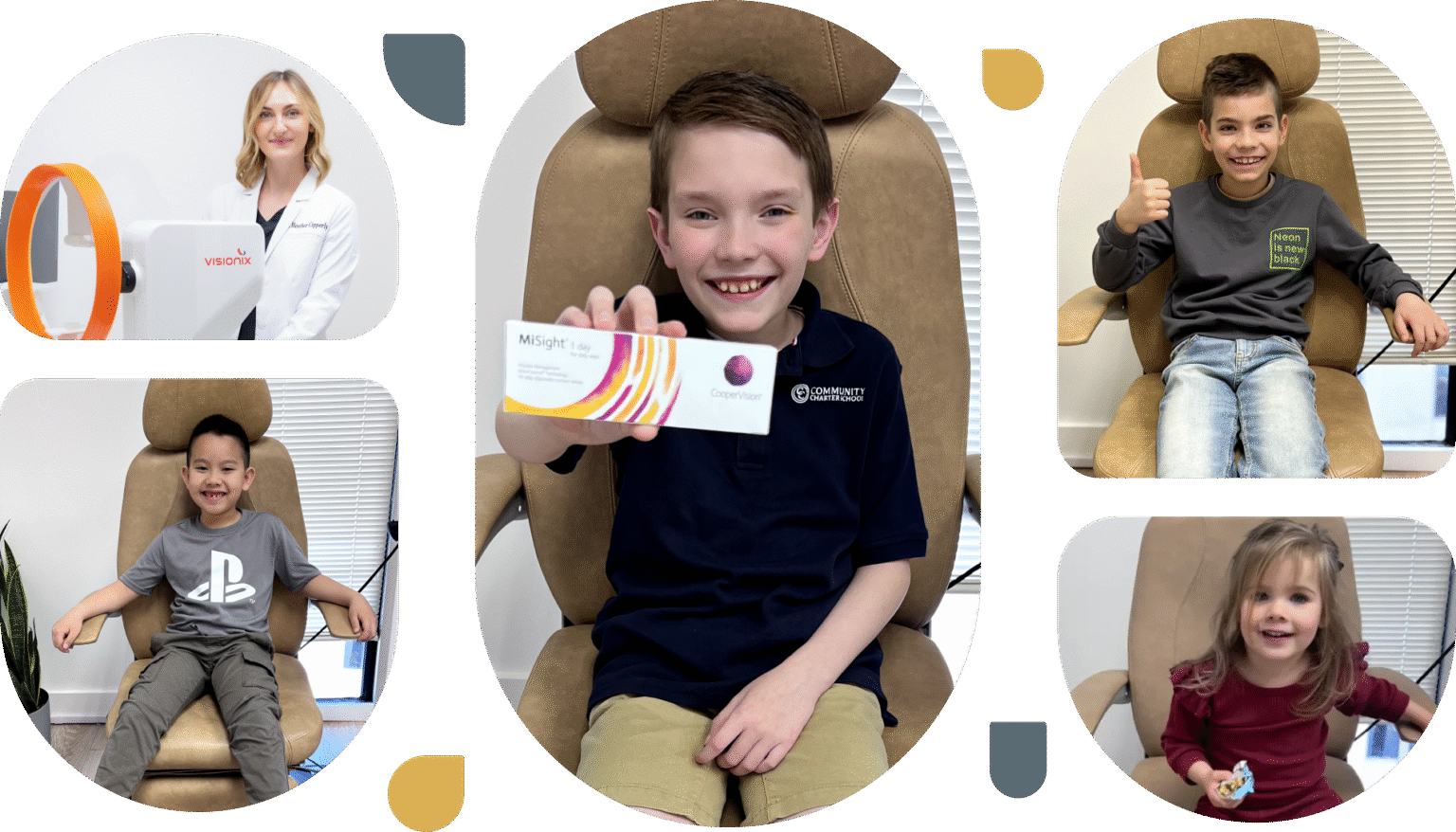
2. MiSight® Contact Lenses – FDA-Approved for Kids
MiSight lenses are daily soft contact lenses specifically designed for myopia control in children aged 8–12 when treatment begins.
Benefits:
FDA-approved in the United States
Clinically proven to slow progression
Comfortable daily wear option
These lenses are one of the most researched solutions in modern myopia management.
3. Low-Dose Atropine Eye Drops
Atropine drops are used in very low concentrations to slow eye growth. They are typically prescribed by pediatric eye specialists and used once daily.
Benefits:
Easy to use
Effective in slowing progression
Can be combined with other treatments
This option is especially helpful for children who may not tolerate contact lenses.
Why Early Myopia Management Is Critical
The earlier treatment begins, the better the outcome. Children’s eyes are still developing, which means intervention during childhood can significantly reduce long-term vision risks.
Without treatment, myopia may continue to worsen each year. With proper care, progression can often be slowed by 30%–60% depending on the method used.
Think of it as preventive eye care—not just vision correction.
What Parents Should Watch For
Frequent squinting or eye rubbing
Sitting too close to screens or books
Complaints of blurry distance vision
Rapid prescription changes
If you notice these signs, it’s time to schedule a comprehensive eye exam with a pediatric optometrist.
Conclusion: Protect Your Child’s Vision Before It’s Too Late
Myopia is not just a vision inconvenience—it’s a progressive eye condition that can impact lifelong eye health. The good news is that modern myopia management offers safe, science-backed solutions to slow its progression.
0
Rate this business
Have you heard of this business? Do you like it? How do you like it?
Check out if it is in the list of Top Rated Small Businesses