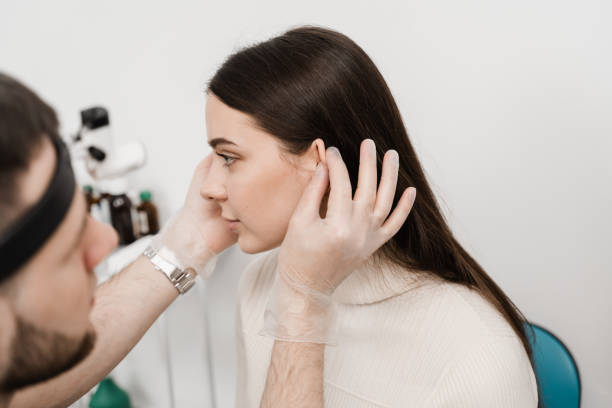
Ear cartilage plays an essential role in determining the shape, structure, and flexibility of the external ears. It creates the natural folds, curves, and contours that give each ear its distinctive appearance. Differences in cartilage development can sometimes result in prominent ears, uneven folds, or irregular shapes. Understanding these structural features is important when considering Ear cosmetic surgery in Riyadh (جراحة تجميل الأذن في الرياض), as the appropriate surgical approach often depends on the condition, flexibility, and natural formation of the cartilage. The goal is to refine specific features while maintaining the ear’s natural appearance.
Understanding the Structure of Ear Cartilage
The external ear, also known as the auricle or pinna, is primarily formed by elastic cartilage covered with skin. This flexible tissue provides support while allowing the ears to maintain their distinctive shape. Unlike many other parts of the body, the outer ear has no rigid bone framework. Its cartilage forms several structures, including the helix, antihelix, concha, and tragus. Each contributes to the overall contour and positioning of the ear, making cartilage assessment an important part of cosmetic treatment planning.
Why Cartilage Differences Can Affect Ear Shape
Natural variations in cartilage development can influence how the ears appear from different angles. Some individuals have less-defined antihelical folds, while others have a deeper conchal structure that contributes to outward ear projection. Cartilage may also develop with uneven contours, creating differences between the two ears. These variations are not necessarily medical problems, but some people may wish to address them for aesthetic reasons. A specialist evaluates the underlying structure before recommending any correction.
The Role of Cartilage in Different Ear Cosmetic Procedures
Cartilage Reshaping for Improved Definition
Cartilage reshaping focuses on refining selected areas of the ear to improve its natural contours. Depending on the anatomy, the surgeon may use carefully planned sutures or other surgical techniques to create or enhance specific folds. The objective is to improve definition without removing unnecessary tissue or creating an artificial appearance. The method depends on cartilage flexibility, thickness, and the type of irregularity being addressed.
Cartilage Adjustment During Otoplasty
Otoplasty is commonly performed to improve prominent ears and selected structural differences. Cartilage may be reshaped or repositioned to bring the ears closer to the head or improve their overall contour. The surgeon evaluates the relationship between the conchal area and antihelical fold to determine the most suitable correction. Careful adjustment helps maintain natural proportions and avoid excessive flattening.
Cartilage Preservation and Natural Ear Contours
Preserving healthy cartilage is an important consideration during cosmetic ear surgery. Excessive removal or unnecessary alteration may affect the natural structure and appearance of the ears. A suitable surgical plan focuses on making only the adjustments required to address the patient’s concerns. This approach supports balanced contours while respecting the existing anatomy.
How Surgeons Assess Cartilage Before Surgery
A detailed assessment helps the surgeon understand how cartilage structure contributes to the visible concern. The evaluation may include examining ear projection, fold definition, cartilage thickness, flexibility, symmetry, and surrounding skin. The specialist also considers the patient’s medical history and previous ear injuries or procedures. These details help determine whether cartilage reshaping, repositioning, or another technique is appropriate. Patients should also discuss their expectations to ensure that the proposed outcome is realistic.
What Happens During Cartilage-Based Ear Surgery?
The exact surgical process depends on the selected procedure. In some cases, the surgeon makes an incision behind the ear to access the cartilage while keeping visible scarring less noticeable. The cartilage may then be reshaped, secured with sutures, or repositioned according to the treatment plan. The incision is closed after the planned adjustments are completed. Anaesthesia options and surgical details vary depending on the patient’s needs and the complexity of the procedure.
Recovery and Cartilage Healing After Surgery
Recovery involves healing of the skin and surrounding tissues while the reshaped cartilage settles into its new position. Temporary swelling, bruising, tenderness, and discomfort may occur. Patients are generally advised to follow instructions about dressings, protective headbands, sleeping positions, and physical activity. Avoiding pressure or accidental impact to the ears is important during the healing period. Follow-up appointments help the surgeon monitor the healing process and identify any concerns.
Achieving Balanced Results Through Proper Cartilage Management
Successful ear correction depends on understanding how cartilage contributes to natural ear shape and facial proportions. The surgeon must consider both the specific concern and the overall structure of the ears before making adjustments. Results vary according to cartilage characteristics, surgical technique, and individual healing. A carefully planned procedure aims to improve the desired features without removing the natural curves and details that make each ear unique.
Book a Consultation at Royal Clinic Saudi
If you are considering ear reshaping or want to understand how cartilage structure affects your appearance, a professional consultation can help clarify your options. Royal Clinic Saudi (العيادة الملكية السعودية) provides an opportunity to discuss individual concerns and receive guidance about suitable cosmetic procedures. A specialist can assess your ear anatomy, explain the recommended approach, and discuss recovery, potential risks, and realistic outcomes before treatment.
Frequently Asked Questions
1. Why is cartilage important in cosmetic ear surgery?
Cartilage provides the structure, flexibility, folds, and contours that define the external ear.
2. Can ear cartilage be reshaped during otoplasty?
Yes. Otoplasty may involve reshaping or repositioning cartilage to improve ear shape and projection.
3. Does every ear cosmetic procedure involve cartilage adjustment?
No. Some procedures focus on the earlobes or other tissues without significant cartilage modification.
4. Does cartilage healing affect the final surgical result?
Yes. Healing and tissue settling influence the final contours, which become clearer over time.
0
Rate this business
Have you heard of this business? Do you like it? How do you like it?
Check out if it is in the list of Top Rated Small Businesses