There’s something timeless about sitting down to play a game where the rules fit on a napkin and a single mistake can end everything in seconds. Grid-based arcade games have been entertaining players for decades, from the early days of computers to the present moment. Whether you’re waiting for an appointment, taking a break from work, or just looking for something genuinely fun to do, these minimalist classics deliver surprising depth beneath their simple surfaces. Let’s explore what makes them tick and how you can get the most out of your experience.
Understanding the Grid-Based Arcade Experience
Grid-based games operate on a straightforward premise: you navigate a character, object, or cursor through a grid of squares, usually on a fixed screen or confined play area. The elegance of this design lies in its constraints. Limited space means developers can focus on refining the core mechanic rather than building sprawling worlds. Every movement matters, every decision carries weight, and every moment of gameplay feels intentional.
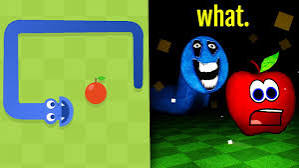
Google Snake represents the quintessential example of this genre. You control a snake represented by connected segments on a grid, moving in cardinal directions to consume food pellets. Eat a pellet, your snake grows longer. Hit yourself or the walls, you lose. That’s it. That’s the entire game. Yet within this framework exists a rich puzzle of planning, timing, and quick reflexes that can occupy hours of your attention.
The brilliance of grid-based design is how it removes distractions. No elaborate graphics, no story cutscenes, no complicated menus—just you, the grid, and the immediate challenge before you. This purity is precisely why games like Google Snake remain engaging even after you’ve played hundreds of rounds.
How Gameplay Mechanics Create Emergent Complexity
When you first start playing any grid-based arcade game, the learning curve is nearly flat. You learn the controls in seconds. What emerges over time is how the escalating difficulty creates genuine tension. In Snake, each food pellet consumed makes the next movement slightly more critical. Your growing snake occupies more of the available space, leaving fewer safe paths. The grid transforms from a spacious playground into an increasingly cramped maze of your own making.
This is where the real game lives. It’s not in mastering a single technique but in adapting to constantly shifting circumstances. Early on, you might play somewhat carelessly, trusting your reflexes. As your snake grows, tunnel vision becomes your enemy. You need to think two or three moves ahead, anticipating not just where you want to go, but leaving yourself an escape route if your initial path becomes blocked.
The scoring system reinforces this escalation. Each food consumed awards points, so longer snakes mean higher scores. This creates a psychological loop where risk and reward become intertwined. Do you pursue that food pellet in a tight corner, or play conservatively and grab an easier target? Every decision shapes your eventual outcome.
Strategies to Improve Your Performance
Getting better at grid-based arcade games requires adopting different approaches as difficulty increases. Here are some practical techniques worth trying:
Think in Boxes. Don’t just follow your impulses; visualize how your snake moves through space. Imagine the path ahead and the space behind you. This mental exercise helps you avoid the tunnel vision that causes most failures.
Control Speed, Not Just Direction. Many players move as fast as possible, assuming speed equals better performance. Actually, controlling your pace—making deliberate moves rather than rapid reactions—gives your brain time to process the grid state and plan ahead.
Plan Your Endgame. As your snake grows longer and space tightens, think about creating a path to victory. Some players excel at spiraling their snake to use space efficiently, while others prefer creating a secure home base and making careful excursions for food.
Stay Calm. This sounds abstract, but panic causes mistakes. When the grid fills up and pressure increases, slowing your breathing and focusing on the immediate next move prevents impulsive errors that end runs prematurely.
Practice in Short Sessions. Rather than playing until frustration sets in, take multiple brief sessions. This keeps your focus sharp and helps you notice when you’re making particular mistakes repeatedly.
Why These Games Endure
Grid-based arcade games occupy a unique niche in gaming. They’re not designed for storytelling or worldbuilding. They’re not trying to impress you with cutting-edge graphics or intricate mechanics. Instead, they’re refined to their absolute essence: a single core idea explored thoroughly.
This design philosophy creates remarkable staying power. A game you can learn in a minute but spend months mastering appeals to something fundamental in human nature. We enjoy challenges that feel fair, where our improvements come from practice and understanding rather than grinding or luck. We appreciate clarity of purpose and immediate feedback on our decisions.
Furthermore, these games are deeply replayable. Each session is self-contained. You don’t need to remember a complex story or maintain progress through a sprawling campaign. You start fresh, test yourself against the same mechanics, and walk away when done. This makes them perfect for fitting into genuine life rather than requiring life to fit around them.
Finding Your Own Grid-Based Adventure
Whether you’re revisiting a childhood favorite or discovering grid-based games for the first time, the invitation is the same: sit down, accept the simple rules, and see how far your skill and focus can take you. These games succeed not despite their simplicity but because of it.
The next time you need a quick mental break or a genuinely challenging game that respects your time, give a grid-based classic a try. You might be surprised at how quickly the minutes disappear and how satisfying it feels to beat your previous best score. Sometimes the most rewarding experiences come in the smallest packages.
0
Rate this business
Have you heard of this business? Do you like it? How do you like it?
Check out if it is in the list of Top Rated Small Businesses