Urban Streetwear Styles and Shirt Ideas for Casual Wear

Germany has become an exciting destination for modern streetwear, with cities such as Berlin, Hamburg, Munich, and Cologne offering distinctive approaches to urban fashion. From relaxed silhouettes to graphic-heavy designs, streetwear shirts have become an important part of everyday wardrobes. The appeal comes from their ability to combine comfort, individuality, and contemporary style without requiring an overly complicated outfit.

The Rise of Urban Streetwear in Germany

German streetwear has developed around a mix of practical clothing, creative expression, and international influences. Berlin, in particular, is known for its alternative fashion culture, where oversized shirts, casual trousers, sneakers, and statement hoodies frequently appear in everyday looks.

For a fresh urban wardrobe, graphic shirts can provide an easy starting point. Neutral colors such as black, white, grey, and beige work well throughout the year, while stronger shades can introduce personality during spring and summer. Choosing versatile shirts makes it easier to create different combinations without filling the wardrobe with unnecessary pieces.

Graphic Shirts That Create a Statement

A strong graphic design can transform a simple shirt into the focal point of an outfit. Modern streetwear often uses bold typography, artistic illustrations, automotive themes, vintage-inspired graphics, or minimalist symbols.

One trend gaining attention among younger fashion enthusiasts is need money for porsche. The phrase works particularly well as a graphic concept because it combines humor, ambition, and automotive culture in a visually recognizable way.

When styling a need money for porsche shirt, keep the rest of the outfit relatively simple. Straight-leg jeans, relaxed cargo trousers, and clean sneakers can allow the graphic to remain the main feature. This approach is especially suitable for casual city outings across Germany.

Choosing the Right Shirt Fit

Fit plays an important role in contemporary streetwear. Oversized shirts create a relaxed appearance and pair naturally with wide-leg trousers or loose denim. Regular-fit shirts offer greater versatility and can be worn with jeans, chinos, or shorts.

A need money for porsche t shirt can work with either silhouette depending on the desired aesthetic. An oversized version can create a more expressive Berlin-inspired outfit, while a regular cut can provide a cleaner everyday look.

Fabric quality should also be considered. Cotton remains a popular choice because it is comfortable and breathable. Heavier cotton can provide structure, making a graphic shirt look more substantial when layered beneath a jacket or overshirt.

Layering for German Weather

Germany experiences noticeable seasonal changes, so layering is an important part of building a practical streetwear wardrobe. During cooler months, shirts can be combined with bomber jackets, denim jackets, utility coats, or oversized hoodies.

The need money for porsche hoodie can add another layer of personality while keeping an outfit comfortable during colder city days. Pairing a graphic hoodie with simple trousers and understated footwear can create a balanced appearance without making the outfit feel excessively busy.

In autumn, a graphic shirt underneath a heavier jacket provides flexibility when temperatures change throughout the day. During winter, thermal layers can be added underneath without affecting the overall streetwear aesthetic.

Automotive Culture and Fashion

Cars and fashion have shared a strong relationship for decades. Automotive graphics can bring a sense of movement, nostalgia, and lifestyle to everyday clothing. This makes automotive-inspired streetwear particularly suitable for people who want their wardrobe to communicate an interest beyond traditional fashion.

The phrase brad pitt need money for porsche adds a pop-culture-inspired direction to this style. Used as a graphic concept, it can create an unusual conversation piece while fitting naturally into the broader world of playful streetwear designs.

Building a Versatile Streetwear Wardrobe

A successful urban wardrobe does not need dozens of shirts. A small collection of distinctive designs can provide plenty of styling possibilities. Start with versatile colors, then introduce graphic pieces that reflect personal interests.

For shoppers searching for an i need money for porsche shirt, styling options can range from casual denim combinations to layered outfits featuring jackets and hoodies. The key is to balance the statement graphic with understated basics.

Streetwear Beyond the Shirt

Although shirts can form the foundation of a streetwear outfit, accessories can complete the look. Caps, crossbody bags, simple watches, sunglasses, and contemporary sneakers can add subtle character without overwhelming the clothing.

Germany’s urban fashion scene also encourages experimentation. Instead of following one fixed style, wearers can combine vintage pieces with modern streetwear, athletic clothing with tailored items, or bold graphics with minimalist basics.

Final Thoughts

Streetwear shirts offer an accessible way to refresh an urban wardrobe while expressing individual interests and personality. In Germany, the combination of practical clothing, creative graphics, relaxed fits, and seasonal layering makes streetwear suitable for everyday city life.

Whether the inspiration comes from automotive culture, graphic art, music, or contemporary city fashion, the strongest outfits usually balance statement pieces with dependable basics. With the right fit, thoughtful layering, and a few distinctive designs, a fresh streetwear wardrobe can remain comfortable, versatile, and unmistakably personal.

speciality-exam

Strengthen your knowledge with a postgraduate medical exam revision platform offering structured questions and focused learning resources. license-medical.com supports medical professionals with exam-oriented revision materials designed to improve understanding and preparation for postgraduate medical examinations.


postgraduate medical exam revision platform


ADDRESS-1 THE QUADRANT EASTBOURNE BN212JU,United Kingdom


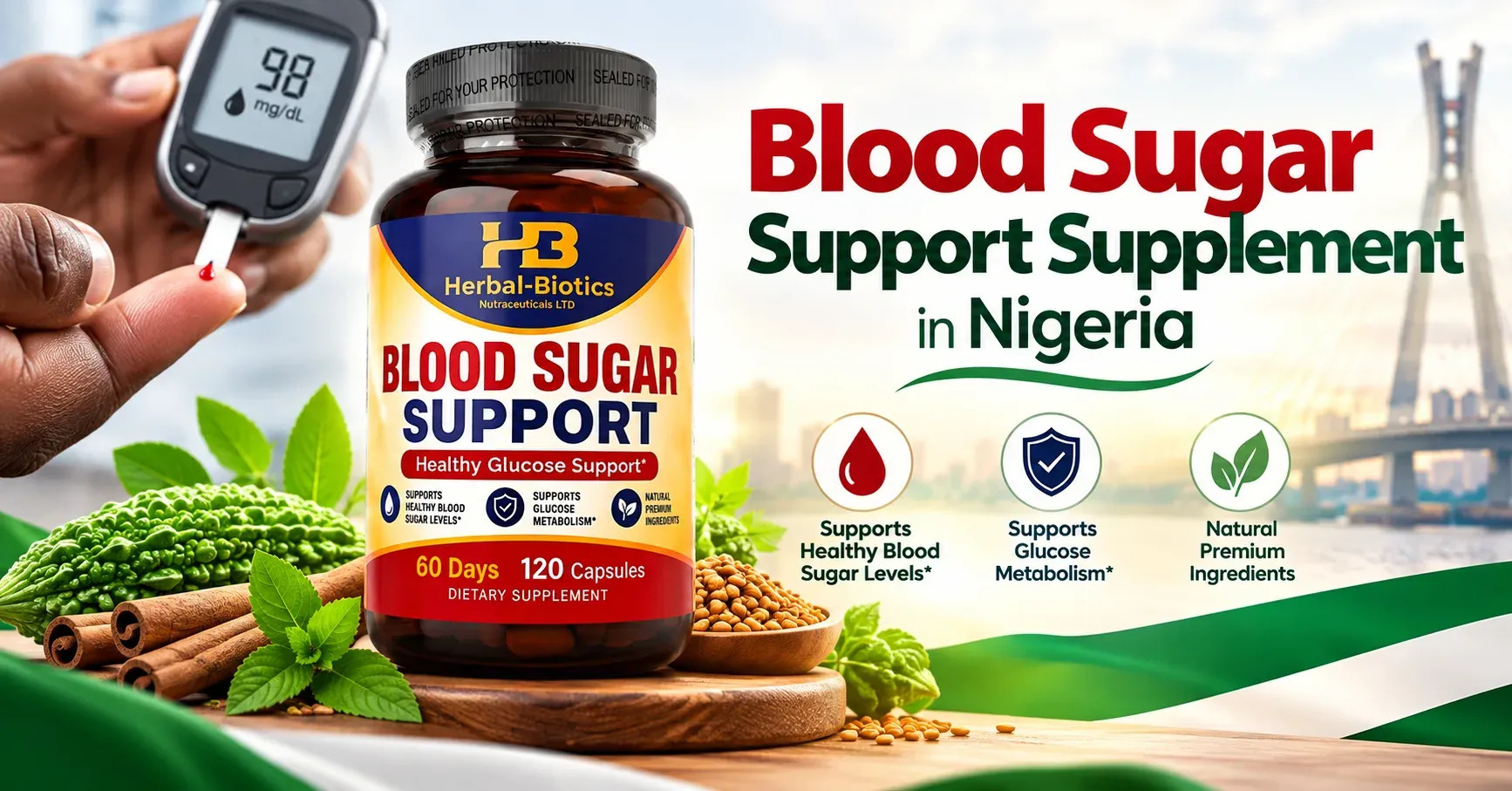
Is Blood Sugar Supplement Safety Important In Nigeria?

Blood sugar supplements are widely discussed by people who want to support healthy glucose levels, improve their overall wellness, or complement healthy lifestyle habits. In Nigeria, consumers may encounter many products marketed with claims about blood sugar balance, metabolic health, and natural support. However, choosing any supplement should involve careful consideration rather than relying only on advertising or product promises.

The question of blood sugar supplement safety is especially important because supplements can contain concentrated ingredients that may affect the body in different ways. Some products may also interact with medicines or may not be appropriate for people with certain health conditions. Understanding ingredients, dosage, product quality, and possible side effects can help consumers make more informed decisions.

For anyone considering a supplement, safety should come before convenience or marketing claims. A supplement should not automatically be considered safe simply because it is described as natural or herbal. This comprehensive guide explains why safety matters, what Nigerian consumers should consider, and how supplements can be approached responsibly.

Blood Sugar Supplements
Blood sugar supplements are products designed to provide nutritional or botanical ingredients that may support normal glucose metabolism. They are commonly sold as capsules, tablets, powders, liquids, or herbal preparations.

Different products can contain very different combinations of ingredients. Some may include vitamins and minerals, while others contain plant extracts or compounds traditionally associated with metabolic wellness.

The purpose of these products can also vary. Some are marketed for general wellness, while others specifically claim to support healthy blood glucose levels. Consumers should therefore read the product label carefully instead of assuming that all supplements work in the same way.

It is also important to distinguish supplements from medicines used to manage diabetes. A dietary supplement should not automatically be considered a replacement for prescribed treatment.

Why Blood Sugar Supplement Safety Matters
Blood glucose is closely connected with the body’s metabolism and energy systems. Products that influence glucose metabolism may therefore have effects beyond simple nutrition.

For someone who already takes medication for diabetes or another metabolic condition, adding a supplement without professional guidance could potentially change how glucose levels are managed. Depending on the ingredients, there may be concerns about excessively low blood sugar or other interactions.

This is one reason blood sugar supplement safety should be considered before purchasing or using any product.

Safety is also important because the quality of supplements can vary. Products purchased from unfamiliar sellers may have unclear ingredient information, questionable storage conditions, or inaccurate claims.

A responsible approach involves checking what the product contains, where it comes from, how it should be used, and whether it is suitable for the individual.

Checking the Ingredients Carefully
The ingredient list is one of the most important sections of a supplement label. Consumers should identify every active ingredient and understand its intended purpose before taking the product.

Some supplements contain several ingredients in relatively small amounts, while others use concentrated botanical extracts. The presence of multiple ingredients can make it more difficult to determine which component is responsible for an effect or side effect.

Consumers should also look for the amount of each ingredient rather than focusing only on the ingredient name. A product may contain a familiar botanical ingredient, but its concentration and preparation can differ significantly from another product.

If an ingredient is unfamiliar, it is reasonable to research it through reliable health information sources or discuss it with a qualified healthcare professional.

Natural Does Not Always Mean Risk-Free
The word “natural” is frequently used in supplement marketing. However, natural ingredients can still have biological effects.

Plants contain active compounds, and concentrated extracts can sometimes produce stronger effects than consuming the plant as part of an ordinary diet. Some botanical ingredients can also interact with medications or cause digestive, allergic, or other reactions.

Therefore, consumers should avoid assuming that an herbal or natural supplement is automatically harmless.

The same principle applies to vitamins and minerals. Although many nutrients are essential for normal health, taking excessive quantities can cause problems.

Understanding the dose is therefore just as important as understanding the ingredient.

The Importance of Dosage
Every supplement should be used according to its label directions unless a healthcare professional provides different instructions.

Taking more capsules than recommended does not necessarily produce better results. In some cases, excessive intake can increase the risk of unwanted effects.

Consumers should pay attention to serving size, frequency, and the amount of each active ingredient. It is also important to avoid combining multiple products that contain the same ingredient without checking their total intake.

For example, someone might use a multivitamin alongside a metabolic supplement without realizing that both products contain the same nutrient. Reviewing all supplements together can help prevent unnecessary duplication.

Considering Existing Health Conditions
Individual health circumstances matter when evaluating supplement use.

People who have diabetes, prediabetes, kidney problems, liver conditions, digestive disorders, allergies, or other chronic conditions should be especially careful when considering a new supplement.

Pregnant or breastfeeding individuals should also seek professional advice before using products containing concentrated herbs or other active ingredients.

Older adults may take several prescription medicines at the same time, making potential interactions particularly important to consider.

Rather than judging a supplement only by its general reputation, consumers should consider whether it is appropriate for their specific situation.

Possible Interactions With Medicines
One of the major reasons safety deserves attention is the possibility of interactions.

Some ingredients may influence blood glucose, blood pressure, blood clotting, digestion, or the way certain medicines are processed. When combined with prescription or over-the-counter medicines, these effects may sometimes become more significant.

A person using diabetes medication should not assume that a supplement can be added safely without consultation.

This does not mean that every supplement will cause an interaction. It means that the possibility should be considered, particularly when a person has an existing medical condition or takes regular medication.

A pharmacist, doctor, or other qualified healthcare professional can review the supplement ingredients and the individual’s current medicines.

Choosing Products From Reliable Sources
Where a supplement is purchased can affect the overall safety of the product.

Consumers should be cautious about products sold through unknown online sellers, informal marketplaces, or sources that provide little information about the manufacturer.

A reputable product should provide clear labeling, ingredient information, recommended serving instructions, manufacturer details, and appropriate storage information.

Consumers should also be cautious of products making dramatic promises. Statements suggesting that a supplement can completely control diabetes, replace medication, or produce guaranteed results should be treated carefully.

Marketing language is not the same thing as scientific evidence.

Checking Product Quality in Nigeria
Consumers in Nigeria should consider the regulatory status and labeling of health products before purchasing them.

Where applicable, buyers should look for relevant registration or authorization information and verify it through official Nigerian regulatory resources rather than relying solely on a seller’s statement.

The National Agency for Food and Drug Administration and Control, commonly known as NAFDAC, is Nigeria’s regulatory agency responsible for a range of regulated products, including foods, medicines, and related health products.

Checking official information can help consumers distinguish between properly documented products and items with unclear origins.

However, regulatory status should not be interpreted as a guarantee that a supplement will provide a particular health benefit. It is still important to understand the product’s ingredients and intended use.

Reading Labels Before Buying
A supplement label can provide useful information about how the product should be used.

Consumers should check the serving size, active ingredients, inactive ingredients, directions, warnings, storage instructions, manufacturer information, and expiration date.

A product with vague or incomplete labeling deserves additional caution.

Consumers should also avoid purchasing products with damaged packaging, missing seals, unusual odors, unclear expiration dates, or labels that appear altered.

Proper storage matters as well. Heat, moisture, and direct sunlight can affect certain products. In Nigeria’s warm climate, following the manufacturer’s storage instructions is particularly relevant.

Be Careful With Strong Health Claims
Supplement advertisements can sometimes make claims that sound more certain than the available evidence supports.

Phrases such as “guaranteed blood sugar control,” “permanent diabetes cure,” or “works without medication” should raise concerns.

Diabetes is a medical condition that may require ongoing professional management. A supplement should not be presented as a substitute for appropriate medical care.

Consumers should look for balanced information that explains what the product is intended to support rather than promises a guaranteed outcome.

A careful approach to blood sugar supplement safety means considering evidence, product quality, individual circumstances, and professional guidance together.

Supplements Should Complement Healthy Habits
A supplement should not be viewed as the foundation of blood sugar management.

Healthy lifestyle practices remain important for metabolic health. Depending on an individual’s circumstances, these may include eating a balanced diet, staying physically active, maintaining a healthy weight when appropriate, sleeping adequately, and attending recommended medical appointments.

For people living with diabetes, monitoring blood glucose and following a healthcare professional’s treatment plan are also important.

A supplement may be considered as part of an overall wellness approach, but it should not replace evidence-based medical care.

Recognizing Possible Side Effects
Even when a supplement is appropriately manufactured, some people may experience unwanted effects.

Depending on the ingredients, possible reactions may include stomach discomfort, nausea, diarrhea, constipation, headache, dizziness, or allergic symptoms.

A person should pay attention to changes that occur after starting a new product.

If a serious or unexpected reaction occurs, the supplement should be stopped and appropriate medical assistance should be sought. People taking medicines should also inform their healthcare professional about supplements they use.

Keeping a list of all supplements and medications can make it easier for healthcare professionals to identify potential problems.

Why Professional Guidance Can Help
A doctor or pharmacist can provide personalized advice based on a person’s health history, medication use, allergies, and nutritional needs.

This is particularly valuable for people already diagnosed with diabetes or another chronic condition.

A healthcare professional can also help consumers understand whether a supplement is necessary at all. In some cases, a person’s nutritional needs may be better addressed through diet or treatment of an underlying deficiency.

Professional guidance does not mean that every supplement is inappropriate. Instead, it provides a way to evaluate potential benefits and risks in the context of the individual’s health.

Questions to Ask Before Using a Supplement
Before purchasing a blood sugar supplement, consumers can consider several practical questions.

What ingredients does the product contain? What amount of each ingredient is provided? Who manufactured it? Is the packaging intact? Is there clear information about dosage and warnings? Is the product appropriately registered or documented where required? Could any ingredient interact with current medicines?

It is also worth asking whether the product is actually needed.

These questions encourage a more careful purchasing decision and reduce the chance of relying solely on advertising.

Conclusion
Blood sugar supplements may attract attention from Nigerian consumers seeking additional support for metabolic wellness, but safety should remain a central consideration. A responsible decision involves more than looking at the product name or reading promotional claims.

Consumers should examine ingredients, dosage, labeling, manufacturing information, storage conditions, and relevant regulatory details. They should also consider their own health conditions and medications before beginning a new supplement.

Most importantly, supplements should not be treated as automatic replacements for professional medical care. People managing diabetes or taking glucose-lowering medication should discuss new supplements with a qualified healthcare professional before using them.

Understanding blood sugar supplement safety can help consumers approach these products with greater awareness. By choosing carefully, following dosage instructions, recognizing possible side effects, and seeking professional guidance when necessary, individuals can make more informed decisions about whether a particular supplement fits their health needs.

FAQs
Is blood sugar supplement safety important for everyone?
Yes. Blood sugar supplement safety is important for anyone considering or using a supplement, although the level of concern may vary from person to person. Supplements can contain active ingredients that affect the body’s metabolism, digestion, or other processes. People with diabetes, those taking prescription medicines, older adults, pregnant individuals, and people with existing health conditions should be especially careful when introducing a new supplement.

Before using a product, it is helpful to review its ingredients, dosage, warnings, and manufacturer information. Speaking with a doctor or pharmacist can also help determine whether a particular supplement is suitable for an individual’s health situation and whether there may be potential interactions with medicines.

Can blood sugar supplements replace diabetes medication?
Blood sugar supplements should not automatically be used as replacements for prescribed diabetes medication. Medicines used to manage diabetes are selected according to an individual’s medical condition and treatment needs. Stopping, reducing, or replacing prescribed medication without professional guidance may result in poor blood glucose control and other health complications.

If someone is interested in adding a supplement to their existing routine, they should discuss it with a qualified healthcare professional first. A doctor or pharmacist can review the supplement’s ingredients, consider possible interactions, and explain whether it can reasonably be used alongside the person’s current treatment plan.

Are herbal blood sugar supplements always safe?
No. Herbal blood sugar supplements are not automatically safe simply because they contain ingredients that come from plants. Many herbs contain active compounds that can affect the body, and concentrated extracts may have stronger effects than the same plants consumed as ordinary foods. Some herbal ingredients may also cause digestive problems, allergic reactions, or interactions with certain medications.

Consumers should carefully check the ingredient list, dosage, warnings, manufacturer information, and product quality before using an herbal supplement. People with diabetes, chronic medical conditions, or regular medication use should consider discussing the product with a healthcare professional before taking it.

How can Nigerian consumers choose a safer blood sugar supplement?
Nigerian consumers can begin by purchasing supplements from reputable and trustworthy sources rather than relying on unknown sellers or products with unclear origins. The packaging should provide clear information about the ingredients, recommended dosage, manufacturer, expiration date, storage instructions, and relevant regulatory details. Consumers should also be cautious about products that make unrealistic promises or claim to provide guaranteed results.

It is also important to consider whether the supplement is appropriate for the individual’s health circumstances. Checking the ingredients against other supplements and medications can help prevent unnecessary duplication or potential interactions. When there is uncertainty, a doctor or pharmacist can provide personalized guidance before the product is used.

What should someone do if a supplement causes side effects?
If a person develops unexpected symptoms after starting a blood sugar supplement, they should take the reaction seriously. Depending on the symptoms, it may be appropriate to stop using the supplement and contact a healthcare professional for advice. Severe or rapidly developing symptoms require prompt medical attention rather than waiting for them to disappear.

Keeping the supplement packaging, ingredient list, and dosage information can be useful when speaking with a healthcare professional. This information can help identify what the person consumed and whether a particular ingredient may have contributed to the reaction. People taking medication should also mention the supplement to their doctor or pharmacist so possible interactions can be considered.

0

Is Blood Sugar Supplement Safety Important In Nigeria?

Blood sugar supplements are widely discussed by people who want to support healthy glucose levels, improve their overall wellness, or complement healthy lifestyle habits. In Nigeria, consumers may encounter many products marketed with claims about blood sugar balance, metabolic health, and natural support. However, choosing any supplement should involve careful consideration rather than relying only on advertising or product promises.

The question of (https://herbal-biotics.com/product/blood-sugar-support-supplement/) is especially important because supplements can contain concentrated ingredients that may affect the body in different ways. Some products may also interact with medicines or may not be appropriate for people with certain health conditions. Understanding ingredients, dosage, product quality, and possible side effects can help consumers make more informed decisions.

For anyone considering a supplement, safety should come before convenience or marketing claims. A supplement should not automatically be considered safe simply because it is described as natural or herbal. This comprehensive guide explains why safety matters, what Nigerian consumers should consider, and how supplements can be approached responsibly.

Blood Sugar Supplements
Blood sugar supplements are products designed to provide nutritional or botanical ingredients that may support normal glucose metabolism. They are commonly sold as capsules, tablets, powders, liquids, or herbal preparations.

Different products can contain very different combinations of ingredients. Some may include vitamins and minerals, while others contain plant extracts or compounds traditionally associated with metabolic wellness.

The purpose of these products can also vary. Some are marketed for general wellness, while others specifically claim to support healthy blood glucose levels. Consumers should therefore read the product label carefully instead of assuming that all supplements work in the same way.

It is also important to distinguish supplements from medicines used to manage diabetes. A dietary supplement should not automatically be considered a replacement for prescribed treatment.

Why Blood Sugar Supplement Safety Matters
Blood glucose is closely connected with the body’s metabolism and energy systems. Products that influence glucose metabolism may therefore have effects beyond simple nutrition.

For someone who already takes medication for diabetes or another metabolic condition, adding a supplement without professional guidance could potentially change how glucose levels are managed. Depending on the ingredients, there may be concerns about excessively low blood sugar or other interactions.

This is one reason blood sugar supplement safety should be considered before purchasing or using any product.

Safety is also important because the quality of supplements can vary. Products purchased from unfamiliar sellers may have unclear ingredient information, questionable storage conditions, or inaccurate claims.

A responsible approach involves checking what the product contains, where it comes from, how it should be used, and whether it is suitable for the individual.

Checking the Ingredients Carefully
The ingredient list is one of the most important sections of a supplement label. Consumers should identify every active ingredient and understand its intended purpose before taking the product.

Some supplements contain several ingredients in relatively small amounts, while others use concentrated botanical extracts. The presence of multiple ingredients can make it more difficult to determine which component is responsible for an effect or side effect.

Consumers should also look for the amount of each ingredient rather than focusing only on the ingredient name. A product may contain a familiar botanical ingredient, but its concentration and preparation can differ significantly from another product.

If an ingredient is unfamiliar, it is reasonable to research it through reliable health information sources or discuss it with a qualified healthcare professional.

Natural Does Not Always Mean Risk-Free
The word “natural” is frequently used in supplement marketing. However, natural ingredients can still have biological effects.

Plants contain active compounds, and concentrated extracts can sometimes produce stronger effects than consuming the plant as part of an ordinary diet. Some botanical ingredients can also interact with medications or cause digestive, allergic, or other reactions.

Therefore, consumers should avoid assuming that an herbal or natural supplement is automatically harmless.

The same principle applies to vitamins and minerals. Although many nutrients are essential for normal health, taking excessive quantities can cause problems.

Understanding the dose is therefore just as important as understanding the ingredient.

The Importance of Dosage
Every supplement should be used according to its label directions unless a healthcare professional provides different instructions.

Taking more capsules than recommended does not necessarily produce better results. In some cases, excessive intake can increase the risk of unwanted effects.

Consumers should pay attention to serving size, frequency, and the amount of each active ingredient. It is also important to avoid combining multiple products that contain the same ingredient without checking their total intake.

For example, someone might use a multivitamin alongside a metabolic supplement without realizing that both products contain the same nutrient. Reviewing all supplements together can help prevent unnecessary duplication.

Considering Existing Health Conditions
Individual health circumstances matter when evaluating supplement use.

People who have diabetes, prediabetes, kidney problems, liver conditions, digestive disorders, allergies, or other chronic conditions should be especially careful when considering a new supplement.

Pregnant or breastfeeding individuals should also seek professional advice before using products containing concentrated herbs or other active ingredients.

Older adults may take several prescription medicines at the same time, making potential interactions particularly important to consider.

Rather than judging a supplement only by its general reputation, consumers should consider whether it is appropriate for their specific situation.

Possible Interactions With Medicines
One of the major reasons safety deserves attention is the possibility of interactions.

Some ingredients may influence blood glucose, blood pressure, blood clotting, digestion, or the way certain medicines are processed. When combined with prescription or over-the-counter medicines, these effects may sometimes become more significant.

A person using diabetes medication should not assume that a supplement can be added safely without consultation.

This does not mean that every supplement will cause an interaction. It means that the possibility should be considered, particularly when a person has an existing medical condition or takes regular medication.

A pharmacist, doctor, or other qualified healthcare professional can review the supplement ingredients and the individual’s current medicines.

Choosing Products From Reliable Sources
Where a supplement is purchased can affect the overall safety of the product.

Consumers should be cautious about products sold through unknown online sellers, informal marketplaces, or sources that provide little information about the manufacturer.

A reputable product should provide clear labeling, ingredient information, recommended serving instructions, manufacturer details, and appropriate storage information.

Consumers should also be cautious of products making dramatic promises. Statements suggesting that a supplement can completely control diabetes, replace medication, or produce guaranteed results should be treated carefully.

Marketing language is not the same thing as scientific evidence.

Checking Product Quality in Nigeria
Consumers in Nigeria should consider the regulatory status and labeling of health products before purchasing them.

Where applicable, buyers should look for relevant registration or authorization information and verify it through official Nigerian regulatory resources rather than relying solely on a seller’s statement.

The National Agency for Food and Drug Administration and Control, commonly known as NAFDAC, is Nigeria’s regulatory agency responsible for a range of regulated products, including foods, medicines, and related health products.

Checking official information can help consumers distinguish between properly documented products and items with unclear origins.

However, regulatory status should not be interpreted as a guarantee that a supplement will provide a particular health benefit. It is still important to understand the product’s ingredients and intended use.

Reading Labels Before Buying
A supplement label can provide useful information about how the product should be used.

Consumers should check the serving size, active ingredients, inactive ingredients, directions, warnings, storage instructions, manufacturer information, and expiration date.

A product with vague or incomplete labeling deserves additional caution.

Consumers should also avoid purchasing products with damaged packaging, missing seals, unusual odors, unclear expiration dates, or labels that appear altered.

Proper storage matters as well. Heat, moisture, and direct sunlight can affect certain products. In Nigeria’s warm climate, following the manufacturer’s storage instructions is particularly relevant.

Be Careful With Strong Health Claims
Supplement advertisements can sometimes make claims that sound more certain than the available evidence supports.

Phrases such as “guaranteed blood sugar control,” “permanent diabetes cure,” or “works without medication” should raise concerns.

Diabetes is a medical condition that may require ongoing professional management. A supplement should not be presented as a substitute for appropriate medical care.

Consumers should look for balanced information that explains what the product is intended to support rather than promises a guaranteed outcome.

A careful approach to blood sugar supplement safety means considering evidence, product quality, individual circumstances, and professional guidance together.

Supplements Should Complement Healthy Habits
A supplement should not be viewed as the foundation of blood sugar management.

Healthy lifestyle practices remain important for metabolic health. Depending on an individual’s circumstances, these may include eating a balanced diet, staying physically active, maintaining a healthy weight when appropriate, sleeping adequately, and attending recommended medical appointments.

For people living with diabetes, monitoring blood glucose and following a healthcare professional’s treatment plan are also important.

A supplement may be considered as part of an overall wellness approach, but it should not replace evidence-based medical care.

Recognizing Possible Side Effects
Even when a supplement is appropriately manufactured, some people may experience unwanted effects.

Depending on the ingredients, possible reactions may include stomach discomfort, nausea, diarrhea, constipation, headache, dizziness, or allergic symptoms.

A person should pay attention to changes that occur after starting a new product.

If a serious or unexpected reaction occurs, the supplement should be stopped and appropriate medical assistance should be sought. People taking medicines should also inform their healthcare professional about supplements they use.

Keeping a list of all supplements and medications can make it easier for healthcare professionals to identify potential problems.

Why Professional Guidance Can Help
A doctor or pharmacist can provide personalized advice based on a person’s health history, medication use, allergies, and nutritional needs.

This is particularly valuable for people already diagnosed with diabetes or another chronic condition.

A healthcare professional can also help consumers understand whether a supplement is necessary at all. In some cases, a person’s nutritional needs may be better addressed through diet or treatment of an underlying deficiency.

Professional guidance does not mean that every supplement is inappropriate. Instead, it provides a way to evaluate potential benefits and risks in the context of the individual’s health.

Questions to Ask Before Using a Supplement
Before purchasing a blood sugar supplement, consumers can consider several practical questions.

What ingredients does the product contain? What amount of each ingredient is provided? Who manufactured it? Is the packaging intact? Is there clear information about dosage and warnings? Is the product appropriately registered or documented where required? Could any ingredient interact with current medicines?

It is also worth asking whether the product is actually needed.

These questions encourage a more careful purchasing decision and reduce the chance of relying solely on advertising.

Conclusion
Blood sugar supplements may attract attention from Nigerian consumers seeking additional support for metabolic wellness, but safety should remain a central consideration. A responsible decision involves more than looking at the product name or reading promotional claims.

Consumers should examine ingredients, dosage, labeling, manufacturing information, storage conditions, and relevant regulatory details. They should also consider their own health conditions and medications before beginning a new supplement.

Most importantly, supplements should not be treated as automatic replacements for professional medical care. People managing diabetes or taking glucose-lowering medication should discuss new supplements with a qualified healthcare professional before using them.

Understanding blood sugar supplement safety can help consumers approach these products with greater awareness. By choosing carefully, following dosage instructions, recognizing possible side effects, and seeking professional guidance when necessary, individuals can make more informed decisions about whether a particular supplement fits their health needs.

FAQs
Is blood sugar supplement safety important for everyone?
Yes. Blood sugar supplement safety is important for anyone considering or using a supplement, although the level of concern may vary from person to person. Supplements can contain active ingredients that affect the body’s metabolism, digestion, or other processes. People with diabetes, those taking prescription medicines, older adults, pregnant individuals, and people with existing health conditions should be especially careful when introducing a new supplement.

Before using a product, it is helpful to review its ingredients, dosage, warnings, and manufacturer information. Speaking with a doctor or pharmacist can also help determine whether a particular supplement is suitable for an individual’s health situation and whether there may be potential interactions with medicines.

Can blood sugar supplements replace diabetes medication?
Blood sugar supplements should not automatically be used as replacements for prescribed diabetes medication. Medicines used to manage diabetes are selected according to an individual’s medical condition and treatment needs. Stopping, reducing, or replacing prescribed medication without professional guidance may result in poor blood glucose control and other health complications.

If someone is interested in adding a supplement to their existing routine, they should discuss it with a qualified healthcare professional first. A doctor or pharmacist can review the supplement’s ingredients, consider possible interactions, and explain whether it can reasonably be used alongside the person’s current treatment plan.

Are herbal blood sugar supplements always safe?
No. Herbal blood sugar supplements are not automatically safe simply because they contain ingredients that come from plants. Many herbs contain active compounds that can affect the body, and concentrated extracts may have stronger effects than the same plants consumed as ordinary foods. Some herbal ingredients may also cause digestive problems, allergic reactions, or interactions with certain medications.

Consumers should carefully check the ingredient list, dosage, warnings, manufacturer information, and product quality before using an herbal supplement. People with diabetes, chronic medical conditions, or regular medication use should consider discussing the product with a healthcare professional before taking it.

How can Nigerian consumers choose a safer blood sugar supplement?
Nigerian consumers can begin by purchasing supplements from reputable and trustworthy sources rather than relying on unknown sellers or products with unclear origins. The packaging should provide clear information about the ingredients, recommended dosage, manufacturer, expiration date, storage instructions, and relevant regulatory details. Consumers should also be cautious about products that make unrealistic promises or claim to provide guaranteed results.

It is also important to consider whether the supplement is appropriate for the individual’s health circumstances. Checking the ingredients against other supplements and medications can help prevent unnecessary duplication or potential interactions. When there is uncertainty, a doctor or pharmacist can provide personalized guidance before the product is used.

What should someone do if a supplement causes side effects?
If a person develops unexpected symptoms after starting a blood sugar supplement, they should take the reaction seriously. Depending on the symptoms, it may be appropriate to stop using the supplement and contact a healthcare professional for advice. Severe or rapidly developing symptoms require prompt medical attention rather than waiting for them to disappear.

Keeping the supplement packaging, ingredient list, and dosage information can be useful when speaking with a healthcare professional. This information can help identify what the person consumed and whether a particular ingredient may have contributed to the reaction. People taking medication should also mention the supplement to their doctor or pharmacist so possible interactions can be considered.

0

Laser Skin Care Solutions

Laser Skin Care Solutions provides advanced, personalized aesthetic treatments designed to help clients achieve healthier, more radiant skin. Led by experienced professionals, the practice offers laser treatments, acne care, injectables, body contouring, microneedling, laser hair removal, PRP therapy, and more. With a focus on safety, innovation, and customized care, Laser Skin Care Solutions delivers proven results that enhance confidence and support long-term skin wellness in a welcoming, patient-centered environment.

Address: 60 Dedham Ave Ste. 101,Needham,MA 02492,United States
Phone No.: +1 781 455 6250
Email: info@laserskincaresolutions.com
Visit: https://laserskincaresolutions.com/

0

Cryo Stay Young Eastland

Cryo Stay Young Eastland is a modern wellness and recovery space located in Eastland Shopping Centre, Ringwood. Known for offering some of the best cryotherapy in Eastland Ringwood, we provide science-backed treatments designed to improve recovery, boost performance, enhance beauty, and support overall wellbeing. Our cryotherapy treatment in ringwood services use advanced, TGA-approved technology to deliver safe, effective, and personalised experiences for anyone looking to feel, look, and perform at their best.


Address : Eastland Shopping Ctr ne, Gate 7 Near Coles, Opposite Elite supplement, Level 1,Shop 1066/171-175 Maroondah Hwy, Ringwood , Australia, VIC 3134

Contact us : 61382029032


Remittance Software – Enter the Global Money Transfer Market

Enter the global money transfer business with Hivelance’s sophisticated Remittance Software. Our platform, designed for startups, FinTech companies, payment providers, and enterprises, simplifies the process of starting and administering a contemporary cross-border payment business. Hivelance, a reputable Remittance Software development company, offers technology built for secure, scalable, and efficient money transfers.

Key features include:

  • Global money transfer support
  • Multi-country operations
  • 100+ fiat currencies
  • KYC and AML management
  • Secure transaction processing
  • Real-time transfer monitoring
  • Automated exchange-rate management
  • Multiple payment integrations
  • Powerful admin dashboard
  • Transaction reporting and analytics

Create a branded money transfer app while managing users, transactions, currencies, and operations from a centralized platform. Our software can help you establish a strong technology foundation for expanding into new markets.

Ready to explore your remittance business opportunity? Connect with Hivelance today and request our readymade demo.

Call/WhatsApp – +918438595928
Telegram – HiveLance
https://www.hivelance.com/remittance-software-development

0

How to Compete With Big Brands | How to Stand Out From Competitors

How to Compete With Big Brands and Stand Out From Competitors

Introduction 🚀
There is a moment every small business owner experiences sooner or later.

You look at a competitor and think:

“They have a bigger team.”

“They have a bigger marketing budget.”

“They have a better-known brand.”

“They are everywhere.”

And then comes the difficult question:

“How can my business compete with them?” 🤔

It is easy to assume that a larger company automatically has an advantage.

They may have more money to spend on advertising. They may have hundreds of employees. They may have multiple offices, bigger distribution networks and years of brand recognition.

But size is not the only thing customers notice.

A customer also remembers how quickly you responded.

They remember whether someone actually listened to them.

They remember whether you solved their problem.

They remember whether dealing with your business felt easy. ❤️

That creates an opportunity for small businesses.

You do not necessarily have to become bigger than your competitor.

You need to become more relevant to the customer you are trying to serve. 🎯

And that changes the question from:

“How do I beat the big brand?”

to:

“Why should my ideal customer choose me?”

This guide will teach you:
✔️ How to compete with big brands without copying their entire strategy
✔️ How to identify what makes your business different 🎯
✔️ How to stand out from competitors in a crowded market
✔️ How customer experience can become a competitive advantage ❤️
✔️ How AI and technology can help smaller businesses compete more efficiently 🤖
✔️ How to turn differentiation into a practical business system 📈


How Coach Sushil Arora Helps Business Owners Identify Their Real Competitive Advantage 🎯
Before telling a business owner how to compete, Coach Sushil Arora focuses on understanding what the business can genuinely do better or differently for its customers.

This is important because many businesses start by copying competitors.

A competitor launches a discount.

You launch a discount.

They start posting reels.

You start posting reels.

They introduce a new service.

You introduce the same service.

Soon, everyone looks similar.

And when businesses look similar, customers often compare them mainly on price. 💸

A better starting point is to understand your own business.

What do customers actually appreciate about you?

Maybe your response time is faster.

Maybe you provide more personalised service.

Maybe you understand a particular industry extremely well.

Maybe your team is easier to reach.

Maybe you solve a specific problem that larger companies treat as too small to prioritise.

Coach Sushil Arora’s approach begins with questions such as:

🔹 Who is your ideal customer?
🔹 What problem are you solving for them?
🔹 Why do existing customers choose you?
🔹 Where are competitors stronger?
🔹 Where can your business create a meaningful difference?
🔹 What can you consistently deliver better?

👉 You cannot build a strong competitive position until you understand what makes your business valuable in the first place.


What Does It Mean to Compete With Big Brands? 🏢 vs 🏪
How to compete with big brands does not mean trying to imitate everything they do.

A small business usually cannot—and does not need to—match a large company’s advertising budget, employee count or physical presence.

Instead, you can compete through areas where size does not automatically create an advantage.

For example:

✔️ Personal attention
✔️ Faster communication
✔️ Specialist knowledge
✔️ Flexibility
✔️ Local understanding
✔️ Faster decision-making
✔️ Stronger relationships
✔️ More customised solutions

Think about a customer who has a complicated problem.

They may not want to feel like ticket number 4,827.

They may want to speak to someone who understands their situation.

That is where a smaller business can create a different experience. 🤝


How to Stand Out From Competitors 🎯
If you are wondering how to stand out from competitors, start by answering one uncomfortable question:

“If my business disappeared tomorrow, what would my customers genuinely miss?”

If the answer is unclear, your differentiation may also be unclear.

Standing out does not necessarily mean doing something dramatic.

Sometimes it means doing something important consistently better.

1. Own a Specific Position 🧠
Being “the best” is difficult to communicate.

Being the specialist for a particular customer or problem is often clearer.

Instead of:

“We provide business solutions.”

A more specific position might focus on:

“We help manufacturing businesses simplify a particular operational problem.”

The second statement gives the customer something concrete to understand.


2. Build a Recognisable Customer Experience ❤️
Your brand is not only your logo.

It is also how customers experience your business.

How quickly do you answer?

How clearly do you communicate?

What happens after the sale?

How do you handle complaints?

Do customers have to repeat the same information to three different people?

These details matter.

A memorable experience can become part of your competitive advantage.


3. Become Known for One Thing 🎯
A business does not always need to communicate ten different strengths.

Sometimes one clear association is more powerful.

Think:

“If someone has this particular problem, I know exactly who to call.”

That is valuable brand positioning.


4. Tell Your Real Story 📖
Large companies often have polished branding.

Small businesses have something else: access to the people behind the business.

Share:

👤 Why you started
💡 What you have learned
🤝 Customer experiences
🏆 Milestones
🚧 Mistakes and lessons
🎯 What you believe about your industry

People may discover your business because of a product.

They can become loyal because they understand the people behind it.


How Small Businesses Can Compete on Value Instead of Price 💡
One of the biggest dangers in a competitive market is entering a price war.

If your only message is:

“We are cheaper.”

someone else can become cheaper tomorrow.

Instead, explain the value behind your price.

For example:

Price → What does the customer actually receive?

Maybe you offer faster support.

Maybe installation is included.

Maybe you provide training.

Maybe your solution reduces future problems.

Maybe you understand the customer’s industry better.

👉 Price is one part of value. It is not the entire value proposition.


How Coach Sushil Arora Turns a Competitive Problem Into a Practical Business Strategy ⚙️
Once the competitive problem is understood, Coach Sushil Arora focuses on turning the identified advantage into something the business can consistently deliver.

Suppose a small company discovers that customers particularly value its fast response time.

That insight should not remain a sentence in a strategy document.

It can become a system.

For example:

Customer enquiry → AI identifies enquiry type → Lead information captured → Salesperson notified → Response template prepared → Human reviews → Customer contacted → Follow-up scheduled → Performance tracked

Now the competitive advantage—fast response—is supported by a process. ⚙️

The same idea can apply to personalised service.

Customer history → AI summarises previous interactions → Employee sees customer context → Personalised conversation → Follow-up recorded → Next interaction prepared

AI is not the competitive advantage by itself.

The advantage is the customer experience the system helps deliver. 🤖❤️

👉 Technology becomes valuable when it strengthens something customers already value.


How AI Can Help Small Businesses Compete With Larger Companies 🤖
AI can reduce some of the operational disadvantages smaller businesses face.

A small team can use AI to support:

📞 Lead qualification
💬 Customer communication
📊 Business reporting
✍️ Content creation
🔎 Market research
⚙️ Workflow automation
📝 Meeting summaries
📈 Sales analysis
👥 Internal employee support

This does not mean a small business suddenly has the resources of a large corporation.

It means a small team can potentially use technology to reduce repetitive work and respond more efficiently.

For example, imagine a five-person sales team.

Instead of manually preparing every lead summary, AI can help organise incoming information.

Instead of managers asking for updates throughout the day, a dashboard can show current sales activity.

Instead of employees spending time searching through documents, an internal AI assistant can help locate relevant information.

⏱️ The time saved can then be used for customers, sales and business development.


🚨 Common Mistakes When Trying to Compete With Big Brands
1. Trying to Copy Everything
A small business cannot—and should not—copy a large company’s entire strategy.

Find your own advantage.

2. Competing Only on Price 💸
Constant discounting can make it difficult to communicate any other form of value.

3. Being Everything to Everyone
A broad message can become forgettable.

Specificity can make positioning clearer.

4. Ignoring Customer Experience ❤️
A strong advertisement may bring the customer in.

A poor experience can send them away.

5. Using Technology Without Strategy 🤖
Adding AI tools will not automatically differentiate a business.

Technology needs to support a clear customer or operational advantage.


What Can Make a Small Business More Competitive? 📈
A strong competitive position can come from several areas:

✔️ Specialist expertise
✔️ Faster service ⚡
✔️ Better communication
✔️ Personalised attention
✔️ Easier buying experience
✔️ Strong customer relationships
✔️ Local knowledge
✔️ Flexible solutions
✔️ Consistent quality
✔️ Better use of technology

The important part is consistency.

If you promise fast service but respond slowly, the positioning means very little.

If you promise personalised service but treat every customer identically, customers will notice.

👉 Your competitive advantage must be visible in the actual customer experience.


Who Should Think About Competitive Positioning? 👥
This is particularly relevant for:

● Small business owners
● MSMEs
● Local businesses 🏪
● Manufacturers 🏭
● Retailers 🛍️
● Professional service providers
● Family-owned businesses
● Businesses entering crowded markets
● Companies competing against larger established brands

The question is not whether you are small.

The question is whether your customer has a clear reason to choose you.


How to Build a Stronger Competitive Position 🎯
Before changing your marketing, ask:

✔️ Who is our ideal customer?
✔️ What problem matters most to them?
✔️ Why do current customers choose us?
✔️ What do competitors do better?
✔️ What can we realistically do better?
✔️ What can we become known for?
✔️ Can our team consistently deliver that promise?
✔️ Can technology help us deliver it more efficiently? 🤖

Then test the positioning with real customers.

Listen to how they describe your business.

Sometimes the strongest differentiator is something you never thought to advertise.


How Coach Sushil Arora Helps Implement, Measure and Improve the Competitive Strategy 📊🚀
A competitive strategy only matters when the business can deliver it consistently and customers can actually feel the difference.

That is why implementation comes after identification and strategy.

First, the team needs clarity. 👥

Everyone should understand what the business wants to be known for and how that promise should appear in everyday customer interactions.

Then the business needs systems. ⚙️

If fast response is the competitive advantage, create a lead-response process.

If personalised service is the advantage, make customer information easy for employees to access.

If specialist knowledge is the advantage, build systems that help the team share and use that knowledge.

Then comes measurement. 📊

Depending on the strategy, useful measures could include:

🔹 Response time
🔹 Customer retention
🔹 Repeat purchases
🔹 Conversion rate
🔹 Customer feedback
🔹 Referral activity
🔹 Lead-to-sale conversion
🔹 Customer complaints

Finally, improve. 🔄

Customer expectations change.

Competitors change.

Technology changes.

Your business should learn from customer feedback and performance data and adjust when necessary.

👉 The goal is not to find one permanent trick for beating competitors. It is to build a business that understands its customers and keeps improving the value it provides.


FAQs 💬
1. Can a small business really compete with a large brand?
Yes. Competition does not always happen on size or advertising budget. Small businesses can differentiate through specialisation, service, relationships, flexibility and customer experience.

2. How can I stand out if many businesses offer the same product?
Focus on a specific customer problem, a clear value proposition and an experience you can consistently deliver.

3. Should a small business compete on price?
Price can be part of a strategy, but relying only on lower prices can make differentiation difficult. Consider the broader value customers receive.

4. Can AI help a small business compete with larger companies?
AI can support areas such as customer communication, sales processes, reporting, content, research and repetitive operations.

5. How do I find my competitive advantage?
Talk to customers, study your current performance, examine competitors and identify what your business can consistently deliver well.

6. Does standing out mean being completely different?
Not necessarily. You can stand out by delivering something important more consistently, clearly or effectively.

7. How long does it take to build a strong position?
There is no fixed timeline. Positioning develops through consistent delivery, customer experience, communication and continuous learning.


Conclusion 🎯
So, how to compete with big brands is not about becoming a smaller version of a large company.

And how to stand out from competitors is not about shouting louder than everyone else.

It starts with understanding your customer. 👥

Then identifying what your business can genuinely do differently.

Then building systems that allow your team to deliver that difference consistently.

That could mean:

✔️ Faster service ⚡
✔️ Better expertise 🧠
✔️ More personal attention ❤️
✔️ Easier communication 💬
✔️ Better customer experience 🤝
✔️ Smarter technology 🤖
✔️ More consistent execution ⚙️

A large company may have more resources.

But a small business can still create something powerful: a customer experience that feels personal, relevant and worth coming back to.

👉 You do not always need to become bigger than your competitor. You need to become more valuable to the customer you want to serve.

Take the Next Step 🚀
Look at your business today and ask:

What would make a customer choose us when a bigger brand is available? 🤔

If you can answer that clearly—and build your business around delivering it—you have the foundation for stronger differentiation.

If you’d like to explore:

✔️ How to identify your business’s competitive advantage
✔️ How AI and automation can strengthen your customer experience
✔️ How to build practical systems for sustainable growth

👉 Visit https://sushilarora.com/

Big brands may have scale. Your opportunity is to build relevance, relationships and a reason for customers to remember you. 🚀🤝

0

How to Build AI Workflows | Automate Repetitive Business Tasks

How to Build AI Workflows and Automate Repetitive Business Tasks (Practical Guide to Smarter Business Operations)
Introduction🤖
There is a point in almost every growing business when the owner starts noticing the same thing.

The team is busy.

Everyone is working.

Yet somehow, the owner is still answering the same questions every day.

“Did we follow up with this customer?”

“Has the quotation gone?”

“Who is handling this enquiry?”

“Can you send me today’s sales report?”

“Did anyone remind the customer about the payment?”

And then there are the little jobs nobody talks about.

Copying names from WhatsApp into Excel.
Moving data from one sheet to another.
Preparing the same report every evening.
Sending reminders.
Checking whether someone completed a task.
Writing the same type of customer response for the twentieth time.

None of these tasks sounds like a major problem.

Put them together, though, and they can quietly consume a large part of the working day. ⏱️

This is where AI workflows become interesting.

Not because a business needs another fancy AI tool.

But because the way information moves through a business can often be made much simpler.

Imagine a customer sends an enquiry.

Instead of someone manually reading it, copying the details, opening the CRM, creating a lead, informing the salesperson and remembering to schedule a follow-up, a workflow can handle much of that movement automatically.

The customer sends the message. 💬
AI understands it. 🤖
The lead is created.
The right salesperson gets notified.
A follow-up is scheduled.
The manager can see what happened. 📊

That is the real opportunity.

In this guide, we’ll look at:

✔️ What an AI workflow actually means
✔️ How to identify processes worth automating
✔️ How to build AI workflows from a real business problem
✔️ How to automate repetitive business tasks without creating unnecessary complexity
✔️ Where AI should and should not be involved
✔️ How to test, measure and improve an automation

How Coach Sushil Arora Helps Business Owners Find the Right Process Before Introducing AI 🎯
When a business owner tells me, “I want to automate my business,” I don’t think the first conversation should be about software.

I’d rather understand the business first.

What happens every day?

Where does the team spend time?

Which tasks keep coming back?

Where does information get lost?

Where does the owner have to step in?

And perhaps the most useful question:

“What work are your people doing repeatedly that doesn’t really require their full attention?”

That’s where the opportunities start appearing.

Take a simple example.

A company has six salespeople.

Every evening, each salesperson sends an update to the sales manager. One sends a WhatsApp message. Another sends a voice note. Someone updates Excel. Another simply calls.

The manager then spends an hour putting everything together.

You could immediately say, “Let’s add AI.”

But there is a more basic problem.

There isn’t one consistent reporting process.

So the first step isn’t AI.

The first step is fixing the process.

Once the process is clear, then AI and automation can make it faster.

👉 Good automation starts with understanding the business, not with choosing the latest AI tool.

What Is an AI Workflow? 🤖⚙️
An AI workflow is simply a series of connected actions where software and AI help information move from one step to the next.

Think of it as a digital version of the way work normally happens inside an office.

For example:

A customer sends:

“I need 200 pieces. Please send me the price and delivery time.”

A person reading that message understands quite a lot.

They know it is a sales enquiry.

They know the quantity.

They know the customer wants pricing.

They know delivery time matters.

An AI workflow can help extract that information and pass it to the next stage.

So instead of:

Message → Person reads → Person copies details → Person updates CRM → Person informs sales → Person remembers follow-up

you could have:

Message → AI understands → CRM updated → Salesperson notified → Follow-up created

That’s a workflow.

And notice something important.

AI isn’t doing everything.

It is simply taking care of the parts where a machine is useful, while people continue handling the parts where experience and judgment matter.

How to Build AI Workflows Starting With a Real Business Problem 🛠️
The easiest way to make AI workflows complicated is to start by asking:

“What can this AI tool do?”

Start somewhere else.

Ask:

“What is happening repeatedly in my business that should be easier?”

1. Pick One Repetitive Process 🔍
Don’t try to automate everything.

Pick one process.

Maybe it is:

New lead entry
Sales follow-up
Customer complaints
Daily reporting
Invoice reminders
Meeting notes
Employee updates
Choose something that happens often enough to matter.

2. Write Down What Happens Today
Let’s say you want to improve lead management.

Write the process exactly as it happens.

Customer enquiry comes in.

↓

Someone reads it.

↓

Customer details are copied.

↓

Lead is added to CRM.

↓

Salesperson is informed.

↓

Salesperson calls customer.

↓

Follow-up date is remembered.

↓

Manager checks whether it happened.

Seeing the process written down can be surprisingly useful.

You may discover that the actual problem isn’t where you thought it was.

3. Find the Bottleneck 🚨
Now ask:

Where does the process slow down?

Maybe employees spend too much time entering information.

Maybe leads are sitting unanswered.

Maybe salespeople forget follow-ups.

Maybe the manager spends too much time checking everyone else’s work.

The bottleneck tells you where to focus.

4. Separate Automation From AI 🧠
This is an important distinction.

Some tasks don’t need AI at all.

For example:

“When a form is submitted, add the information to Google Sheets.”

That’s ordinary automation.

But:

“Read this customer’s message and identify whether they are asking for a quotation, reporting a complaint or requesting support.”

That’s where AI becomes useful.

A simple way to think about it:

👉 Automation follows instructions. AI helps interpret information.

Many good business workflows use both.

5. Decide Where a Person Should Stay Involved 👥
Don’t remove human judgment just because technology makes it possible.

For example:

AI prepares a reply → employee reviews it → employee sends it.

Or:

AI analyzes a lead → salesperson decides how to approach the customer.

This gives the business speed without giving up control.

6. Test With Real Situations 🧪
A workflow that looks perfect on paper may behave differently with real data.

Test unusual cases.

What happens if the customer doesn’t provide a phone number?

What if the same customer sends two messages?

What if the message contains two different requirements?

What if the AI misunderstands something?

These situations matter.

A reliable workflow needs a plan for the messy cases, not just the easy ones.

How to Automate Repetitive Business Tasks Without Making Your Team Feel Like Robots ⚙️
The goal of automation isn’t to make employees sit around while software does everything.

It is to stop people spending their best working hours on work that doesn’t need much human thinking.

Consider a sales employee.

If they spend 90 minutes every day:

Updating spreadsheets
Copying customer information
Checking reminders
Preparing routine reports
that’s 90 minutes they aren’t spending with customers.

Now imagine the repetitive part is handled automatically.

The employee still talks to customers.

Still negotiates.

Still builds relationships.

Still closes deals.

But the administrative work around those activities becomes lighter.

That’s a much healthier use of automation.

Automation Of Repetition Business Processes. Keep the relationship. 🤝

Where Repetitive Business Work Usually Hides 👀
Sometimes the best automation opportunities aren’t obvious.

Look at what happens around the actual job.

Sales 📈
Salespeople may spend time:

✔️ Entering leads
✔️ Updating CRM records
✔️ Sending follow-up reminders
✔️ Preparing basic reports
✔️ Writing repetitive messages

These are worth examining.

Customer Service 💬
Support teams may repeatedly:

✔️ Read similar questions
✔️ Categorize complaints
✔️ Assign tickets
✔️ Send standard responses
✔️ Update customer records

AI can help with classification, summaries and draft responses.

Management 📊
Managers often spend time:

✔️ Collecting updates
✔️ Combining reports
✔️ Chasing pending tasks
✔️ Checking numbers
✔️ Finding exceptions

A good workflow can bring the important information together.

HR 👥
Recruitment and employee administration can involve:

✔️ Sorting applications
✔️ Extracting candidate information
✔️ Scheduling interviews
✔️ Preparing summaries
✔️ Sending reminders

Again, AI doesn’t have to make the final decision.

It can simply reduce the administrative workload around it.

A Simple Example: Turning a Customer Enquiry Into an AI Workflow 🚀
Let’s take a common situation.

A customer sends a WhatsApp message:

“I need 500 units. Please tell me your best price and delivery time.”

Without a Workflow
Employee reads message.

Then copies the number.

Opens the CRM.

Creates a lead.

Adds the requirement.

Messages the salesperson.

Salesperson sees the message later.

Someone remembers to follow up.

The manager checks the lead the next day.

That’s a lot of movement for one enquiry.

With an AI-Assisted Workflow
Customer sends message 💬

↓

AI reads and understands the enquiry 🤖

↓

Customer name, requirement and quantity are extracted

↓

Lead is created automatically

↓

Lead is categorized as a sales enquiry

↓

Salesperson gets an alert

↓

Follow-up task is created

↓

Manager can see the lead status 📊

The salesperson still needs to sell.

The manager still needs to manage.

But neither has to spend time moving the same information from one place to another.

That’s the point.

The Exact Keyword in Practice: How to Build AI Workflows
If you’re starting from scratch, keep the first workflow small.

A useful sequence is:

Trigger → Information → AI → Decision → Action → Human Check → Follow-Up

For example:

New enquiry

→ customer message enters the system

Information

→ name, phone number, requirement and message

AI

→ understands and categorizes the enquiry

Decision

→ sales lead, support request or complaint

Action

→ create CRM record and notify the right person

Human Check

→ salesperson reviews the information

Follow-Up

→ reminder is created automatically

This framework can be reused across many different business processes.

Once you understand it, building workflows becomes much less intimidating.

How Coach Sushil Arora Turns a Business Problem Into a Practical AI Workflow ⚙️🎯
The workflow should be designed around the problem, not around the software.

Suppose a business owner says:

“My team spends too much time preparing the daily sales report.”

Let’s slow that down.

Where does the information come from?

Maybe five salespeople use a Google Sheet.

Maybe one person sends WhatsApp updates.

Maybe the manager has numbers in a CRM.

The first job is to bring the information into a usable structure.

Then the workflow can do something like:

Sales data → Collection → AI analysis → Summary → Exceptions → Manager

Instead of sending the manager everything, the system can highlight what deserves attention.

For example:

🚨 Three leads haven’t been contacted.

⚠️ Two follow-ups are overdue.

📈 One salesperson has several high-value opportunities.

💰 Five invoices are approaching their due date.

That is far more useful than another giant spreadsheet.

The technology is not the star of the workflow.

The improved decision-making is.

When AI Should Stay Out of the Workflow ⚠️
There is a temptation to automate simply because something can be automated.

That’s not always sensible.

Some decisions carry too much context.

For example:

❌ Hiring or firing an employee
❌ Sensitive employee conflicts
❌ Major customer negotiations
❌ Large financial commitments
❌ Strategic business decisions
❌ Serious customer disputes

AI can still help prepare information.

It can summarize documents.

It can identify patterns.

It can organize data.

But someone accountable should make the final call.

A useful principle is:

Let AI handle the workload. Let people own the judgment.

How to Make AI Workflows Reliable After They Go Live 🔐
Getting the workflow working once is not the finish line.

Businesses aren’t static.

A new employee joins.

The CRM changes.

A new product is launched.

Customers start asking different questions.

The workflow needs to survive those changes.

Create a Fallback
What happens if AI isn’t sure?

Send the case to a person.

Keep a Record 📋
If a customer asks, “Why didn’t anyone follow up?”, you should be able to see what happened.

Set Clear Rules
Don’t leave important decisions vague.

Define when the workflow should:

🟢 Continue automatically
🟡 Ask for human review
🔴 Stop and escalate

Review It
After a few weeks, look at the actual results.

Maybe one step isn’t useful anymore.

Maybe employees are still doing something manually.

Maybe another part of the process should be automated.

Improve it.

How to Measure Whether Your Automation Is Actually Working 📊
This is where many automation projects become difficult to evaluate.

Everyone gets excited when the workflow is launched.

Then nobody checks what changed.

Before automation, record a few numbers.

For example:

Current situation:

⏱️ 90 minutes/day spent preparing reports
📋 100 manual entries/week
📞 Several missed follow-ups each month

Then measure again after implementation.

Maybe the result becomes:

⏱️ 25 minutes/day
📋 Most entries handled automatically
📞 Fewer missed follow-ups

Now you have something concrete.

Look at:

✔️ Time saved
✔️ Manual steps removed
✔️ Error reduction
✔️ Response time
✔️ Follow-up completion
✔️ Employee productivity
✔️ Customer response speed
✔️ Cost of running the process

The most impressive-looking automation isn’t necessarily the most useful one.

The one that improves the business is.

How Coach Sushil Arora Helps Businesses Turn Automation Into Measurable Improvement 📈
Building an automation is only one part of the job. The real test begins when employees start using it.

A technically good workflow can still fail.

Why?

Maybe employees don’t understand it.

Maybe they don’t trust the output.

Maybe it creates too many notifications.

Maybe the process was wrong from the beginning.

That’s why implementation needs people, not just technology.

The team should know:

🔹 What happens automatically
🔹 What they are responsible for
🔹 When they need to review something
🔹 What to do when the workflow fails

Then measure the outcome.

Are employees actually saving time?

Are customers getting faster responses?

Are fewer follow-ups being missed?

Is management getting better visibility?

If not, change the workflow.

There is no prize for protecting an automation that isn’t helping.

Sometimes the right answer is to redesign it.

Sometimes it’s to simplify it.

And sometimes you discover that AI wasn’t necessary at all.

That’s good too.

The objective was never to use AI everywhere.

The objective was to make the business work better.

A Quick Exercise: Find Your First Automation Opportunity Today 💡
Take 15 minutes.

Ask your team one simple question:

“Which task do you do again and again that you wish you didn’t have to?”

Write down the answers.

You might hear:

“I copy leads into Excel.”

“I prepare the same report every evening.”

“I send payment reminders.”

“I check whether everyone has completed their tasks.”

“I answer the same customer questions.”

Don’t judge the answers yet.

Just collect them.

Then look for tasks that are:

🔁 Frequent
⏱️ Time-consuming
📋 Predictable
🚨 Prone to being forgotten
💻 Dependent on moving information between systems

Those are your first candidates.

You don’t need to automate ten things.

Find one useful thing.

Make it work.

Then move to the next.

From Using AI to Building With AI 🤖🚀
There is a big difference between using AI occasionally and designing a business process around it.

For example:

Using AI:

“Write a customer email for me.”

Useful? Absolutely.

But it is still a one-time task.

Building with AI:

Customer enquiry arrives → AI understands it → information is captured → response is drafted → salesperson reviews it → follow-up is scheduled → status is tracked.

Now AI has become part of the business process.

That’s a different level of thinking.

And it is where many businesses can start getting much more practical value from AI.

You don’t need to replace your entire operation.

You need to find the places where technology can quietly take unnecessary work off your team’s plate.

Who Can Benefit From AI Workflows? 👥
This isn’t only for large technology companies.

AI workflows can be useful for:

● Small businesses
● SME and MSME owners
● Manufacturing companies
● Retail businesses
● Service businesses
● Sales teams
● Marketing teams
● HR departments
● Customer support teams
● Operations teams

A ten-person company can have just as many repetitive tasks as a hundred-person company.

Sometimes the smaller team feels the benefit more quickly because every saved hour matters.

FAQs
1. What is the simplest AI workflow a business can build?
Lead management, meeting summaries, daily reporting, reminders and routine data entry are good places to start because the processes are usually easier to define and measure.

2. Do I need coding knowledge to build AI workflows?
Not necessarily. Many modern automation platforms provide visual workflow builders and integrations. More complex workflows may require development, but basic workflows can often be created without extensive coding.

3. What is the difference between AI and normal automation?
Normal automation is generally based on predefined rules. AI becomes useful when the workflow needs to understand text, classify information, summarize content or generate something based on context.

4. Should every repetitive task be automated?
No. Some tasks are too inexpensive to automate, while others need human judgment. Focus on repetitive work where automation can create a meaningful improvement.

5. Can AI workflows connect with Google Sheets and CRM systems?
Yes. Depending on the tools and integrations available, workflows can connect spreadsheets, CRMs, forms, email systems, calendars and AI services.

6. How do I know which task to automate first?
Look for something that happens frequently, takes noticeable time, follows reasonably clear steps and can be measured before and after automation.

7. Can AI completely run a business workflow without people?
Some low-risk processes can run largely automatically. However, workflows involving important financial, employee, customer or strategic decisions should have appropriate human oversight.

Conclusion: Don’t Automate for the Sake of Automation 🚀
AI automation is not about having the biggest collection of tools.

It is not about telling people:

“We have implemented AI in our company.”

The more useful question is:

“What became easier because we implemented it?”

Maybe your sales team stopped spending an hour entering leads.

Maybe the manager stopped chasing five people for the daily report.

Maybe customer enquiries started reaching the right employee immediately.

Maybe follow-ups stopped depending on someone’s memory.

Maybe employees got an extra hour every day to work with customers instead of updating spreadsheets.

Those are the changes that matter. 📈

Start small.

Find one frustrating process.

Write down how it works today.

Remove the unnecessary steps.

Automate what follows clear rules.

Use AI where the system needs to understand information.

Keep people involved where judgment matters.

Then measure the result.

If it works, improve it.

Then find the next process.

That’s how a business gradually becomes more efficient — not through one giant AI project, but through a series of small improvements that actually make someone’s working day easier. ⚙️🤖

Final Takeaway 🎯
If you’d like to build a business where:

✔️ Repetitive work takes less time
✔️ Your team spends more time on customers and meaningful work
✔️ AI becomes part of your actual business processes rather than just another tool

👉 Go to https://sushilarora.com/

Don’t just ask what AI can do. Look at what your people are doing repeatedly every day — and build a smarter way to do it. 🚀

0