Back on Track: A Comprehensive Guide to Spine Surgery Types and Recovery

Dealing with back or neck pain that just won’t go away can put your entire life on hold. Simple daily routines—like tying your shoes, sitting through a workday, or taking a morning walk—suddenly feel like major hurdles.

When conservative treatments like physical therapy, medication, and injections no longer provide relief, many people start exploring surgical options. It is a big step, and it is completely normal to feel a mix of hope and anxiety about the road ahead.

If you are researching your options for Spine Surgery Edison NJ, understanding the different types of procedures and what recovery looks like can help demystify the process. Let’s break it down step-by-step so you know what to expect and how to get back on track.

When Is Spine Surgery Necessary?
Before diving into the types of surgery, it helps to understand why doctors recommend it. The spine is a complex network of bones, discs, nerves, and muscles. Over time, wear and tear, injury, or conditions like herniated discs and spinal stenosis can put painful pressure on the spinal cord or nerves.

Most back pain improves with time and non-surgical care. However, doctors typically recommend surgery when:

Pain severely limits your daily activities and quality of life.
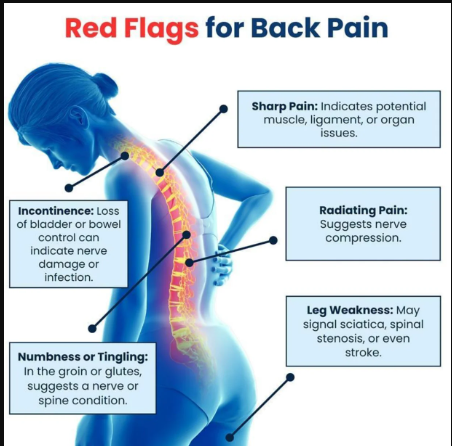
You experience progressive neurological symptoms, such as numbness or weakness in your arms or legs.
You develop loss of bowel or bladder control (a medical emergency requiring immediate evaluation).

Common Types of Spine Surgery
Spine surgery isn’t a one-size-fits-all solution. Depending on your specific condition, your surgeon will recommend the procedure that best targets the root cause of your pain. Here are the most common types:

1. Discectomy
If a herniated disc is pressing against a nerve and causing shooting pain down your leg (sciatica) or arm, a discectomy may be the answer. During this procedure, the surgeon removes the damaged portion of the disc to relieve pressure on the nerve. It can be performed as a traditional open surgery or, more commonly nowadays, using minimally invasive techniques.

2. Laminectomy
Spinal stenosis occurs when the spinal canal narrows, squeezing the spinal cord and nerves. A laminectomy involves removing a small part of the bone (the lamina) or thick tissues to create more space in the spinal canal, taking the pressure off the nerves.

3. Spinal Fusion
When parts of the spine are unstable or move abnormally, spinal fusion is used to permanently connect two or more bones (vertebrae) together. Surgeons use bone grafts—often combined with metal rods, screws, or cages—to help the vertebrae heal into a single, solid piece of bone. While this limits flexibility in that specific section of the spine, it eliminates painful motion.

4. Artificial Disc Replacement
For some patients with damaged discs who are not good candidates for fusion, replacing the worn-out disc with an artificial one is an option. This preserves natural movement in the spine and can be a great alternative for the right candidate.

Minimally Invasive vs. Traditional Open Surgery
Medical technology has come a long way. Whenever possible, modern spine surgeons opt for minimally invasive techniques.

Instead of making a long incision, a minimally invasive approach uses small cuts and specialized tools, including tiny cameras and tubular retractors.

The benefits for patients are substantial:

Smaller incisions and less visible scarring
Less damage to surrounding muscles
Reduced blood loss during surgery
Shorter hospital stays and a quicker, more comfortable recovery

The Recovery Journey: What to Expect
Recovery is a journey that requires patience, discipline, and a strong support system. While every person heals at their own pace, here is a general roadmap of what you can expect after spine surgery.

Immediately After Surgery
Your recovery begins right in the hospital. Depending on the procedure, you may go home the same day or spend a night or two under observation. Nurses and physical therapists will get you out of bed and walking within hours of your surgery. Movement is critical—it prevents blood clots, boosts circulation, and helps your body start the healing process.

The First Few Weeks at Home
Once you are home, the focus shifts to gentle healing and wound care. You will receive strict guidelines on what you can and cannot do.

The “BLT” Rule: Many surgeons tell patients to avoid Bending, Lifting, and Twisting for the first few weeks to protect the surgical site.
Pain Management: You will likely be prescribed medication to manage post-surgical discomfort, which will taper off as healing progresses.
Walking: Short, frequent walks around your house or neighborhood are encouraged to build strength.
Physical Therapy: Your Secret Weapon
Physical therapy is arguably the most important part of your recovery. Once your surgeon gives the green light (usually around 4 to 6 weeks post-op), you will begin working with a physical therapist.

They will guide you through gentle stretches and core-strengthening exercises. A strong core acts like a natural back brace, supporting your spine and preventing future injuries.

Long-Term Recovery
Full recovery takes time. While you might feel significantly better within a few weeks, deep tissue healing and bone fusion (if you had a fusion surgery) can take anywhere from three to twelve months. Listening to your body, following your surgeon’s advice, and avoiding the temptation to rush back into heavy lifting too soon are key to long-term success.

Taking the Next Step
Deciding to undergo spine surgery is a major choice, but it can also be the turning point that gives you your life back.

If you are living with chronic back pain and looking for expert guidance on Spine Surgery Edison NJ, the most important first step is scheduling a consultation with a qualified, board-certified spine specialist. They can accurately diagnose your condition, discuss whether surgery is truly right for you, and tailor a treatment plan to get you back on your feet—and back to doing the things you love.

0
Beyond the Aches: Common Conditions Successfully Treated by Spine Surgery

Back pain is one of the most common reasons people visit a doctor, affecting up to 80% of adults at some point in their lives. For the vast majority, the discomfort is temporary and resolves with conservative treatment like physical therapy, medication, or rest.

 
However, for a small percentage of individuals—those suffering from persistent, debilitating pain that originates from a specific mechanical or structural problem—spine surgery becomes the necessary next step.

While the thought of spine surgery can be intimidating, modern surgical techniques are highly sophisticated and often lead to profound relief and improved quality of life. Understanding why surgery is recommended starts with understanding the underlying conditions.

Here is a look at the most common conditions successfully treated by specialized spine surgeons.

1. Herniated or Slipped Discs
The intervertebral discs act as shock absorbers between the bones (vertebrae) of your spine. A disc herniation (often called a “slipped disc”) occurs when the soft inner material of the disc pushes out through a tear in the tougher outer wall.

Why Surgery is Needed:
When the herniated material presses directly on a spinal nerve root, it causes intense radicular pain (pain that travels down a limb). In the lower back, this is known as sciatica; in the neck, it causes arm pain or numbness.

If conservative treatments fail to relieve significant pain, weakness, or numbness, surgeons may perform a discectomy—a procedure to carefully remove the portion of the disc that is impinging on the nerve.

2. Spinal Stenosis
Spinal stenosis literally means “narrowing of the spine.” This condition occurs when the spaces within the spine—where the nerves travel—begin to narrow. Stenosis most frequently affects the lumbar (lower) spine and cervical (neck) spine.

Why Surgery is Needed:
The narrowing is typically caused by age-related changes, such as the thickening of ligaments, the formation of bone spurs (osteophytes), or damage from arthritis (osteoarthritis).

As the spinal canal narrows, the nerves become compressed, causing pain, tingling, and weakness, especially during standing or walking (a condition called neurogenic claudication).

The surgical goal for stenosis is decompression. Procedures like a laminectomy or foraminotomy are used to remove bone or tissue that is crowding the nerves, thereby relieving pressure and restoring function.

3. Spondylolisthesis (Spinal Instability)
Spondylolisthesis is a condition where one vertebra slips forward or backward over the bone beneath it. This slippage can range from mild to severe and is often categorized into two main types:

Degenerative: Caused by wear and tear on the joints, usually seen in older adults.
Isthmic: Caused by a stress fracture (called spondylolysis) in a portion of the bone.
Why Surgery is Needed:
When the slippage is extensive, it causes significant instability in the spine, leading to chronic low back pain and often severe pressure on the nerve roots.

Surgery for spondylolisthesis generally involves both decompression (to free the nerves) and spinal fusion. Fusion is performed to permanently join the slipped vertebrae together, stabilizing the spine and preventing further movement.

4. Degenerative Disc Disease (DDD)
While the term “disease” sounds alarming, DDD is more accurately described as a natural, age-related process where the spinal discs gradually lose hydration, elasticity, and height. While this happens to everyone as they age, it becomes problematic when the disc changes lead to significant pain and dysfunction.

Why Surgery is Needed:
DDD can lead to chronic, mechanical low back pain as the affected segments lose alignment and flexibility.

If the chronic pain fails to respond to months or years of non-surgical management, surgery may be considered. Options include:

Spinal Fusion: To stabilize the painful segment and stop the motion that causes pain.
Total Disc Replacement (TDR): A newer option for specific patients, which involves replacing the damaged disc with an artificial one to preserve motion.
5. Spinal Deformities (Scoliosis and Kyphosis)
Spinal deformities are abnormal curvatures of the spine.

Scoliosis: An S- or C-shaped curvature when viewed from the front or back.
Kyphosis: An excessive outward rounding in the upper back (“hunchback”).
Why Surgery is Needed:
While minor curvatures are monitored, severe deformities or those rapidly progressing can lead to significant functional problems, nerve compression, and even compromise heart and lung function by limiting space in the chest cavity.

Surgery for severe scoliosis and kyphosis involves complex fusion procedures designed to straighten the spine as much as safely possible and stabilize it using rods and screws.

Important Note: Surgery Is Almost Always the Last Resort
It is vital to understand that spine surgery is rarely the first answer for back pain. Spine specialists universally follow strict guidelines, only considering surgery when:

Conservative Treatments Have Failed: The patient has undergone 6, 12, or even more weeks of physical therapy, anti-inflammatory medication, injections, and lifestyle modifications without success.
There is Clear Structural Pathology: The pain is directly linked to a documented mechanical problem (like nerve compression from a herniation or instability).
Emergency Situations Exist: In rare cases, such as progressive neurological deficit (rapidly worsening weakness) or Cauda Equina Syndrome, emergency surgery may be required to prevent permanent nerve damage.
If you are dealing with chronic, debilitating back or neck pain that restricts your mobility and quality of life, consulting with a board-certified Edison spine specialist is the essential next step to diagnose the cause and determine the best path forward—whether surgical or non-surgical.

0