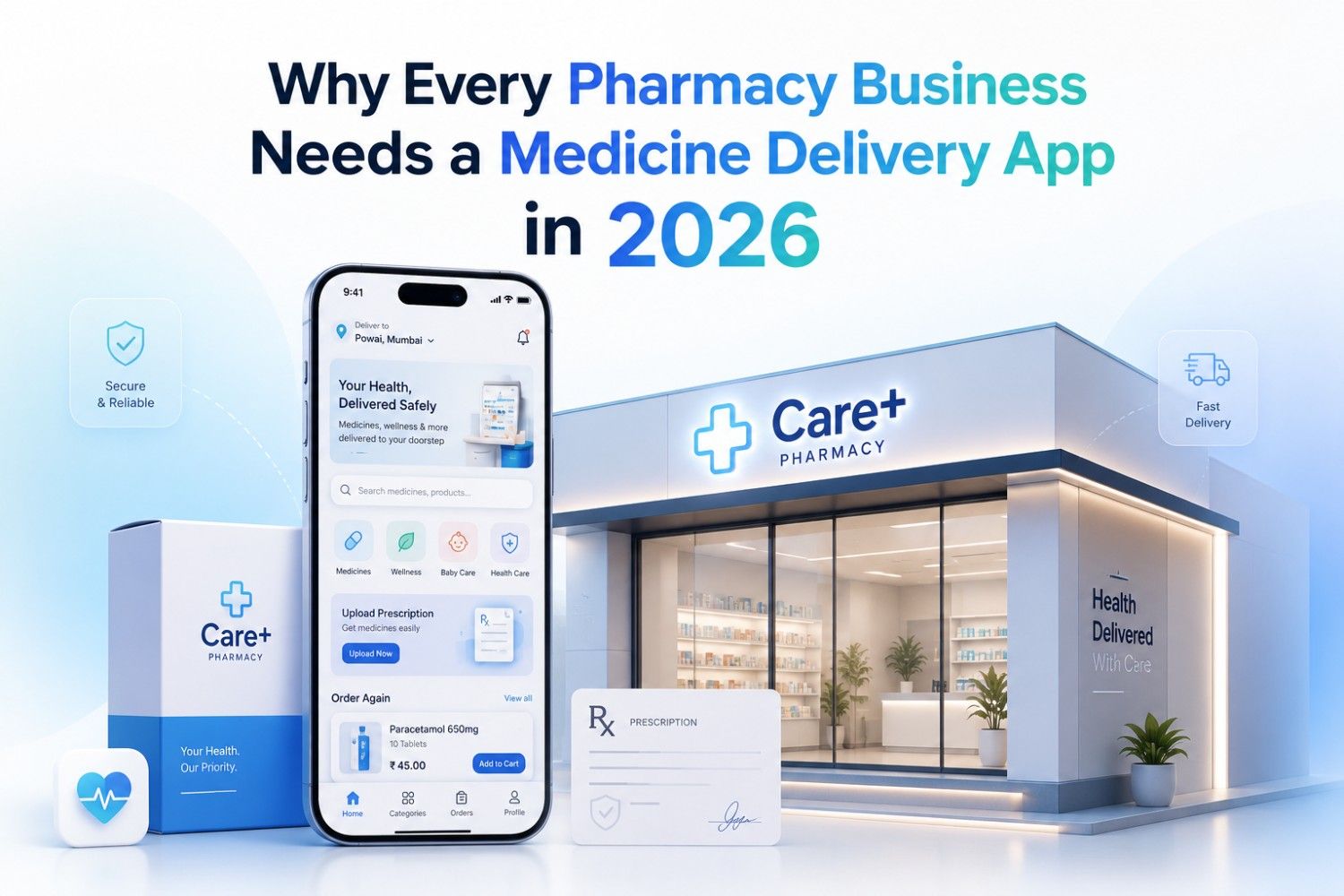
Why Every Pharmacy Business Needs a Medicine Delivery App in 2026

The way people access healthcare services has changed quickly in recent years. Convenience, speed, and digital access now shape how customers choose where to buy medicines. Many expect pharmacies to offer the same smooth online experience they already get from food delivery, grocery shopping, and other daily services.

For pharmacy businesses, this shift is not just about keeping up with technology. It is a practical way to meet customer expectations, reduce manual work, and improve service quality. A medicine delivery app helps pharmacies manage online orders, coordinate deliveries, and make medicines easier to access for more customers.

Today’s pharmacy businesses are competing not only with nearby stores but also with digital-first healthcare platforms that offer quick ordering and home delivery. Customers are more likely to choose pharmacies that provide a simple, reliable online experience alongside quality healthcare services. Investing in a medicine delivery app allows pharmacies to meet these expectations while building a stronger foundation for future growth.

The Growing Demand for Digital Pharmacy Services

Changing customer expectations

Customers today value convenience more than ever. Busy schedules, traffic, and changing routines have made home delivery an important service across many industries. Pharmacies are no exception. Many people now prefer ordering medicines online instead of visiting a physical store, especially for repeat prescriptions and routine healthcare products.

Mobile-first ordering habits

The widespread use of smartphones has also contributed to the growth of digital pharmacy services. Mobile applications allow customers to browse products, upload prescriptions where required, place orders, and receive delivery updates without unnecessary delays. This creates a smoother experience for customers while helping pharmacies reduce manual processes.

Better retention and wider reach

Another important factor is customer retention. When pharmacies provide a convenient ordering experience, customers are more likely to return for future purchases. Features such as order history, refill reminders, and personalized notifications can encourage repeat business and strengthen long-term relationships.

Digital pharmacy services also help businesses reach customers beyond their immediate neighborhood. Instead of depending only on walk-in traffic, pharmacies can serve nearby residential areas through organized delivery operations. This creates more opportunities to grow without opening new physical branches.

What Is a Medicine Delivery App?

How it works

A medicine delivery app is a digital platform that allows customers to browse medicines and healthcare products, upload prescriptions when needed, place orders, complete secure payments, and track deliveries from their mobile devices. At the same time, pharmacy staff can manage inventory, process incoming orders, and coordinate deliveries through one connected system.

Core components of the platform

A typical medicine delivery solution includes several parts that work together to simplify daily operations. The customer app gives users an easy way to search products, place orders, and monitor delivery progress. The pharmacy dashboard helps staff verify orders, manage stock availability, and update order statuses. An admin panel supports overall business oversight, while delivery personnel can receive assignments and follow delivery routes more efficiently.

Why it matters for pharmacy businesses

A medicine delivery app does not replace traditional pharmacy service. Instead, it extends that service into the digital space. Customers still receive professional pharmacy support, but with the added convenience of ordering from home or work.

By bringing ordering, inventory management, payments, and delivery coordination into one system, pharmacies can improve service quality while reducing administrative workload. This combination of convenience and operational efficiency is one of the main reasons digital pharmacy solutions continue to gain attention among modern healthcare businesses.

A Practical Example

Consider a customer who regularly purchases medicines for a long-term health condition. Instead of visiting the pharmacy every month, they can place an order through the app, upload a prescription if required, choose a preferred delivery time, and receive real-time updates until the order arrives. This process saves time for the customer while helping the pharmacy manage repeat orders more efficiently.

Benefits of a Medicine Delivery App for Pharmacy Businesses

Improved Customer Convenience

A medicine delivery app offers more than just online ordering. It helps pharmacies improve customer satisfaction while making daily operations more organized and efficient.

One of the biggest advantages is convenience. Customers can order medicines from anywhere, choose a preferred delivery time, and receive updates throughout the process. This creates a better customer experience and encourages repeat purchases.

Reduced Manual Work

The app also helps pharmacies reduce manual work. Instead of handling orders through phone calls or messaging platforms, staff can manage requests from a centralized dashboard. This minimizes errors, speeds up order processing, and allows employees to focus on customer service.

Wider Business Reach

Another benefit is business growth. By offering delivery services, pharmacies can serve customers outside their immediate location without investing in additional retail outlets. This wider reach creates new revenue opportunities while strengthening brand visibility in local markets.

Traditional Pharmacy Services vs Digital Medicine Delivery

Traditional pharmacy services continue to play an important role in healthcare, but customer expectations have expanded beyond in-store visits. A medicine delivery app complements existing pharmacy operations by making services more accessible and convenient.

With digital ordering, customers can browse products, upload prescriptions when required, place orders, and track deliveries without leaving home. Pharmacies also benefit from improved order management, better inventory visibility, and more organized delivery coordination. By combining traditional pharmacy expertise with digital convenience, businesses can offer a more complete customer experience.

Essential Features Every Medicine Delivery App Should Include

Easy Ordering Experience

The success of a medicine delivery app depends on how easy it is for both customers and pharmacy staff to use. A well-designed platform should focus on functionality, reliability, and security.

Customers should be able to search medicines quickly, upload prescriptions where required, add products to their cart, complete secure online payments, and track their deliveries in real time. Order history and refill reminders can also improve the overall user experience by making repeat purchases more convenient.

Pharmacy Management Tools

From the pharmacy’s perspective, inventory management, order processing, customer management, and delivery coordination are equally important. A centralized admin dashboard helps monitor daily operations, while notifications keep both customers and staff informed throughout the order lifecycle.

Security and Performance

Simple navigation, responsive performance, and data security should remain priorities during development, as these factors contribute directly to customer trust and long-term adoption.

How a Medicine Delivery App Improves Pharmacy Operations

Streamlined Order Handling

Managing orders manually becomes increasingly difficult as customer demand grows. A medicine delivery app helps streamline routine tasks by organizing orders, inventory, and deliveries within a single platform.

Better Inventory Accuracy

Inventory updates become more accurate, reducing the chances of selling unavailable products. Automated order notifications improve communication between customers, pharmacists, and delivery personnel. This creates a smoother workflow and reduces delays.

Useful Business Insights

Digital reporting also provides valuable business insights. Pharmacy owners can monitor sales trends, identify frequently purchased products, and better understand customer preferences. These insights support informed business decisions and help optimize inventory planning.

Important Considerations Before Launching

Scalability and Future Growth

Before investing in a medicine delivery app, pharmacy businesses should evaluate their operational requirements and future growth plans. Choosing a scalable solution makes it easier to add new features as customer demand evolves.

Data Privacy and Payment Security

Data privacy and payment security should also be considered from the beginning. Customers expect their personal information and transaction details to be handled responsibly. Depending on the region where the pharmacy operates, businesses should also ensure their digital processes align with applicable healthcare and data protection regulations.

System Integration

Integration with existing pharmacy management systems can further improve efficiency by reducing duplicate work and maintaining accurate inventory records.

Choosing the Right Medicine Delivery App Solution

Selecting the right medicine delivery app requires more than comparing features. Pharmacy businesses should evaluate scalability, security, customization options, ongoing technical support, and the ability to integrate with existing systems.

A solution that supports future business growth can reduce operational challenges and make it easier to adapt as customer expectations and market requirements continue to change. Choosing a flexible platform today can help pharmacies avoid costly migrations in the future.

Why White Label Medicine Delivery Apps Are a Practical Choice

Faster Launch Time

Developing an application from the ground up often requires significant time, investment, and technical resources. For many pharmacy businesses, a white label medicine delivery app offers a faster and more cost-effective alternative.

Custom Branding and Flexibility

A ready-made solution can be customized with the pharmacy’s branding, business requirements, and preferred features while reducing development time. This allows businesses to launch sooner and begin serving customers without waiting through lengthy development cycles.

A white label solution also reduces the complexity involved in developing an application from scratch. Since the core platform is already built and tested, pharmacy businesses can focus on branding, customization, and customer service rather than lengthy development cycles. This approach makes it easier to launch sooner while maintaining the flexibility to introduce new features as business needs evolve.

Easier Expansion

As customer expectations continue to evolve, having a flexible platform also makes it easier to introduce future updates, additional services, and business expansion opportunities.

Emerging Digital Features

Digital healthcare services continue to evolve, and customer expectations are likely to grow alongside them. Features such as AI-assisted search, digital prescription management, personalized recommendations, and improved delivery tracking are expected to become increasingly common in pharmacy applications.

Long-Term Readiness

Pharmacies that adopt digital solutions today will be better prepared to respond to changing customer preferences and industry developments in the years ahead.

Conclusion

Customer expectations have changed, and convenience has become an important part of modern pharmacy services. A medicine delivery app helps pharmacy businesses provide a more accessible ordering experience while improving operational efficiency and expanding their reach.

As customer expectations continue to evolve, pharmacies that invest in digital solutions are better positioned to deliver convenient services, improve operational efficiency, and strengthen customer relationships. A well-designed medicine delivery app supports both current business needs and future growth, making it a practical investment for pharmacies looking to remain competitive in an increasingly digital marketplace.

Frequently Asked Questions

1. What is a medicine delivery app?

A medicine delivery app is a digital platform that allows customers to order medicines, upload prescriptions where required, make secure payments, and track deliveries through their mobile devices.

2. How does a medicine delivery app benefit pharmacies?

It helps improve customer convenience, streamline order management, reduce manual tasks, and expand the pharmacy’s service area.

3. What features should a medicine delivery app include?

Essential features include medicine search, prescription upload, secure payments, order tracking, notifications, inventory management, and an admin dashboard.

4. Is a white label medicine delivery app suitable for small pharmacy businesses?

Yes. A white label solution can reduce development time and costs while allowing pharmacies to launch a branded application more quickly.

5. Can a medicine delivery app integrate with existing pharmacy systems?

Many solutions support integration with pharmacy management systems, helping maintain inventory accuracy and improve operational efficiency.

6. How can pharmacies prepare for digital growth?

By adopting scalable technology, focusing on customer experience, and regularly updating digital services to meet changing customer expectations.

7. How much does it cost to develop a medicine delivery app?

The cost depends on factors such as app features, customization requirements, platform compatibility, and the development approach. Businesses often compare custom development with white label solutions based on their budget and launch timeline.

8. Is a white label medicine delivery app better than custom development?

The right choice depends on business goals. A white label solution is generally suitable for businesses that want a faster launch with lower development costs, while custom development offers greater flexibility for unique requirements.

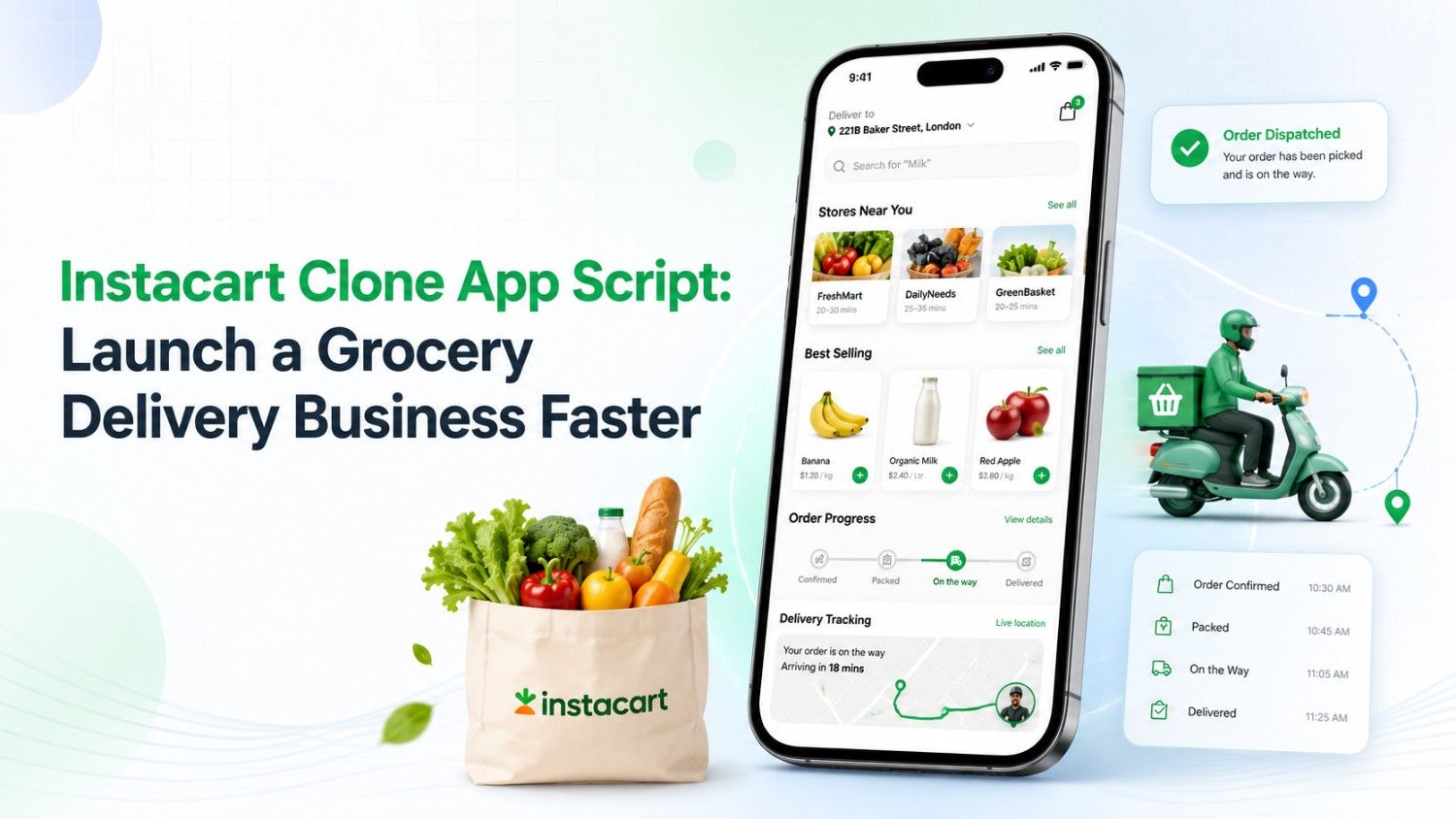
Instacart Clone App Script: Launch a Grocery Delivery Business Faster

In today’s fast-paced world, the convenience of grocery delivery services has become a staple for consumers seeking to save time and effort. The success of platforms like Instacart highlights the growing demand for efficient grocery shopping solutions, making it an opportune moment for aspiring entrepreneurs to enter this booming market.

By leveraging an Instacart clone app script, you can significantly accelerate the launch of your grocery delivery business while benefiting from established features and functionalities. This article explores the essential components, advantages, and strategies needed to successfully develop and market your own grocery delivery app, helping you capitalize on this lucrative opportunity.

Understanding the Instacart Clone App Concept
What is an Instacart Clone App?
An Instacart Clone App is basically a grocery delivery app that closely resembles the original Instacart, allowing you to capitalize on the booming online grocery shopping trend without starting from scratch. 

It’s like getting a cheat sheet for a test—except the test is launching your business, and the subject is millions of hungry shoppers! With this app, users can browse stores, select items, and have their groceries delivered right to their door, all while you sit back and watch your empire grow.

Market Demand for Grocery Delivery Services
Gone are the days when we had to brave the grocery store aisles. Nowadays, consumers crave convenience like it’s the last slice of pizza at a party. The grocery delivery market has exploded as people juggle busy schedules, work-from-home life, and the undeniable lure of pajamas over pants. As a result, demand for grocery delivery services is soaring—making it the perfect time to launch your very own Instacart clone app!

Key Features of an Instacart Clone App
User-Friendly Interface
No one likes a complicated app—it’s like trying to assemble IKEA furniture without the instructions. Your Instacart clone should have a sleek, intuitive interface that makes shopping feel like a walk in the park (or a stroll through the grocery store, minus the impulse buys). Easy navigation and a clean design will have users coming back for more.

Real-Time Order Tracking
Ever wanted to be a fly on the wall and see how your groceries are getting from point A to point B? With real-time order tracking, users can keep tabs on their delivery like it’s a high-stakes game of “Where’s Waldo.” They’ll appreciate knowing exactly when to expect their avocado toast ingredients, and you’ll look like the hero who made it all happen.

Multiple Payment Options
Flexibility is key—especially when it comes to payment options. Your app should support various methods, from credit cards to digital wallets, so users can pick their poison (or payment method). Making transactions smooth and easy is the first step toward turning those one-time buyers into loyal customers!

Inventory Management System
Managing inventory might not be as exciting as a blockbuster movie, but it’s definitely crucial to your app’s success. An effective inventory management system ensures that users can see real-time product availability and reduces the likelihood of those dreaded “oops, we’re out of stock” moments. That means happier customers and a more efficient operation—everyone wins!

Benefits of Launching a Grocery Delivery Business
Growing Consumer Demand
As mentioned, grocery delivery is hot right now—like summer in the desert! With consumers increasingly favoring convenience and online shopping, starting your grocery delivery service is like hitting the jackpot. You’ll be on the fast track to cashing in on this trend while keeping customers satisfied and well-fed.

Low Overhead Costs
Let’s talk about money, baby! One of the best parts of launching a grocery delivery business is the low overhead costs. You don’t need a massive storefront, and you can operate primarily online. Plus, you can avoid expenses such as hiring extra staff—think of the savings that can go towards your next vacation (or maybe just more avocados).

Scalability Potential
The sky’s the limit with scalability! Starting with a local service? You can expand to neighboring areas as your business grows. With the right strategies and a solid app, turning a small operation into a regional sensation is totally doable. Just imagine telling your buddies how you went from delivering groceries on a bike to running a delivery empire!

Steps to Develop Your Grocery Delivery App
Market Research and Analysis
Before diving headfirst into app development, take a step back and do your homework. Understanding your target audience, their preferences, and competitors is crucial. Think of it as preparing for a big exam—knowing the material will give you the upper hand and set you up for success.

Choosing the Right Technology Stack
Selecting the right tech stack is like choosing the right ingredients for a recipe. You want the best mix for a delicious outcome. Consider factors like scalability, security, and user experience. The right technology will help you create an app that’s as satisfying as a perfectly cooked meal (and less likely to give you a food coma).

Developing a Minimum Viable Product (MVP)
Launching an MVP is like throwing a party with just the essentials—music, snacks, and a good vibe. Start with core features and get feedback from real users. This will help you understand what works, what doesn’t, and what you can improve before going big. Who needs a fancy spread when you can serve just the right amount of awesomeness?

Customization Options for Your Clone App
Branding and Design Choices
When it comes to making your grocery delivery app stand out, branding is key. You’ll want to choose color schemes, logos, and fonts that reflect your unique vibe. Whether you’re channeling a sleek, modern look or a cozy, farmer’s market feel, your design should resonate with your target audience. Remember, first impressions matter—don’t make customers feel like they’ve stepped into a generic big-box store!

Integrating Unique Features
What sets your app apart from the sea of grocery delivery apps? Perhaps it’s a “chef’s choice” feature that suggests personalized recipes based on user preferences, or a subscription service that delivers pantry staples monthly. Think outside the (shopping) box and integrate features that cater to specific customer needs. Who doesn’t appreciate the ability to schedule deliveries at their convenience or track their delivery in real-time?

Third-Party API Integrations
Enhancing user experience often involves embracing the power of technology through third-party API integrations. Want to allow users to check for the freshest produce? Integrate a local farm supply API! Perhaps you want to offer real-time traffic updates for deliveries? There’s an API for that too. The right integrations can streamline processes and boost operational efficiency, making your app a joy to use—because who doesn’t want their groceries delivered without a hitch?

Marketing Strategies for Your Grocery Delivery Service
Building a Strong Online Presence
Your grocery delivery service needs an online home that customers love to visit (and not just for the free Wi-Fi). Start with an optimized website that’s user-friendly, visually appealing, and packed with relevant content. Don’t forget your search engine optimization (SEO) game; you want customers to find you when they’re Googling “fast grocery delivery near me.” A solid blog showcasing recipe ideas or grocery hacks can enhance your presence too!

Utilizing Social Media Marketing
If you’re not on social media, do you even exist? Use platforms like Instagram and Facebook to showcase your offerings, share engaging content, and connect with customers. Consider mouthwatering photos of fresh produce, behind-the-scenes snaps, and fun polls about favorite snacks. Paid ads can also help target specific demographics—because why not let farmers’ market enthusiasts know they can get their kale delivered?

Implementing Referral Programs
A great way to grow your customer base is through referral programs. Create an enticing offer for both existing and new customers—maybe a discount or loyalty points for every successful referral. Social proof is powerful, and your delighted customers can become your best marketers, spreading the word about their newfound grocery delivery love like confetti at a parade!

Cost Analysis: Developing an Instacart Clone App
Initial Development Costs
Launching your app is like building a castle: there’s an initial investment that can get you started. Expect expenses for app development, design, testing, and hosting. Depending on your feature set and whether you hire a team or go with a ready-made clone solution, this could range from a few thousand to tens of thousands of dollars. Just remember, good things take time and money!

Ongoing Operational Expenses
Once your app is live, you’ll face ongoing costs that can make your accountant’s head spin. Think server maintenance, regular updates, marketing, customer service, and, of course, those pesky delivery personnel wages. Budget wisely and regularly monitor these expenses to ensure your grocery dreams don’t turn into a financial nightmare.

Return on Investment (ROI) Projections
Now, let’s talk about the numbers—everyone’s favorite subject! To figure out when your app will start paying dividends, you’ll need to project your revenue. This involves analyzing how many users you expect, average order values, and those delightful repeat customers. With a solid marketing strategy and a pinch of patience, you can start to see your ROI bloom like your favorite garden!

Future Trends in Grocery Delivery Apps
Impact of AI and Machine Learning
Brace yourself for the age of AI! Machine learning can optimize delivery routes, predict consumer buying patterns, and even personalize shopping experiences. Imagine an app that knows you’re out of eggs before you do and suggests a delivery right when you need it. The potential to enhance efficiency and customer satisfaction is immense—AI could become your app’s best friend!

Sustainability Practices in Grocery Delivery
As more consumers prioritize eco-friendliness, adopting sustainable practices can give you a competitive edge. Consider using electric vehicles for deliveries, offering eco-friendly packaging, or partnering with local farms for fresh produce. Not only will you attract green-minded customers, but you’ll also help save the planet—talk about a win-win scenario!

Personalization and Customer Experience Enhancements
Today’s customers crave personalization. They want grocery shopping to feel less like a chore and more like a tailored experience. By using data analytics, you can offer personalized recommendations, exclusive discounts based on past purchases, and customized shopping lists. 

Enhance user experience with chatbots for quick customer service or gamification options that make shopping a fun adventure. After all, happy customers are loyal customers! In conclusion, launching a grocery delivery business using an Instacart clone app script offers a promising pathway to tap into the growing demand for convenience in shopping. 

By understanding the key features, customizing your app, and implementing effective marketing strategies, you can position your service for success in a competitive market. As consumer preferences continue to evolve, embracing innovation and staying attuned to industry trends will be crucial for sustaining your business and meeting customer expectations. Start your journey today and make your mark in the grocery delivery industry.

Frequently Asked Questions (FAQ)
1. How much does it cost to develop an Instacart clone app?
The cost of developing an Instacart clone app can vary significantly depending on the features you want, the complexity of the app, and whether you are hiring a development team or using a pre-built script. Generally, the cost can range from a few thousand to tens of thousands of dollars.

2. What features are essential for a grocery delivery app?
Essential features for a grocery delivery app include user registration, product search and filtering, real-time order tracking, multiple payment options, and a secure checkout process. Advanced features might also include user reviews, loyalty programs, and personalized recommendations.

3. Can I customize the Instacart clone app to fit my brand?
Yes, most Instacart clone app scripts offer customization options that allow you to modify the app’s design, features, and functionalities to align with your brand identity and business goals.

4. How can I effectively market my grocery delivery service?
To effectively market your grocery delivery service, consider building a strong online presence, utilizing social media platforms, offering promotional discounts, and implementing referral programs to attract and retain customers. Collaborating with local influencers can also enhance your reach. 

0

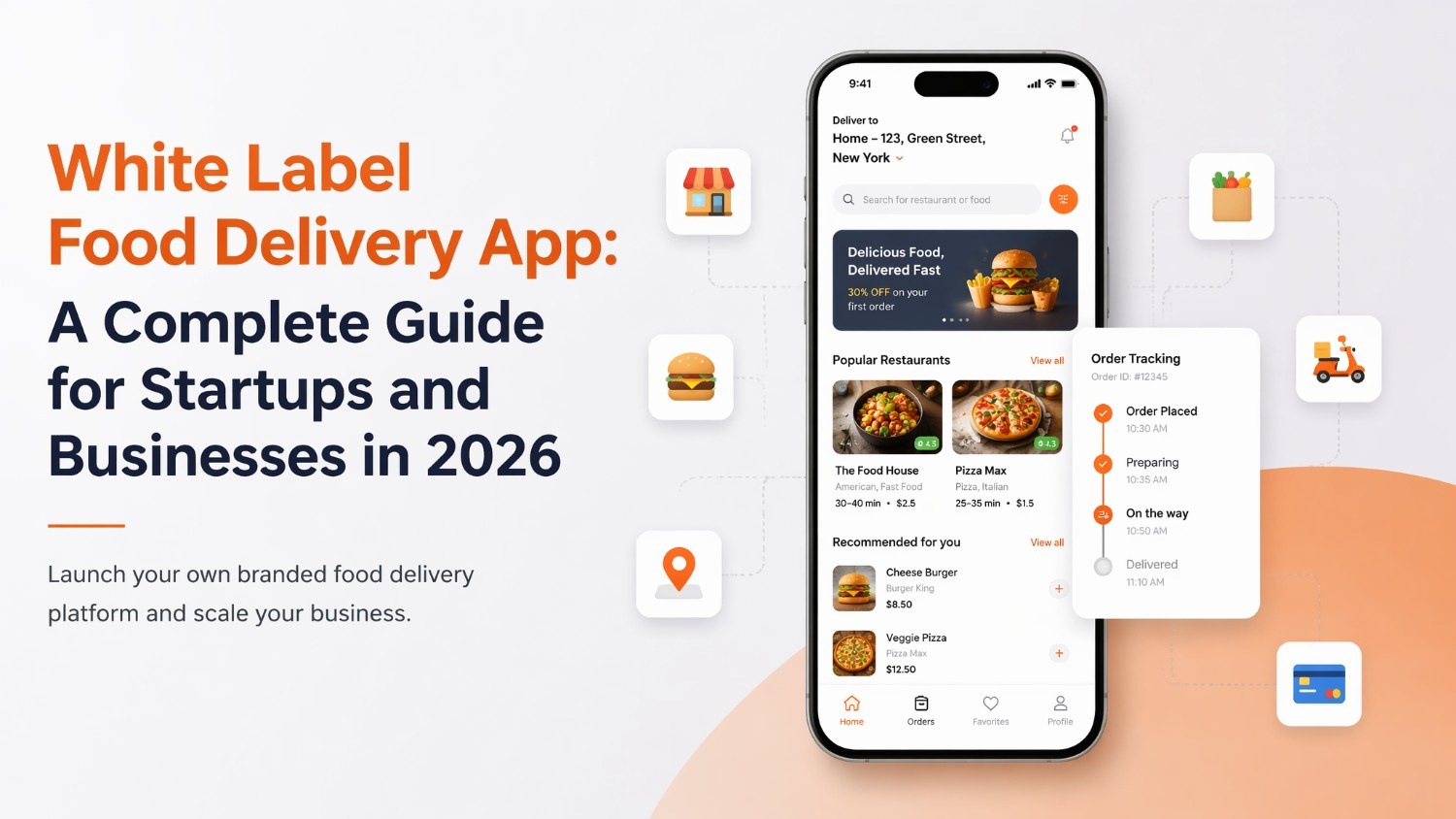
White Label Food Delivery App: A Complete Guide for Startups and Businesses in 2026

A white label food delivery app is a ready-made, customizable food ordering platform that allows businesses to launch their own branded delivery service without developing an application completely from scratch. Instead of spending months building every component, startups and entrepreneurs can use an existing food delivery app solution, customize the branding, features, and workflows, and launch their own restaurant delivery platform faster.

This guide explains how white label food delivery apps work, why startups prefer this approach, important delivery app features, cost considerations, the difference between white label solutions and custom app development, and how businesses can choose the right technology partner for building a scalable food delivery business.

Explore Our Services:

https://app-clone.com/food-delivery-app/

0

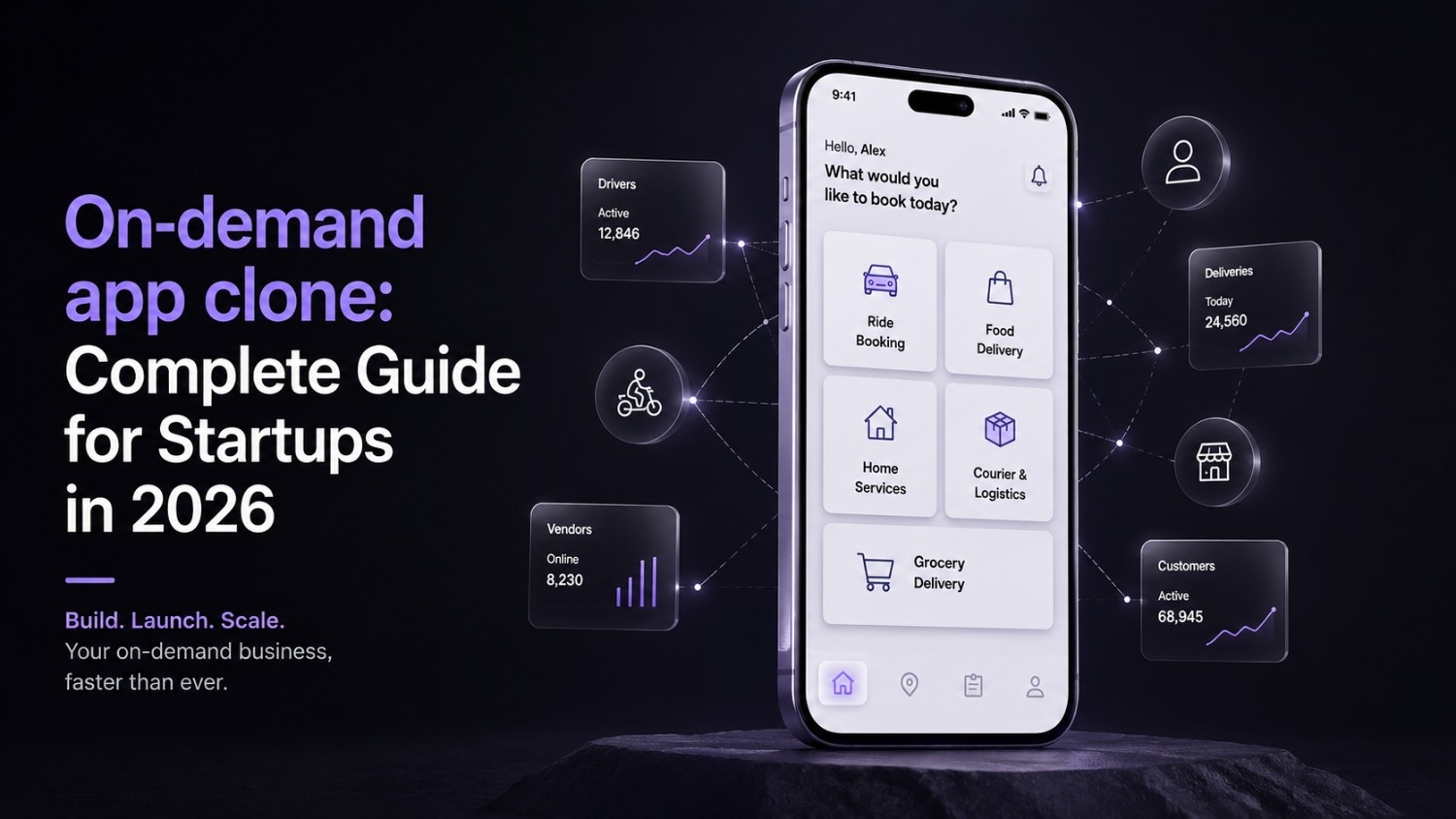
On-Demand App Clone: Complete Guide for Startups in 2026

Many startups enter the on-demand market with a strong idea but face challenges when turning that idea into a working product. Building an app from scratch requires time, technical resources, and a large investment before knowing whether customers will accept the business model. This is why many entrepreneurs are exploring an on-demand app clone as a faster way to launch and test their ideas.

An on-demand app clone gives startups a ready technology foundation based on proven platforms while allowing them to customize features, branding, and workflows. In this guide, we will explore how clone app development works, why businesses choose this approach in 2026, what features matter, how it compares with custom mobile app development, and how startups can choose the right solution for long-term growth.

What Is an On-Demand App Clone?

An on-demand app clone is a ready-made application framework inspired by successful on-demand business models. It allows startups to build platforms similar to popular taxi apps, food delivery services, marketplace platforms, or booking applications without creating every component from the beginning.

However, an on-demand app clone is not a direct copy of another application. It works as a technology foundation that businesses can modify according to their target audience, business goals, and market requirements.

For example, a startup launching a local service marketplace can use a clone app structure and customize the categories, payment methods, user experience, and operational process based on its own business model.

How an On-Demand App Clone Works

An on-demand platform usually works through multiple connected systems that manage customers, service providers, and business operations.

A typical structure includes:

Customer application

This is where users search for services, place bookings, make payments, track orders, and share feedback. For example, a customer using a taxi platform can select a pickup location, choose a ride option, and receive updates during the trip.

Service provider application

The service provider app helps drivers, delivery partners, or professionals manage requests. They can accept orders, update availability, track earnings, and manage their service history.

Admin dashboard

The admin panel controls the entire platform. Businesses can manage users, monitor activities, analyze performance, handle payments, and improve operations.

This same model can support different industries, including taxi services, food delivery apps, healthcare platforms, home services, and online marketplaces.

Why Startups Are Choosing On-Demand App Clone Solutions in 2026

The startup environment has become more competitive. Businesses are not only competing with ideas but also with speed. Many founders need to launch quickly, collect customer feedback, and improve their product without spending years on development.

An on-demand app clone helps businesses start with a tested structure while focusing more on market strategy and customer experience.

Faster Market Entry

For many startups, the biggest challenge is reaching the market before resources run out. Developing every feature from zero can delay the launch and increase costs.

A clone app solution supports the MVP approach. Startups can launch an initial version, understand customer behavior, and improve the platform based on real feedback.

For example, a food delivery startup can first launch with essential ordering and payment features instead of building a complex system with every possible feature.

Lower Development Complexity

Building an on-demand platform involves many technical systems working together. Startups need user accounts, payment integration, tracking features, notifications, and management tools.

With clone app development, businesses do not need to create these basic systems from the beginning. Instead, they can focus their resources on improving their unique business idea.

This approach reduces initial technical challenges and helps teams spend more time on growth strategies.

Easier Customization According to Business Needs

A common misunderstanding is that clone apps are fixed products. In reality, a quality on-demand app clone works as a flexible foundation.

Businesses can customize:

– Brand identity 
– App design
– Features
– Customer journey
– Service workflow
A startup can use the same basic technology approach but create a different experience for its customers.

How an On-Demand App Clone Helps Solve Startup Challenges

Launching an on-demand business involves more than creating an app. Startups need to manage users, service providers, operations, and future growth.

Challenge: Building a Reliable Platform From Scratch
Creating a complete platform requires technical planning, testing, and continuous improvement. A ready framework helps reduce the initial workload by providing essential systems that have already been developed.

This allows startups to focus on improving their service quality and building customer trust.

Challenge: Managing Multiple User Types
Most on-demand businesses have different user groups with different requirements.

For example, in a taxi platform:

– Customers book rides
– Drivers accept requests
– Admin teams manage operations
Each user needs a different experience, and the platform must connect all activities smoothly.

Challenge: Scaling After Launch

A startup may begin with a small audience but grow quickly after gaining traction. The technology behind the app should support future expansion.

Important areas include:

– Cloud infrastructure
– API integrations
– Performance improvements
– Security updates
A good startup app solution should support business growth instead of creating limitations later.

Key Features Every On-Demand App Clone Should Have

The right features depend on the business model, but some functions are important for most on-demand platforms.

User App Features

The customer side usually includes:

-Registration and profile management
– Search and service discovery
– Booking system
– Payment options
– Reviews and ratings
These features help users interact with the platform easily and create confidence in the service.

Service Provider Features

Service providers need tools that help them manage daily operations.

Important features include:

– Availability status
– Order or booking management
– Earnings tracking
– Service history
These functions improve communication between customers and providers.

Admin Dashboard Features

The admin system acts as the control center of the platform.

It usually includes:

– User management
– Analytics
– Reports
– Platform monitoring
These tools help businesses understand performance and make better decisions.

On-Demand App Clone vs Custom App Development

Choosing between an on-demand app clone and custom development depends on business goals.

A clone app is often suitable for startups that want faster market entry and a practical starting point. It provides a proven structure that can be improved over time.

Custom app development gives businesses complete control over building a unique system from the beginning. It may be a better option for companies with highly specific requirements or complex technology needs.

Neither approach is perfect for every business. The right choice depends on budget, timeline, market strategy, and future plans.

How Much Does It Cost to Build an On-Demand App Clone?

The cost of building an on-demand app clone depends on several factors. There is no fixed price because every business has different requirements.

Type of App
The industry affects development needs.

Examples include:

– Taxi platforms
– Food delivery apps
– Healthcare services
–  Marketplace platforms
Each category requires different workflows and features.

Features Required

A basic platform with essential functions will require less development effort than an advanced application with AI features, automation, and complex integrations.

Customization Level

The more changes a business needs, the more development time may be required.

Customization can include design changes, new features, third-party integrations, and business-specific workflows.

How Startups Should Choose the Right On-Demand App Clone Solution

Choosing the right technology partner is important because the app will support the business after launch.

Check Technology Quality

Startups should review:

– Scalability
– Security
– Maintenance support
– Performance
A solution should not only work today but also support future growth.

Evaluate Customization Options

A flexible platform allows businesses to adjust their product as customer needs change.

A startup should avoid solutions that limit branding, features, or future improvements.

Think About Long-Term Growth

The right on-demand app clone should support expansion into new locations, services, or customer segments.

Technology decisions made early can affect business growth later.

Future of On-Demand App Clone Businesses in 2026

The future of on-demand platforms will focus on improving user experiences and making operations smarter.

Businesses are increasingly using:

AI-based recommendations

– Automated processes
– Personalized services
– Better customer support systems

However, success will still depend on understanding customers and building a reliable service model.

An on-demand app clone can provide the foundation, but business strategy and execution will decide long-term success.

FAQs

What is an on-demand app clone?

An on-demand app clone is a ready-made app framework based on successful business models that startups can customize for their own services.

Is an on-demand app clone the same as copying another app?

No. A professional clone app is not a direct copy. It uses a similar technology structure while allowing businesses to create their own features and branding.

How long does it take to develop an on-demand app clone?

The timeline depends on app complexity, features, customization needs, and development requirements.

Which businesses can use an on-demand app clone?

Many industries can use this model, including transportation, food delivery, healthcare, home services, and marketplace businesses.

Is an on-demand app clone suitable for startups?

Yes. It can be a practical option for startups that want to launch faster, test their idea, and build a digital business solution with lower initial complexity.

0

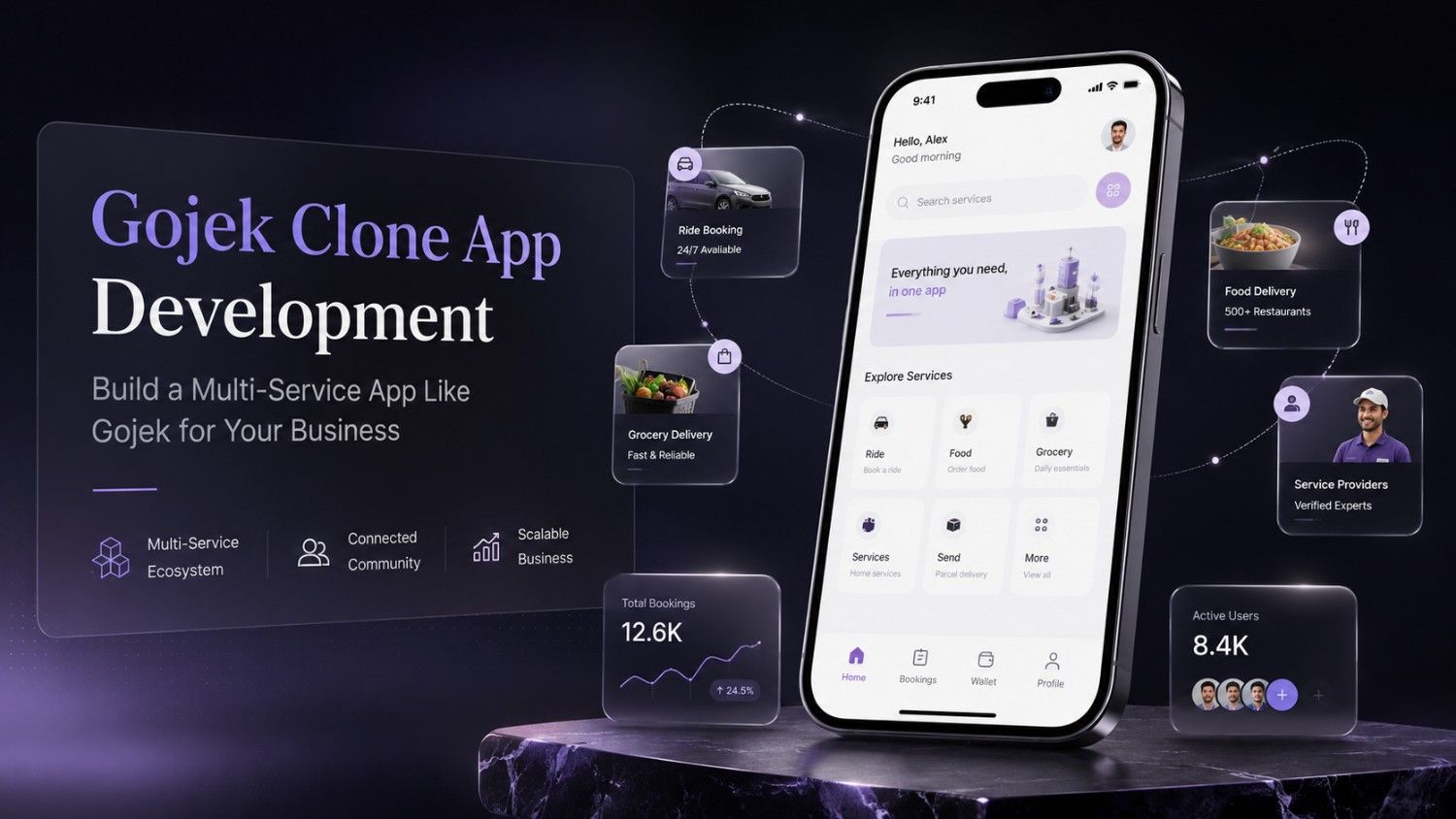
Gojek Clone App Development: Build a Multi-Service App Like Gojek for Your Business

The on-demand business model has changed how customers access everyday services. From transportation and food delivery to home services and shopping, people now prefer platforms that offer multiple solutions in one place.

Businesses are adopting multi-service platforms to meet this growing demand and create convenient digital ecosystems. Building a platform similar to successful super apps helps startups and entrepreneurs launch scalable solutions, and a Gojek Clone App can be a practical approach for entering this growing market.

Explore Our Services:

https://app-clone.com/gojek-clone/


How Uber Clone Apps Are Evolving Beyond Traditional Ride-Hailing in 2026

Urban transportation is changing quickly as people expect faster and more convenient travel options. Ride-hailing apps are no longer used only for booking taxis. In 2026, users want everything in one place, including quick bookings, delivery services, digital payments, and smart transportation features that make daily travel easier.

Because of these changing expectations, mobility businesses are also evolving. Modern platforms now include AI-based automation, rentals, parcel delivery, analytics, and other hyperlocal services to improve operations and customer experience. This is why the modern Uber Clone App is growing beyond simple taxi booking and becoming a complete mobility platform built for scalability and smarter transportation services.

Explore Our Services:

https://app-clone.com/uber-clone/ 

#ubercloneapp #taxibookingapp #ridehailingapp #AIpoweredubercloneapp #whitelabeltaxiapp #scalableridehailingapp #multiserviceubercloneapp #AppClone #ondemandubercloneapp #uberclonescript

0

Food Delivery App Development: Features, Cost & Benefits

In recent years, the food delivery industry has experienced exponential growth, fueled by shifting consumer preferences and advancements in technology. As more people seek convenience and a diverse array of dining options at their fingertips, the demand for food delivery apps has surged. 

Developing a robust and user-friendly food delivery app requires careful planning, a keen understanding of market trends, and the integration of essential features that enhance user experience. This article will explore the key aspects of food delivery app development, including must-have features, cost considerations, and the numerous benefits these applications bring to businesses and consumers alike.

More Link: https://app-clone.com/food-delivery-app/

#fooddeliveryappdevelopment #fooddeliveryapp #ondemandfooddeliveryapp #foodorderingapp #restaurantapp #deliveryapp #appclone #gojekclonescript #foodapp #appdevelopmentcompany #ondemandapp #foodtech #restauranttechnology #deliverybusinessv#fooddeliverysolution #gojekclone #multiserviceapp

Build a Successful Multi-Service Platform with a Gojek Clone App

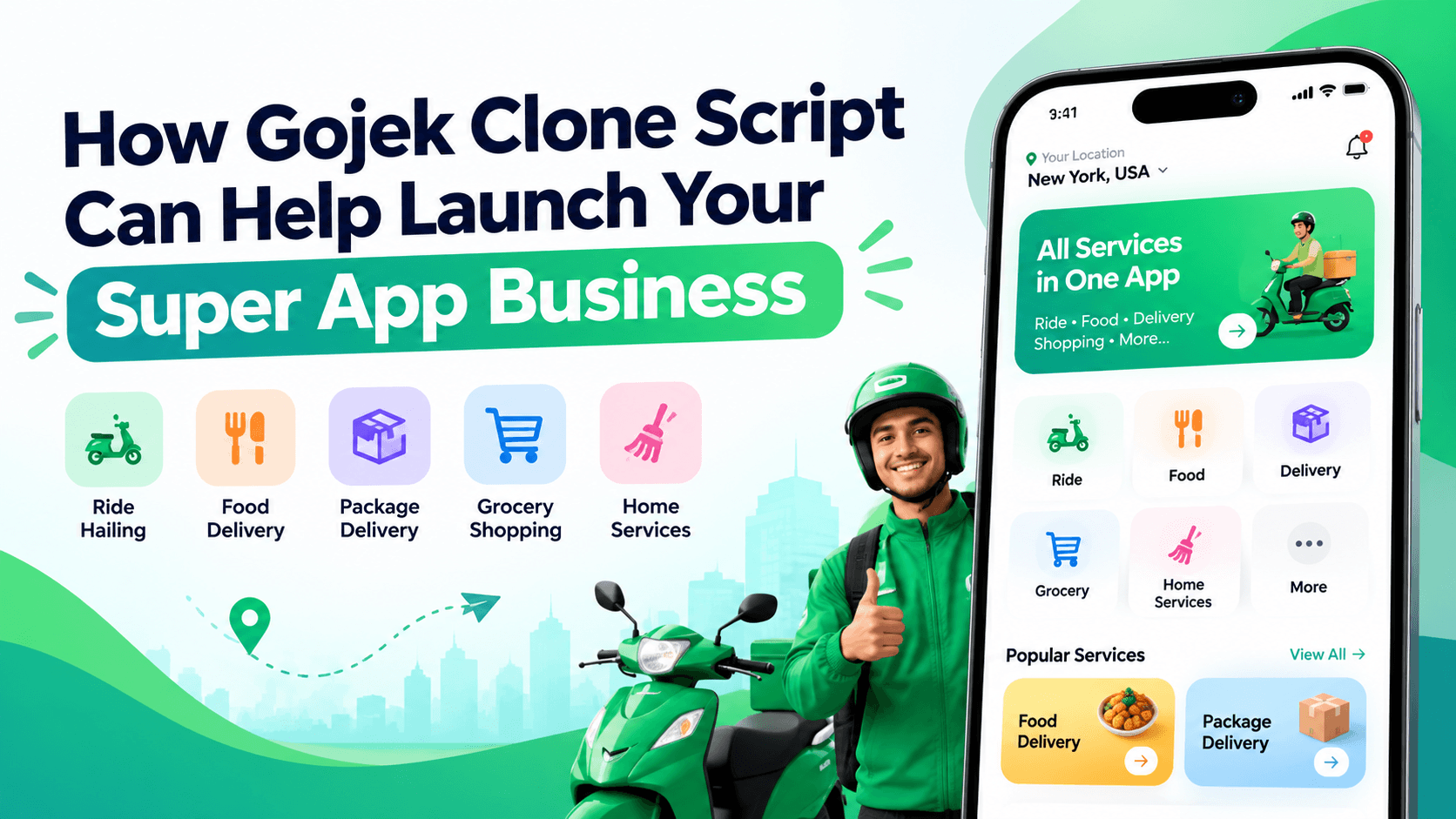
In today’s fast-paced digital landscape, multi-service platforms have emerged as a game-changer for entrepreneurs looking to tap into diverse markets. A Gojek clone app provides a compelling solution, enabling businesses to offer a variety of services—from transportation and food delivery to e-commerce and home services—all within a single, user-friendly application. 

This article explores the essential steps to build a successful multi-service platform using a Gojek clone app, covering everything from market research and development strategies to user experience design and monetization models. Whether you’re an aspiring entrepreneur or an established business looking to diversify, understanding these key elements will empower you to create a thriving multi-service ecosystem that meets the evolving demands of modern consumers.

Understanding the Gojek Clone App: Key Features and Benefits
Overview of Multi-Service Platforms
Multi-service platforms are like the Swiss Army knives of the app world, combining various services under one roof (or screen). Imagine having a cab service, food delivery, and grocery shopping all wrapped up in one app—now that’s versatility! For users, it’s about convenience; for entrepreneurs, it’s about tapping into multiple revenue streams. With a Gojek Clone app, you’re not just building an app; you’re creating a one-stop-shop that caters to nearly every need of your customers.

Essential Features of a Gojek Clone App
A Gojek Clone app isn’t just about looking pretty; it’s got some serious features that make it tick! Essential components include:

Ride-hailing: Because everyone deserves a lift once in a while.
Food delivery: Let’s face it, sometimes we just don’t want to cook.
On-demand services: Need a plumber? A massage? Your wish is this app’s command!
Payment gateways: Multiple options that make paying as easy as pie (or cake, if that’s more your style).
These features ensure users don’t just download your app—they keep coming back for more!

Advantages of Using a Gojek Clone
Why reinvent the wheel when you can just give it a shiny new coat of paint? The Gojek Clone offers a proven business model, meaning you can skip the heavy lifting of starting from scratch. Other perks include:

Cost-effectiveness: Save cash and time with pre-built solutions.
Scalability: As your user base grows, your app can grow right alongside it—no awkward growth spurts!
Customizability: Tweak and tailor the app features to fit your niche like a glove.
With all this, you’re well on your way to building a platform that’s not just successful, but also loved by users.

Market Research: Identifying Opportunities for Your Multi-Service Platform
Analyzing Target Demographics
Understanding your audience is like knowing the secret sauce to a family recipe—crucial! Start by diving into the demographics of your potential users. Are you catering to busy professionals who need quick delivery or families looking for everything from groceries to childcare? Tailoring your services to meet their needs means you’re not just casting a wide net; you’re specifically fishing for the big catches!

Competitor Analysis: Learning from Existing Platforms
Taking a peek at the competition can be both enlightening and a bit intimidating. Study the giants like Uber and Postmates—what do they do well? Where do they stumble? Learn from their user reviews, pain points, and marketing strategies. By identifying what makes them tick (or what makes them flop), you can carve out your own niche—without falling into the same traps.

Identifying Gaps in the Market
This is where the real detective work begins! Look for services or features your competitors are missing. Is there a demand for eco-friendly delivery options? Or maybe users want a platform that caters specifically to parents? Finding these gaps allows you to swoop in and claim your piece of market share like a superhero (cape optional).

Development Strategies: Customizing Your Gojek Clone for Success
Choosing the Right Technology Stack
Selecting the technology stack is like picking your all-star team; you want the best players on your side! Look for frameworks and languages that are scalable, reliable, and maintainable. Think about integrating robust databases, cloud services, and a snazzy user interface. The right tech stack can mean the difference between a smooth ride and a bumpy journey.

Agile Development Methodology
Agile development is like cooking with a recipe that allows for improvisation—perfect for creating a delicious product! This methodology encourages flexibility and quick adjustments based on user feedback. By working in sprints, you can manage changes easily and roll out new features faster than you can say “beta testing.”

Integrating Third-Party Services and APIs
Want to supercharge your Gojek Clone? Consider integrating third-party services and APIs. Whether it’s payment processing, GPS navigation, or even chat functionalities, APIs can save development time and enhance user experience. It’s like bringing in some extra muscle to help you carry all the heavy lifting!

User Experience Design: Creating an Intuitive Interface for Customers
Importance of User-Centric Design
User-centric design is crucial because, let’s face it, no one likes a complicated app that requires a PhD to navigate. The goal is to make the user’s journey as smooth as possible. Investing in UX/UI design ensures that even your grandma can figure it out—bonus points for creating loyal users!

Designing for Different User Types
Your app will cater to a diverse audience, so designing for different user types is key. Consider creating tailored experiences for techies, parents, and seniors. Think about their needs, pain points, and comfort levels with technology. Customizing the interface for each group will make it feel like you’re rolling out the welcome mat—who doesn’t love that?

Testing and Iterating on User Feedback
Remember, feedback is your best friend! Testing your app with real users and iterating based on their feedback helps you fine-tune features and eliminate any frustrating bumps along the way. Create a continuous loop of improvement where listening and adapting become part of your app’s DNA. After all, the happier the users, the more likely they are to stick around!

Marketing Your Multi-Service Platform: Strategies for Growth and Engagement
Building a Strong Brand Identity
Creating a memorable brand identity is like giving your platform a personality—one that users can trust and relate to. Start with a catchy name and a logo that doesn’t look like it was designed in a 90s basement. Your color scheme and tone of voice should resonate with your target audience, making them feel like they’re part of a community rather than just customers. Consistency is key; whether they’re scrolling through your app or visiting your website, ensure they have a cohesive experience that reinforces your brand values.

Utilizing Digital Marketing Channels
In today’s world, digital marketing channels are your best friends—like the cool friends who always know the latest trends. From social media to SEO, leverage every avenue to reach potential users. Create engaging content that resonates with your audience and showcases the services your platform offers. Don’t forget about email marketing; if people have opted in, they actually want to hear from you (no pressure)—this is your chance to keep them informed and excited about what’s coming next.

Engaging Users through Promotions and Loyalty Programs
Nothing says “We love you” quite like a good promotion. Implement strategies like discounts, referral bonuses, or limited-time offers to keep users coming back for more. Loyalty programs can help turn casual users into die-hard fans—think about how many coffee loyalty cards you’ve filled up! Offering rewards based on usage will not only keep users engaged but also encourage them to share the love (a.k.a., your app) with friends and family.

Monetization Models: Generating Revenue from Your Multi-Service App
Subscription vs. Commission-Based Models
When it comes to monetization, you’ve got options! A subscription model gives users the feel of VIP access—think exclusive features and perks for a monthly fee. On the flip side, a commission-based model can be a win-win, taking a slice of transactions while keeping entry low for users. Decide what aligns best with your app’s goals and what your target audience is willing to pay—after all, you want to make money, not scare users away.

Advertising Opportunities within the App
Think of in-app advertising as your app’s way of earning some side hustle cash. Partner with businesses relevant to your services and offer them ad space. Make sure the ads integrate seamlessly into the user experience; no one likes an obnoxious pop-up at a bad time. Keep it classy and relevant, and your users might even appreciate the tailored suggestions (and you’ll appreciate the extra dough).

Partnerships and Collaborations for Additional Revenue
Collaboration is the name of the game. Find like-minded businesses that complement your services and explore partnership possibilities. This can lead to bundled offerings, cross-promotions, or even exclusive service packages. Not only do these partnerships create added value for your users, but they can also open up new revenue streams that neither of you could tap into alone. Teamwork makes the dream work, right?

Legal and Compliance Considerations: Navigating Regulations in Various Markets
Understanding Local Regulations and Licenses
Before launching your app in different markets, roll up your sleeves and dive into the legal stuff. Each region has its own regulations and licensing requirements that can feel like a maze. Ensure you understand the local laws regarding service offerings, taxes, and worker classifications. This will save you from hefty fines and a major headache later on. You may want to consult with a legal expert who can help navigate this complex landscape—because honestly, nobody wants to become an unwitting outlaw.

Data Privacy and Security Compliance
In an era where data privacy is the hot topic, ensure you’re handling user information with care. Familiarize yourself with regulations like GDPR or CCPA that dictate how you must protect user data. Investing in robust security measures not only keeps your app compliant but also builds user trust. After all, no one wants their personal information floating around like a rogue balloon at a birthday party.

Handling User Disputes and Customer Service Policies
Inevitably, the occasional user dispute will pop up, like that one difficult guest at a dinner party. Having a clear customer service policy can help you manage these situations with grace and efficiency. Create a streamlined process for handling complaints and feedback, and ensure your team is trained to de-escalate conflicts before they spiral out of control. A happy customer is a repeat customer; don’t underestimate the power of good service.

Future Trends: Evolving Your Multi-Service Platform to Stay Competitive
Emerging Technologies in Multi-Service Apps
Stay ahead of the curve by keeping an eye on emerging technologies that can enhance your app’s functionality. From AI-driven features that personalize user experiences to blockchain for secure transactions, the potential is immense. Integrating cutting-edge technology not only demonstrates innovation but can also simplify processes and engage users in new ways. Make sure to keep your tech toolkit updated—it’s like keeping your wardrobe stylish.

Adapting to Changing Consumer Preferences
Consumer preferences are as fickle as a cat on a hot tin roof; they change quickly and can be influenced by numerous factors. Stay connected to your audience by soliciting feedback and analyzing user behavior. If they want more eco-friendly options or faster delivery times, be ready to pivot. Staying adaptable will keep your platform relevant and ensure you don’t fall behind the competition.

Expanding to New Markets
Scaling your multi-service app means thinking beyond your current user base. Research potential new markets and tailor your offerings to meet their specific needs. This may involve localization efforts, such as language options or culturally relevant services. Just like picking the right topping for your pizza, knowing what works for your audience in different regions is crucial. With ambitious expansion efforts, your app could take the world by storm—or at least become a local favorite in multiple cities!

Building a successful multi-service platform with a Gojek clone app requires a strategic approach that encompasses market research, user experience design, and effective marketing strategies. By leveraging the essential features and customization options available, entrepreneurs can create a robust ecosystem that caters to diverse customer needs. As the digital landscape continues to evolve, staying adaptable and informed about industry trends will be crucial for long-term success. Embracing these insights will not only enhance your platform’s appeal but also position your business for sustained growth in a competitive marketplace.

FAQ
What is a Gojek clone app?
A Gojek clone app is a multi-service application that replicates the successful model of Gojek, allowing users to access various services such as transportation, food delivery, and more, all from a single platform.

How much does it cost to develop a Gojek clone app?
The cost of developing a Gojek clone app can vary widely depending on the features, design, and customization required. On average, the development can range from a few thousand to several tens of thousands of dollars.

Can I customize the features of a Gojek clone app?
Yes, one of the key advantages of using a Gojek clone app is the ability to customize features according to your business needs and target audience, allowing you to create a unique platform.

What are the key challenges in launching a multi-service platform?
Key challenges include conducting thorough market research, ensuring compliance with local regulations, managing logistics for multiple services, and effectively marketing the platform to attract users. 

0